The Karnataka Cabinet’s decision to halt all major cricket events at Bengaluru’s M. Chinnaswamy Stadium until safety compliance is fully met has sparked widespread debate, concern, and introspection. The ruling marks a rare intersection of sports administration, public safety, and government oversight, creating a moment of reckoning for one of India’s most iconic cricket venues. As Bengaluru braces for the ripple effects, stakeholders across the sporting landscape are grappling with what this means for scheduling, revenue, tourism, and the city’s identity as a cricketing hub.
The pause on major events has also prompted reflections on crowd psychology and behaviour during large gatherings. Specialists in event management note that safety compliance is not just about physical structures but also about designing systems that anticipate human movement in high-pressure situations. They argue that Chinnaswamy’s upgrades can incorporate behavioural insights, such as improved signage, better queue organisation, and trained volunteers equipped to manage emergencies. This holistic approach, they say, will elevate Bengaluru’s stadium to a global standard where safety and spectator experience coexist harmoniously.
Meanwhile, several cricketing veterans have voiced support for the government’s decision, recalling incidents from the past where overcrowding or technical failures created hazardous scenarios. They believe that correcting these vulnerabilities now is a decisive step toward safeguarding future generations of fans. Many have argued that the cricketing community should view this as an investment rather than a setback, reinforcing the idea that a world-class sport deserves world-class infrastructure. Their endorsement has added weight to the argument that safety and sport must evolve together.
For residents in the vicinity of the stadium, the halt has brought unexpected respite from the regular hustle associated with cricket seasons. Fewer crowds mean quieter streets, less congestion, and a temporary ease in daily routines. However, local communities also miss the vibrancy and economic activity that match days bring, pointing to the cultural void left behind when cricket temporarily steps away. Their mixed emotions reflect the deep integration of the stadium into Bengaluru’s social and cultural fabric, a relationship built over decades of matches, celebrations, and shared sporting passions.
As the KSCA collaborates with engineers, safety auditors, and government representatives, the timeline for reopening remains fluid. Officials have emphasised that the priority is quality over speed, even if that means extending the pause longer than initially anticipated. This uncertainty has sparked discussions among league organisers and international cricket boards, who must now consider scenario-based planning for future tours and tournaments. The situation illustrates the complexities of modern sports administration, where logistics, safety, and global coordination are deeply intertwined.
Ultimately, the Cabinet’s directive serves as a stark reminder that sports infrastructure cannot remain static in a rapidly evolving world. As expectations around safety grow and technologies advance, stadiums must adapt to meet new benchmarks. Chinnaswamy’s temporary silence may appear unusual for a cricketing city like Bengaluru, but it also signals progress. When the stadium finally reopens its gates, it is expected to welcome fans into a safer, more resilient environment—one that honours the legacy of cricket while embracing the responsibility of safeguarding every spectator who walks through its iconic stands.
Stadium Safety Takes Centre Stage in an Unprecedented Directive
The decision emerged after a detailed review of the stadium’s structural, electrical, and crowd-management systems, raising concerns about outdated segments and the need for enhanced safety protocols. The government, citing responsibility toward public welfare, emphasized that no major event—whether international fixtures, IPL matches, or domestic tournaments attracting large crowds—will be permitted until compliance is certified. This stance, while stern, aligns with nationwide consciousness about safety in large venues, following several incidents across India where lapses led to close calls or tragic outcomes.
The Cabinet’s stand is rooted not only in policy but also in accountability. Officials clarified that routine maintenance is no longer sufficient for a structure that handles tens of thousands regularly. The stringent order covers fire safety, evacuation routes, electrical wiring, load-bearing capacity, and emergency readiness. The onus now lies squarely on the stadium authorities and the Karnataka State Cricket Association to meet the stipulated requirements without delay.
As match organisers, advertisers, broadcasters, and touring teams await clarity, the broader sports ecosystem fears disruption. The stadium, known for its electrifying IPL nights and packed international fixtures, stands momentarily subdued as engineers and compliance teams take over the pitch where cricket heroes once dominated. The transition from sport to scrutiny signals a temporary but essential shift in priorities.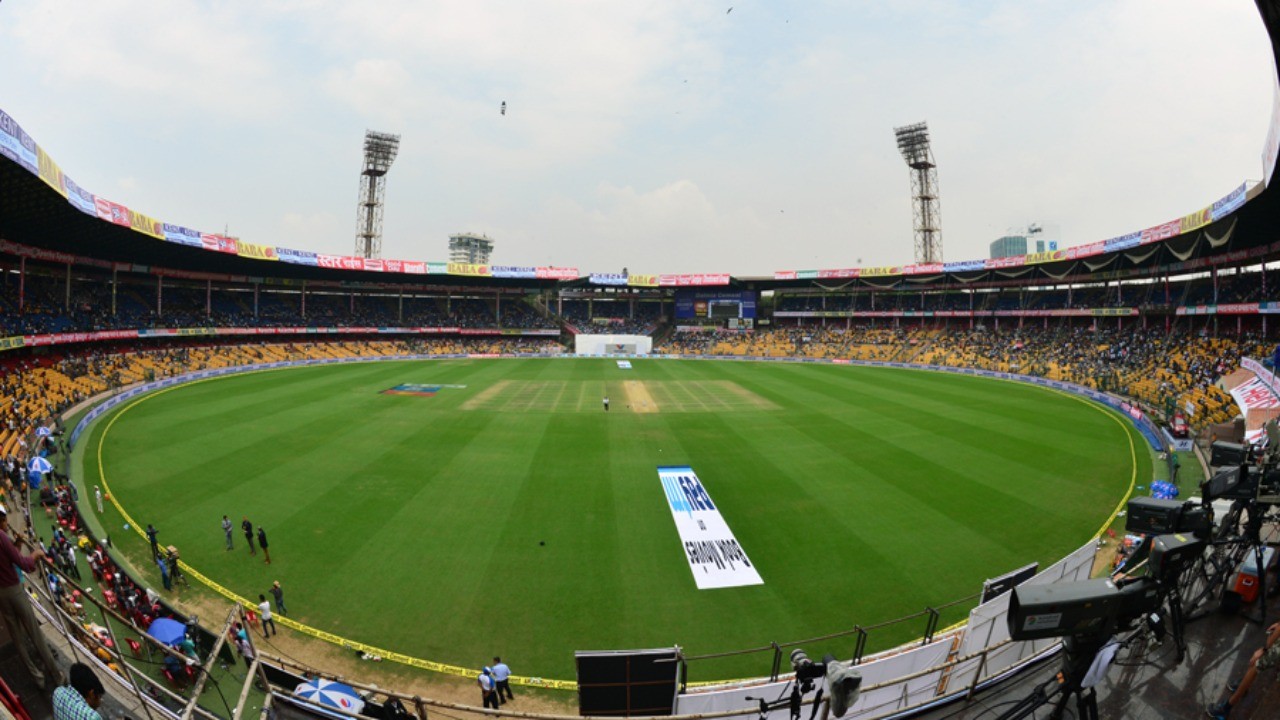
Stakeholders Brace for Repercussions Amid Widespread Uncertainty
The KSCA finds itself at the heart of the unfolding situation, working to balance administrative responsibility with public expectations. Officials acknowledged that the safety audit had flagged multiple areas requiring urgent intervention. While some upgrades were already in progress, the Cabinet’s directive compresses timelines and amplifies urgency. KSCA leaders have reiterated their commitment to meeting all guidelines, noting that cricket must never overshadow safety.
Players and coaches, too, will face adjustments as training schedules shift and alternative venues are explored. While the decision does not entirely halt cricketing activities, the absence of marquee events may affect momentum and preparation, especially for franchises that rely heavily on the stadium’s unique conditions. Bengaluru’s athletes, who view Chinnaswamy as a home fortress, are suddenly left without their familiar stage.
The tourism and hospitality sectors, which experience surges during high-profile matches, anticipate noticeable impact. Bengaluru’s match days draw thousands from across India and abroad, filling hotels, restaurants, and transport services. A prolonged pause in major events could dampen seasonal revenue cycles, particularly around the IPL, which is known for its economic footprint.
Fans, perhaps the most emotionally invested group, expressed disappointment but also understanding. For many, Chinnaswamy is a place of memories—historic chases, record-breaking knocks, and roaring support. Knowing that the stadium will temporarily remain quiet is a bittersweet reality. Yet the assurance that safety is being prioritised brings solace even as anticipation builds for its eventual reopening.
The Cabinet reiterated that while cricket holds cultural significance, governance must consider holistic welfare. This balanced stance underscores a maturing approach to infrastructure management, especially in high-density urban spaces. It also sends a clear message to other sporting bodies: maintenance and upgrades cannot be postponed indefinitely when public safety is at stake.
The decision may also influence administrative practices across India, where stadiums vary widely in age, funding, and upkeep. By placing compliance above convenience, Karnataka has set a benchmark that could inspire similar reviews nationwide. The move, though disruptive, positions the state as a pioneer in sports safety governance.
A Mandate for Modernisation Ushers in a New Era of Stadium Governance
While Chinnaswamy’s cricketing future pauses, the upcoming reforms promise long-term benefits. Engineers tasked with inspection highlighted essential upgrades, including improved seating layouts, broader exit pathways, updated lighting systems, and reinforced structures. Modern fire suppression mechanisms and advanced monitoring technologies are also expected to form part of the planned overhaul.
The Cabinet has urged authorities to expedite the process without compromising quality. This balancing act between speed and thoroughness will define the timeline for the stadium’s full reactivation. An internal monitoring committee is expected to be set up to track progress and provide transparency to the public and cricketing community.
As discussions continue, attention has turned to whether temporary venues might host certain matches. However, the suitability of alternative stadiums for high-capacity events remains uncertain. Many lack the infrastructure required for international broadcasting or elite-level match ambience, making relocation a complex task.
On the administrative front, the decision has triggered policy introspection within KSCA. Sources indicate that internal governance mechanisms may undergo revision to prevent similar lapses in the future. The association, already under scrutiny in recent years, is now motivated to present a future-ready stadium that aligns with global safety standards.
Local businesses near the stadium expressed mixed feelings. While acknowledging the necessity of safety, they worry about declining footfall during the shutdown period. Many establishments’ peak earnings are tied to match-day activity, and the sudden pause leaves them reassessing short-term strategies.
For long-time sports followers, the move marks a watershed moment. Many recall past decades when stadium maintenance was often reactive, not proactive. Today’s decision symbolises a progressive shift where citizen-centric governance shapes sports infrastructure. This change, though abrupt, is viewed as part of a broader evolution in public safety philosophy.
To ensure the stadium’s legacy remains intact, cultural preservation groups have proposed documenting Chinnaswamy’s transitions through photographs and reports. They believe the renovation phase could become a case study in urban infrastructure renewal, blending historical significance with modern engineering.
Environmental concerns have also surfaced during discussions. Certain upgrades may require material changes or structural alterations that could raise sustainability questions. Advocates urge authorities to consider eco-friendly construction methods and energy-efficient systems, setting a precedent for green stadiums in India.
Sports academies aligned with KSCA have requested clarity on whether indoor training centres on the premises will remain operational. Many young athletes depend on these facilities, and officials are exploring ways to keep developmental programmes running without compromising safety.
Broadcasting companies, which require long-term planning for camera towers, cabling, and crew entry points, have sought assurances about future compatibility. As media rights form a major revenue component, KSCA aims to integrate broadcaster-friendly designs into the upcoming upgrades.
Civil engineers suggest that while the stadium is structurally sound, modern expectations for mass-gathering venues have evolved. They emphasise that compliance does not imply fault but rather reflects global shifts that prioritise preventive design. This nuance may reassure fans concerned about the stadium’s condition.
Urban planners see an opportunity to integrate the stadium’s surroundings with better traffic regulation and pedestrian-friendly systems. Match-day congestion has long plagued major events, and the temporary pause provides a rare chance to redesign access routes in coordination with city authorities.
Civic activists note that the Cabinet’s directive may indicate growing public pressure for transparency in stadium operations. They believe this is an opportunity to institute standard operating procedures, publicly accessible compliance reports, and community participation in oversight.
Economic analysts have begun evaluating the potential financial implications. While short-term revenue dips are expected, long-term gains could come from improved stadium capacity, enhanced fan experience, and expanded commercial options once compliance is achieved.
Sports historians consider this phase as an important chapter in Chinnaswamy’s evolution. Like many global stadiums that underwent renewal phases, they believe the temporary silence will eventually give way to louder, more exhilarating cricketing moments backed by modern safety frameworks.
As discussions progress, one sentiment unites stakeholders: the desire to see the stadium return stronger, safer, and more vibrant than ever. The Cabinet’s decision, though firm, has set the stage for a reimagining of Bengaluru’s premier cricket destination. The coming months will determine how swiftly and effectively this transformation unfolds, shaping the next era of cricket at Chinnaswamy.
Follow: Karnataka Government
Also read: Home | Channel 6 Network – Latest News, Breaking Updates: Politics, Business, Tech & More