
The Supreme Court has drawn a firm June 30 deadline for the conduct of long-pending civic elections in Bengaluru, delivering a decisive nudge to revive grassroots democracy in India’s technology capital. The direction comes amid years of administrative delays, legal complications, and political indecision that have left the city without an elected municipal council. For Bengaluru’s residents, the court’s intervention is more than a procedural order; it is a long-awaited assertion that democratic governance at the local level cannot be kept in suspension indefinitely.
The deadline has also reignited debate on voter engagement and turnout in urban local body elections. Bengaluru has historically recorded lower participation in civic polls compared to Assembly or parliamentary elections. Analysts believe prolonged delays may have further alienated citizens from municipal politics. However, the Supreme Court’s intervention has generated renewed attention, and civic groups hope this moment can be leveraged to encourage greater voter awareness. Campaigns focusing on the tangible impact of municipal decisions on daily life are expected to intensify as the election date approaches.
Another key concern emerging from the court’s order is the preparedness of electoral infrastructure. Poll officials will have to manage elections in newly reorganised wards, ensuring clarity for voters about polling stations and ward boundaries. Any confusion could affect turnout and credibility. Election authorities are expected to undertake large-scale voter education drives, including mock drills and public notifications, to ensure a smooth process. The success of these efforts will be critical in determining public confidence in the polls.
The issue of reservations has also returned to the forefront following the deadline. Reservation for women, Scheduled Castes, Scheduled Tribes, and Other Backward Classes is a constitutional requirement, but delays in finalising reservation rosters were among the factors cited earlier for postponement. With the clock now ticking, the State government will need to finalise and notify these details swiftly. Observers note that how fairly and transparently this process is handled could influence perceptions of inclusivity and representation.
Urban governance experts argue that the upcoming polls could redefine the role of councillors in a rapidly evolving city. Bengaluru’s challenges today are vastly different from those of a decade ago, with issues such as climate resilience, urban flooding, solid waste management, and public mobility demanding informed and proactive leadership. The elections offer an opportunity for voters to choose representatives who can engage with complex urban policy debates rather than merely address short-term local demands.
Ultimately, the Supreme Court’s June 30 deadline has transformed civic elections from a deferred obligation into an urgent democratic exercise. As institutions race against time, the focus will be on whether the process is conducted not just quickly, but credibly and inclusively. For Bengaluru’s residents, the coming weeks will test the system’s ability to honour democratic commitments. The outcome will shape not only the city’s governance but also public faith in the promise of local self-rule.
Bengaluru’s civic body has been under administrative control for an extended period, with bureaucrats and appointed officials managing the city’s affairs in the absence of elected representatives. While administrators have continued essential functions, the lack of a political executive accountable to citizens has been a persistent point of criticism. Urban experts, civil society groups, and resident welfare associations have repeatedly argued that the city’s scale and complexity demand elected leadership to address everyday concerns ranging from roads and waste management to flooding and public health.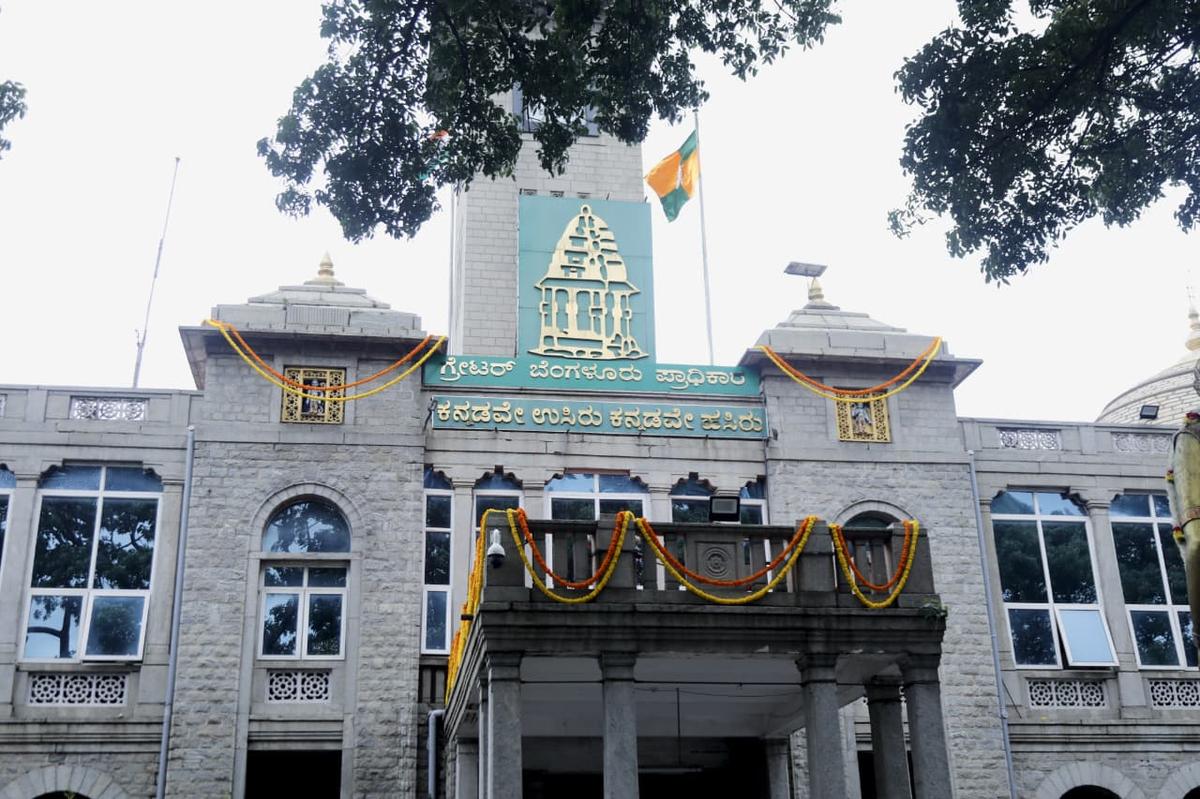
The Supreme Court’s directive follows prolonged litigation over ward delimitation, reservation of seats, and the restructuring of the municipal corporation. These processes, though legally necessary, became sources of repeated postponement. Petitioners contended that procedural exercises were being used to justify indefinite delays, undermining the constitutional mandate for regular local body elections. The court, in drawing a clear deadline, signalled that while reforms and restructuring are important, they cannot override the fundamental right of citizens to elect their representatives.
The order has immediate implications for the State Election Commission and the Karnataka government, both of which are now under pressure to complete all preparatory steps within a tight timeframe. Officials are expected to accelerate processes related to electoral rolls, reservation notifications, and logistical planning. The court’s firm timeline has narrowed the scope for further extensions, placing accountability squarely on the institutions responsible for conducting the polls.
For political parties, the announcement has altered the electoral calculus. With civic elections now anchored to a judicial deadline, parties must quickly mobilise candidates, frame local issues, and reconnect with urban voters. Bengaluru’s civic polls are often seen as a barometer of urban political sentiment, reflecting public mood on governance, infrastructure, and quality of life. The June 30 deadline has therefore injected urgency into a political space that had grown accustomed to delay.
YEARS WITHOUT A MANDATE, A CITY RUN BY FILES
The absence of an elected council has had tangible consequences for Bengaluru’s governance. Decision-making has largely been top-down, with administrators constrained by rules and limited political latitude. While bureaucratic management ensures continuity, it lacks the responsiveness that elected representatives bring through direct engagement with constituents. Citizens’ groups argue that grievances often remain unresolved because there is no councillor accountable to a specific ward.
Urban planners point out that Bengaluru’s challenges have intensified during this period. Rapid urbanisation, strained infrastructure, and climate-related stresses such as flooding require coordinated political leadership. Without an elected body to prioritise local needs, projects often move slowly or lack community consultation. The Supreme Court’s intervention has thus been welcomed by many as a corrective measure to restore balance between administration and democratic oversight.
The delay in polls has also raised constitutional questions. The 74th Constitutional Amendment mandates regular elections to urban local bodies, recognising them as the third tier of governance. Legal experts note that prolonged absence of elected councils weakens this framework and sets a troubling precedent. By fixing a deadline, the Supreme Court has reaffirmed the constitutional importance of local self-government, reminding states that urban governance cannot be treated as optional or secondary.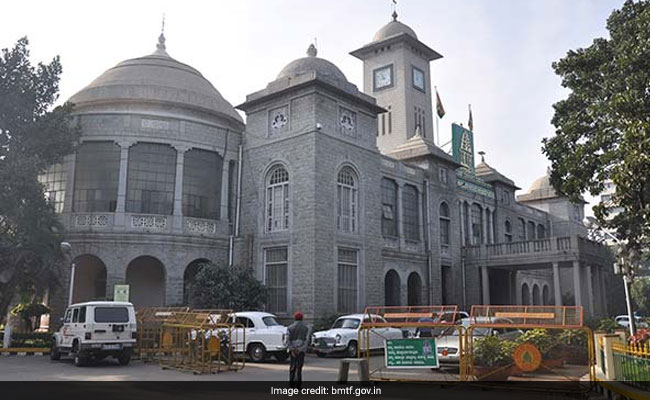
Residents’ associations across Bengaluru have long campaigned for civic polls, arguing that everyday urban issues require political ownership. From pothole-ridden roads to erratic water supply, many problems persist partly because there is no elected representative to raise them consistently within the system. The court’s order has rekindled hope that neighbourhood-level issues will once again find voice through councillors who live among the people they represent.
The administrative vacuum has also affected transparency and accountability. While officials are answerable within bureaucratic hierarchies, citizens have limited avenues for direct political redress. Activists argue that this disconnect erodes public trust and discourages civic participation. The June 30 deadline is therefore being seen not just as an election date, but as a deadline to restore democratic confidence in urban governance.
POLITICAL, ADMINISTRATIVE, AND CIVIC RAMIFICATIONS
The Supreme Court’s directive has placed the State Election Commission at the centre of attention. Conducting elections in a metropolis like Bengaluru is a complex logistical exercise, involving thousands of polling stations, election personnel, and security arrangements. The commission must also ensure that electoral rolls are accurate and inclusive, a task complicated by the city’s highly mobile population. The court’s timeline leaves little room for error, increasing institutional pressure.
For the Karnataka government, the order represents both a challenge and an opportunity. While the government must now expedite processes that had moved slowly, successful conduct of polls could demonstrate administrative efficiency and respect for democratic norms. Any failure to meet the deadline, however, could invite judicial scrutiny and political criticism. The stakes are therefore high, particularly given Bengaluru’s prominence on the national stage.
Political parties are expected to sharpen their focus on local issues rather than broader ideological narratives. Civic elections traditionally revolve around governance outcomes, service delivery, and ward-level development. Issues such as garbage management, public transport, road quality, and flood mitigation are likely to dominate campaigns. The court’s deadline compresses preparation time, potentially favouring parties with stronger grassroots networks and organisational readiness.
Independent candidates and smaller parties may also see an opening. Bengaluru’s electorate has, in the past, shown willingness to support non-traditional candidates who promise accountability and civic engagement. With growing frustration over urban governance, the upcoming polls could witness a more competitive and issue-driven contest. The Supreme Court’s intervention has thus reshaped the political landscape, making civic elections a focal point of public discourse.
Civil society groups have welcomed the deadline but caution that elections alone are not a panacea. They argue that structural reforms, financial devolution, and empowerment of local bodies are essential to make municipal governance effective. Without adequate funds and autonomy, even elected councils may struggle to deliver. The court’s order, they say, should be the first step in a broader process of strengthening urban local governance.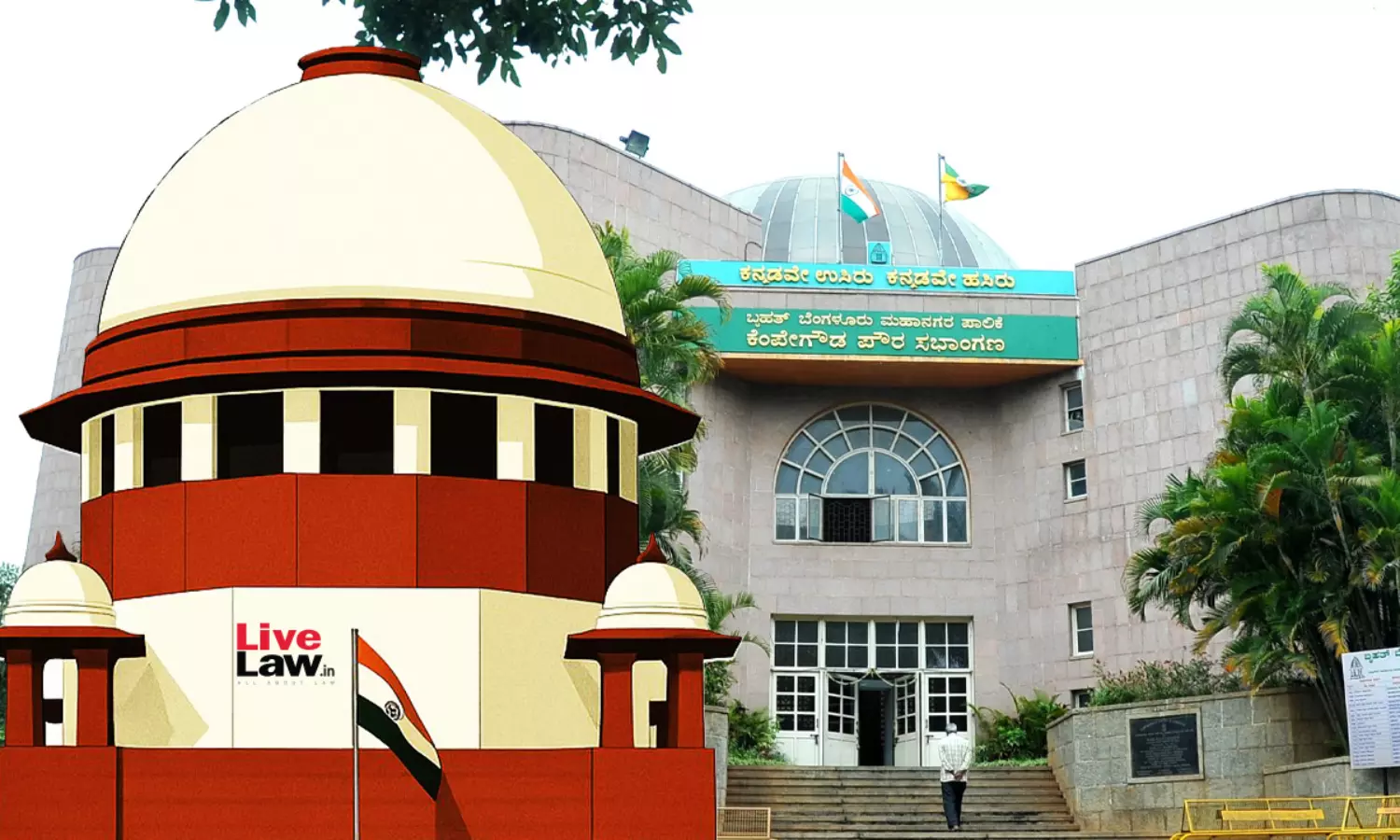
The business community and urban professionals have also reacted positively, noting that stable and accountable civic leadership is crucial for Bengaluru’s economic vitality. Infrastructure bottlenecks and governance delays have long affected productivity and investment sentiment. An elected council with a clear mandate could, they hope, bring greater coherence to urban planning and execution.
As June 30 approaches, public expectations are rising. The Supreme Court has done its part by setting a clear deadline, but the responsibility now shifts to institutions and political actors. For Bengaluru, the civic polls represent a chance to reset urban governance and re-establish the link between citizens and the city they inhabit. Whether this opportunity leads to meaningful change will depend on how earnestly the process is carried out.
In the larger picture, the court’s intervention sends a message beyond Bengaluru. It underscores that democratic processes, especially at the local level, cannot be postponed indefinitely for administrative convenience or political calculation. By drawing a firm line, the Supreme Court has reaffirmed that democracy is not merely about elections at the state or national level, but about empowering citizens in their everyday civic spaces. For a city that has waited years for its voice, June 30 now stands as a date charged with democratic promise and renewed hope.
Follow: Karnataka Government
Also read: Home | Channel 6 Network – Latest News, Breaking Updates: Politics, Business, Tech & More
