
Skanjet Aviation’s proposal to launch a regional airline has received significant institutional support with the Mysore Chamber of Commerce and Industry (MCCI) formally backing the initiative. The endorsement is being seen as a major boost for regional aviation aspirations in southern Karnataka, particularly for cities like Mysuru that have long sought stronger air connectivity to unlock economic and tourism potential. Industry observers say the backing lends credibility to the proposal and could help accelerate discussions with regulators, investors, and infrastructure providers.
The proposed regional airline aims to focus on short-haul routes connecting Tier-2 and Tier-3 cities, addressing long-standing gaps in air connectivity. Skanjet Aviation has positioned the project as a commercially viable and regionally transformative venture, aligned with broader national goals of improving last-mile aviation access. With MCCI’s support, the initiative has gained momentum among local business leaders who see improved air connectivity as essential for trade, investment, and job creation.
According to representatives of the Chamber, the lack of frequent and affordable air services has been a constraint for Mysuru’s industrial and tourism growth. Despite having an operational airport, the city has struggled to retain consistent flight operations. MCCI officials believe that a regionally focused airline, designed around realistic demand patterns rather than metro-centric models, could address this challenge more sustainably.
Skanjet Aviation officials have welcomed the endorsement, stating that institutional backing from a respected industry body strengthens their case. They emphasised that regional airlines require local stakeholder support to succeed, as passenger demand, operational viability, and route sustainability are closely linked to regional economic activity.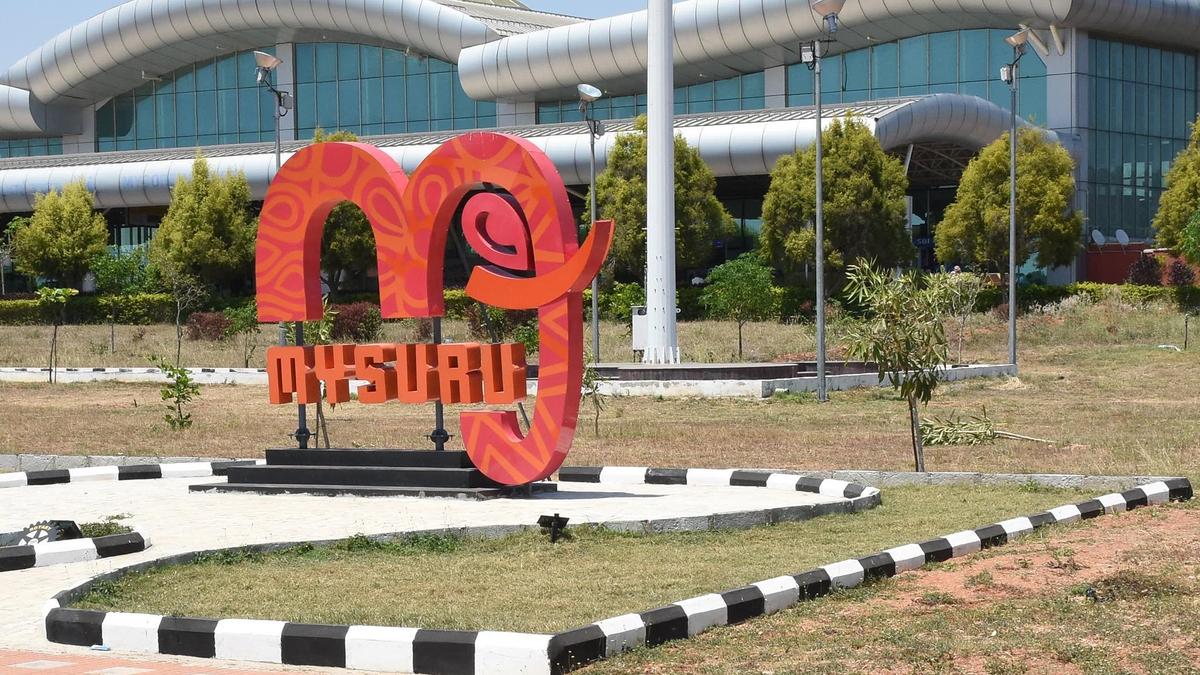
REGIONAL CONNECTIVITY AND ECONOMIC POTENTIAL
Business leaders in Mysuru argue that improved air connectivity could significantly enhance the city’s attractiveness as an investment destination. Mysuru has a growing presence in manufacturing, education, tourism, and information technology, yet limited flight options often force travellers to rely on Bengaluru. This dependency, they say, adds time and cost, discouraging potential investors and business travellers.
MCCI has highlighted that a regional airline could support not just Mysuru, but also neighbouring districts by creating a network of short routes. Such connectivity could facilitate faster movement of professionals, students, and tourists, while also enabling quicker transport of high-value goods. Chamber members believe this would strengthen supply chains and encourage decentralised economic development.
Tourism stakeholders have also welcomed the initiative, noting that Mysuru attracts visitors throughout the year for its heritage, festivals, and cultural events. Better regional air links could help tap into new domestic tourist markets, particularly from smaller cities that currently lack direct access. Hospitality industry representatives say this could lead to higher occupancy rates and longer tourist stays.
From an employment perspective, the proposed airline is expected to generate direct and indirect jobs, including pilots, cabin crew, ground staff, maintenance personnel, and service providers. Local training institutes may also benefit if demand for aviation-related skills increases.
CHALLENGES AND INDUSTRY REALITIES
Despite the optimism, aviation experts caution that launching and sustaining a regional airline remains challenging. High operating costs, fluctuating fuel prices, regulatory compliance, and limited passenger volumes on certain routes can affect viability. Past attempts at regional connectivity in India have seen mixed results, with several airlines struggling to maintain operations beyond initial phases.
Skanjet Aviation has acknowledged these challenges and indicated that its business model is designed to be lean and demand-driven. The company has reportedly studied route economics carefully and plans to deploy aircraft suited for short-haul operations with lower break-even thresholds. Industry insiders say such realism is essential if the airline is to avoid the pitfalls faced by earlier ventures.
MCCI officials have stated that their support does not imply ignoring risks, but rather recognising the potential benefits if the project is executed prudently. They have offered to facilitate dialogue between the airline and local industries to help build stable passenger demand, particularly from corporate and institutional travellers.
ROLE OF POLICY AND INFRASTRUCTURE
The success of the initiative will also depend on supportive policy frameworks and airport infrastructure readiness. Regional airlines rely heavily on efficient ground handling, reasonable airport charges, and coordinated scheduling. Stakeholders have pointed out that smaller airports must be operationally flexible to accommodate regional carriers with quick turnarounds.
MCCI has urged authorities to ensure that Mysuru airport is fully equipped to support regular regional operations. This includes streamlined processes, adequate staffing, and coordination with aviation regulators. Business leaders argue that infrastructure investments made over the years must translate into sustained flight connectivity to justify public expenditure.
There is also emphasis on collaboration between the airline, local government, and tourism bodies to promote routes and build passenger awareness. Experts note that regional aviation often requires coordinated marketing efforts, especially in the early stages, to familiarise travellers with new options.
Looking ahead, stakeholders believe that the next critical phase will involve translating institutional support into concrete commitments. This includes finalising route plans, securing regulatory clearances, and building partnerships with service providers at regional airports. Business leaders in Mysuru have emphasised that continued dialogue between Skanjet Aviation, industry bodies, and government agencies will be crucial to maintaining momentum. If these efforts remain aligned, the initiative could move from a promising proposal to an operational reality, marking a significant step forward for regional aviation and economic connectivity in southern Karnataka.
A STEP TOWARDS REGIONAL ASPIRATIONS
The backing from the Mysore Chamber of Commerce and Industry has elevated Skanjet Aviation’s proposal from a standalone business plan to a regionally supported initiative. For Mysuru, the endorsement reflects a broader aspiration to reduce dependence on metropolitan hubs and assert its identity as a connected, competitive city.
While regulatory approvals and operational milestones still lie ahead, stakeholders believe that institutional support at this stage sends a strong signal of confidence. Whether the airline ultimately takes off will depend on execution, policy support, and sustained demand. However, the development has already sparked renewed discussion on the importance of regional aviation as a catalyst for balanced economic growth.
For a city that has long waited for reliable air links, the initiative represents more than a commercial venture. It embodies the hope that improved connectivity can bring Mysuru closer to national and regional markets, strengthening its economic future. With industry bodies stepping forward, the dream of a regional airline serving the heart of Karnataka now appears one step closer to reality.
Follow: Karnataka Government
Also read: Home | Channel 6 Network – Latest News, Breaking Updates: Politics, Business, Tech & More
