
The Karnataka Transport Department has officially launched a new smart card system for Registration Certificates and Driving Licences, marking a significant technological reform aimed at streamlining public services and enhancing digital accessibility. The upgraded system replaces the older laminated card format with a more secure, durable, and technologically advanced chip-based card. Officials stated that the reform aligns with ongoing nationwide efforts to modernise motor vehicle documentation and improve the efficiency of service delivery. The rollout is expected to benefit thousands of vehicle owners and licence holders across the State, shaping the next phase of Karnataka’s transport administration.
Background and Need for the Upgrade
For several years, the Transport Department had been exploring ways to strengthen security features and ensure long-term durability for essential documents. The older cards were prone to wear and tear, fading, and duplication risks, especially for licences frequently handled by users. With rising digital adoption and growing expectations for seamless public service delivery, the need for secure, tamper-resistant smart cards became more urgent. Officials observed that many states had begun shifting to chip-enabled formats, prompting Karnataka to accelerate its own modernisation drive. The new system reflects an approach focused on convenience, transparency, and enhanced public trust.
Features of the New Smart Card System
The newly introduced smart cards come with embedded chips capable of securely storing detailed information related to vehicle ownership, licence credentials, and driver particulars. The chip protects sensitive data and reduces the possibility of document manipulation. The card’s polycarbonate material ensures greater durability compared to earlier laminated formats, which were vulnerable to damage. Enhanced printing technology will improve legibility and lifespan, reducing the need for frequent reprints. According to officials, the smart card’s data can be accessed quickly at checkpoints, easing verification processes and minimising manual checks that often slowed traffic enforcement and administrative routines.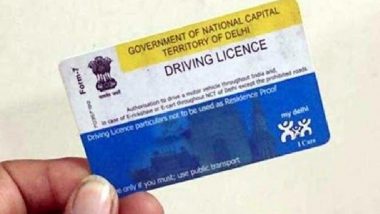
Implementation Strategy and Rollout Plan
The Transport Department has begun the phased rollout of the smart card system across all Regional Transport Offices in Karnataka. The initial phase includes major cities, where the volume of applicants for Registration Certificates and Driving Licences is significantly higher. Subsequent phases will cover semi-urban and rural regions to ensure uniform coverage across the State. Training sessions have been conducted for staff to familiarise them with the upgraded software and printing equipment required for chip-enabled card production. The Department emphasised that the rollout will not affect ongoing services and that applicants will face no delays during the transition.
Cost Implications and Fee Structure
The introduction of the new smart cards comes with a revised fee structure that reflects the cost of advanced materials and embedded technology. While the price per card has increased marginally, officials stressed that the enhanced durability and security significantly outweigh the additional cost. The government has ensured that the increase remains minimal and affordable, keeping public convenience as the central focus. By reducing the frequency of card replacement due to damage or illegibility, the new system is also expected to decrease long-term expenses for users. Transparency in pricing has been prioritised throughout the implementation process.
Enhanced Security and Fraud Prevention
One of the primary motivations behind adopting the smart card system is the need to curb fraudulent duplication and unauthorised alterations of vehicle and licence documents. The embedded chip allows encrypted storage of data that cannot be easily tampered with or replicated. Law enforcement agencies will benefit from faster verification, reducing the likelihood of forged documents being used during inspections. The new system is also expected to reduce the circulation of fake licences and Registration Certificates, which have posed recurring challenges for authorities. By leveraging secure digital technology, Karnataka aims to strengthen trust in its transport documentation framework.
Public Response and Initial Feedback
Early reactions from citizens have been largely positive, particularly among those who frequently travel or rely on their licence for work. Many users expressed appreciation for the sturdier material and improved design of the new cards. While some raised concerns regarding the slight increase in fees, most acknowledged the benefits offered by the technologically upgraded format. Service agents and driving schools have noted quicker processing times after staff became familiar with the new system. Public feedback continues to play an important role, with the Department collecting suggestions to fine-tune the implementation in its early stages.
Impact on RTO Workflows and Efficiency
The smart card system has introduced significant improvements to workflows within Regional Transport Offices. The digital integration allows staff to retrieve, verify, and update applicant information with greater speed and accuracy. The reduction in manual data entry minimises errors, enabling smoother interactions between citizens and officials. Printing times have reduced substantially due to the adoption of dedicated equipment tailored for chip-based cards. These improvements not only streamline daily operations but also reduce long queues and waiting periods at offices. Officials believe that the system will lead to long-term efficiency gains across all branches of the Transport Department.
Alignment with National Digital Governance Goals
The rollout of smart cards in Karnataka aligns with broader digital governance initiatives pursued at the national level. Central agencies have been encouraging states to adopt technology-driven public services that minimise reliance on physical records and enhance interoperability. The new cards are compatible with national transport databases, enabling quick verification for inter-state travel and enforcement checkpoints. The Transport Department stated that adopting the upgraded format places Karnataka among the leading states in digital motor documentation. The initiative supports the broader vision of transforming public services into efficient, citizen-centred digital platforms.
Digital Integration with Enforcement Systems
A key advantage of the new smart cards is their seamless integration with traffic enforcement tools. Police personnel equipped with handheld devices will be able to scan cards instantly, retrieving accurate details stored in the chip. This reduces the necessity for carrying multiple documents and minimises disputes during roadside checks. The digital integration also improves the tracking of violations, as accurate data ensures timely updates to records. Officials believe that the system will enhance road safety by improving compliance monitoring and ensuring that unlicensed or fraudulent drivers do not escape legal scrutiny.
Benefits for Vehicle Owners and Drivers
Vehicle owners and drivers are expected to experience several direct benefits from the upgraded system. The improved durability of the smart cards ensures that essential documents remain intact even with regular handling. The secure chip stores comprehensive information, providing greater assurance during verification. Faster service at RTOs, reduced paperwork, and enhanced protection against fraud collectively contribute to a smoother user experience. The cards’ compatibility with digital systems also promises future improvements, such as online updates and streamlined renewals. For citizens, the initiative represents a significant step toward a more efficient and accessible transport administration.
Challenges Faced During Initial Rollout
Despite its advantages, the initial rollout of the smart card system presented a few challenges, particularly in high-traffic RTOs where staff had to adapt quickly. Technical glitches occasionally slowed down data uploads, requiring support teams to intervene. Some users unfamiliar with digital processes needed additional guidance, prompting the Department to deploy extra help desks during peak hours. Equipment calibration also required careful monitoring to ensure accurate printing and chip encoding. Officials emphasised that such challenges are typical in technologically significant transitions and that continuous improvements will be made as the system stabilises.
Training Initiatives and Capacity Building for Staff
Recognising the importance of well-trained personnel, the Transport Department launched comprehensive capacity-building sessions for RTO staff across the State. Workshops covered software navigation, data verification procedures, printing protocols, and troubleshooting for chip-enabled cards. Senior officials supervised training to ensure consistency and competence. In addition, digital manuals and video guides were provided to staff for reference. The training initiatives have been instrumental in enhancing operational readiness, enabling personnel to address citizen queries efficiently. The Department plans to conduct periodic refresher sessions to keep staff updated about new features and software upgrades.
Long-Term Vision for Smart Mobility Documentation
The introduction of smart cards is part of a broader long-term vision to modernise mobility-related documentation in Karnataka. Authorities are exploring additional features such as digital synchronisation with upcoming e-governance platforms, automated updates linked to insurance or emission data, and integration with mobile-based identity apps. This vision aims to reduce the dependence on physical records while offering a seamless digital experience for citizens. Officials believe that future enhancements could include contactless verification, real-time record updates, and simplified renewal processes, laying the foundation for a comprehensive modern transport ecosystem.
Comparison with Previous Documentation Formats
The older laminated cards, while adequate in earlier years, lacked the advanced security and durability required in today’s digital environment. They were susceptible to damage from moisture, heat, and physical handling, and could be easily forged using basic equipment. Smart cards, in contrast, incorporate polycarbonate layers, laser-engraved details, and an encrypted chip, making them more resistant to tampering. The upgraded features ensure that information remains intact for longer periods and can be authenticated digitally. The shift to smart cards marks a clear technological leap from earlier methods, bringing Karnataka closer to global standards in transport documentation.
Reactions from Driving Schools and Service Centres
Driving schools, vehicle dealers, and service centres have welcomed the introduction of smart cards, citing improved clarity in documentation and faster applicant processing. Many institutions have updated their internal processes to align with the new system, ensuring that applicants receive accurate information before visiting RTOs. Some centres noted an initial adjustment period but reported smoother operations once staff became accustomed to the updated workflow. Their feedback suggests that the smart card initiative will simplify coordination between citizens, training institutions, and transport authorities, ultimately contributing to a more streamlined ecosystem of mobility services.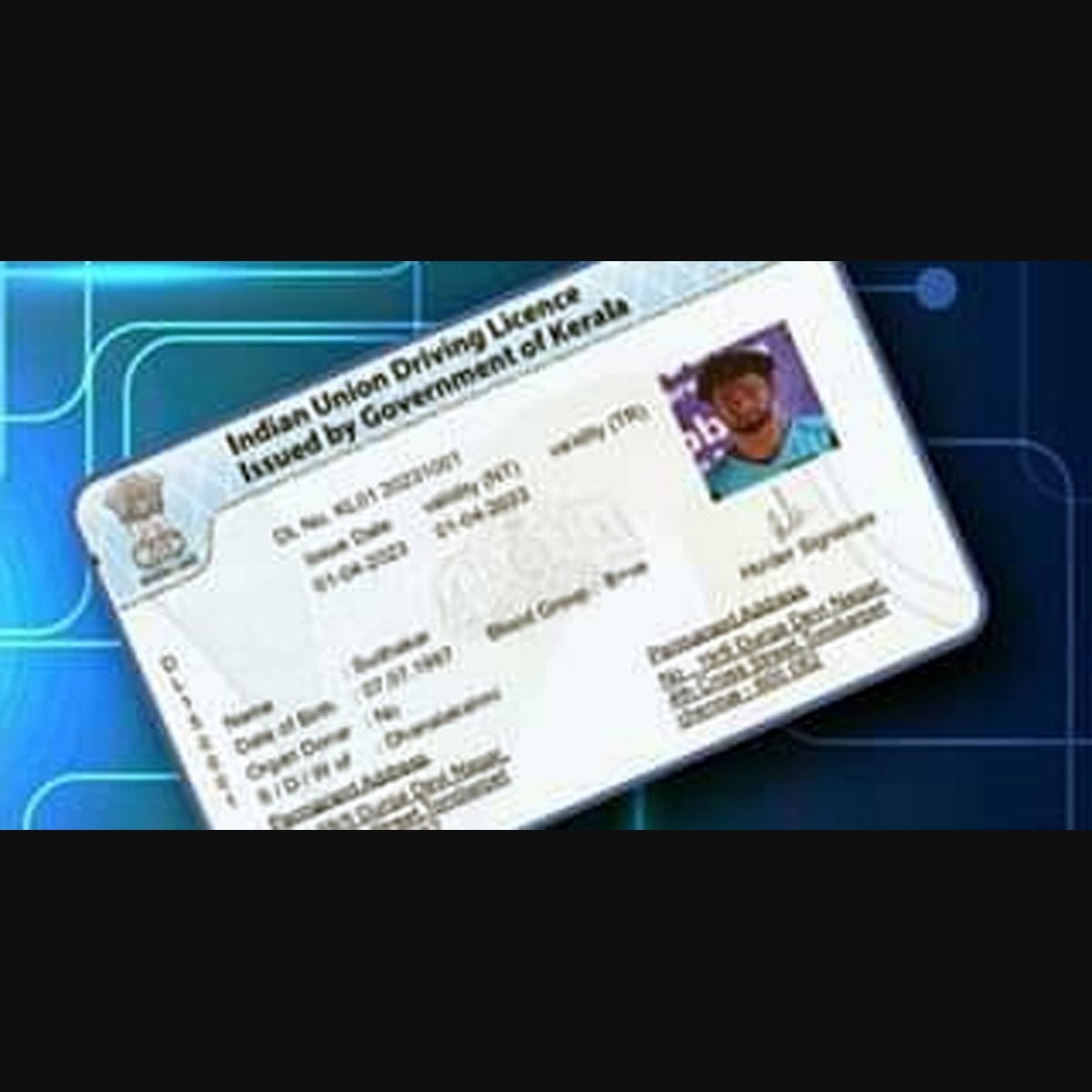
Administrative Clarity and Government Communication
The Transport Department has maintained continuous communication with the public throughout the rollout, issuing detailed guidelines on application procedures, fee changes, and timelines. Information campaigns have been conducted through public notices, media announcements, and on-site displays in RTOs. Officials emphasised that transparency remains central to the initiative, ensuring that citizens are aware of the benefits and requirements associated with the new smart cards. By providing clear instructions and responsive support channels, the Department aims to minimise confusion and ensure a smooth transition for all applicants, regardless of region or background.
Conclusion
The introduction of the new smart card system for Registration Certificates and Driving Licences marks a transformative moment for Karnataka’s transport administration. By adopting secure, chip-based technology, the State has strengthened documentation integrity, improved service efficiency, and enhanced public convenience. The initiative aligns with long-term goals of digital governance and modern mobility systems, offering citizens a more reliable and future-ready experience. While the rollout faced expected challenges, the positive response and operational improvements reflect its strong potential to redefine transport services in the coming years. For Karnataka, the smart card system represents not just a technological upgrade but a meaningful advancement in public service delivery.
Follow: Karnataka Government
Also read: Home | Channel 6 Network – Latest News, Breaking Updates: Politics, Business, Tech & More
