
The Federation of Karnataka Chambers of Commerce and Industry (FKCCI) has strongly opposed the proposed electricity tariff hike, after Electricity Supply Companies (ESCOMs) in the State sought approval for truing-up of their revenue gap. Industry representatives said the move would place an additional financial burden on businesses already dealing with rising input costs, inflationary pressures, and fluctuating market demand. They argued that any increase in power tariffs could directly affect production costs, competitiveness, and employment across sectors, particularly impacting small and medium enterprises that operate on thin margins.
ESCOMs have approached the regulatory authorities seeking adjustments to recover what they describe as accumulated revenue shortfalls. These gaps are typically attributed to factors such as higher power purchase costs, transmission losses, subsidies, and delays in tariff revisions. Power utilities maintain that truing-up is a regulatory mechanism meant to ensure financial sustainability and uninterrupted supply. However, industry bodies contend that inefficiencies, technical losses, and administrative issues should not be passed on to consumers without accountability and reforms within the power distribution system.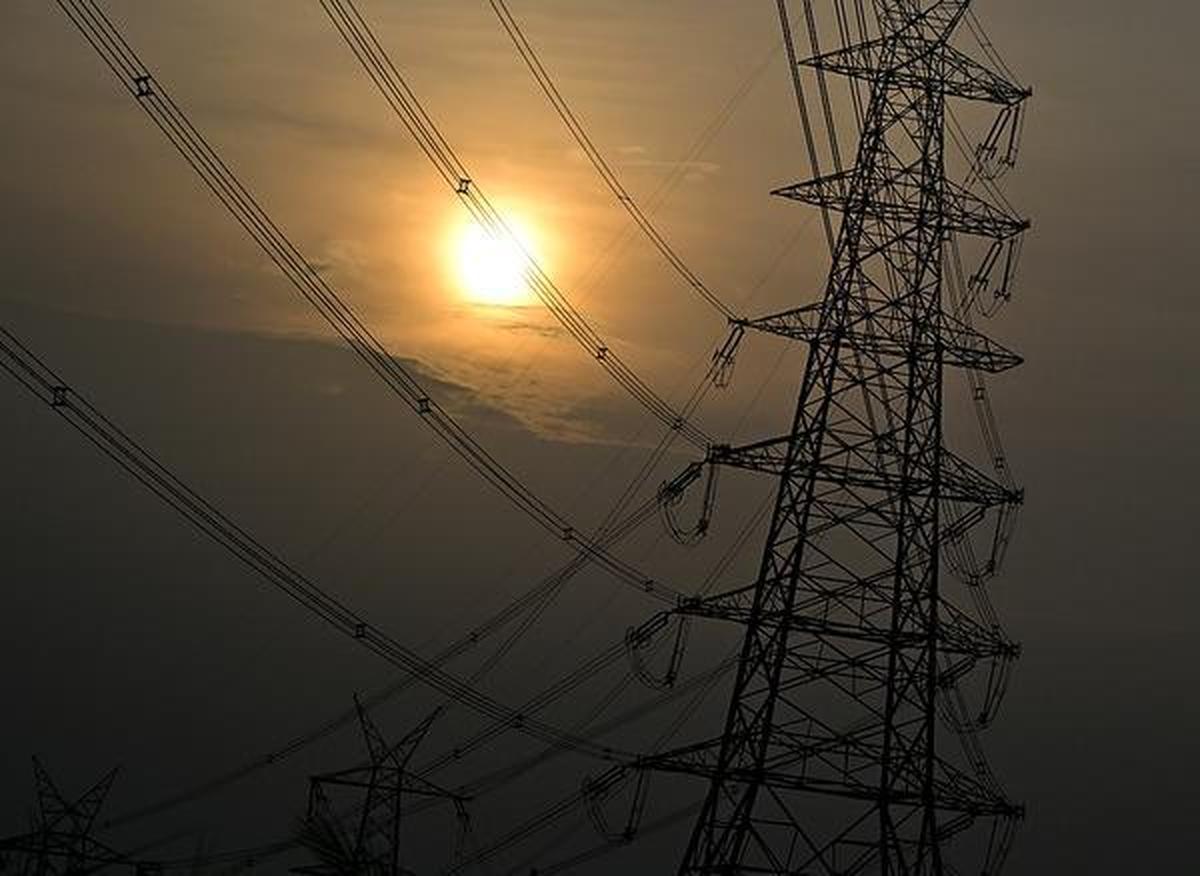
FKCCI leaders stated that industries in Karnataka are already paying comparatively high power tariffs when measured against some competing States. They warned that a further hike could discourage fresh investments and expansion plans. Manufacturing units, IT parks, and commercial establishments rely heavily on stable and affordable electricity to maintain operations. Increased tariffs, they said, may force some units to cut costs elsewhere, potentially affecting jobs or slowing production. Export-oriented businesses could also lose price competitiveness in global markets if operational expenses continue to rise.
The chamber has urged the Karnataka Electricity Regulatory Commission to conduct a detailed and transparent review before approving any tariff revision. FKCCI suggested that ESCOMs focus on reducing transmission and distribution losses, improving billing efficiency, and preventing power theft. Industry representatives believe that systemic improvements can reduce financial stress on utilities without burdening consumers. They also called for greater stakeholder consultation, stating that tariff decisions must balance utility viability with economic growth and public interest.
Energy policy experts note that such disputes reflect the broader challenge of managing power sector finances while supporting industrial development. Karnataka’s growing urbanisation and industrialisation have increased demand for electricity, requiring significant infrastructure investments. At the same time, consumer affordability remains a sensitive issue. As regulatory hearings progress, the debate is likely to focus on how to share financial responsibility between utilities, government support mechanisms, and consumers, without undermining economic momentum or the reliability of power supply in the State.
FKCCI

Industry representatives also highlighted that frequent tariff revisions create uncertainty in long-term business planning. Companies, especially in manufacturing and heavy engineering sectors, calculate operational budgets months in advance, and sudden cost escalations disrupt financial projections. Entrepreneurs say such unpredictability affects their ability to commit to expansion, technology upgrades, and workforce growth. Stable energy pricing, they argue, is as important as infrastructure and policy incentives in attracting investors. If electricity costs continue to fluctuate sharply, Karnataka could lose its edge as a preferred industrial destination to States offering more predictable and industry-friendly power policies.
Small and medium enterprises have voiced particular concern, stating they are the worst affected by rising electricity charges. Unlike large corporations, smaller units lack the capital cushion to absorb repeated cost increases. Many MSMEs operate in sectors such as textiles, foundries, food processing, and fabrication, where electricity forms a significant portion of total expenses. FKCCI noted that these enterprises are key employment generators and contribute substantially to regional economies. A steep tariff hike, they warned, may push struggling units into financial distress, leading to closures, job losses, and reduced local economic activity.
Commercial establishments, including shopping complexes, hospitality businesses, and service providers, have also expressed unease. With consumer spending still recovering in several sectors, businesses fear they may be forced to raise prices to offset higher utility bills. This could reduce demand and slow down economic recovery. Representatives from the hospitality sector said hotels and restaurants, already coping with high fuel and raw material costs, would find it difficult to manage another major expense. They stressed that electricity is a non-negotiable necessity, leaving little scope to cut usage without affecting service quality.
Industry leaders have proposed alternative solutions to ease ESCOM financial stress without imposing immediate tariff hikes. One suggestion includes phased adjustments spread over longer periods to avoid sudden shocks. FKCCI also recommended that the State government enhance subsidy support for specific sectors or categories of consumers, particularly MSMEs and essential services. They emphasized that shared responsibility between government and utilities could maintain sector stability. Additionally, industry bodies have called for improved financial discipline within ESCOMs, arguing that better cost management could reduce the need for frequent consumer tariff revisions.
Another key concern raised is the impact on Karnataka’s start-up ecosystem. Technology parks, innovation hubs, and research facilities depend on uninterrupted and cost-effective power. Start-ups, especially in hardware, biotechnology, and manufacturing-related fields, often operate with limited initial funding. Rising energy costs may discourage experimentation and scaling efforts. FKCCI stated that while digital firms may have lower direct electricity usage, data centres and tech infrastructure still require significant power. Maintaining reasonable tariffs, they argued, supports innovation and strengthens the State’s reputation as a technology leader.
Agriculture-linked industries have also entered the debate, noting indirect effects of tariff changes. Processing units for dairy, sugar, rice, and other agricultural products rely on stable power for storage and production. Higher electricity charges could increase food processing costs, which may eventually reflect in consumer prices. FKCCI representatives cautioned that ripple effects across supply chains should be carefully assessed. They stressed that energy policy decisions do not affect only one sector but have wide-ranging consequences for the State’s overall economic ecosystem and inflation trends.
Energy analysts point out that ESCOMs face genuine financial challenges, including rising power purchase agreements and legacy dues. However, they agree that operational reforms are essential. Transmission and distribution losses, though gradually reducing, remain a concern in certain regions. Experts say investment in smart grids, metering systems, and infrastructure upgrades could improve efficiency. FKCCI has echoed this view, arguing that long-term structural improvements offer sustainable solutions, unlike repeated tariff hikes that merely provide temporary financial relief without addressing underlying systemic weaknesses.
Consumer advocacy groups have also joined industry voices in seeking transparency. They have requested detailed public disclosure of revenue gaps, cost structures, and loss components. According to them, informed public participation strengthens regulatory processes. FKCCI has supported this demand, stating that stakeholders should understand how tariff proposals are calculated. Transparent communication, they believe, builds trust and reduces conflict between utilities and consumers. Industry bodies have urged regulators to hold extensive hearings, ensuring that decisions reflect balanced consideration of financial realities and consumer welfare.
Another dimension of the issue relates to renewable energy integration. Karnataka has been a leader in solar and wind power generation. Industry representatives argue that greater reliance on renewables could reduce long-term power purchase costs. FKCCI suggested incentivizing industries to adopt rooftop solar systems and captive generation models. They believe such measures could ease grid pressure and lower overall energy expenditure. However, they stressed that supportive policies, streamlined approvals, and fair net-metering frameworks are necessary to make renewable adoption economically viable for businesses of all sizes.
The debate has also drawn attention to cross-subsidy structures in electricity pricing. Industrial consumers often bear higher tariffs to offset subsidized categories. FKCCI has argued that while social welfare objectives are important, excessive cross-subsidization can strain productive sectors. They urged gradual rationalization of tariff structures to ensure fairness. According to industry leaders, balanced pricing encourages economic growth, which ultimately increases tax revenues and supports public welfare schemes. They cautioned that overburdening industries could prove counterproductive in the long run.
Some industrialists have indicated they may increase dependence on diesel generators or alternative energy sources if tariffs rise sharply. However, this shift raises environmental concerns, as diesel usage contributes to pollution and higher carbon emissions. FKCCI noted that policy measures should discourage such outcomes. Affordable grid power, they said, aligns with sustainability goals and reduces environmental impact. Ensuring competitive electricity tariffs can thus support both economic and environmental objectives, reinforcing Karnataka’s commitment to sustainable development pathways.
Labour representatives have expressed worry that higher operational costs might translate into workforce reductions. Industries facing increased expenses may delay hiring or cut overtime, affecting workers’ incomes. FKCCI has underlined that employment stability depends on maintaining business viability. They stressed that energy pricing should be viewed not only as an economic issue but also as a social one, influencing livelihoods. Balanced decisions, they argue, can protect both enterprise growth and workforce welfare, ensuring broader socio-economic stability.
Regulatory authorities are expected to weigh all submissions before arriving at a decision. Observers say the outcome will signal the State’s approach to balancing fiscal discipline in utilities with industrial growth priorities. FKCCI has reiterated its willingness to engage constructively with regulators and ESCOMs. They emphasized dialogue and collaborative problem-solving rather than confrontation. Industry leaders believe that cooperative approaches can yield innovative solutions, ensuring reliable power supply without undermining Karnataka’s industrial competitiveness.
As discussions continue, the issue underscores the central role of electricity in modern economic life. From manufacturing floors to digital services, energy availability shapes productivity and progress. FKCCI’s opposition highlights the delicate balance policymakers must maintain between financial sustainability of utilities and economic resilience of consumers. The final decision on tariff adjustments will have lasting implications, influencing investment patterns, business confidence, and consumer affordability across Karnataka. Stakeholders now await regulatory conclusions that will shape the State’s energy and industrial landscape in the coming years.
Follow: Karnataka Government
Also read: Home | Channel 6 Network – Latest News, Breaking Updates: Politics, Business, Tech & More
