
Karnataka is bracing for a potentially stormy session of the State legislature as debates are expected to intensify over the proposed new job scheme and other pressing policy matters. Lawmakers from both ruling and opposition parties have already indicated that the session will see heated discussions, with the opposition raising concerns over the scheme’s implementation, funding, and long-term impact. Sources said the government plans to introduce the scheme aimed at boosting employment opportunities for youth, but questions regarding budget allocation, transparency, and eligibility criteria are likely to dominate the floor debates.
Government officials maintain that the job scheme is designed to address the growing demand for employment among graduates and skilled workers. The proposed initiative is expected to focus on generating both public and private sector opportunities, promoting entrepreneurship, and providing skill development programs. Officials emphasised that the scheme is part of a broader strategy to strengthen Karnataka’s workforce and attract investment, particularly in technology and industrial sectors, thereby addressing unemployment while fostering economic growth.
GOVERNMENT DEFENDS JOB SCHEME
Government officials have defended the new job scheme, stating that it has been designed to address both urban and rural employment challenges. They highlighted that the initiative will focus on creating opportunities in emerging sectors such as information technology, renewable energy, manufacturing, and logistics. By aligning employment opportunities with skill development programs, the administration believes that young job seekers will not only find work but also gain long-term career growth. Officials emphasised that the scheme is backed by detailed feasibility studies and cost-benefit analyses, aiming to ensure both effectiveness and financial sustainability.
OPPOSITION VOICES CONCERNS
Opposition leaders have raised concerns over the timing and scale of the scheme. They argued that similar initiatives in the past have often fallen short due to poor implementation, inadequate monitoring, and bureaucratic delays. Several members have demanded a clear roadmap showing how the government plans to ensure accountability at every stage, from recruitment to placement. They also questioned whether sufficient funds have been allocated to support a scheme of this magnitude and whether smaller districts and remote areas would receive equitable attention.
FOCUS ON SKILL DEVELOPMENT
Skill development is expected to be a major theme during the session. Legislators noted that creating jobs alone is insufficient unless candidates are equipped with relevant skills to meet industry demands. The government has proposed training programs in collaboration with private companies and educational institutions to prepare youth for employment. These programs will include practical apprenticeships, technical training, and certification courses aimed at enhancing employability, particularly in sectors experiencing rapid technological changes.
RURAL EMPLOYMENT INITIATIVES
Rural employment is another critical aspect under discussion. Officials said that the scheme will focus on generating opportunities in agriculture, agro-processing, and cottage industries. By providing financial incentives, microcredit facilities, and skill-based support, the government aims to reduce rural unemployment and discourage migration to cities. Opposition leaders, however, have urged for clarity on the selection process and monitoring mechanisms to ensure that benefits actually reach the rural poor.
PUBLIC-SECTOR JOB CREATION
The session is expected to cover the role of public-sector recruitment in the scheme. Government sources confirmed plans to open several positions in State-run enterprises, education, and healthcare. These roles are intended to provide stable employment while also contributing to service delivery in critical sectors. Opposition parties have suggested that recruitment processes should be transparent, merit-based, and inclusive to prevent favoritism or political influence.
FUNDING AND BUDGETARY ALLOCATION
Funding for the job scheme is expected to dominate discussions. The government has proposed a phased financial allocation, with priority given to districts facing higher unemployment. Lawmakers are likely to debate the source of funds, potential reallocation from other budgets, and the sustainability of the initiative over multiple years. Analysts predict that the financial discussion will be a focal point of contention, with opposition parties scrutinising every expenditure detail.
MONITORING AND ACCOUNTABILITY MEASURES
Accountability mechanisms are expected to be highlighted by both government and opposition members. Officials said that monitoring committees will be established at the State and district levels to oversee implementation. These committees will include representatives from government, civil society, and industry to ensure transparency. Regular audits and public reporting are planned to prevent mismanagement and ensure that the scheme achieves its intended outcomes.
INDUSTRY AND PRIVATE-SECTOR PARTNERSHIP
The government plans to collaborate with private companies to expand job opportunities under the scheme. Partnerships with industries in technology, manufacturing, and services sectors are expected to create employment pipelines for trained youth. Officials said that private-sector involvement will also enhance skill development programs, providing practical exposure and increasing the likelihood of successful placements. Opposition members have called for clear guidelines to prevent exploitation of candidates or underpayment of wages in such partnerships.
YOUTH EXPECTATIONS AND PUBLIC PRESSURE
The session is likely to be influenced by public expectations, particularly from young graduates awaiting job opportunities. Advocacy groups and student organisations have already called for swift implementation and clear communication regarding eligibility, application procedures, and timelines. Lawmakers noted that citizen pressure will play a significant role in shaping the debate and holding the government accountable for delivery.
POLITICAL IMPLICATIONS
Finally, analysts suggest that the session’s discussions on the job scheme could have significant political ramifications. Opposition parties may use perceived delays or inadequacies to highlight governance gaps, while the ruling party may showcase the initiative as a commitment to youth employment and economic growth. The debates are expected to be closely followed by the media and public, influencing political narratives and potentially shaping voter sentiment ahead of upcoming elections. The session, therefore, carries both policy and political significance for Karnataka.
Opposition parties, however, have raised red flags regarding the scheme’s feasibility and funding. They have questioned whether sufficient budgetary provisions have been made and whether the implementation mechanisms are robust enough to ensure equitable access. Critics also warned that without proper monitoring and accountability, the scheme could become a populist measure rather than a sustainable solution. They plan to use the legislative session to press the government on these concerns, potentially leading to extended debates and procedural confrontations.
CONTENTIOUS ISSUES EXPECTED TO DOMINATE
Aside from the new job scheme, other contentious issues are expected to dominate the session, including proposed amendments to labour laws, state infrastructure projects, and welfare schemes. Lawmakers are likely to clash over budgetary allocations, prioritisation of development projects, and transparency in government decision-making. Analysts said that the session may see walkouts, adjournments, and intense question-and-answer exchanges as legislators seek to hold the government accountable on multiple fronts.
Observers noted that the upcoming session also provides an opportunity for the government to defend its record on employment generation and social welfare. Officials stressed that the new job scheme is designed after extensive consultations with industry experts, economists, and labour representatives, aiming to create meaningful and sustainable employment opportunities. By presenting data, projected outcomes, and monitoring plans, the government hopes to convince legislators and the public that the initiative is both viable and impactful.
The administration has indicated that detailed briefings and presentations will be provided to legislators ahead of debates to clarify the objectives, scope, and budgetary details of the job scheme. Government sources said these measures are intended to pre-empt misinformation and facilitate informed discussions, though opposition leaders have indicated that they will continue to scrutinise every aspect of the proposal.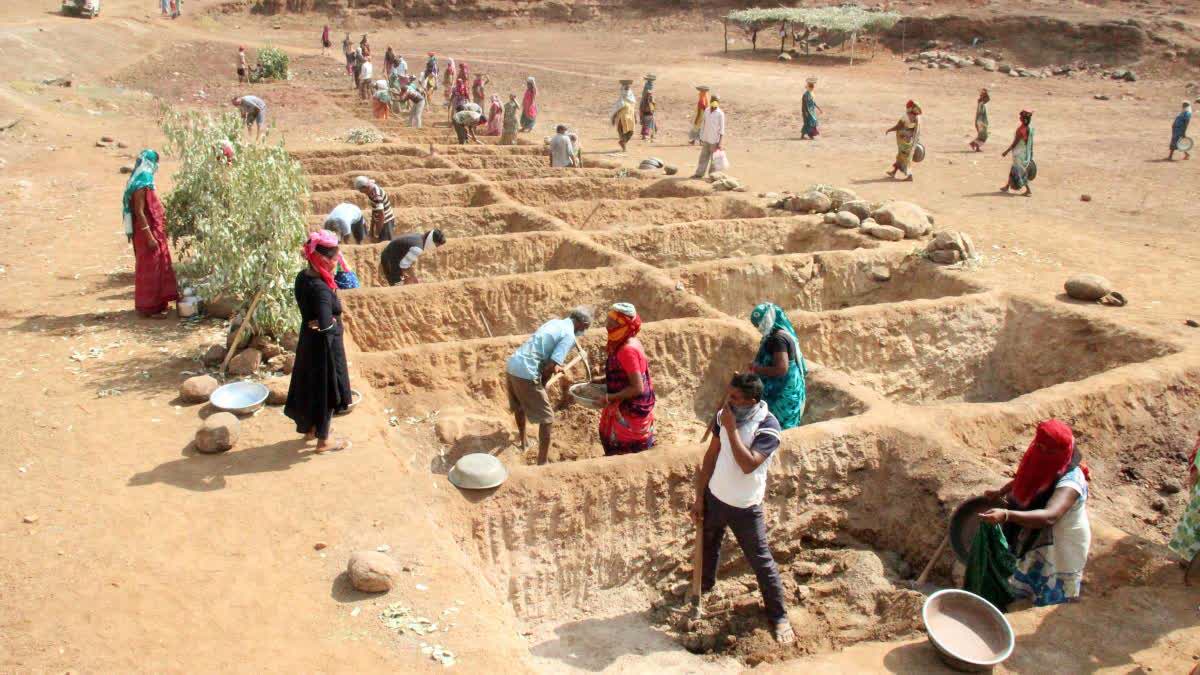
POLITICAL TENSIONS AND PUBLIC EXPECTATIONS
Political analysts predict that the session could be marked by a mix of legislative theatrics and genuine policy discussions. Opposition parties may attempt to mobilise public sentiment by highlighting alleged gaps or shortcomings in the scheme, while the government will focus on showcasing its commitment to job creation and economic development. The outcome of the session may influence public perception ahead of upcoming local body and assembly elections, raising the stakes for both sides.
Citizen groups and industry representatives have expressed keen interest in the debates, as the job scheme directly affects students, graduates, and young professionals across the State. Many stakeholders are awaiting clarity on eligibility criteria, application processes, and timelines for employment generation. Advocacy groups have also called for transparent monitoring mechanisms to ensure that the benefits reach intended beneficiaries.
The session is expected to test the balance between political contestation and constructive policymaking. While disagreements are natural in a vibrant democracy, observers emphasised the importance of focusing on practical solutions that address unemployment and skill development effectively. Both the government and opposition will need to navigate the session carefully to avoid procedural gridlock while ensuring accountability and debate.
Officials have also indicated that supplementary policies related to vocational training, apprenticeship programs, and private-sector collaboration may be discussed alongside the job scheme. These complementary measures are aimed at equipping the youth with the necessary skills to meet market demands and improve employability. By integrating such initiatives, the government hopes to present a comprehensive approach to tackling unemployment.
As Karnataka prepares for the legislative session, all eyes will be on how political parties engage with the new job scheme and other critical issues. The debates are likely to be closely followed by media, stakeholders, and citizens, reflecting the high public interest in employment, governance, and accountability. The session promises to be a defining moment in shaping the State’s policy direction and political narrative around youth employment and development.
Follow: Karnataka Government
Also read: Home | Channel 6 Network – Latest News, Breaking Updates: Politics, Business, Tech & More
