
The Karnataka Forest Department has captured the leopard suspected to be involved in the fatal attack on a devotee near the Male Mahadeshwara (M. M.) Hills temple region, bringing a measure of relief to residents and pilgrims who had been gripped by fear. The incident, which occurred in a forest-fringe area frequented by visitors, had triggered widespread concern about wildlife movement near human settlements. Forest officials said the animal was trapped after an intensive search and monitoring operation, carried out in coordination with local authorities and wildlife experts.
Authorities explained that the operation began immediately after the attack, with camera traps, tracking teams, and tranquilising experts deployed in the region. The forest terrain around M. M. Hills is dense and forms part of an ecologically sensitive wildlife corridor, making such operations both delicate and complex. Officials said that careful planning was required to ensure public safety while minimising stress and harm to other wildlife in the area. The leopard was eventually captured using a cage trap placed along a frequently used animal path.
The fatal incident had deeply shaken the local community and devotees visiting the temple, a popular pilgrimage site drawing thousands of visitors. Forest officials confirmed that the attack took place in an area where human movement intersects with wildlife habitats, particularly during early morning and late evening hours. Following the incident, authorities issued advisories urging pilgrims to avoid isolated forest paths and adhere strictly to designated routes.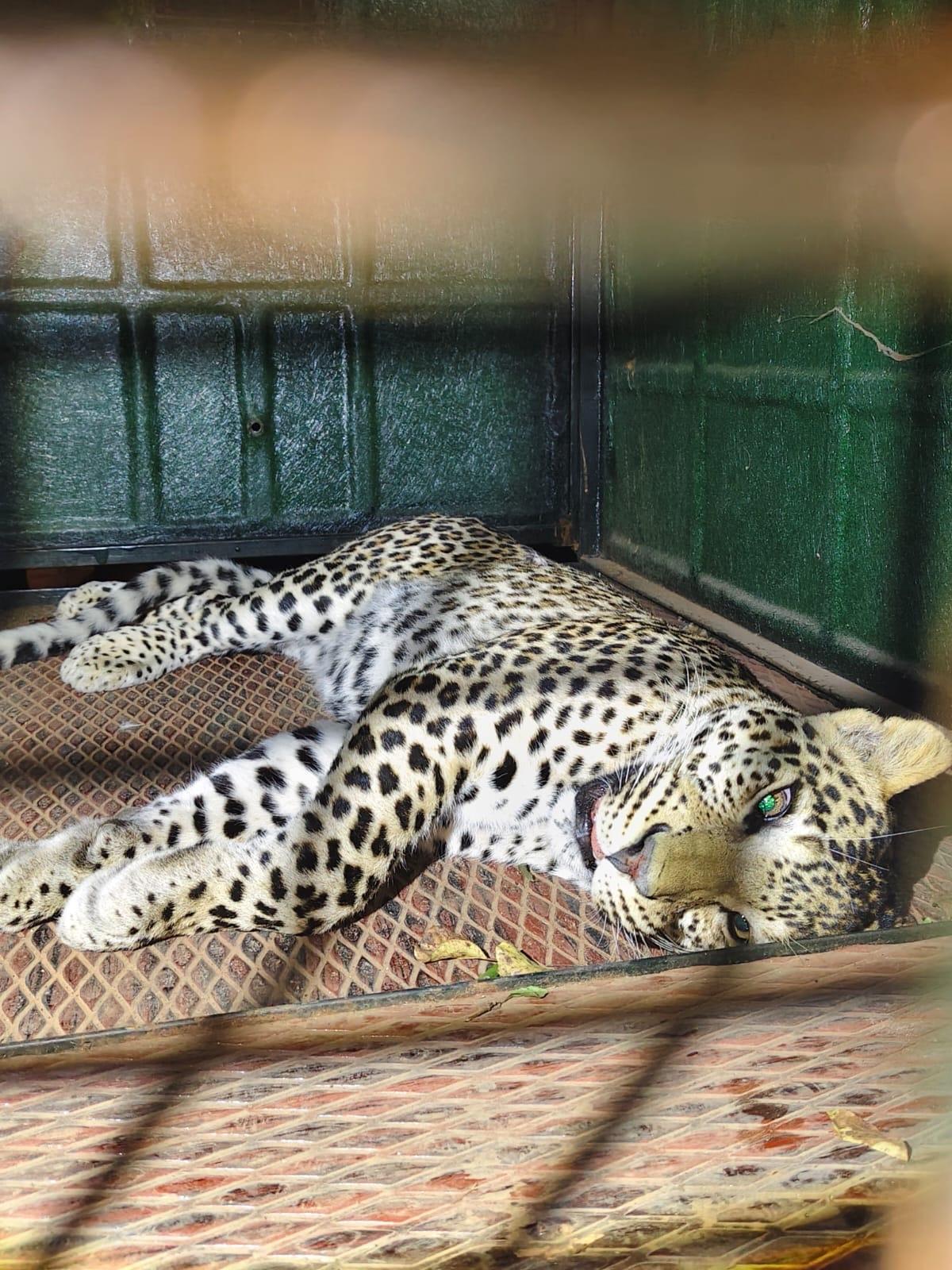
OPERATION AND SAFETY MEASURES
Forest department teams intensified patrolling and surveillance after the incident. Camera traps were set up at multiple points to track the leopard’s movements, and experts studied pugmarks and other signs to identify the animal. Officials said the leopard’s behavior suggested it had strayed closer to human activity, possibly due to habitat disturbances or prey scarcity. After several days of monitoring, the animal entered the trap set in a strategic location, allowing the team to secure it safely.
Once captured, the leopard was examined by veterinary staff to assess its health and condition. Officials stated that the animal would be relocated to a suitable habitat or held for observation as per wildlife management protocols. The department emphasised that the capture was carried out in line with conservation guidelines, ensuring that the animal was not harmed unnecessarily.
Authorities also stepped up safety measures around M. M. Hills, including increased forest patrols, awareness campaigns for pilgrims, and temporary restrictions in vulnerable zones. Signage warning visitors about wildlife presence has been reinforced, and local volunteers have been roped in to guide pilgrims safely through designated routes.
HUMAN–WILDLIFE CONFLICT CONCERNS
The incident has once again highlighted the growing issue of human–wildlife conflict in regions bordering forest areas. Experts noted that expanding human activity, pilgrimage traffic, and environmental changes can increase encounters between people and wild animals. Forest officials stressed the need for coordinated efforts involving conservation planning, habitat protection, and community awareness to reduce such risks in the future.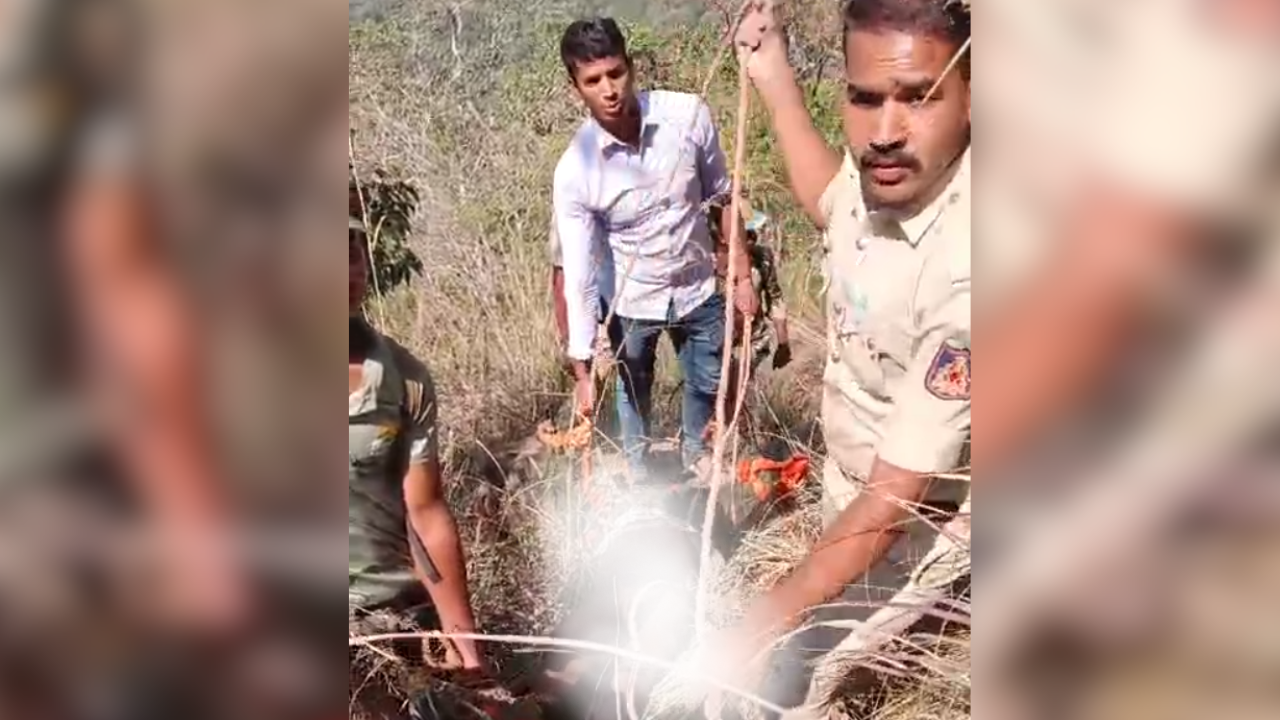
Local residents expressed relief at the leopard’s capture but also voiced concerns about recurring wildlife sightings near villages. Officials assured them that monitoring will continue and additional measures will be implemented to prevent further incidents. Compensation procedures for the victim’s family are also being processed in accordance with government norms.
The capture operation underscores the challenges faced by forest departments in balancing wildlife conservation with public safety. While authorities remain committed to protecting wildlife, they emphasised the importance of responsible behaviour by visitors in forested and pilgrimage regions. The M. M. Hills incident serves as a reminder of the delicate coexistence between humans and wildlife, and the need for vigilance, planning, and awareness to ensure safety for both.
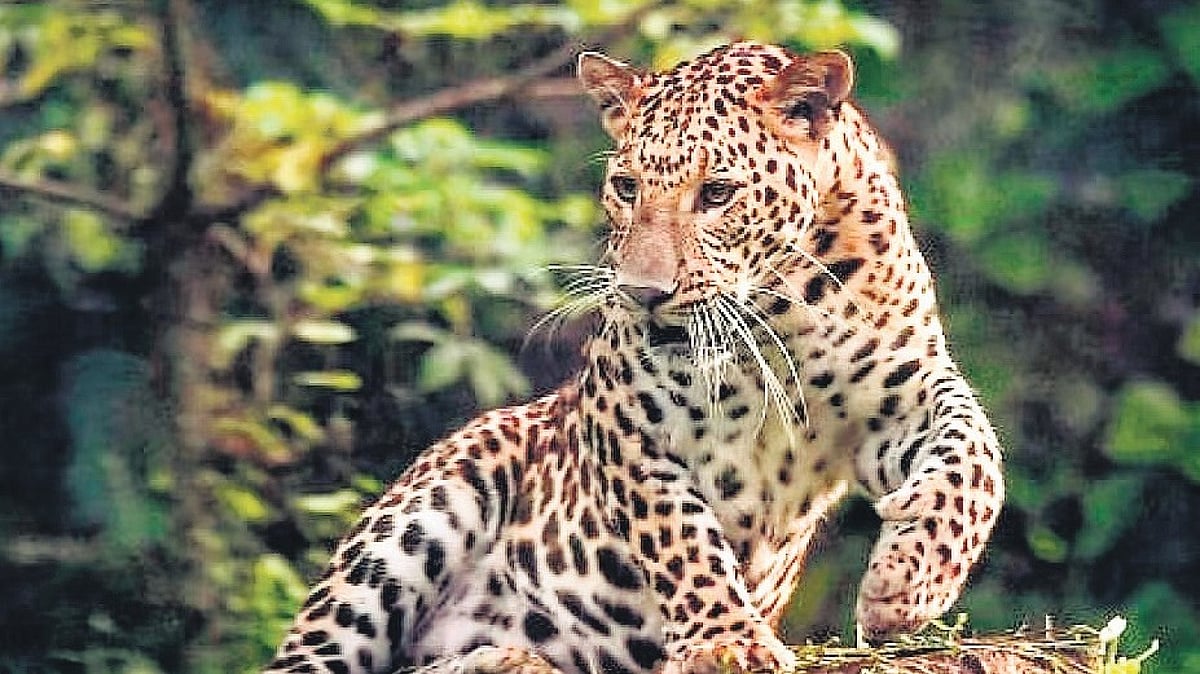
Forest officials stated that the leopard’s capture followed days of coordinated effort involving trackers, veterinarians, and rapid response teams trained in wildlife conflict management. Teams worked in shifts, monitoring movement patterns through camera traps and ground surveillance. The operation required patience, as officials had to ensure the correct animal was identified before setting the final trap. Experts noted that capturing the wrong animal can worsen conflict situations, so identification based on pugmarks, movement zones, and behavioural assessment was critical. The successful capture was described as a carefully executed intervention balancing urgency with adherence to wildlife protection norms.
Veterinary experts conducted a preliminary health check on the captured leopard to determine its age, physical condition, and any signs of injury or abnormal behaviour. Officials explained that animals involved in attacks are often stressed, injured, or displaced from their natural territory. The examination helps authorities decide whether the animal should be relocated deep into the forest, sent to a rescue centre, or kept under observation. Forest authorities clarified that such decisions are made scientifically, keeping both human safety and animal welfare in mind, under guidelines laid down for managing conflict-prone wildlife.
The Male Mahadeshwara Hills region forms part of a larger forest landscape that supports diverse wildlife, including elephants, leopards, deer, and smaller mammals. Wildlife experts pointed out that leopards are highly adaptable animals capable of living close to human settlements, especially where food sources like stray livestock or dogs are available. Increased human movement during pilgrimage seasons can heighten the chances of encounters. Experts stressed that such incidents often arise not from aggression but from surprise encounters, where the animal reacts defensively, underscoring the need for regulated human activity in forest-edge zones.
Authorities have urged devotees visiting the temple region to strictly follow safety advisories issued by the Forest Department. Visitors have been asked to avoid walking alone in forested stretches, especially during dawn and dusk when wildlife activity is higher. Loud noises, flash photography, and attempts to approach wild animals have been strongly discouraged. Officials also recommended that pilgrims travel in groups and use only designated pathways. Awareness announcements are being made through local volunteers and temple authorities to ensure that visitors understand the risks and cooperate with safety measures put in place.
Local communities living near the forest expressed mixed emotions following the incident. While there is relief that the leopard has been captured, fear persists about the possibility of other wild animals straying close to settlements. Residents have called for more frequent patrols, installation of solar-powered lights in vulnerable stretches, and improved early warning systems. Forest officials have assured villagers that conflict mitigation measures, including rapid response teams and awareness drives, will continue. Community participation, they said, is essential in reducing risky behaviour such as venturing into forests alone or leaving livestock unattended at night.
Officials acknowledged that habitat pressures and environmental changes contribute significantly to human–wildlife conflict. Fragmentation of forest corridors, depletion of prey species, and unregulated human activity can force animals to move into unfamiliar areas. Conservationists emphasised the need to strengthen habitat protection, restore degraded forest patches, and maintain wildlife corridors that allow animals to move safely without crossing human settlements. Long-term solutions, they noted, must go beyond reactive measures and focus on sustainable land-use planning that respects ecological boundaries while addressing local development needs.
The Forest Department has also begun reviewing surveillance systems in the M. M. Hills region. Plans include expanding the network of camera traps and exploring the use of technology such as drone monitoring in sensitive areas. These tools help track animal movement patterns and identify potential conflict zones early. Officials believe that timely data can enable preventive action, such as alerting local communities or temporarily restricting access to certain areas. Strengthening technological support is seen as a key step in enhancing both conservation outcomes and public safety in forest-adjacent pilgrimage destinations.
Compensation procedures for the victim’s family are being processed under existing government schemes for wildlife-related incidents. Officials said that while compensation cannot replace the loss of life, it serves as immediate support for affected families. Authorities also reiterated that such measures are part of a broader framework aimed at encouraging communities to coexist with wildlife rather than resorting to retaliatory actions. Awareness campaigns emphasise that protecting wildlife remains a legal and ecological priority, even as the government works to address safety concerns and reduce the risk of future incidents.
Wildlife experts highlighted the importance of public awareness in preventing similar tragedies. Educational outreach programs are being planned in nearby villages and schools to inform people about safe behaviour in forest areas. Topics include recognising animal signs, responding calmly during encounters, and promptly informing authorities about wildlife sightings. Experts noted that informed communities are better equipped to avoid risky situations and support conservation efforts. Such initiatives also help dispel myths and fear, replacing them with practical knowledge that benefits both people and wildlife in shared landscapes.
The capture of the leopard marks a crucial step in restoring a sense of security among devotees and residents, but officials stress that vigilance must continue. Human–wildlife interactions are an ongoing challenge in biodiverse regions like M. M. Hills. Authorities aim to combine enforcement, awareness, scientific management, and community cooperation to minimise future risks. The incident has served as a sobering reminder of the delicate balance between faith-based tourism and fragile ecosystems, reinforcing the need for responsible travel practices and sustained conservation efforts to ensure long-term coexistence.
Follow: Karnataka Government
Also read: Home | Channel 6 Network – Latest News, Breaking Updates: Politics, Business, Tech & More
