
Rajeev Kaul has been formally recognised as the co-founder of Aequs Limited, the Belagavi-based aerospace manufacturing company that has emerged as one of India’s most significant players in the global aerospace supply chain. The recognition underscores Kaul’s pivotal role in conceptualising, establishing, and scaling Aequs into an integrated aerospace ecosystem, transforming Belagavi into a manufacturing hub of international repute. The acknowledgement has renewed focus on the company’s origins and the vision that shaped its unique cluster-based manufacturing model.
Aequs Limited was founded with the ambition of creating an end-to-end aerospace manufacturing platform in India, capable of serving leading global original equipment manufacturers. Rajeev Kaul, along with other promoters, played a central role in shaping this ambition at a time when India’s aerospace manufacturing capabilities were still evolving. His contribution spanned strategic planning, industry partnerships, and the creation of a manufacturing ecosystem that brought together multiple suppliers within a single integrated campus.
The recognition comes at a time when Aequs has firmly established itself as a trusted supplier of precision components and assemblies to major aerospace companies worldwide. From its early days, the company differentiated itself through its emphasis on scale, efficiency, and vertical integration. Kaul’s approach focused on reducing costs and lead times by clustering suppliers, infrastructure, and logistics within one aerospace park, a model that was relatively new in the Indian context.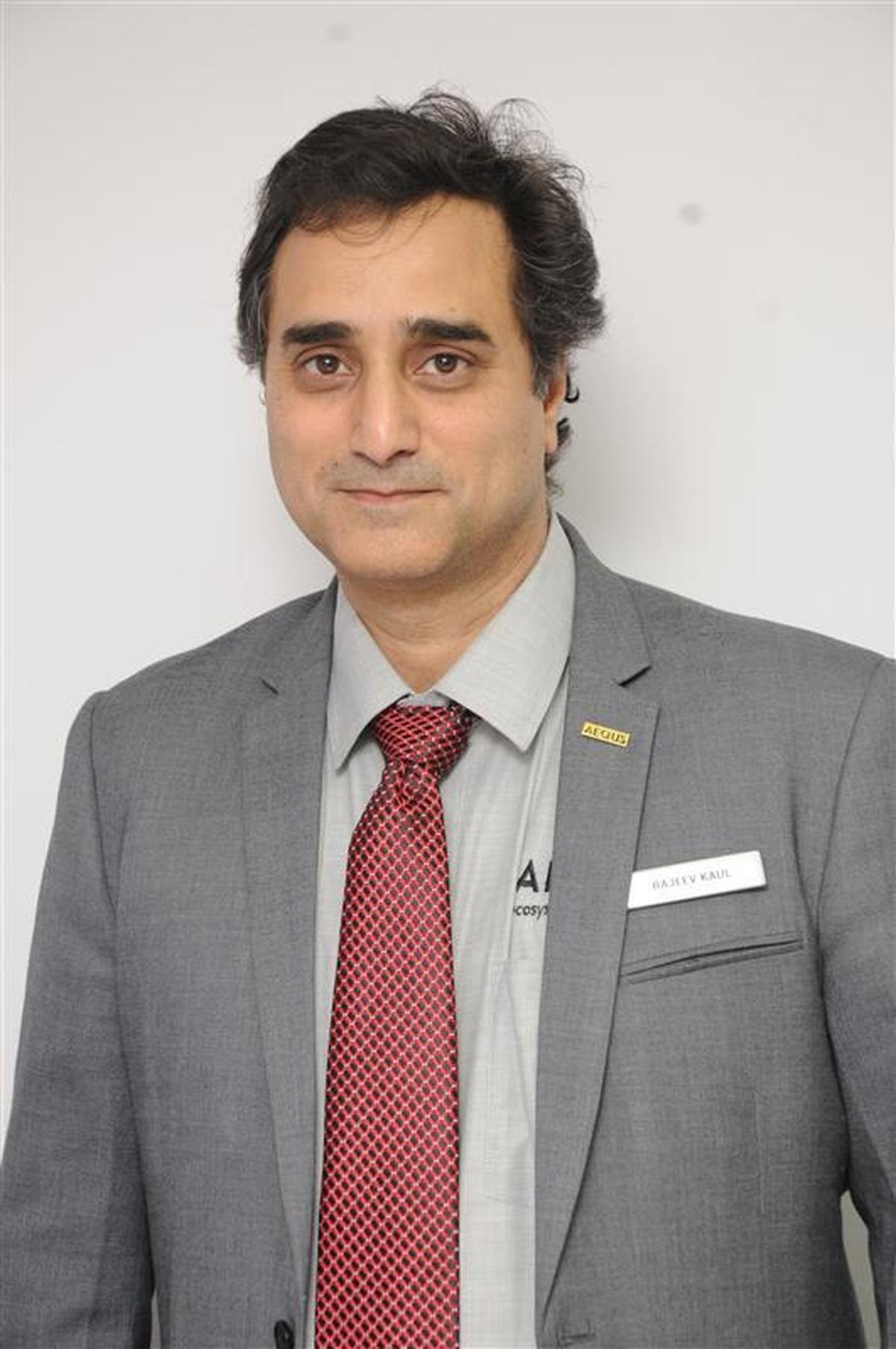
Industry observers note that this recognition is significant not just for Kaul personally, but also for the broader narrative of Indian aerospace manufacturing. It highlights the role of entrepreneurial leadership in bridging the gap between global demand and domestic capability, particularly in a sector traditionally dominated by established international players.
BUILDING AEQUS AND THE BELAGAVI AEROSPACE ECOSYSTEM
Rajeev Kaul’s association with Aequs dates back to its formative years, when the idea of setting up a large-scale aerospace manufacturing base outside traditional metropolitan centres was considered a bold risk. Belagavi was chosen strategically for its available land, skilled workforce potential, and supportive policy environment. Kaul was instrumental in engaging with stakeholders, including government agencies and international partners, to build confidence in the project.
Under this vision, the Aequs Aerospace Park in Belagavi evolved into India’s first precision aerospace manufacturing ecosystem of its kind. Instead of fragmented suppliers operating independently, the park brought multiple manufacturing processes under one umbrella, including forgings, machining, surface treatment, and assembly. This integration allowed Aequs to offer complete solutions rather than isolated components, significantly enhancing its value proposition to global clients.
Kaul’s leadership emphasised long-term capability building over short-term gains. Investments were directed towards advanced machinery, quality systems, and workforce training to meet stringent aerospace standards. This focus enabled Aequs to secure certifications and approvals required to supply to leading aircraft manufacturers, a milestone that marked India’s growing credibility in the global aerospace supply chain.
Local industry representatives credit this model with generating employment, skill development, and ancillary industries in and around Belagavi. Over time, the region transitioned from being relatively unknown in aerospace manufacturing to becoming a recognised hub, attracting attention from international delegations and investors.
IMPACT ON INDIA’S AEROSPACE AND MANUFACTURING SECTOR
The recognition of Rajeev Kaul as co-founder has also brought renewed attention to Aequs’ role in strengthening India’s aerospace manufacturing base. The company’s success is often cited as evidence that India can move beyond basic manufacturing to high-precision, high-value production for global markets. Analysts point out that Aequs’ integrated approach aligns closely with national objectives of boosting domestic manufacturing and exports.
By embedding global best practices into its operations, Aequs has contributed to raising industry benchmarks within India. Its engagement with global OEMs has facilitated technology transfer, exposure to advanced manufacturing processes, and adherence to rigorous quality norms. Kaul’s early insistence on building these capabilities from the ground up is widely seen as a key factor behind the company’s sustained growth.
The recognition has also been welcomed by industry bodies and policy observers, who see it as validation of entrepreneurial risk-taking in capital-intensive sectors. Aerospace manufacturing requires significant upfront investment and long gestation periods, making leadership vision and persistence critical. Kaul’s role in navigating these challenges has been highlighted as an example for emerging manufacturing entrepreneurs.
As India seeks to expand its footprint in aerospace, defence, and advanced manufacturing, the Aequs story continues to be referenced in policy discussions and industry forums. The formal acknowledgment of Rajeev Kaul’s co-founder status adds clarity to the company’s founding narrative and reaffirms the importance of individual vision in building globally competitive enterprises.
For Belagavi, the recognition carries symbolic weight. It reinforces the city’s position on the global aerospace map and highlights how regional centres can drive industrial transformation when backed by visionary leadership and sustained investment. As Aequs continues to expand its capabilities and global engagements, the recognition of its co-founder stands as a reminder of the foundational ideas and efforts that turned an ambitious concept into a manufacturing success story.
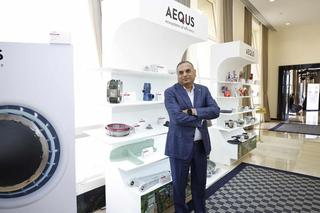
The recognition has also sparked renewed interest in the early challenges faced during Aequs’ establishment. In its formative years, the company had to overcome scepticism from global aerospace majors who were uncertain about India’s ability to deliver consistent quality at scale. Rajeev Kaul was closely involved in addressing these concerns through sustained engagement, transparency in processes, and a clear demonstration of long-term commitment. Industry insiders recall that building credibility was a gradual process, requiring repeated audits, strict compliance, and patience before major contracts were secured.
Observers note that Kaul’s background in global manufacturing and strategic leadership helped bridge cultural and operational gaps between Indian facilities and international clients. He emphasised aligning local operations with global expectations, ensuring that quality, safety, and delivery standards were non-negotiable. This approach helped Aequs position itself not merely as a low-cost supplier, but as a reliable long-term partner. Over time, this strategy paid dividends as repeat orders and deeper collaborations began to materialise.
The co-founder recognition has also highlighted the importance of collaborative leadership in large industrial ventures. Those familiar with Aequs’ journey say Kaul consistently advocated teamwork across engineering, operations, and management functions. Rather than centralising decision-making, the leadership model encouraged accountability at multiple levels. This culture, employees say, fostered innovation and problem-solving on the shop floor, enabling the company to meet demanding timelines and technical specifications.
From a policy perspective, Aequs is often cited as a case study in how industrial clusters can accelerate regional development. Rajeev Kaul’s role in engaging with policymakers helped align infrastructure, training, and regulatory support with industry needs. The Belagavi aerospace cluster benefited from coordinated efforts in skill development, logistics planning, and industrial zoning. Experts argue that such alignment is crucial for replicating similar manufacturing ecosystems elsewhere in the country.
The recognition has been welcomed by the local workforce, many of whom see Kaul as instrumental in creating stable, high-quality employment opportunities. Employees point out that Aequs invested heavily in training programmes to build aerospace-specific skills among local youth. This focus on human capital development not only strengthened the company’s capabilities but also contributed to long-term socio-economic growth in the region. For many families, aerospace manufacturing became a viable career path for the first time.
Industry analysts believe that formally acknowledging Kaul’s co-founder role adds institutional clarity as Aequs continues to evolve. Clear recognition of founding leadership helps preserve corporate history and ensures that strategic decisions are understood in the context of original vision. As the company expands into new verticals and markets, this clarity is seen as important for maintaining continuity and coherence in long-term planning.
The timing of the recognition is also seen as significant amid India’s growing emphasis on aerospace and defence manufacturing. With global supply chains diversifying and countries seeking reliable partners, companies like Aequs are positioned to benefit. Kaul’s early foresight in building scale and integration is now viewed as particularly relevant, as international customers look for suppliers capable of handling complex, high-volume programmes.
Business historians note that industrial success stories often gain sharper definition when founding roles are clearly articulated. In Aequs’ case, recognising Rajeev Kaul as co-founder strengthens the narrative of entrepreneurial vision combined with execution. It underscores how leadership decisions taken years ago continue to shape outcomes today. Such recognition also serves as an institutional memory for future leadership and stakeholders.
The acknowledgment has also triggered conversations within academic and management circles about leadership in manufacturing-led growth. Kaul’s journey is increasingly referenced in discussions on how Indian entrepreneurs can compete globally in capital-intensive sectors. His emphasis on ecosystem-building rather than isolated enterprise is seen as a key differentiator that others can learn from.
As Aequs looks ahead to expansion and deeper global integration, the recognition of Rajeev Kaul’s role serves as both a milestone and a reminder. It marks how far the company has come while reaffirming the principles that guided its formation. For Belagavi, for Indian manufacturing, and for aspiring industrial leaders, the story reinforces a central idea: sustained vision, backed by execution, can transform regions and industries alike.
Follow: Karnataka Government
Also read: Home | Channel 6 Network – Latest News, Breaking Updates: Politics, Business, Tech & More
