
Rising Concerns Over Illegal Deforestation
Authorities in Bengaluru have filed a second First Information Report (FIR) against the Embassy Group for allegedly cutting down trees in the Kadugodi forest area without proper approvals. The incident comes after the company faced earlier scrutiny over similar activities in the ecologically sensitive zone. Forest officials and environmental activists have expressed serious concerns about the cumulative impact of such actions on local biodiversity and the urban ecosystem. Legal experts note that repeated violations could attract stringent penalties under the Forest Conservation Act and related environmental laws, as urban forests continue to face pressure from rapid development projects.
The recurring tree-felling incidents in Kadugodi have prompted calls for a stricter regulatory framework to monitor urban green zones. Experts argue that satellite-based tracking and regular inspections could help identify illegal encroachments early. Civil society groups have also demanded that a public portal be established, allowing citizens to report unauthorized activities in forested areas. This move, they say, would complement government efforts and increase transparency. By involving communities in monitoring, authorities can create a collaborative approach to urban forest protection, making it harder for developers to bypass environmental safeguards without facing immediate scrutiny.
Urban planning authorities have come under scrutiny as the Kadugodi incident highlights gaps in the enforcement of environmental clearances. Critics say that while laws exist on paper, enforcement at the ground level remains inconsistent. Multiple layers of approvals from municipal corporations, state departments, and the Forest Department can sometimes create loopholes, which developers exploit. Environmentalists have urged authorities to streamline and tighten these processes, ensuring that no construction activity proceeds without verified approvals. They also emphasise the importance of clear demarcation of forest boundaries to prevent accidental or intentional encroachments by private parties.
Local residents near Kadugodi have expressed anger and frustration over repeated environmental violations. Many fear that continued deforestation will disrupt the ecological balance, leading to increased flooding during monsoons and rising temperatures in the area. Community members have initiated petitions demanding immediate action, including restoration of lost green cover and strict punishment for the developers. Some resident associations have also started planting saplings in nearby areas to mitigate the damage. Residents insist that their voices should play a decisive role in urban development decisions, arguing that long-term environmental sustainability must outweigh short-term commercial interests.
The environmental impact of the tree felling goes beyond aesthetics, affecting local biodiversity. Kadugodi forest is home to birds, small mammals, and numerous plant species, many of which rely on the area as a habitat corridor connecting larger forest patches. Loss of trees disrupts these ecosystems, affecting breeding patterns, food sources, and natural shelter. Conservationists warn that repeated felling without restoration threatens to create isolated green patches, reducing the resilience of the urban forest network. They advocate for immediate afforestation efforts to restore the ecological functions of the area, alongside legal accountability for the developers.
Legal experts note that repeated FIRs against the same developer strengthen the government’s case in court. The Forest Conservation Act, 1980, allows authorities to impose fines, initiate criminal proceedings, and even halt ongoing projects if violations are established. Additionally, the Karnataka Preservation of Trees Act mandates penalties for cutting trees without permission in urban areas. Analysts believe that persistent non-compliance could set a legal precedent, reinforcing the principle that developers cannot flout environmental laws with impunity. This case may also encourage other states to adopt stricter monitoring mechanisms to prevent similar violations in urban forested areas.
The Embassy Group’s legal team has stated that they are reviewing the allegations and will respond to the FIRs in accordance with the law. While cooperation with authorities has been emphasized, environmentalists remain wary due to the recurrence of the violation. Transparency in reporting, detailed documentation of any approvals obtained, and adherence to court directives will likely be crucial in determining the outcome. Legal observers believe that the developer’s response, combined with ongoing investigative efforts by the Forest Department, will set the tone for how similar cases involving high-profile developers are handled across Karnataka.
Experts in urban ecology argue that the Kadugodi case highlights a larger challenge facing Bengaluru: the rapid urbanisation of ecologically sensitive zones. With rising real estate demand, forested and green areas often come under pressure from construction projects. Environmentalists emphasise that city planning must integrate green infrastructure preservation, including parks, tree-lined streets, and urban forests, into the regulatory framework. Without proactive measures, the city risks long-term environmental degradation, including worsening air quality, heat islands, and reduced groundwater recharge. The FIR serves as a reminder of the need for a balanced approach between urban growth and ecological sustainability.
The Karnataka Forest Department has also indicated plans to implement stricter monitoring of all forested areas adjacent to urban developments. This includes regular ground inspections, mapping of high-risk zones, and coordination with municipal authorities to track unauthorized activities. Officials are considering technology-driven solutions such as drone surveillance and GIS-based monitoring to complement human inspection. By ensuring continuous vigilance, the department aims to prevent similar incidents in other regions, making urban forests less vulnerable to exploitation. These measures reflect a growing emphasis on proactive conservation rather than reactive enforcement after violations occur.
Public sentiment regarding the FIR has been largely supportive, with citizens expressing relief that authorities are taking action against repeated violations. Social media discussions highlight widespread concern for Bengaluru’s dwindling green cover and the need for accountability in urban development projects. Many environmental groups have called for a restoration plan for Kadugodi forest, including replanting native species and creating community awareness programmes. Citizens also expect timely updates on the investigation and transparent disclosure of penalties imposed. The public response underscores the increasing role of citizen engagement in shaping environmental governance in rapidly urbanising cities.
The Kadugodi FIR incident may also influence policy discourse at the state level. Lawmakers and environmental committees are expected to review urban forestry policies and examine the adequacy of existing penalties. Analysts suggest that recurring violations could accelerate legislative reforms to impose stricter penalties, faster judicial processes, and mandatory restoration obligations for developers. The case exemplifies the tension between commercial expansion and ecological preservation, and how public pressure, legal frameworks, and vigilant authorities together determine the fate of urban forests. For Kadugodi, the second FIR sends a strong signal that repeated environmental violations will not be tolerated.
The Kadugodi forest, a patch of green in East Bengaluru, plays a crucial role in maintaining the city’s ecological balance, acting as a carbon sink, habitat for local wildlife, and buffer against rising urban temperatures. Residents have long complained about illegal encroachments and tree felling in the area, noting that it exacerbates air pollution and reduces green cover. Environmentalists argue that unchecked development in and around forests not only threatens flora and fauna but also increases the risk of soil erosion, flooding, and loss of natural beauty in the rapidly urbanising region.
Regulatory Oversight and Legal Implications
The Karnataka Forest Department confirmed that preliminary investigations indicate the Embassy Group carried out the felling without mandatory permissions from state authorities. Officials said that a detailed survey will be conducted to estimate the number of trees felled and the corresponding ecological damage. The FIR notes that prior permissions are required for any construction or land modification in forest areas, and violations can lead to imprisonment and hefty fines. Legal analysts have highlighted that repeated FIRs against a single developer set a precedent, signalling increased vigilance by authorities in protecting Bengaluru’s remaining forested areas.
Local environmental groups have escalated the matter, demanding stricter monitoring and immediate restoration of the damaged area. They argue that corporate accountability is essential, especially in cases where urban expansion encroaches on protected zones. Proposals include imposing compensation charges, reforestation drives, and ensuring that no further construction activities commence until legal compliance is fully verified. Activists also emphasise the importance of transparency, urging public access to documents detailing environmental clearances and project approvals.
The second FIR comes amid a larger debate on Bengaluru’s urban planning policies, which critics claim favour commercial development over ecological conservation. Experts warn that repeated encroachments and weak enforcement could irreversibly damage urban forests, which are vital for groundwater recharge, air quality, and maintaining biodiversity. The Kadugodi incident has reignited public discourse on sustainable city planning, highlighting the need for stronger checks and balances to prevent exploitation of green zones by private developers.
Forest officials have assured citizens that the investigation will be thorough and that measures will be taken to prevent recurrence. Satellite imagery and on-ground surveys are being employed to identify any further illegal activities, while legal teams are preparing to challenge the developer in court if required. Authorities have also signalled that penalties could include not just fines but restrictions on future projects, making adherence to environmental norms a mandatory requirement for all developers operating in sensitive zones.
The Embassy Group, for its part, has stated that it is cooperating with the authorities and reviewing the allegations. Corporate representatives emphasised that any discrepancies would be addressed in accordance with legal and environmental requirements. However, activists remain sceptical, pointing to the recurrence of such incidents as indicative of systemic negligence or prioritisation of profit over ecological responsibility. The ongoing legal scrutiny has drawn attention from media, residents’ associations, and urban planners who are advocating for a more balanced approach to development.
Environmentalists see the Kadugodi case as a microcosm of a larger urban challenge in Bengaluru, where rapid real estate growth often clashes with ecological preservation. They stress that unless stricter enforcement and public oversight are implemented, urban forests across the city may continue to shrink. Community-driven monitoring, in combination with regulatory action, is seen as crucial to safeguarding these green spaces for future generations. The second FIR is thus being hailed as a necessary step to reinforce the message that forest laws will be enforced rigorously, irrespective of developer stature.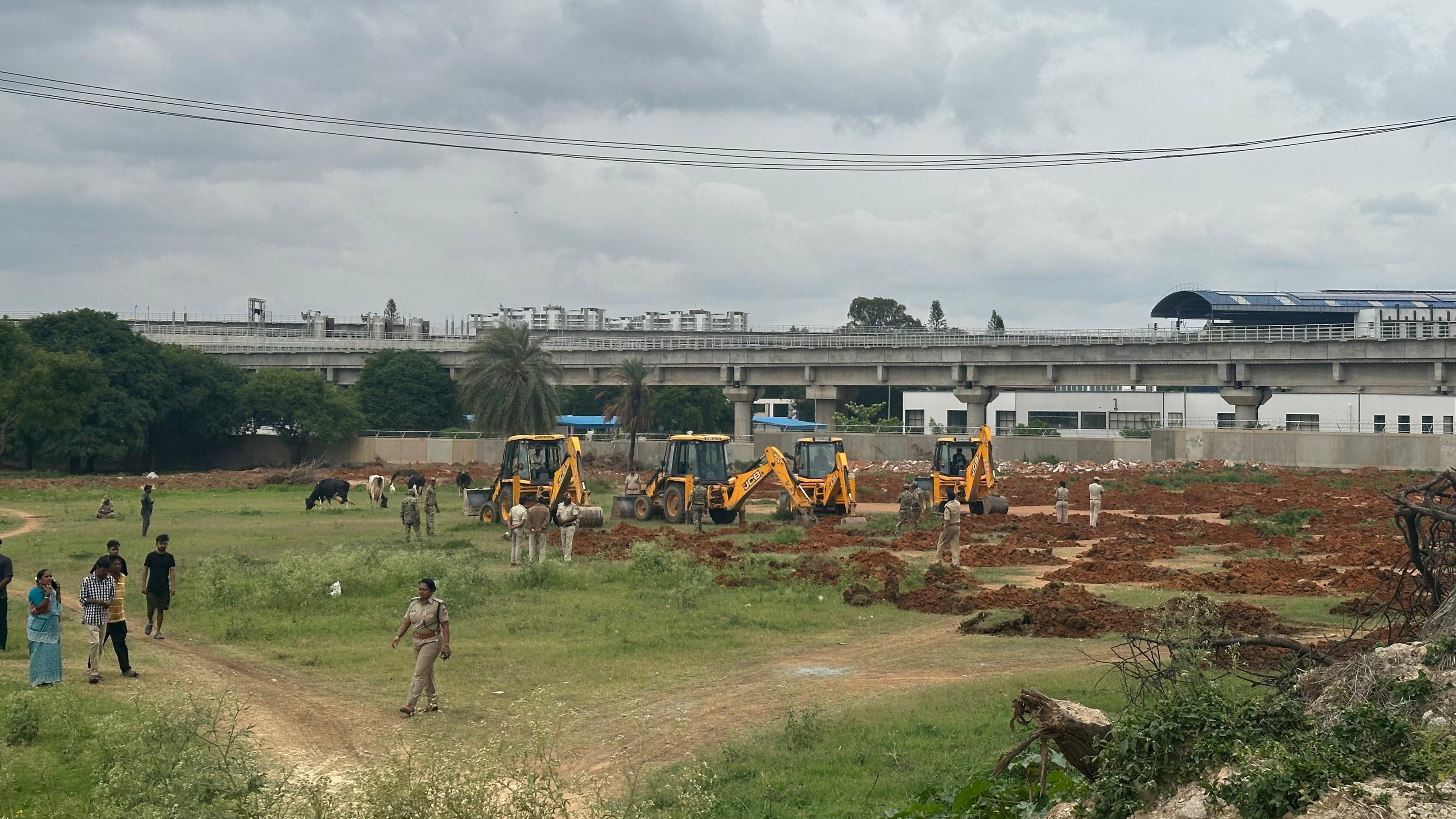
Follow: Karnataka Government
Also read: Home | Channel 6 Network – Latest News, Breaking Updates: Politics, Business, Tech & More
