
Karnataka Governor Thaawarchand Gehlot has kept the contentious hate speech Bill passed by the State legislature “under consideration” while returning two other Bills to the government seeking clarifications, triggering fresh political debate over the role of the Raj Bhavan and the growing friction between the elected government and the constitutional head. The Governor’s decision, communicated to the State government, has once again brought into focus questions surrounding legislative intent, constitutional scrutiny, and the boundaries of gubernatorial discretion.
According to official sources, the Governor has neither given assent nor outrightly withheld approval to the hate speech Bill, choosing instead to examine it in detail. Meanwhile, two other Bills have been sent back to the government with specific queries, asking the administration to clarify certain provisions and their legal implications. The move has drawn sharp reactions from the ruling Congress, which sees it as an unnecessary delay, while the opposition has defended the Governor’s action as a legitimate constitutional safeguard.
Legal Community Watches Closely
Members of the legal fraternity in Karnataka are closely watching how the situation unfolds, as the Governor’s actions could set an important precedent. Senior advocates have pointed out that keeping a Bill under prolonged consideration without communicating detailed reasons may invite judicial scrutiny. They argue that transparency in the exercise of gubernatorial discretion is essential to maintain public trust. At the same time, they acknowledge that the Governor is duty-bound to ensure that legislation conforms to constitutional principles. The unfolding developments, they say, could further clarify the fine balance between constitutional caution and legislative urgency.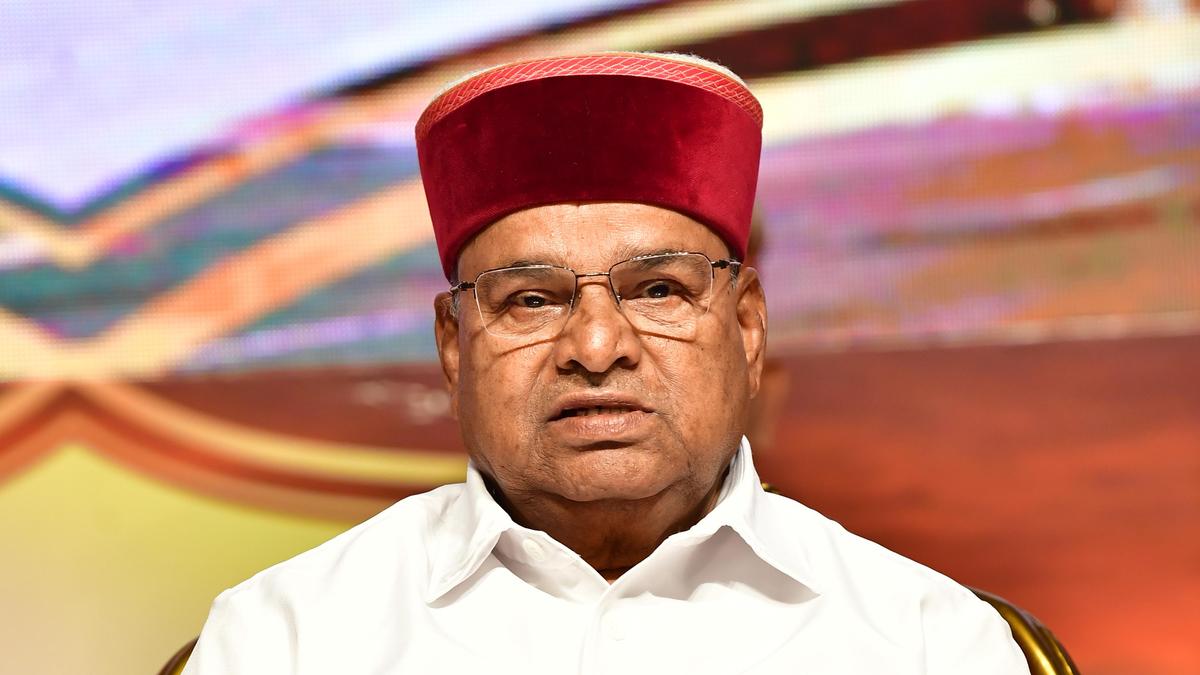
Civil Society Voices Concern
Several civil society organisations have expressed concern over both the substance of the hate speech Bill and the delay in its clearance. While some groups support stricter regulation to curb inflammatory speech and protect vulnerable communities, others fear that vague definitions could lead to arbitrary enforcement. These organisations have urged the government to clearly spell out safeguards against misuse. They have also called upon the Governor to communicate his objections in a detailed manner, arguing that an open constitutional dialogue is healthier than prolonged silence or ambiguity.
Opposition Sees Validation
The opposition has seized upon the Governor’s decision as validation of its criticism of the government’s legislative agenda. BJP leaders have said the return of two Bills for clarification indicates flaws that were overlooked during Assembly debates. They have accused the ruling party of pushing through legislation without adequate legal vetting. According to them, the Governor’s intervention reflects the necessity of an independent constitutional authority acting as a corrective mechanism. The opposition has also demanded that the government place the Governor’s queries in the public domain for transparency.
Congress Accuses Political Motive
The ruling Congress, however, has continued to allege political motives behind the Governor’s actions. Party leaders argue that similar Bills passed in BJP-ruled States have not faced such prolonged scrutiny. They claim that the Raj Bhavan is being used to indirectly influence State policy and slow down governance. Congress leaders have warned that repeated delays could erode the spirit of federalism. They insist that disagreements over policy should be resolved on the floor of the legislature, not through extended constitutional holds.
Administrative Uncertainty Persists
From an administrative standpoint, the lack of clarity over the fate of the Bills has created uncertainty within government departments. Officials responsible for implementing provisions linked to the returned Bills say planning remains on hold until a final decision is taken. This has affected timelines and internal coordination, particularly in departments dealing with regulatory and enforcement mechanisms. Bureaucrats note that while constitutional scrutiny is necessary, prolonged indecision disrupts governance and complicates accountability, as officials remain unsure whether to prepare for implementation or revision.
Comparisons With Other States
Political analysts have drawn parallels between Karnataka’s situation and similar standoffs in States such as Tamil Nadu, Kerala, and Telangana. In several instances, delays in gubernatorial assent have led to Supreme Court interventions and sharper guidelines on constitutional conduct. Analysts say Karnataka could be headed towards a similar phase if the impasse continues. They point out that the growing frequency of such disputes reflects deeper structural tensions in India’s federal framework, particularly when different parties rule at the Centre and in the States.
Scope for Reconsideration
There is also discussion within government circles about the option of re-passing the Bills if they are formally returned for reconsideration. Constitutional provisions allow a Bill to be sent back to the Governor after reconsideration, following which assent is generally expected. Ministers say this route may be explored if clarifications sought by the Governor are addressed without altering the core intent of the legislation. Such a move, however, would require renewed debate and political consensus within the Assembly, potentially reopening contentious issues.
Awaiting the Next Move
As matters stand, all eyes are on the next communication from the Raj Bhavan. Whether the Governor provides detailed objections, grants assent, or seeks further explanations will determine the course of action for the government. The episode has already reignited a wider conversation on constitutional roles, democratic mandate, and the limits of discretion. Until a final decision emerges, the Bills remain in limbo, symbolising the continuing tension between elected authority and constitutional oversight in Karnataka’s governance landscape.
Hate Speech Bill Under Scrutiny
The hate speech Bill, which aims to regulate and penalise speech deemed inflammatory or divisive, has been one of the most debated pieces of legislation passed by the current government. The State government has argued that the Bill is necessary to maintain communal harmony and prevent the spread of hatred through public speeches and digital platforms. It has maintained that existing laws are inadequate to deal with the evolving nature of hate speech and misinformation.
However, legal experts and civil liberties groups have raised concerns over potential misuse and the possibility of curbing free speech. These apprehensions appear to have weighed on the Governor’s mind as well. By keeping the Bill under consideration, the Governor has signalled that he intends to carefully assess whether the proposed law aligns with constitutional guarantees, particularly the right to freedom of speech and expression. The absence of a clear timeline for a final decision has added to the uncertainty surrounding the Bill’s future.
Two Bills Returned for Clarification
Alongside the hate speech Bill, the Governor has returned two other Bills passed by the legislature, asking the government to clarify certain aspects. While the Raj Bhavan has not publicly detailed all the objections, sources indicate that the queries relate to the scope of executive power, financial implications, and possible overlap with existing Central laws. The government has been asked to re-examine specific clauses and respond with explanations or modifications.
From the State’s perspective, this is not the first instance of Bills being sent back for reconsideration. Ministers have pointed out that while the Constitution allows the Governor to seek clarifications, repeated delays undermine the legislative authority of an elected government. They argue that once a Bill has been debated and passed by the Assembly, prolonged scrutiny without clear reasons amounts to stalling governance.
Political Reactions Intensify
The Governor’s decision has sparked strong political reactions across the spectrum. Senior Congress leaders have accused the Raj Bhavan of selectively delaying Bills passed by non-BJP governments, alleging a pattern of interference that goes beyond constitutional propriety. They have reiterated that the Governor is bound to act on the aid and advice of the Council of Ministers, except in exceptional circumstances.
On the other hand, the Bharatiya Janata Party has welcomed the Governor’s move, stating that constitutional authorities have a duty to ensure that laws do not infringe upon fundamental rights or federal principles. BJP leaders have argued that the hate speech Bill, in particular, requires careful examination as it could be misused to target political opponents and dissenting voices.
Constitutional Space and Governor’s Role
The episode has revived a broader debate on the role of Governors in India’s federal structure. Constitutional experts note that Governors are empowered to either give assent, withhold assent, or return a Bill for reconsideration. However, the Constitution does not prescribe a strict deadline for such decisions, creating scope for prolonged delays.
Legal scholars have pointed out that the Supreme Court has, in several judgments, emphasised that Governors should act within a reasonable timeframe and not sit indefinitely on Bills. The current situation in Karnataka, they say, mirrors similar confrontations in other States, where friction between elected governments and Governors has escalated into constitutional disputes.
Government Weighs Its Options
Within the State government, discussions are reportedly underway on how to respond to the Governor’s queries. Ministers have indicated that detailed replies will be sent to the Raj Bhavan, addressing each clarification sought. At the same time, there is a growing sentiment within the ruling party that repeated delays may require a political and legal response, including the possibility of approaching the courts if the Bills continue to remain in limbo.
The Chief Minister has maintained that the government respects constitutional processes but expects timely decisions. He has reiterated that the hate speech Bill was framed after extensive consultation and debate, and that the government remains confident of its constitutional validity.
Broader Implications for Governance
The delay in clearing Bills has practical implications as well. Several provisions contained in the returned Bills are linked to administrative reforms and policy implementation. Any prolonged uncertainty affects the functioning of departments and the execution of welfare measures, officials have noted. This has added urgency to the government’s efforts to resolve the impasse.
At the same time, the Governor’s stance underscores the importance of constitutional checks and balances. Supporters of the Raj Bhavan’s approach argue that legislative enthusiasm must be tempered with constitutional caution, especially when laws touch upon sensitive issues like free speech and civil liberties.
A Test of Federal Balance
As Karnataka awaits the Governor’s final decision, the situation has become a test case for Centre-State relations and the delicate balance of federal power. The coming weeks are expected to see intense exchanges between the government and the Raj Bhavan, with each side asserting its interpretation of constitutional duty.
Whether the hate speech Bill eventually receives assent, is returned for reconsideration, or is referred for further legal examination will have significant ramifications, not just for Karnataka but also for other States considering similar legislation. For now, the Governor’s decision to keep the Bill under consideration has ensured that the debate over constitutional authority and democratic mandate remains firmly in the public spotlight.
Follow: Karnataka Government
Also read: Home | Channel 6 Network – Latest News, Breaking Updates: Politics, Business, Tech & More
