
A recent High Court order concerning bike taxi operations has drawn a positive response from aggregators, riders, and daily commuters, who see the development as a step toward clarity and continuity in urban mobility. The decision has been viewed as crucial in addressing uncertainties that had affected thousands of gig workers and lakhs of passengers dependent on affordable last-mile transport. Stakeholders said the order brings regulatory direction while allowing services to function, offering relief to riders whose livelihoods depend on app-based bike taxi platforms operating across Karnataka’s cities.
Bike taxi aggregators said the court’s intervention recognises the importance of evolving mobility solutions in congested urban centres. They noted that bike taxis have become an essential mode of transport, particularly for short-distance travel and first- and last-mile connectivity. Representatives of major platforms stated that the ruling encourages them to continue engaging with authorities to ensure compliance with safety, licensing, and operational norms. They added that clear legal guidance is vital for planning investments, rider welfare initiatives, and service expansion.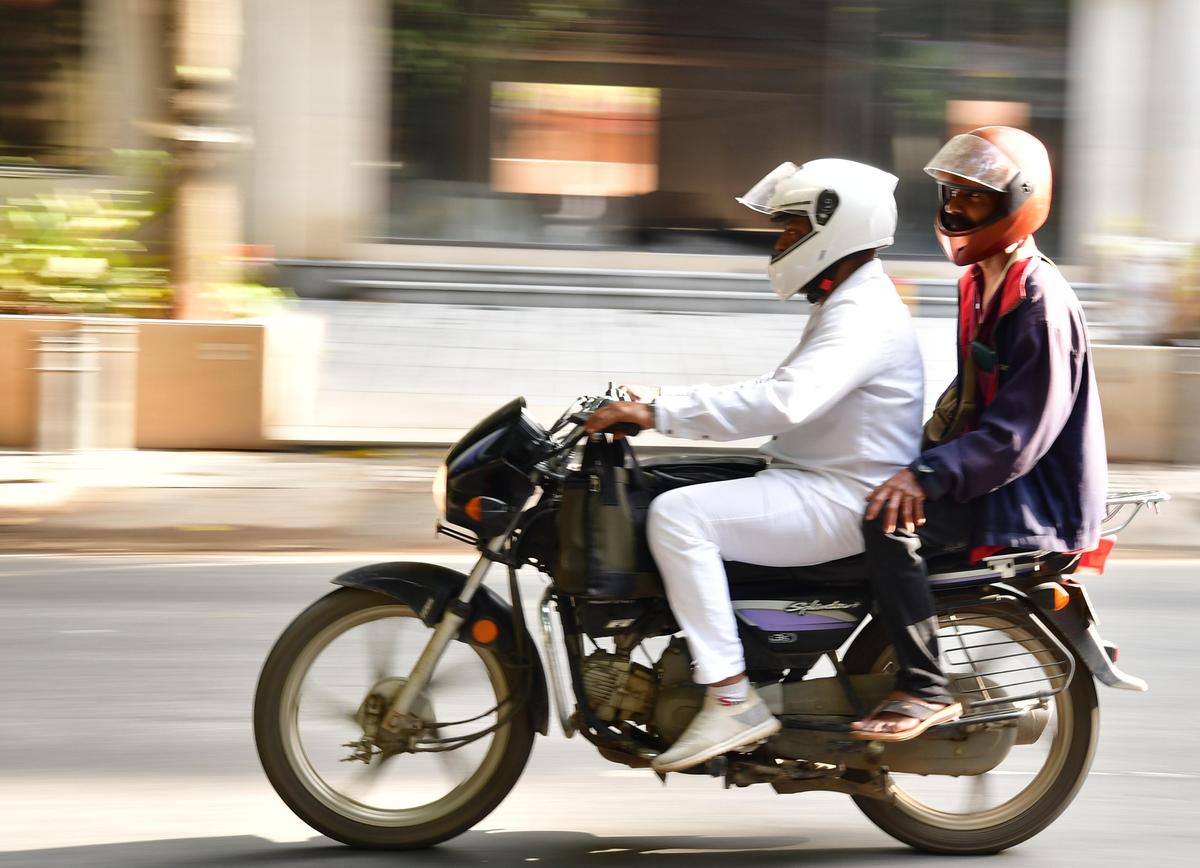
Riders working with bike taxi platforms expressed relief, stating that regulatory uncertainty had created anxiety about income stability. Many riders depend on the service as a primary or supplementary source of earnings, particularly in a challenging employment market. They said the High Court’s direction provides hope for a stable framework that allows them to work without fear of sudden enforcement actions. Rider groups also urged the government to introduce clear policies covering insurance, safety training, and social security benefits.
COMMUTERS HAIL AFFORDABLE MOBILITY OPTION
Commuters welcomed the development, saying bike taxis offer a faster and more economical alternative in traffic-heavy cities like Bengaluru, Mysuru, and Mangaluru. Office-goers, students, and delivery workers rely on bike taxis to navigate narrow roads and peak-hour congestion. Many passengers said the service helps them reach metro stations, bus stops, and workplaces on time. The court’s order, they noted, ensures continuity of a transport option that has become part of daily urban life.
Urban mobility experts observed that bike taxis play a significant role in reducing travel time and supplementing public transport networks. They said encouraging regulated bike taxi operations can improve connectivity while easing pressure on roads. However, they emphasised that safety standards, rider training, and proper enforcement of traffic rules must remain priorities. A balanced approach, they noted, would allow innovation while protecting public interest.
CALL FOR CLEAR REGULATORY FRAMEWORK
Following the order, stakeholders have called on the State government to frame comprehensive guidelines for bike taxi operations. Aggregators said they are ready to cooperate on licensing requirements, safety features such as helmets for passengers, and data-sharing norms. Riders have requested welfare measures, including accident insurance and grievance redressal mechanisms. Commuter groups stressed the need for affordable fares and service reliability.
Officials indicated that discussions on regulatory measures are ongoing, with the aim of balancing innovation, employment, and safety. The High Court’s order is being seen as an opportunity to formalise the sector and integrate it into the broader urban transport ecosystem. As stakeholders await detailed policy directions, the overall sentiment remains optimistic that bike taxis will continue serving as a vital mobility link for Karnataka’s growing cities.
Aggregators said the High Court order has restored operational confidence at a time when the urban mobility sector is undergoing rapid change. They noted that app-based platforms have invested significantly in technology, safety features, and rider onboarding systems. Sudden regulatory uncertainty in the past had affected planning and expansion strategies. With judicial clarity, companies believe they can better coordinate with transport authorities and improve service standards. Representatives added that predictable regulations help platforms implement long-term rider welfare measures, upgrade digital infrastructure, and ensure compliance without disrupting services that thousands of daily users rely upon.
Riders highlighted that many individuals joined bike taxi services after losing jobs during economic slowdowns or seeking flexible work options. The model allows them to earn while managing other responsibilities such as studies or family duties. They said the court’s order reduces the fear of penalties or service suspensions that previously affected daily earnings. Rider associations emphasised that stability in policy can improve morale and allow workers to focus on safe driving and customer service. They also reiterated demands for clearer welfare frameworks, including insurance coverage and support during medical emergencies.
Commuters pointed out that bike taxis have become indispensable in cities struggling with traffic congestion and limited parking. Passengers often choose two-wheeler rides to cover short distances quickly, especially when public transport schedules do not align with their needs. Many users said the service bridges connectivity gaps, linking residential areas with major transit hubs. They described the High Court’s direction as supportive of practical, commuter-centric transport solutions. Some added that the affordability of bike taxis makes them particularly useful for students and low-income workers who depend on economical daily travel options.
Transport analysts observed that bike taxis contribute to multimodal integration, complementing buses, metros, and suburban rail. They argued that encouraging such services within a regulated framework can help cities move toward sustainable mobility. By reducing dependence on private cars for short trips, bike taxis may help ease congestion and lower emissions. Experts said the High Court’s order provides an opportunity to design policies that align with urban transport goals, ensuring that innovation is supported while maintaining accountability and safety. They stressed the need for evidence-based planning and regular impact assessments.
Safety remains a key area of focus following the court’s direction. Aggregators stated that they are committed to ensuring that both riders and passengers follow safety protocols, including helmet use and adherence to traffic regulations. Some platforms have introduced in-app safety features such as ride tracking and emergency alerts. Officials indicated that regulatory guidelines may soon outline mandatory training and safety checks. Stakeholders agreed that building public trust in bike taxi services requires consistent enforcement of safety standards alongside technological safeguards and rider awareness programs.
Industry representatives also emphasised the economic contribution of bike taxi operations. Beyond direct employment for riders, the sector supports ancillary services such as vehicle maintenance, fuel supply, and digital payments. The High Court’s order is seen as supporting a growing segment of the gig economy that contributes to urban livelihoods. Analysts noted that formalising the sector could enhance tax compliance and data-driven policymaking. By recognising the role of app-based mobility services, authorities can better integrate them into the broader economic and transport landscape.
Riders’ groups said the present moment offers an opportunity to address long-standing concerns about social security. They urged policymakers to consider accident insurance, pension schemes, and access to health benefits for gig workers. While flexibility is valued, they said, the absence of basic protections leaves riders vulnerable. The court’s order, by stabilising operations, may open space for dialogue on worker welfare. Advocates believe that a structured regulatory environment can balance flexibility with safeguards, ensuring dignified working conditions in the rapidly expanding gig mobility sector.
Commuter associations highlighted the importance of fare regulation and transparency. They said that while affordability is a key attraction of bike taxis, dynamic pricing during peak hours sometimes causes confusion. Clear guidelines on pricing mechanisms, they suggested, would enhance consumer confidence. They also called for grievance redressal systems that allow passengers to report issues easily. The High Court’s intervention, according to these groups, signals that the sector is entering a more structured phase, where service quality, transparency, and accountability will receive greater attention alongside operational continuity.
Urban planners pointed out that bike taxis can play a role in last-mile connectivity for emerging suburban areas. As cities expand outward, traditional transport networks often lag behind. Two-wheeler taxi services can provide flexible coverage in areas not yet fully served by buses or metros. The court’s order has been interpreted as supportive of such adaptive mobility solutions. Planners stressed that integrating bike taxis into official transport planning, including designated pickup zones and data-sharing frameworks, can improve traffic management and passenger convenience.
Officials involved in transport policy discussions indicated that stakeholder consultations may be intensified following the judgment. Authorities aim to gather inputs from aggregators, rider unions, commuter groups, and safety experts before finalising regulations. The objective, they said, is to ensure that rules are practical and balanced. By involving multiple perspectives, policymakers hope to avoid abrupt measures and instead develop a framework that supports employment, innovation, and commuter safety. The High Court’s direction is seen as encouraging constructive engagement rather than conflict.
Environmental advocates noted that bike taxis, being fuel-efficient compared to larger vehicles, can support sustainability goals if managed responsibly. They suggested encouraging electric two-wheelers within the sector to further reduce emissions. Some platforms have already begun pilot programs with electric bikes, citing lower operating costs and environmental benefits. The court’s order, by providing operational continuity, may accelerate such transitions. Experts said combining regulatory clarity with incentives for cleaner technology can align bike taxi growth with broader climate and air quality objectives.
The order has also prompted discussions about data governance and digital regulation. Aggregators collect trip data that can help authorities understand travel patterns and congestion hotspots. Transport experts believe anonymised data-sharing arrangements can assist in planning and infrastructure development. However, privacy safeguards must be ensured. As the sector evolves under a clearer legal framework, digital governance issues are expected to gain prominence. Stakeholders emphasised that transparent data practices can build trust while supporting smarter urban mobility strategies.
Several riders expressed hope that formal recognition of bike taxis will reduce social stigma sometimes associated with gig work. They said that regulatory acceptance affirms the legitimacy of their profession. Many riders take pride in providing essential mobility services and contributing to urban life. The High Court’s direction, they believe, reinforces that such work is part of the modern transport ecosystem. Recognition, combined with fair regulations, may encourage more responsible participation and improve service standards across platforms.
Overall, stakeholders described the court’s order as a moment of transition for Karnataka’s urban mobility landscape. It signals movement toward structured governance of innovative transport solutions. While challenges remain in areas like safety, welfare, and regulation, the prevailing sentiment is one of cautious optimism. Aggregators, riders, and commuters alike expressed hope that collaborative policymaking will follow. If managed well, bike taxis could continue providing affordable, flexible, and efficient mobility while contributing to employment and sustainable urban transport systems.
Follow: Karnataka Government
Also read: Home | Channel 6 Network – Latest News, Breaking Updates: Politics, Business, Tech & More
