
Thousands of devotees gathered at the revered Yallamma temple in Saundatti to mark the auspicious occasion of Bharat Hunnime, turning the temple town into a vibrant hub of faith, tradition, and cultural unity. Pilgrims from various districts of Karnataka and neighboring states began arriving days in advance, carrying offerings and prayers dedicated to Goddess Yallamma. The annual festival, known for its deep spiritual significance, witnessed elaborate rituals, devotional singing, and community gatherings. Authorities made extensive arrangements to manage the large influx of visitors, ensuring smooth movement, safety, and access to essential facilities during the celebrations.
Bharat Hunnime, observed on a full-moon day, holds special importance among devotees of Yallamma, who is worshipped as a symbol of compassion, protection, and strength. Many pilgrims undertook long journeys on foot as part of their vow, reflecting devotion and spiritual discipline. Traditional attire, colorful offerings, and devotional chants created an atmosphere of reverence around the temple premises. Elderly devotees, families with children, and groups of youth participated together, highlighting the intergenerational nature of faith practices associated with the festival.
Temple authorities reported a significant turnout this year, with continuous streams of pilgrims offering prayers from early morning hours. Special queues were arranged to facilitate darshan, while volunteers assisted in guiding visitors and distributing drinking water. Devotional music echoed through the area as cultural troupes performed folk songs dedicated to the goddess. The festival not only serves as a religious event but also strengthens community bonds, bringing together people from diverse backgrounds in shared devotion and celebration.
Local administration deployed additional police personnel and emergency services to maintain order and respond to any contingencies. Health camps, temporary shelters, and sanitation facilities were established to ensure the well-being of visitors. Officials emphasized crowd management and public safety, especially during peak hours when the temple saw heavy footfall. Coordination between temple authorities and district officials helped in organizing the event efficiently, minimizing inconvenience to pilgrims while preserving the sanctity of rituals.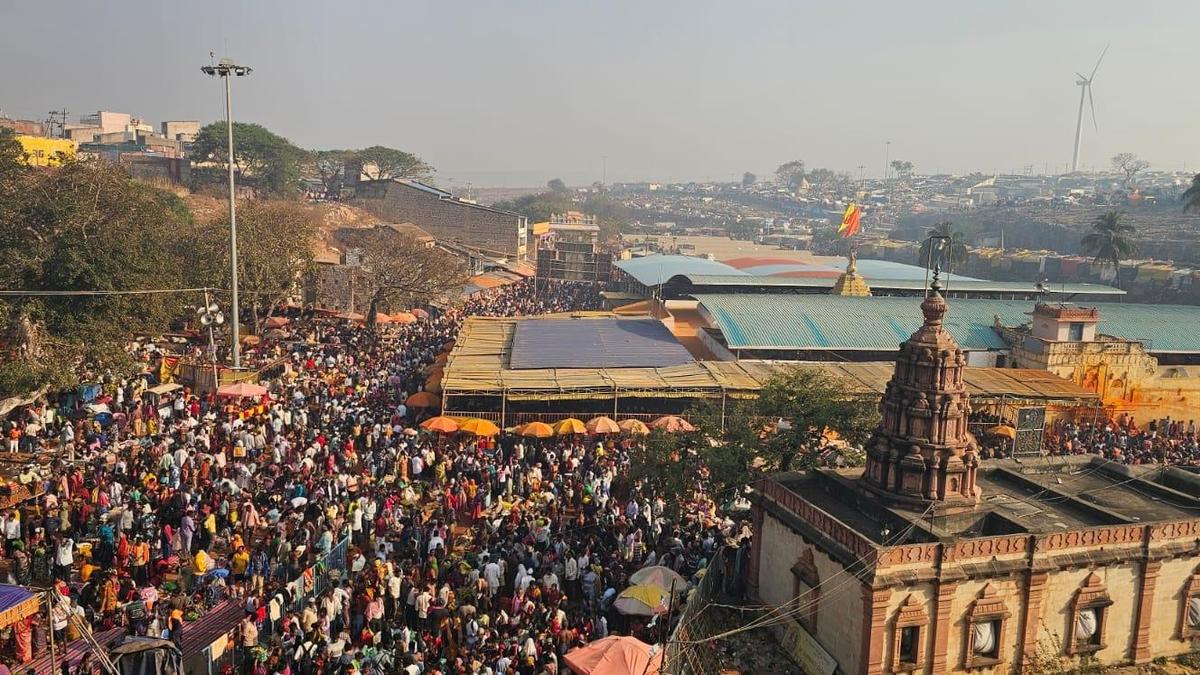
Devotees expressed deep emotional connection with the festival, saying their visit was an expression of gratitude and hope. Many believe that offering prayers during Bharat Hunnime brings blessings for health, prosperity, and family welfare. Women devotees performed special rituals seeking protection for their households, while farmers prayed for favorable conditions for crops. The festival thus carries both spiritual and socio-cultural significance, reflecting the intertwining of faith with daily life in rural and urban communities alike.
SPIRITUAL TRADITIONS AND RITUAL PRACTICES
Rituals at the Yallamma temple during Bharat Hunnime began before dawn, with priests conducting special poojas and abhishekas. Sacred chants filled the air as devotees lit lamps and presented flowers, coconuts, and fruits as offerings. The temple complex was adorned with decorations, enhancing the festive atmosphere. Devotees believe that witnessing these rituals on the full-moon day brings spiritual purification and divine grace. Many also observed fasting and prayer, underscoring the personal discipline associated with the festival.
Cultural performances formed an integral part of the celebration, with folk artists presenting devotional songs and dances rooted in regional traditions. These performances not only entertained but also conveyed stories associated with Goddess Yallamma’s mythology and moral teachings. Elders narrated legends to younger generations, preserving oral traditions and reinforcing cultural continuity. The festival thus functions as a living repository of heritage, blending religious observance with artistic expression.
Pilgrims arriving from distant areas often set up temporary camps, cooking meals collectively and sharing resources. This sense of community living fosters solidarity and mutual support. Volunteers from various organizations provided assistance, including medical aid and information services. Such collective participation reflects the social dimension of pilgrimage, where devotion is accompanied by cooperation and shared responsibility among participants.
Local vendors benefited from the surge in visitors, as stalls selling flowers, offerings, and traditional food lined the streets near the temple. The festival contributes to the local economy, providing income opportunities for small traders and artisans. Handcrafted items, religious symbols, and souvenirs were in demand, showcasing the cultural vibrancy associated with the event. Authorities monitored commercial activities to ensure fair practices and prevent overcrowding.
Environmental considerations were also highlighted, with appeals to pilgrims to maintain cleanliness around the temple area. Volunteers distributed waste bags and encouraged proper disposal to minimize ecological impact. Officials stressed that preserving the sacred surroundings is a shared responsibility. Efforts to balance tradition with environmental awareness reflect evolving approaches to managing large religious gatherings sustainably.
COMMUNITY, SAFETY, AND FESTIVAL MANAGEMENT
Traffic management was a key focus, with diversions and parking arrangements set up to handle the surge of vehicles. Public transport services were increased to accommodate pilgrims traveling from different regions. Authorities urged visitors to follow safety guidelines and cooperate with officials. Information centers provided directions and assistance, helping pilgrims navigate the busy festival environment smoothly.
Medical teams remained on standby to address health emergencies, including dehydration and fatigue among elderly pilgrims. Ambulances and first-aid units were stationed near the temple complex. Health officials advised visitors to stay hydrated and take rest breaks. The proactive presence of medical support reassured pilgrims and contributed to the overall safety framework of the event.
Law enforcement agencies maintained vigilance to prevent mishaps and ensure crowd discipline. Surveillance systems and patrols were used to monitor movement and address issues promptly. Officials emphasized that maintaining order was essential to safeguarding both devotees and the sanctity of the celebration. Cooperative behavior from pilgrims played a crucial role in enabling smooth conduct of the festival.
Community leaders praised the coordination between authorities, volunteers, and temple management. They noted that such collaboration is vital for handling gatherings of this magnitude. Public announcements reminded pilgrims of schedules, safety measures, and available facilities. Effective communication reduced confusion and enhanced the overall experience for visitors.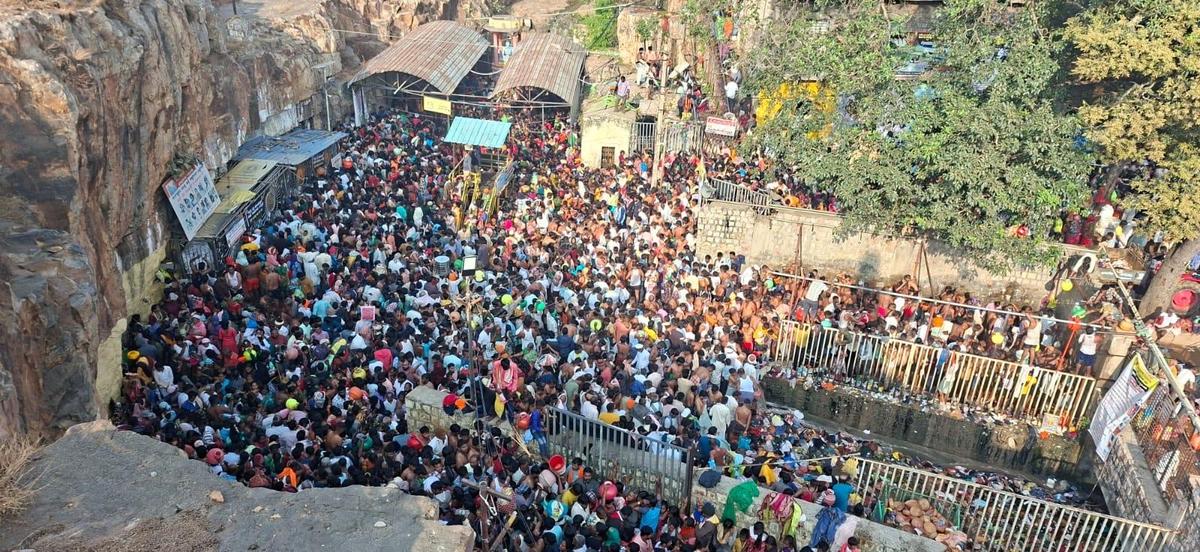
As the day concluded, devotees expressed fulfillment after participating in rituals and seeking blessings. Many planned to return in future years, continuing the tradition of pilgrimage. The Bharat Hunnime festival at Saundatti once again demonstrated the enduring strength of faith and cultural unity. Through devotion, cooperation, and careful management, the event stood as a testament to Karnataka’s rich spiritual heritage and collective spirit.
Cultural historians note that the Bharat Hunnime gathering at Saundatti reflects centuries-old devotional patterns linked to agrarian cycles and community identity. Full-moon observances have traditionally symbolized renewal and spiritual completeness, and the Yallamma festival integrates these themes with local belief systems. Scholars explain that such events preserve intangible heritage through rituals, music, storytelling, and collective memory. The temple becomes a space where history, faith, and social bonds converge. Researchers observing the festival emphasize that beyond religious significance, these pilgrimages serve as living cultural archives that sustain regional traditions across generations in a rapidly modernizing society.
Women devotees formed a significant presence during the celebrations, many carrying traditional offerings on their heads as part of ritual vows. Community elders highlighted that women’s participation is central to the festival’s continuity, as they pass down practices and prayers within families. Observers noted the emotional intensity of group prayers, where collective voices created a powerful atmosphere of shared hope. Social workers present at the event said such gatherings offer emotional reassurance and a sense of belonging, particularly for rural participants who view the pilgrimage as both a spiritual journey and a reaffirmation of community identity.
Security officials reported that continuous monitoring helped maintain orderly movement even during peak hours. Public address systems were used to guide pilgrims and prevent crowd congestion near the temple entrance. Emergency response drills had been conducted in advance, preparing personnel for possible contingencies. Authorities said cooperation from devotees played a major role in smooth management. Volunteers formed human chains at certain points to regulate flow, demonstrating how community participation complements official arrangements. The coordinated approach minimized disruptions and ensured that rituals continued without significant interruption throughout the day.
Environmental groups collaborating with local authorities distributed awareness leaflets encouraging eco-friendly practices during the festival. Pilgrims were requested to avoid plastic items and use designated disposal bins. Some youth groups organized clean-up drives after major ritual phases, reflecting growing environmental consciousness among younger participants. Experts noted that integrating sustainability messages into religious events can have lasting impact, as spiritual gatherings influence large audiences. Maintaining cleanliness around sacred spaces was presented not only as a civic duty but also as an act of respect toward the deity and the environment.
Local residents described the festival period as both spiritually uplifting and economically significant. Guesthouses, eateries, and transport services experienced increased activity, while temporary employment opportunities arose for drivers, vendors, and helpers. Economists observing such events explain that pilgrimage tourism contributes to rural income streams and supports micro-enterprises. However, they also stress the need for infrastructure planning to manage seasonal surges sustainably. Balancing economic benefit with environmental care and civic order remains an ongoing challenge that authorities seek to address through structured festival management strategies.
Medical volunteers reported attending to minor issues such as fatigue, blisters from long walks, and dehydration, especially among those who traveled on foot. Health workers also used the opportunity to share basic health awareness messages, including hygiene and nutrition advice. They said religious gatherings can serve as effective outreach points for public health communication. The presence of healthcare teams not only provided immediate assistance but also reassured families traveling with elderly members. Organizers credited early planning and coordination for preventing major health incidents during the large-scale event.
As pilgrims gradually dispersed after completing their prayers, many carried sacred offerings and memories of collective devotion back to their hometowns. For numerous families, participation in Bharat Hunnime is an annual tradition that strengthens spiritual ties and cultural continuity. Observers noted that despite modern changes, the core spirit of faith and communal harmony remains unchanged. The festival once again illustrated how shared belief, disciplined organization, and collective responsibility can transform a small temple town into a powerful center of spiritual unity, reflecting the enduring cultural richness of Karnataka’s religious landscape.
Follow: Karnataka Government
Also read: Home | Channel 6 Network – Latest News, Breaking Updates: Politics, Business, Tech & More
