
The Karnataka Cabinet’s decision to grant a five-year age relaxation for candidates appearing in the Karnataka Civil Services examinations has brought significant relief to thousands of aspirants across the State. The move is being viewed as both a corrective and compassionate step, particularly for candidates whose preparation timelines were disrupted by extraordinary circumstances in recent years. Civil services examinations in Karnataka are seen as a crucial gateway to stable and prestigious public sector careers, and age eligibility often becomes a decisive factor. By extending the upper age limit, the government has widened access, rekindling hopes among many who feared losing their final opportunity.
The decision was taken during a Cabinet meeting where ministers discussed recruitment gaps, administrative efficiency, and youth employment. Officials indicated that multiple representations had been received from aspirant groups and civil society organisations seeking relaxation. Many candidates had argued that disruptions in examination cycles, delays in notifications, and broader socio-economic challenges had affected their preparation and attempts. The Cabinet reportedly considered these factors before approving the relaxation as a one-time or limited-period measure. The announcement has since triggered widespread discussion in academic circles, with coaching centres and student forums calling it a timely intervention that acknowledges ground realities.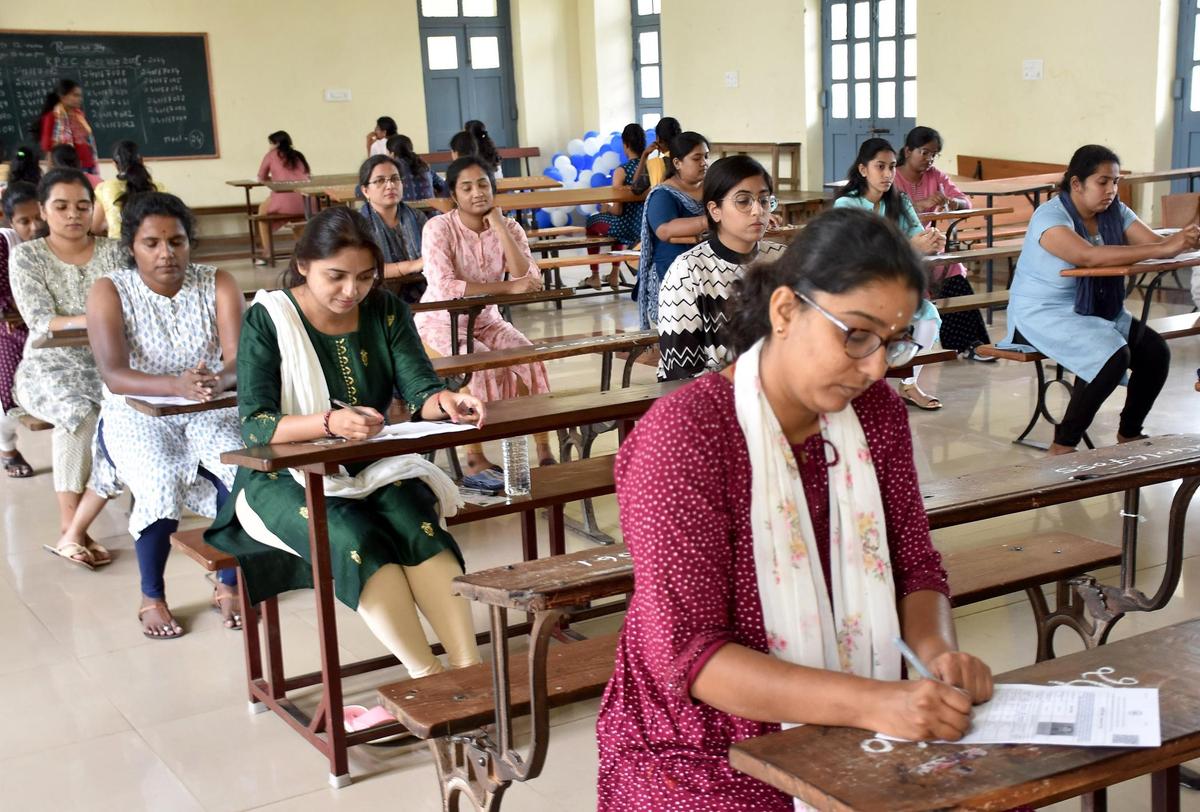
Aspirants from rural and economically weaker backgrounds stand to benefit significantly from the measure. For many such candidates, preparation for civil services runs parallel to part-time work or family responsibilities, stretching timelines beyond conventional limits. Age relaxation provides them with a fairer competitive window. Students who had paused preparation due to financial stress or personal circumstances also see this as a second chance. The policy is being interpreted as an effort to make recruitment more inclusive, ensuring that capable individuals are not excluded merely due to rigid age criteria during an unusually challenging period.
WHY THE DECISION MATTERS FOR ASPIRANTS AND ADMINISTRATION
Experts in public administration say the relaxation could help the State tap into a more mature and experienced pool of candidates. Older aspirants often bring diverse professional exposure and stronger social awareness, qualities considered valuable in public service roles. Administrative positions require not just academic knowledge but also emotional intelligence and practical judgment. By expanding age eligibility, the State may gain officers with varied life experiences. However, experts also stress the need to balance inclusivity with timely recruitment cycles to ensure that departments are staffed efficiently without long delays in examinations and appointments.
Coaching institutes across Karnataka have reported a renewed surge of inquiries following the Cabinet announcement. Students who had previously shifted focus to other career options are reconsidering civil services preparation. Mentors say motivation levels have risen sharply, especially among candidates in the upper age bracket. Some aspirants described the decision as a “lifeline,” while others said it restored faith in the system’s responsiveness. Social media platforms and student groups have been abuzz with discussions on revised eligibility criteria, expected notification dates, and strategies to utilise the additional time effectively for focused and disciplined preparation.
The relaxation also carries implications for the competitive landscape of the examinations. With more candidates becoming eligible, the number of applicants is expected to increase significantly. This could intensify competition, particularly at the preliminary stage. Experts advise aspirants not to view the relaxation as an assurance of success but as an opportunity that demands stronger preparation. The quality of competition may improve as well, with experienced candidates re-entering the field. This dynamic could ultimately raise the overall standard of selection, benefiting the administrative system through the recruitment of well-prepared and resilient officers.
Government sources emphasised that the relaxation aligns with broader efforts to address unemployment and expand opportunities for youth. Karnataka has been focusing on filling vacant posts across departments to improve service delivery. Delays in recruitment can affect governance outcomes, from revenue administration to social welfare implementation. By enabling more candidates to compete, the State seeks to accelerate the process of identifying suitable officers. The decision also sends a signal that the government is willing to adapt policies when exceptional conditions create barriers for deserving candidates.
WIDER SOCIAL AND POLICY IMPLICATIONS
Beyond examination logistics, the decision reflects a recognition of the psychological toll faced by aspirants over recent years. Preparing for civil services is often a long and uncertain journey marked by financial strain and emotional stress. Many candidates invest years of effort without guaranteed results. Age limits add to this pressure, creating a sense of finality. Relaxation helps reduce that anxiety, giving aspirants renewed confidence. Psychologists note that such policy gestures, while administrative in nature, can have significant morale-boosting effects, reinforcing the idea that institutions are attentive to citizens’ struggles.
However, some observers caution that age relaxation should be accompanied by systemic reforms in examination management. They argue that timely notifications, predictable schedules, and transparent processes are equally important. Without these, repeated relaxations may become necessary, creating uncertainty. Student groups have welcomed the current decision but also urged the government to streamline future recruitment cycles. Stability in the examination calendar allows aspirants to plan better and reduces dependence on exceptional measures. The Cabinet’s move, they say, should be the beginning of broader improvements rather than a standalone solution.
The decision has also sparked political reactions, with leaders across parties expressing support. Many acknowledged that aspirants represent a large and vocal segment of youth whose concerns deserve attention. Some leaders highlighted that civil services officers form the backbone of policy implementation and governance. Ensuring a fair and accessible recruitment process, they said, ultimately strengthens the administrative machinery. The relative consensus across political lines indicates the issue’s broad social relevance, cutting across ideological divides and reflecting shared recognition of the challenges faced by competitive exam aspirants.
As aspirants begin recalibrating their preparation strategies, education experts stress disciplined planning. The additional years should be used to strengthen fundamentals, improve answer-writing skills, and stay updated with current affairs. Time management and mental well-being remain crucial. Mentors caution against complacency, reminding candidates that the examination remains highly demanding. Still, the sense of renewed possibility is unmistakable. Study circles in cities like Bengaluru, Mysuru, Dharwad, and Kalaburagi have reported increased participation, with many aspirants returning to libraries and coaching centres with fresh determination.
Ultimately, the Karnataka Cabinet’s decision represents more than an administrative adjustment. It symbolises empathy within policymaking, acknowledging that rigid rules sometimes need flexibility in extraordinary contexts. For thousands of aspirants who had felt their dreams slipping away, the relaxation has reopened doors. Whether it translates into greater success in the examinations will depend on individual effort and systemic efficiency. Yet, as a gesture of opportunity and hope, the move has already made a meaningful impact, reinforcing the belief that public policy can respond to the lived realities of citizens striving for a place in public service.
The age relaxation is expected to particularly benefit candidates from backward districts where access to consistent coaching and guidance has traditionally been limited. Many aspirants from such regions depend on government libraries, scholarships, or community study circles, and disruptions in these support systems often delay preparation. With additional years now available, these students can compete on a more equal footing with urban counterparts. Education activists say this could gradually improve regional representation within the civil services, ensuring that administrative perspectives include voices familiar with grassroots realities, local governance challenges, and development gaps in smaller towns and rural parts of Karnataka.
Women aspirants are also seen as major beneficiaries of the Cabinet’s decision. A significant number of women pause competitive exam preparation due to caregiving responsibilities, marriage, or employment constraints. Age limits often hit them harder, cutting short attempts despite strong academic potential. The relaxation offers renewed opportunity and signals recognition of gendered realities in career progression. Women’s groups have welcomed the step, noting that more women in civil services can positively influence policy sensitivity in areas like health, education, and welfare. Increased female participation in administration, they argue, strengthens inclusive governance and improves responsiveness to community-level social issues.
From an economic perspective, the move may have indirect positive effects on the education sector as well. Coaching institutes, publishers, and online learning platforms are likely to see increased enrolment and demand for study materials. Libraries and study spaces could witness higher footfall as older aspirants rejoin preparation cycles. While this creates academic momentum, experts caution against commercial exploitation, urging institutions to maintain affordability. Government-run training support schemes for disadvantaged candidates may also see higher applications. The broader ecosystem around civil services preparation thus enters a phase of renewed activity, driven by the extended eligibility window and revived aspirations.
Administrative reform observers note that civil services recruitment is not merely about filling vacancies but shaping the character of governance. Officers recruited through competitive exams often serve for decades, influencing development outcomes at district and State levels. Allowing a broader age band could diversify this cadre in terms of professional backgrounds. Candidates with prior experience in teaching, engineering, social work, or private sector roles may bring cross-sector insights. Such diversity can help administrations design more practical and innovative solutions. The Cabinet’s step, therefore, may have long-term institutional effects beyond immediate relief to aspirants.
There is also discussion about how this relaxation might influence future policy debates. If implemented smoothly, it could serve as a model for other recruitment bodies facing similar representations. Policymakers may study its impact on applicant numbers, exam management, and selection quality. Data from this cycle could guide decisions on whether targeted relaxations are more effective than blanket extensions. Some analysts suggest periodic reviews of eligibility norms to keep them aligned with social and economic realities. The present decision, while specific, opens a broader conversation on flexibility and fairness in public recruitment frameworks.
For many aspirants, the announcement has emotional significance that goes beyond procedural changes. Years of preparation often involve sacrifices by families who invest time, savings, and encouragement. When age limits approach, the pressure intensifies, sometimes leading to anxiety and self-doubt. The relaxation eases that emotional burden, allowing candidates to continue with a sense of legitimacy rather than desperation. Counselors working with competitive exam students say such policy gestures restore morale and motivation. In a journey defined by uncertainty, the extra years represent not just time, but reassurance that perseverance still has institutional backing.
Follow: Karnataka Government
Also read: Home | Channel 6 Network – Latest News, Breaking Updates: Politics, Business, Tech & More
