
The consistently low SSLC results in several districts of the Kalyana Karnataka region have once again drawn the attention of the State education department, policymakers, teachers, and parents. For years, districts such as Kalaburagi, Yadgir, Raichur, Bidar, Koppal, Ballari, and Vijayapura have lagged behind the State average in SSLC pass percentages, reflecting deeper structural and socio-economic challenges. In response, the government has intensified remedial teaching initiatives, positioning them as a critical intervention to bridge learning gaps and restore academic confidence among students from disadvantaged backgrounds.
The focus on remedial teaching is not new, but this year’s approach is being described by officials as more structured, data-driven, and student-centric. Education authorities argue that learning loss caused by prolonged disruptions, combined with first-generation learners, language barriers, and inadequate academic support at home, has widened achievement gaps. Remedial classes are now being viewed not merely as supplementary lessons but as a systematic academic correction process aimed at ensuring that students acquire minimum learning competencies before appearing for the SSLC examination.
Teachers in the region note that many students entering Class 10 struggle with foundational concepts from lower grades, particularly in Mathematics, Science, and English. These gaps often remain unaddressed due to syllabus pressure, eventually resulting in poor performance in board examinations. Remedial teaching programmes aim to reverse this pattern by identifying weak learners early, categorising them based on subject-wise deficiencies, and providing targeted instruction over an extended period.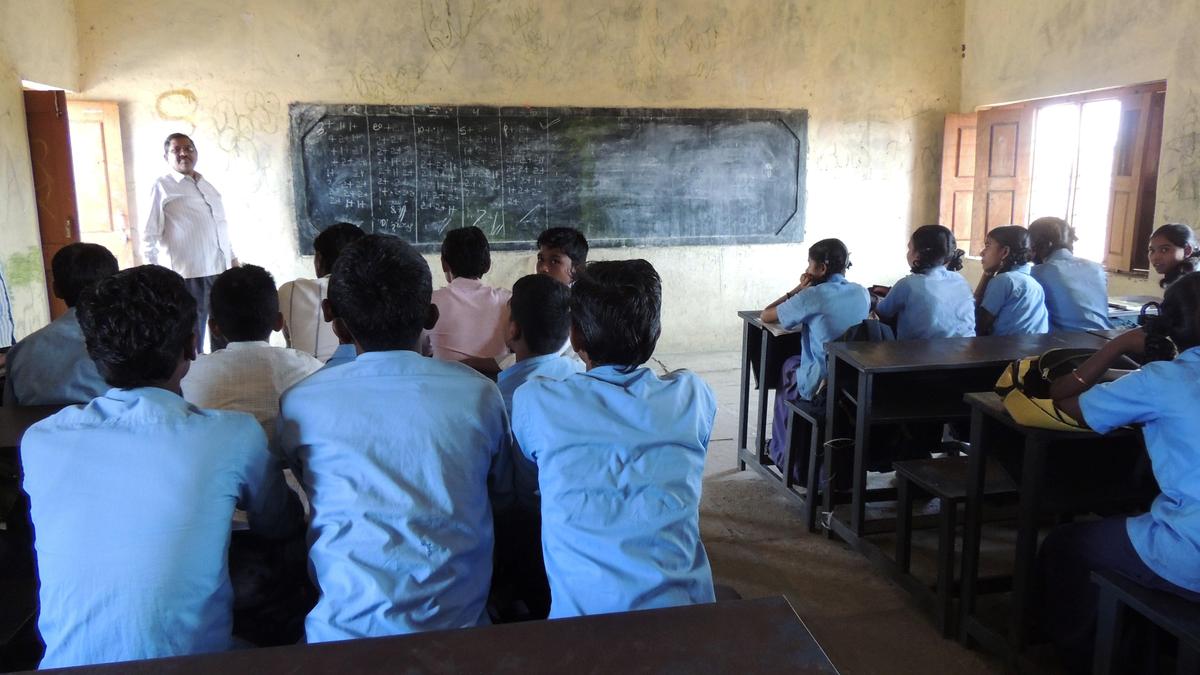
Education department officials have emphasised that the goal is not only to improve pass percentages but also to ensure that students genuinely understand concepts rather than resorting to rote memorisation. This shift in focus reflects a broader recognition that examination success must be built on strong academic foundations. For a region historically burdened by educational deprivation, remedial teaching is being framed as both an academic necessity and a social responsibility.
At the district level, schools have been instructed to conduct baseline assessments at the beginning of the academic year. These assessments help teachers identify students who require immediate academic intervention. Based on the results, schools prepare remedial teaching plans tailored to the needs of their student population. Officials say this decentralised approach allows schools to design strategies that are sensitive to local realities rather than relying on uniform solutions imposed from above.
Teachers involved in these programmes report that remedial classes are often conducted before or after regular school hours, on weekends, and during holidays. While this increases the workload for teachers, many believe the effort is necessary given the stakes involved. Several teachers have pointed out that students attending remedial sessions show gradual improvement in confidence, classroom participation, and examination readiness.
Despite these efforts, challenges remain. Teacher shortages, high student-teacher ratios, and infrastructural limitations continue to affect the effectiveness of remedial teaching in some schools. In remote rural areas, irregular student attendance due to economic pressures further complicates implementation. Yet, education officials maintain that remedial teaching remains the most viable short-term solution to improve SSLC outcomes while long-term reforms are gradually rolled out.
Strengthening Classroom Foundations Through Focused Intervention
The current remedial teaching strategy in the Kalyana Karnataka region places significant emphasis on strengthening foundational learning. Officials argue that many students fail the SSLC examination not due to an inability to learn, but because they never received adequate academic reinforcement during their formative years. Remedial classes are therefore designed to revisit concepts from Classes 6 to 9, ensuring that students are not overwhelmed by Class 10 syllabi without the necessary background knowledge.
Subject-specific modules have been developed to simplify complex topics and present them in an accessible manner. In Mathematics, for instance, teachers focus on basic arithmetic, algebraic expressions, and problem-solving techniques before progressing to advanced concepts. In Science, emphasis is placed on understanding core principles rather than memorising definitions. English remedial classes prioritise reading comprehension, basic grammar, and vocabulary building, recognising language as a major barrier for many students.
Education officials say that one of the key changes this year is the use of continuous assessment during remedial programmes. Instead of waiting for periodic examinations, teachers conduct frequent short tests to track student progress. This allows for immediate feedback and timely correction of learning gaps. Students who show improvement are gradually integrated into regular classroom instruction, while those who continue to struggle receive additional support.
The role of teachers has expanded beyond conventional classroom instruction. Teachers are now expected to act as mentors, counsellors, and motivators, especially for students facing academic anxiety. Several teachers have observed that students who repeatedly fail internal assessments often develop a fear of examinations, which negatively affects performance. Remedial teaching sessions, conducted in smaller groups, create a less intimidating environment where students feel comfortable asking questions and admitting difficulties.
The government has also encouraged peer learning as part of remedial strategies. High-performing students are paired with weaker learners, fostering collaborative learning and mutual support. Teachers say this approach not only benefits academically weaker students but also enhances leadership skills and empathy among high achievers. Such initiatives are particularly effective in schools where teacher resources are limited.
Digital tools are being selectively used to support remedial teaching, though access remains uneven. In schools with basic digital infrastructure, recorded lessons and visual aids are used to reinforce classroom teaching. However, officials acknowledge that technology cannot replace face-to-face instruction in regions where students lack regular access to devices or stable electricity. As a result, the emphasis remains firmly on teacher-led interventions.
Monitoring mechanisms have been strengthened to ensure accountability. Cluster-level education officers regularly review remedial teaching schedules, attendance records, and student performance data. Schools that demonstrate improvement are encouraged to share best practices with others. Officials believe that such peer learning among institutions can help scale effective models across the region.
Parents are also being drawn into the remedial education process. Schools conduct meetings to explain the importance of regular attendance and academic support at home. In many cases, parents who did not complete formal education themselves are being guided on how to encourage their children’s learning without feeling inadequate. Educators say that parental involvement, even at a basic level, significantly improves student motivation.
Bridging Regional Inequality Through Sustained Educational Support
The emphasis on remedial teaching in the Kalyana Karnataka region must be understood within the broader context of regional inequality. Historically, the region has faced challenges such as poverty, migration, and limited access to quality educational institutions. These factors have collectively contributed to poor academic outcomes, particularly at the secondary school level. Remedial teaching is now being positioned as a corrective measure to address these long-standing disparities.
Education experts argue that improving SSLC results in the region requires sustained intervention rather than short-term solutions. While remedial teaching can address immediate learning gaps, it must be complemented by systemic reforms such as improved teacher recruitment, better school infrastructure, and curriculum relevance. Officials acknowledge this but stress that remedial teaching offers a practical starting point with visible outcomes.
Students who have benefited from remedial programmes share stories of renewed confidence and aspiration. Several students report that they no longer fear subjects they once considered impossible. Teachers say such psychological transformation is as important as academic improvement. For first-generation learners, passing the SSLC examination often represents more than an academic milestone; it symbolises social mobility and personal validation.
District administrations have also been directed to allocate additional resources to schools with consistently poor performance. This includes providing supplementary teaching materials, organising special training sessions for teachers, and arranging residential coaching programmes for high-risk students. Officials say these measures are designed to create an enabling environment where remedial teaching can succeed.
However, concerns have been raised about teacher burnout and sustainability. Conducting extended remedial classes places additional pressure on an already stretched teaching workforce. Teachers’ associations have called for incentives, workload rationalisation, and professional recognition for educators involved in remedial programmes. The government has indicated that it is considering such demands, acknowledging that teacher motivation is critical to the success of any academic intervention.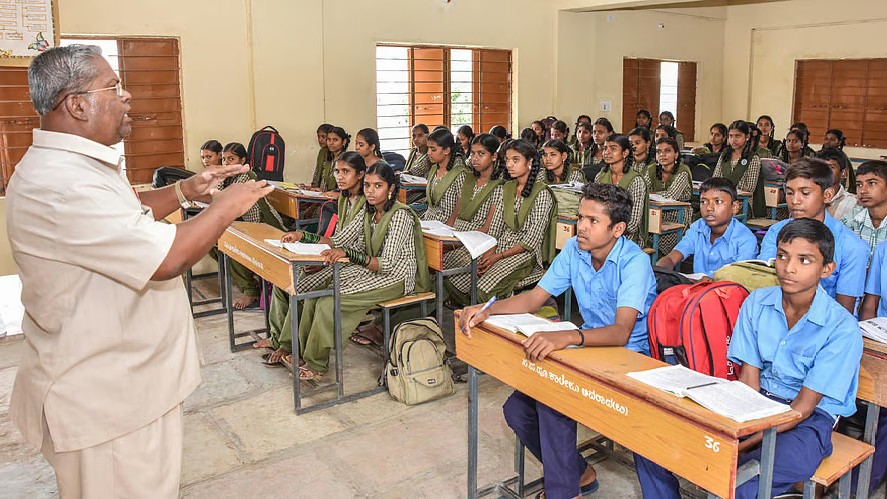
Another challenge lies in maintaining student engagement over long periods. Remedial teaching requires consistent attendance, which can be difficult for students who juggle household responsibilities or part-time work. Schools are experimenting with flexible schedules and motivational strategies to address this issue. Some have introduced recognition systems to reward regular attendance and academic improvement.
As the SSLC examination approaches, education officials remain cautiously optimistic. Preliminary assessments suggest that students enrolled in remedial programmes show measurable improvement in internal evaluations. While officials refrain from making definitive predictions, they argue that even incremental improvement represents progress in a region where educational advancement has been slow and uneven.
Ultimately, remedial teaching in the Kalyana Karnataka region reflects a broader commitment to educational equity. By acknowledging learning gaps and addressing them systematically, the education department aims to ensure that geography and socio-economic background do not determine academic destiny. Whether these efforts translate into sustained improvement will depend on continued political will, administrative support, and community involvement. For now, remedial teaching stands as a critical step toward restoring hope, confidence, and opportunity for thousands of SSLC students across the region.
Follow: Karnataka Government
Also read: Home | Channel 6 Network – Latest News, Breaking Updates: Politics, Business, Tech & More
