
Shivamogga Member of Parliament B.Y. Raghavendra has strongly criticised the Congress-led Karnataka government over the disruptions that followed the Governor’s address to the State legislature. Calling the developments “unfortunate and avoidable,” he said such incidents reflect poorly on democratic functioning and legislative decorum. According to him, the Governor’s speech is a constitutional exercise and must be treated with respect, irrespective of political disagreements. He accused the ruling party of allowing political tensions to overshadow institutional traditions that form the backbone of parliamentary democracy in the State.
Raghavendra stated that the Governor’s address is meant to outline the government’s agenda and legislative priorities, and any disturbance during or after such a speech undermines the spirit of constitutional governance. He argued that if there are objections to the content, the appropriate place to raise them is through structured debate inside the House, not through confrontation or disorder. He stressed that elected representatives have a responsibility to maintain the dignity of the legislature and set an example for the public.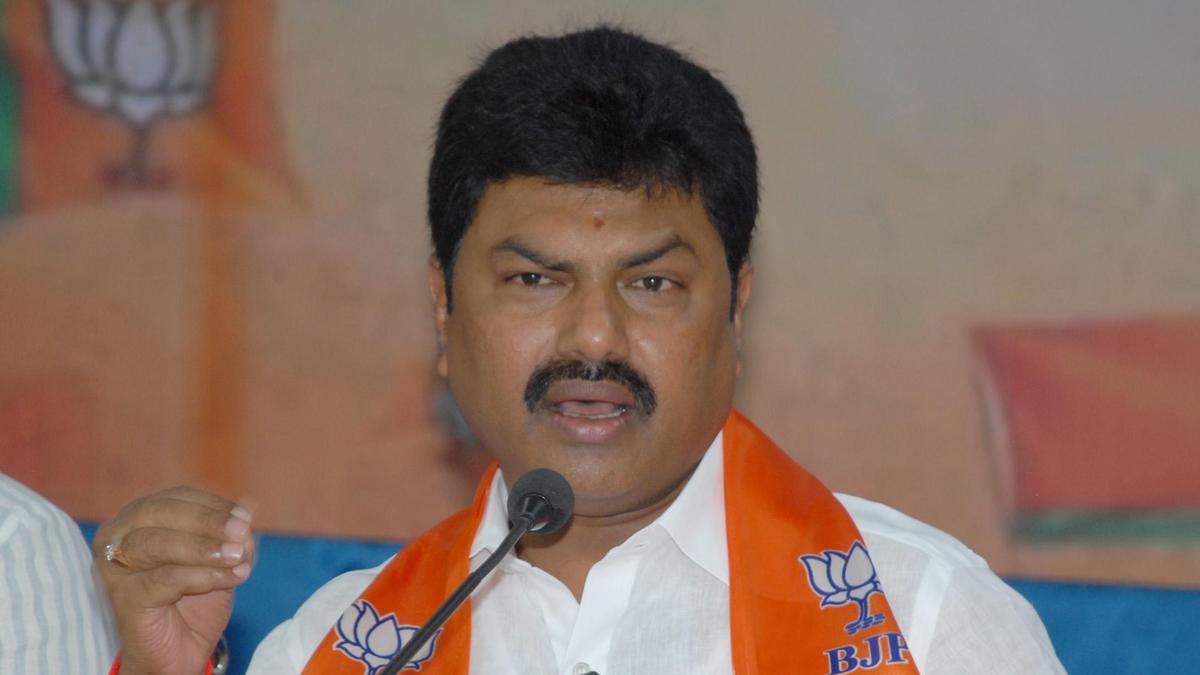
The MP further alleged that the Congress government was creating unnecessary friction between constitutional offices and the elected administration. He said that such tensions divert attention from pressing public issues like inflation, employment, and infrastructure. Instead of engaging in political theatrics, he urged the government to focus on policy delivery and governance. Raghavendra added that frequent confrontations damage the State’s image and send negative signals about political stability and administrative focus.
He also noted that young citizens observing legislative proceedings form opinions about democracy based on what they see. Frequent disruptions, he warned, could foster cynicism among youth regarding political processes. Raghavendra said leaders must demonstrate that democracy is capable of handling disagreements through reason and procedure rather than confrontation. Setting a positive example, he argued, is critical in inspiring future generations to participate constructively in public life and trust democratic institutions as platforms for meaningful change.
CONCERNS OVER LEGISLATIVE DECORUM
Highlighting the importance of legislative discipline, Raghavendra said that the Assembly and Council are platforms for reasoned debate and accountability. He expressed concern that repeated scenes of disruption could erode public trust in democratic institutions. According to him, citizens expect their representatives to discuss development issues, welfare measures, and policy frameworks, rather than engage in confrontational politics. He emphasised that maintaining decorum is not merely procedural but essential for the credibility of governance.
He also pointed out that Governors, as constitutional heads of States, are expected to function within a defined framework, and their addresses are part of established parliamentary conventions. Disrupting such proceedings, he argued, risks setting a precedent that weakens institutional respect. While acknowledging that political disagreements are inevitable, Raghavendra insisted that they should be expressed within democratic norms.
He further stated that political differences should not be allowed to overshadow institutional responsibilities. The MP noted that disagreements over policy or political direction can be effectively addressed through structured discussions, committee reviews, and floor debates. Resorting to confrontation during ceremonial or constitutional proceedings, he said, sends the wrong message to the public. He urged the ruling party to encourage constructive engagement and allow opposition voices to be heard without turning every disagreement into a spectacle. Such an approach, he added, would strengthen democracy rather than diminish it.
The Shivamogga MP also highlighted the importance of cooperative functioning between different constitutional offices. He observed that the relationship between the Governor and the State government should be guided by dialogue and mutual respect, even when differences arise. According to him, public disagreements between institutions can create uncertainty in administration and governance. He stressed that maintaining professional communication and constitutional boundaries is essential to prevent avoidable confrontations that distract from policy implementation and development priorities in the State.
POLITICAL CONTEXT AND RESPONSES
Political observers noted that tensions between the Governor and the State government have been evident in recent months over various issues. Raghavendra’s remarks come amid a broader political debate on the role of constitutional authorities and the limits of political expression within legislative forums. He reiterated that differences must be resolved through dialogue and legislative procedures rather than public confrontation.
The MP concluded by urging all parties to rise above partisan considerations and focus on governance and development. He said that Karnataka’s progress depends on constructive cooperation among institutions and political stakeholders. According to him, preserving democratic traditions and respecting constitutional roles are essential for ensuring stable governance and public confidence in the political system.
Raghavendra emphasised that legislative proceedings must reflect maturity and responsibility, especially when constitutional authorities are involved. He said that public faith in democratic institutions depends on how elected representatives conduct themselves inside the House. Any perception of disorder or disrespect can weaken confidence in governance. He argued that leaders across parties should introspect and ensure that debates, however sharp, remain within acceptable parliamentary limits. According to him, Karnataka has a strong legislative history, and preserving that legacy should be a shared priority rather than a partisan issue shaped by momentary political tensions.
He further stated that political differences should not be allowed to overshadow institutional responsibilities. The MP noted that disagreements over policy or political direction can be effectively addressed through structured discussions, committee reviews, and floor debates. Resorting to confrontation during ceremonial or constitutional proceedings, he said, sends the wrong message to the public. He urged the ruling party to encourage constructive engagement and allow opposition voices to be heard without turning every disagreement into a spectacle. Such an approach, he added, would strengthen democracy rather than diminish it.
The Shivamogga MP also highlighted the importance of cooperative functioning between different constitutional offices. He observed that the relationship between the Governor and the State government should be guided by dialogue and mutual respect, even when differences arise. According to him, public disagreements between institutions can create uncertainty in administration and governance. He stressed that maintaining professional communication and constitutional boundaries is essential to prevent avoidable confrontations that distract from policy implementation and development priorities in the State.
Raghavendra said the focus of the legislature should remain on pressing issues affecting citizens, such as employment, agriculture, infrastructure, and social welfare. He expressed concern that political controversies often overshadow meaningful discussions on development. By allowing procedural disputes to dominate headlines, he said, lawmakers risk neglecting their primary duty of addressing public concerns. He called for a shift back to issue-based debates, where performance, policy outcomes, and governance strategies receive the attention they deserve within legislative forums.
He also noted that young citizens observing legislative proceedings form opinions about democracy based on what they see. Frequent disruptions, he warned, could foster cynicism among youth regarding political processes. Raghavendra said leaders must demonstrate that democracy is capable of handling disagreements through reason and procedure rather than confrontation. Setting a positive example, he argued, is critical in inspiring future generations to participate constructively in public life and trust democratic institutions as platforms for meaningful change.
The MP pointed out that Karnataka’s legislative institutions have historically been respected for vibrant yet disciplined debates. He said preserving this culture requires conscious effort from all sides, especially during politically sensitive times. He urged party leaderships to counsel their members on adhering to parliamentary rules and maintaining decorum. According to him, strong political positions can still be conveyed effectively without crossing lines that disrupt institutional functioning or diminish the seriousness of legislative business.
Raghavendra further observed that constitutional processes are designed to accommodate dissent in a structured manner. Question hours, calling attention motions, and debates provide ample opportunity for opposition and ruling members alike to express concerns. Disruptions during formal addresses, he said, bypass these mechanisms and weaken procedural safeguards. He encouraged legislators to use established channels to register protest or disagreement, ensuring that their actions remain within the democratic framework that safeguards both rights and responsibilities.
He reiterated that respect for constitutional offices does not mean the absence of criticism but requires expressing dissent through proper forums. According to him, balancing criticism with decorum is essential in a parliamentary democracy. He cautioned against personalising institutional disagreements, as such an approach can intensify political divides. Instead, he suggested focusing on policy differences and governance outcomes, which allow debates to remain constructive and relevant to citizens’ interests.
Raghavendra also touched upon the broader perception of political stability. Investors, civil society, and the public often gauge governance through the functioning of legislative bodies. Visible disorder, he said, can create an impression of instability that may affect economic confidence and administrative focus. He urged political actors to consider these wider implications and ensure that legislative conduct reinforces Karnataka’s image as a State committed to orderly and effective governance.
Concluding his remarks, Raghavendra appealed for collective responsibility in safeguarding democratic traditions. He said that while political competition is natural, protecting the dignity of institutions must remain above partisan considerations. The MP expressed hope that future sessions would witness more constructive engagement and less confrontation, enabling the legislature to focus on delivering solutions to the people. By prioritising dialogue, procedure, and respect, he said, Karnataka’s political leadership can strengthen democratic credibility and ensure smoother governance in the years ahead.
Follow: Karnataka Government
Also read: Home | Channel 6 Network – Latest News, Breaking Updates: Politics, Business, Tech & More
