
The Karnataka High Court has directed the State Investigation Team (SIT) to respond to a public interest litigation (PIL) seeking the registration of separate First Information Reports (FIRs) for the unnatural deaths of 74 unidentified individuals in Dharmasthala between 1990 and 2021. The PIL, filed by a concerned citizen and human rights advocate, contends that these deaths, spanning three decades, have not been adequately investigated and that multiple fatalities may have been ignored or underreported. The High Court’s notice to the SIT signals judicial urgency in addressing historical gaps in accountability and transparency.
The PIL underscores the consequences of historical administrative oversight, where deaths of unidentified persons remained uninvestigated or inadequately documented for decades. Human rights organisations have argued that lack of formal FIRs has created a vacuum in legal accountability, leaving the circumstances of these deaths unresolved. Each case, activists contend, deserves independent inquiry to determine whether deaths resulted from natural causes, negligence, accidents, or foul play. The High Court’s intervention now ensures that these gaps cannot be ignored, pressing authorities to treat each incident with the seriousness it warrants.
CHALLENGES IN INVESTIGATING DECADES-OLD CASES
Investigating deaths spanning more than three decades presents inherent challenges. Records may be lost, witnesses may have relocated or passed away, and physical evidence may have deteriorated. The SIT will have to reconstruct timelines, rely on archival documents, and potentially gather testimonies from long-retired officials. Legal experts note that while these difficulties are significant, they are not insurmountable. Historical investigations require meticulous cross-referencing of administrative records, media reports, hospital and morgue logs, and local eyewitness accounts to build a coherent narrative for each death.
LEGAL PRECEDENTS AND JUDICIAL OVERSIGHT
Experts point out that the High Court’s directive aligns with judicial precedents across India where courts have intervened to address systemic negligence in cases of unidentified deaths or unresolved crimes. Courts have consistently held that absence of timely action by authorities cannot deny victims and their families the right to justice. By mandating SIT responses, the Karnataka High Court is reinforcing the principle that accountability is not limited by time and that institutional lapses must be rectified through proper legal mechanisms.
THE ROLE OF HUMAN RIGHTS ORGANISATIONS
Civil society groups have played a crucial role in bringing attention to these unresolved deaths in Dharmasthala. Through petitions, reports, and media engagement, they highlighted patterns of administrative neglect and the absence of proper documentation. Activists emphasise that public oversight is essential to ensure authorities cannot disregard vulnerable populations. They argue that formal investigations, backed by FIR registration, will create transparency and trust, preventing similar negligence in the future. The court’s notice validates their efforts, giving legal weight to civil advocacy.
COMMUNITY RESPONSE AND LOCAL IMPACT
The PIL and subsequent High Court notice have sparked discussions within the Dharmasthala community. Local residents, particularly those living near pilgrimage and festival sites, have expressed concern over historical negligence in addressing unnatural deaths. Community leaders have welcomed judicial intervention, noting that accountability and transparency are crucial for maintaining public confidence. Several have offered to assist the SIT in locating witnesses or documents, underscoring the importance of community cooperation in reconstructing decades-old events.
TECHNOLOGICAL AND ADMINISTRATIVE TOOLS
The SIT is expected to use a combination of digital archives and administrative tools to manage this complex investigation. Digitisation of records, geographic mapping of incidents, and cross-referencing with health and police department data are likely to form the backbone of the inquiry. Officials may also employ forensic techniques to reassess preserved evidence or consult retired medical professionals involved in past cases. These measures aim to ensure that even decades-old incidents are examined thoroughly and systematically.
POTENTIAL OUTCOMES OF FIR REGISTRATION
Registering separate FIRs for each death has far-reaching implications. It establishes a legal framework for formal investigation, allowing authorities to record evidence, interview witnesses, and potentially identify culpability. Additionally, it provides families with a documented acknowledgement of each death and the opportunity for closure. FIR registration also ensures that no single administrative report overshadows individual cases, promoting transparency and fairness in investigation.
ACCOUNTABILITY IN GOVERNANCE
The case highlights the importance of accountability in governance. Uninvestigated deaths, particularly of unidentified individuals, reflect systemic weaknesses in law enforcement, record-keeping, and administrative oversight. By ordering SIT to respond, the High Court reinforces the principle that governance failures cannot remain unexamined. Judicial scrutiny serves as a reminder that public institutions are accountable not only for present actions but also for rectifying historical negligence.
IMPACT ON FUTURE INVESTIGATIONS
The outcome of this PIL could have implications beyond Dharmasthala. Establishing a precedent for investigating decades-old deaths may prompt other States to re-examine unresolved cases. Authorities may be compelled to revisit historical records, register FIRs where required, and ensure that administrative lapses do not deprive victims and families of justice. Legal experts suggest that this could strengthen the accountability framework in India’s investigative and judicial systems.
REINFORCING PUBLIC TRUST IN LAW ENFORCEMENT
Ultimately, the High Court’s directive is not just about registering FIRs—it is about restoring public trust in law enforcement and governance. For the citizens of Karnataka, the action signals that historical oversight will not protect negligence and that the judiciary is committed to upholding justice. Proper investigation of the 74 deaths can provide closure, ensure accountability, and demonstrate that institutional responsibility extends across time. The PIL and the court’s response are a reminder that even decades later, the quest for justice remains valid and enforceable.
According to the PIL, the deaths involved unknown persons whose identities were never established and whose cases were either closed prematurely or subsumed under general administrative records. Activists argue that the lack of formal FIRs has prevented any meaningful investigation, leaving families without closure and denying justice. The plea stresses that each death represents a distinct incident that requires independent examination under the law, ensuring potential foul play or negligence is properly scrutinised.
The High Court noted that decades-long delays in registering FIRs for these cases could amount to a violation of fundamental rights, including the right to life and the right to legal recourse. It emphasised that procedural lapses should not shield potential offenders or hinder investigations. The court also highlighted that SIT, as the designated investigative authority for sensitive or complex cases, is in a position to determine the veracity and scope of each death and to take appropriate action.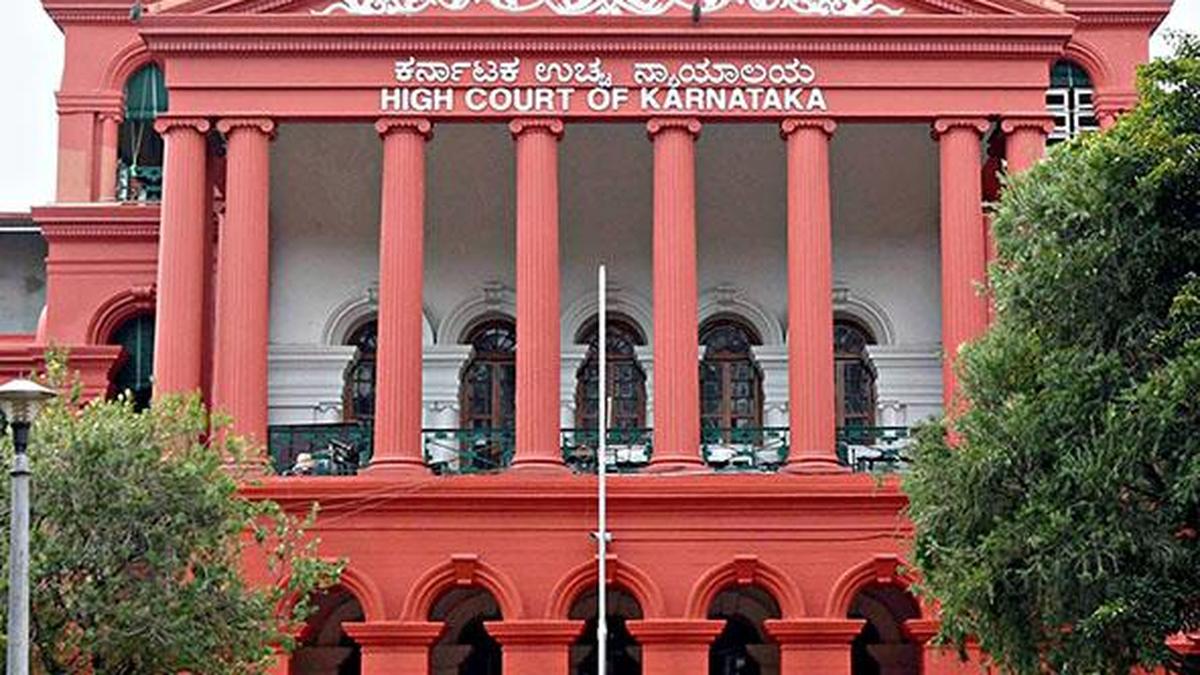
DECADES OF MYSTERY AND UNANSWERED QUESTIONS
The Dharmasthala region, known for its religious prominence, has historically attracted large gatherings of devotees and visitors. The PIL points out that many deaths occurred in and around pilgrimage periods, raising concerns about whether negligence, accidents, or intentional harm could have contributed to fatalities. Families of missing or unidentified individuals have reportedly struggled to obtain information, with records either incomplete or inaccessible. Human rights groups argue that a transparent investigation is essential to prevent historical oversight from becoming systemic impunity.
Legal experts note that registering separate FIRs for each death is critical to ensuring accountability and a proper chain of investigation. Without individual FIRs, potential patterns, such as recurring negligence, malpractice, or criminal activity, may remain obscured. Furthermore, distinct FIRs would allow investigative authorities to focus on specific circumstances, witnesses, and evidence related to each death, increasing the likelihood of uncovering truth and providing justice for victims’ families.
The PIL also highlights that the failure to investigate over decades has eroded public trust in law enforcement and administrative institutions. Human rights advocates argue that comprehensive investigation of past unnatural deaths is a moral and legal obligation. The High Court’s order reinforces the idea that historical inaction cannot prevent present accountability, signalling that judicial oversight is essential when administrative mechanisms fail to act in time.
SIT RESPONSE AND LEGAL IMPLICATIONS
The SIT has been asked to respond to the PIL within a stipulated timeframe, providing details of any prior investigations, reasons for delays, and whether formal FIRs can still be registered for the 74 cases. The court’s notice also implies that failure to comply with the directive could lead to stricter judicial intervention. Officials from the SIT indicated that the process would involve reviewing decades-old records, cross-referencing administrative reports, and, where possible, interviewing witnesses or officials from the time of each death.
Legal observers suggest that the court’s involvement could set an important precedent in addressing historical cases of unidentified deaths. While statutes of limitations typically apply to certain offences, unnatural deaths, especially those potentially involving criminal culpability, remain open to investigation regardless of elapsed time. Experts note that systematic examination of these cases could help identify patterns of negligence, improper record-keeping, or even deliberate wrongdoing, providing a roadmap for accountability in similar cases nationwide.
Civil society groups have welcomed the High Court’s directive, asserting that it represents a step toward restorative justice. They argue that beyond legal formalities, formal FIRs and transparent investigation processes can restore dignity to the deceased and confidence to the community. Activists emphasise that even if culprits are not found, documentation and closure are critical to maintaining the rule of law. The court’s attention to the PIL underscores the judiciary’s role in safeguarding human rights, even decades after incidents occur.
As Karnataka awaits the SIT’s response, the case draws attention to systemic issues in historical record-keeping, law enforcement responsiveness, and governance of sensitive regions. The High Court’s order may compel authorities to revisit decades of administrative neglect, providing a rare opportunity to establish accountability, uncover truth, and deliver justice in the Dharmasthala cases. For citizens, the court’s intervention is a reminder that time does not absolve responsibility, and legal mechanisms remain available to address even long-standing injustices.
Follow: Karnataka Government
Also read: Home | Channel 6 Network – Latest News, Breaking Updates: Politics, Business, Tech & More
