
The Karnataka government has announced that eight additional historical structures in Lakkundi will soon be declared protected monuments, reinforcing the state’s commitment to conserving its architectural and cultural heritage. The announcement was made by the Minister in charge of archaeology, museums, and heritage, who said the move reflects a long-term vision to safeguard historically significant sites that represent Karnataka’s civilisational past. Lakkundi, located in Gadag district, is widely regarded as one of the most important temple towns of the Western Chalukya period, known for its refined stone architecture and advanced water management systems.
Officials from the archaeology department said the expanded list of protected structures would allow for more comprehensive mapping of Lakkundi’s historical landscape. Detailed surveys will help identify structural vulnerabilities, previous alterations, and areas requiring urgent intervention. Conservation plans, they said, will prioritise stabilisation and preventive care over aggressive restoration, in line with established heritage conservation principles that emphasise authenticity and minimal intervention.
The Minister also noted that documentation of inscriptions and sculptural details from the newly protected structures would be undertaken systematically. Many inscriptions in Lakkundi remain partially studied or undocumented, limiting scholarly understanding of the region’s social, religious, and administrative history. By bringing more structures under protection, the government aims to create an accessible archival record that can support academic research and educational initiatives.
Local historians welcomed the announcement, saying it validates years of advocacy for broader recognition of Lakkundi’s heritage. They argued that focusing only on prominent temples has long overshadowed smaller but equally significant structures that reveal everyday religious and civic life of the period. Protecting these sites, they said, will help present a more complete and layered narrative of the town’s historical importance.
However, some residents expressed concerns about restrictions that may accompany protected status, particularly regarding property use and renovations. Addressing these worries, officials clarified that regulations would be implemented sensitively and in consultation with affected families. The Minister assured that heritage laws are not meant to displace communities but to ensure that development occurs without erasing historical character.
The move is also expected to strengthen Karnataka’s case for promoting heritage-based education. Schools and universities could use Lakkundi as a living classroom for architecture, history, and conservation studies. Experts believe that engaging students with tangible heritage fosters deeper appreciation and awareness, creating future generations that value preservation rather than viewing it as an obstacle to development.
In the long term, the government hopes that sustained conservation efforts will reposition Lakkundi as a model heritage town rather than a neglected historical site. By combining legal protection, community participation, and responsible tourism, officials believe the town can demonstrate how heritage preservation and local development can reinforce each other. The declaration of eight more protected structures, they say, is a crucial step in that broader vision.
Speaking at a public event, the Minister said the decision to extend protected status to more monuments was based on expert assessments, historical value, and the urgent need for conservation. He noted that many structures in Lakkundi remain vulnerable due to natural ageing, environmental exposure, and limited local resources for upkeep. Declaring them protected monuments would bring them under the formal care of the state, ensuring systematic preservation, documentation, and regulated development around the sites.
The Minister emphasised that heritage protection is not merely about safeguarding old stones but about preserving collective memory and identity. “These monuments are silent storytellers of our past. Once lost, they cannot be recreated,” he said. According to him, the government’s approach goes beyond symbolic declarations and focuses on creating sustainable conservation frameworks that benefit both heritage and local communities.
Lakkundi already has several protected monuments under state and national lists, including temples, stepwells, and inscriptions. The addition of eight more structures is expected to strengthen the town’s heritage profile and open up new possibilities for academic research, cultural tourism, and community-based conservation initiatives. Officials said the process of notification is underway and will be completed after necessary surveys and legal formalities.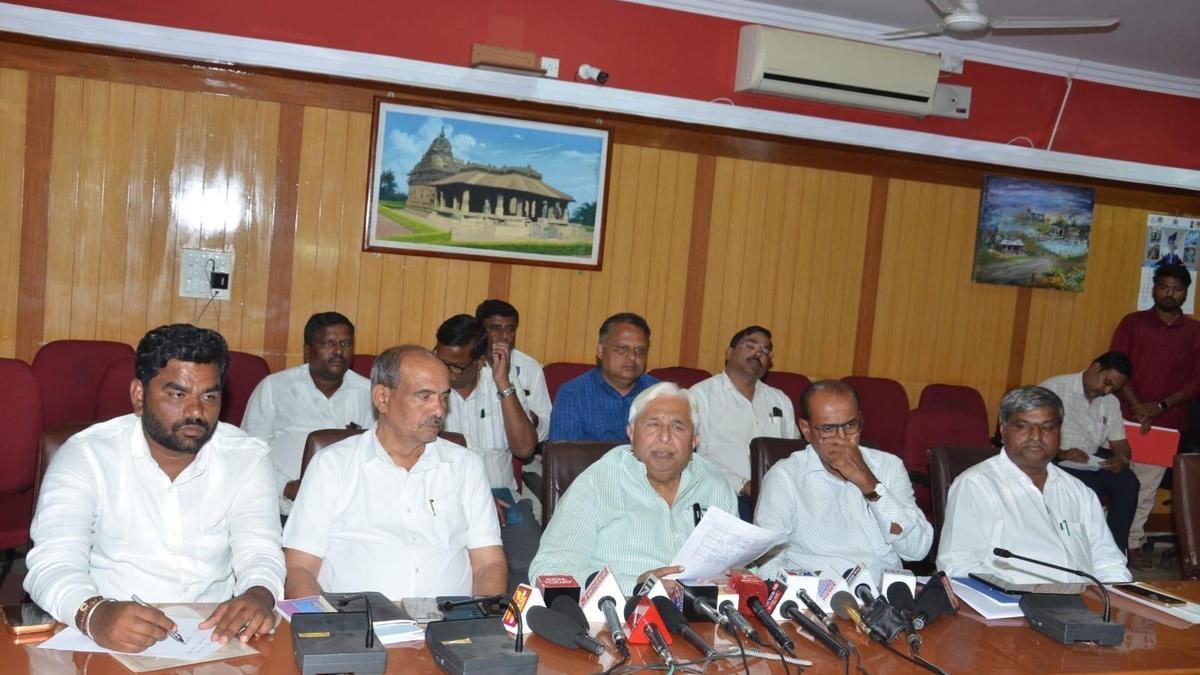
Lakkundi’s Architectural Importance and the Case for Protection
Lakkundi occupies a unique place in Karnataka’s architectural history. Once a flourishing centre of learning, trade, and temple construction, the town is renowned for its Kalyani Chalukya–era temples that showcase a transitional architectural style. These structures bridge earlier forms and later developments seen in Hoysala architecture, making them crucial for understanding the evolution of temple design in southern India.
Historians note that Lakkundi’s temples are characterised by intricate carvings, lathe-turned pillars, and innovative layouts. Equally significant are its stepwells, locally known as kalyanis, which reflect advanced knowledge of water conservation and urban planning. Many of these features remain understudied and underprotected, leaving them susceptible to damage and neglect.
The Minister said expert committees had identified eight structures that meet the criteria for protected status due to their historical, architectural, and cultural significance. While the specific list will be officially released later, officials indicated that it includes lesser-known temples, ancillary shrines, and structural remnants that form part of larger heritage complexes. Bringing these under protection will ensure that even secondary and supporting structures are not ignored in conservation efforts.
Archaeologists have long argued that selective preservation often distorts historical understanding by isolating major monuments from their broader contexts. By expanding the list of protected structures, the government aims to adopt a more holistic approach. “Heritage exists in clusters, not in isolation,” an official from the archaeology department said. “Protecting only prominent temples while ignoring surrounding structures weakens the narrative of the site.”
The declaration will impose restrictions on construction, alterations, and commercial activity in the immediate vicinity of the monuments. While such measures are sometimes met with resistance, officials stressed that they are essential to prevent irreversible damage. The government has assured local residents that their concerns will be addressed through consultation and compensation mechanisms where necessary.
Balancing Conservation, Community, and Development
One of the central challenges in heritage protection is balancing conservation with the needs of local communities. The Minister acknowledged this, stating that preservation efforts must not alienate residents who live alongside historic structures. He said the government is committed to involving local communities in conservation, maintenance, and tourism-related activities, ensuring that heritage becomes a source of pride and livelihood rather than restriction.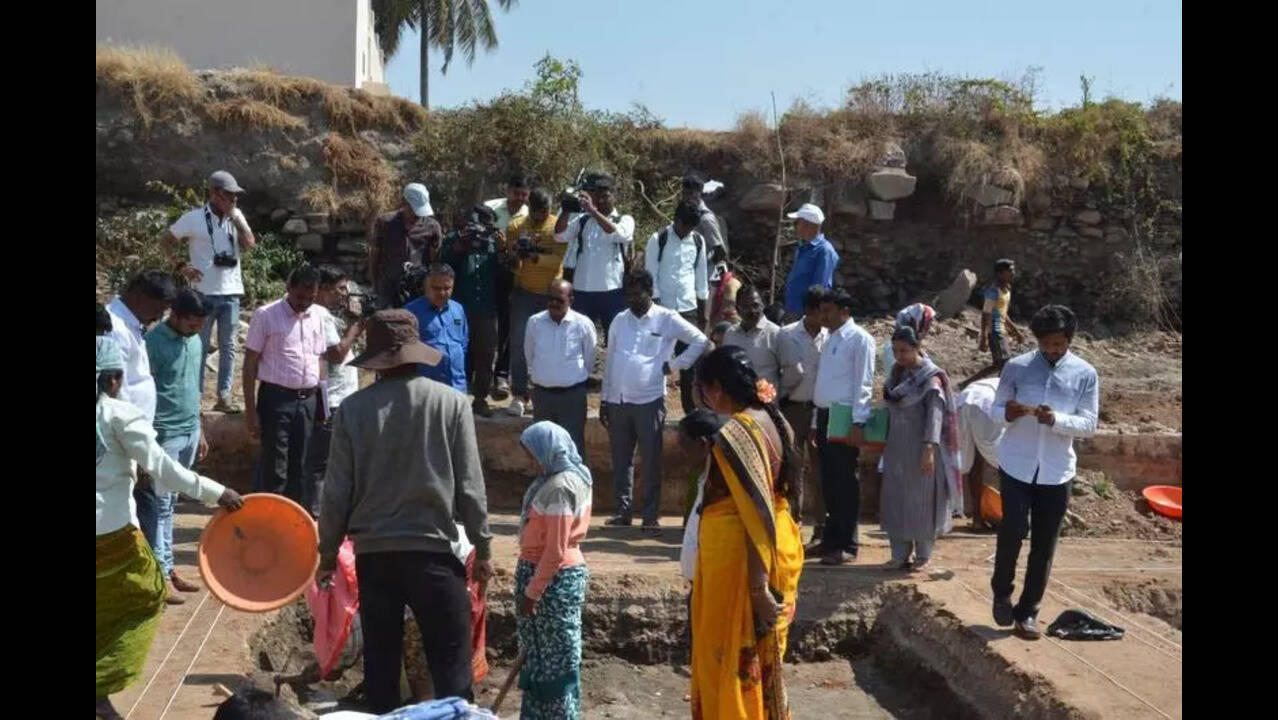
Officials said training programmes for local youth as heritage guides and site caretakers are being considered. Such initiatives, they believe, can create employment while fostering a sense of ownership among residents. Experience from other heritage towns suggests that community involvement significantly improves conservation outcomes and reduces vandalism or neglect.
The Minister also highlighted the role of sustainable tourism in supporting heritage sites. With proper planning, Lakkundi could attract scholars, students, and culturally inclined visitors rather than mass tourism that strains infrastructure. Improved signage, interpretation centres, and basic visitor amenities are part of the proposed development plan, officials said.
At the same time, the government is cautious about over-commercialisation. The Minister warned that uncontrolled tourism can be as damaging as neglect. “Heritage must be experienced with respect,” he said, adding that regulatory frameworks will accompany any tourism promotion efforts.
Urban planners and heritage experts have welcomed the announcement, calling it a step in the right direction. They argue that protecting additional structures now will be more cost-effective than attempting restoration after severe deterioration. Early intervention, they say, preserves authenticity and reduces long-term maintenance costs.
Administrative Process and Long-Term Vision
The process of declaring a structure a protected monument involves detailed documentation, legal notification, and coordination between multiple departments. Officials said surveys, photographic documentation, and historical assessments have already been completed for the identified structures. Once notified, the monuments will come under the jurisdiction of the state archaeology department, which will be responsible for their conservation and management.
The Minister said the government plans to increase budgetary support for heritage conservation in the coming years. He acknowledged that archaeology and heritage often receive limited funding compared to other sectors but argued that cultural preservation yields long-term social and economic benefits. “Heritage investment may not show immediate returns, but its impact is generational,” he said.
He also stressed the importance of integrating heritage planning into broader development policies. Infrastructure projects, road expansion, and urban growth must account for archaeological sensitivity, particularly in historically rich regions like Gadag district. The government, he said, is working on guidelines to ensure that development does not come at the cost of cultural loss.
Scholars believe the expanded protection of Lakkundi structures could encourage similar initiatives in other heritage-rich towns across Karnataka. The state is home to numerous lesser-known historical sites that remain undocumented or unprotected. A proactive approach, they argue, could prevent irreversible damage and enrich the state’s cultural landscape.
As the announcement was received with cautious optimism, the Minister reiterated that the real test lies in implementation. Declaring monuments protected is only the first step; sustained maintenance, monitoring, and community engagement are what ultimately determine success. “Protection is a commitment, not a label,” he said.
With eight more Lakkundi structures set to receive protected status, Karnataka signals a renewed seriousness in preserving its past. In doing so, the state not only honours its architectural legacy but also reaffirms the idea that heritage, when cared for thoughtfully, can coexist with progress and modern aspirations.
Follow: Karnataka Government
Also read: Home | Channel 6 Network – Latest News, Breaking Updates: Politics, Business, Tech & More
