
Bengal Temperature Drop — A gentle nip in the air has finally arrived. The India Meteorological Department (IMD) has forecast a significant 2–4°C fall in night-time temperatures across West Bengal, marking the onset of cooler conditions as the state transitions from autumn to early winter. The change, expected over the next few days, will be most noticeable during late nights and early mornings, particularly in northern and western districts.
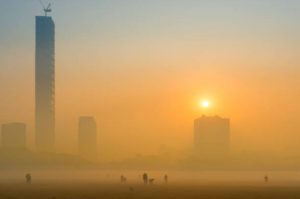
According to the IMD’s regional centre in Alipore, dry continental winds, clear skies, and low moisture content are setting the stage for radiative cooling, a natural process that causes surface temperatures to drop after sunset. This phenomenon, combined with calm winds, is expected to bring chilly nights to both the Gangetic plains and sub-Himalayan regions.
(Source: India Meteorological Department)
🌡️ IMD Forecast: Bengal Set for a Sharp Fall in Minimum Temperatures
The IMD bulletin states that night temperatures will fall by 2–4°C across most parts of West Bengal during the next three to four days. While daytime warmth will continue for now, nights are expected to turn distinctly cooler as the skies remain cloudless.
- Dry weather will prevail statewide, with no major rainfall systems in sight.
- The minimum temperature in Kolkata on Saturday stood at 21.6°C, expected to drop to around 19–20°C by early next week.
- In Darjeeling, the mercury has already touched 11.2°C, the lowest in the state so far.
- Kalimpong reported 16°C, Sriniketan (Birbhum) 15.8°C, Asansol 15.8°C, and Purulia 17°C — signalling a broad trend of cooling across districts.
- Shallow to moderate fog is likely in north Bengal during early morning hours, especially in the sub-Himalayan zone.
(Reference: IMD Weather Bulletin – Alipore Centre)
Meteorologists have clarified that no cold wave conditions are expected yet, but this cooling is a natural precursor to Bengal’s winter, which generally sets in around late November.
🌀 Why the Sudden Drop? The Science Behind the Cool Nights
Weather experts attribute the coming temperature dip to a mix of meteorological and geographical factors, typical for this period in the eastern Indian climate cycle.
1. Radiative Cooling
With the retreat of monsoon clouds, clear skies dominate. At night, heat absorbed during the day escapes quickly into the atmosphere, causing a sudden fall in ground temperature. This is known as radiative cooling — a key factor driving colder nights.
(Learn more: Radiative Cooling – Wikipedia)
2. Dry Continental Air from the North-West
The prevailing north-westerly dry winds, blowing down from the Indo-Gangetic plains, bring cool, moisture-free air into Bengal. This air mass is cooler and denser, further lowering the night temperatures.
3. Lack of Cloud Cover
Clouds act like blankets, trapping heat close to the surface. Their absence means the earth loses heat rapidly after sunset, leading to cold mornings.
4. Geographical Influence of the Himalayas
The Himalayas play an indirect role in Bengal’s temperature trends. As cold air descends from the sub-Himalayan region, it gradually spreads into the plains, cooling the western and southern districts.
5. Low Humidity Levels
With post-monsoon moisture evaporated, relative humidity levels have dipped below 60% in many districts. Lower humidity allows temperatures to drop more freely.
🗺️ Region-Wise Outlook: North, South & Hills
🔹 North Bengal
- Districts like Darjeeling, Kalimpong, Cooch Behar, and Jalpaiguri are expected to feel the earliest and sharpest drops.
- Minimum temperatures could hover between 10–13°C in hill towns by mid-November.
- Fog is likely in the Dooars and foothill areas during early mornings.
🔹 South Bengal
- In Kolkata, Howrah, Birbhum, Nadia, and Hooghly, nights will start feeling noticeably colder this week.
- The temperature dip will be more pronounced in districts bordering Jharkhand, such as Purulia and Bankura.
- Mornings will become misty, while afternoons remain sunny and comfortable.
🔹 Coastal & Deltaic Regions
- Coastal areas like East Midnapore and the Sundarbans will remain slightly warmer due to marine influence.
- However, early morning fog could affect river and ferry transport visibility.
(Learn more: Climate of West Bengal – Wikipedia)
🌆 Kolkata’s Transition: From Humid Evenings to Crisp Nights
For Kolkata residents, this marks the long-awaited end of sticky post-monsoon humidity. As temperatures dip to around 19–20°C, the city will enjoy crisp evenings and breezy dawns, with increased comfort levels outdoors.
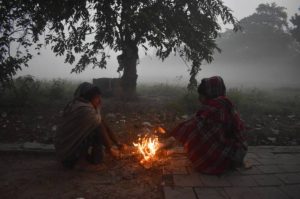
Local tea stalls, night-time vendors, and early commuters are already reporting a change in the feel of the air — the first tell-tale sign of winter’s arrival. By mid-November, sweaters and shawls are expected to make a comeback on Kolkata’s streets.
“Radiative cooling is at its peak now. Once wind patterns settle, the city will feel noticeably cooler during nights,” said a senior meteorologist at the Regional Meteorological Centre, Alipore.
(See IMD’s Regional Climate Data Portal: IMD Kolkata Station Data)
☁️ Impact on Air Quality and Visibility
Cooler, stagnant air can sometimes trap pollutants closer to the ground, especially during early mornings. As fog and mist mix with particulate matter, air quality levels may fluctuate.
- Morning visibility could drop in North Bengal and some parts of the Gangetic plains.
- The Air Quality Index (AQI) in urban Kolkata may hover around moderate levels in the coming week.
- Environmental agencies recommend reducing early morning vehicular emissions and open-air waste burning during fog conditions.
(More on AQI: Central Pollution Control Board – Air Quality Portal)
🌾 Agricultural Impact: Early Chill and Crop Sensitivity
The change in temperature has both benefits and challenges for Bengal’s farmers.
✅ Benefits:
- Cooler nights are favourable for rabi crop sowing like wheat, mustard, and pulses.
- Lower humidity helps in reducing pest activity in post-monsoon crops.
- Tea estates in Darjeeling report that moderate cold enhances leaf flavour for certain flushes.
⚠️ Challenges:
- Early chill could stress vegetable nurseries, especially tomatoes, eggplants, and cucumbers.
- Fog formation in low-lying fields can hinder pollination and sunlight absorption.
- Poultry and dairy farmers in rural districts must prepare warm shelters to protect livestock from cold stress.
(Learn more: Indian Agriculture in Winter – National Portal of India)
🧣 Human Impact: Preparing for the Temperature Slide
Health Precautions
- Respiratory issues and common colds tend to rise during sharp temperature transitions.
- Elderly people and children should avoid direct exposure to cold air early in the morning.
- Simple preventive measures — wearing light woollens, staying hydrated, and maintaining indoor warmth — are recommended.
Transport & Commuting
- Early-morning fog could reduce visibility on NH-31 (North Bengal) and NH-2 (Durgapur–Asansol corridor).
- Railways have issued internal alerts for possible train speed restrictions during shallow fog conditions.
Public Services & Power
- Power consumption may slightly rise due to use of heaters and lighting during longer nights.
- Urban bodies are preparing for early-winter sanitation and fog-management drives.
(Learn more about fog formation: Fog – Wikipedia)
🏞️ Hills Turn Frosty: Darjeeling’s First Hints of Winter
Darjeeling, often called the “Queen of the Hills,” has already embraced the seasonal transition. The minimum temperature of 11.2°C recorded this weekend is 3°C lower than the previous week.
Tourists in Kalimpong and Kurseong have reported early-morning mist blanketing the valleys. The visibility in some hill roads dropped below 100 metres during dawn.
Local hotels have begun providing room heaters, and tea gardens are advising labourers to use warm gear during early morning shifts.
(Reference: Darjeeling Tourism – West Bengal Tourism Board)
🌍 Comparative Perspective: How Bengal’s Cooling Compares Nationwide
Across India, a similar temperature pattern is being recorded in other states.
- Delhi has dipped to around 13°C, marking its coolest nights of the season.
- Bihar and Jharkhand report minimums around 15°C.
- Bengal’s cooling trend is thus consistent with the larger north and east Indian winter transition.
The IMD has attributed this to a weak western disturbance over the Himalayas and the dominance of north-westerly winds across the Indo-Gangetic plains.
(For regional comparisons: IMD All-India Temperature Data)
🕰️ Historical Trends: How Bengal Winters Have Changed
According to climatological records from the India Meteorological Department, West Bengal’s mean minimum temperature for November has gradually risen by about 0.6°C over the past two decades, likely linked to urban heat islands and climate change.
However, the onset timing of cooler nights remains consistent, generally beginning between November 7–12 each year.
Meteorologists note that Kolkata’s winter has shortened by almost 10–15 days compared to the 1980s, though Darjeeling and northern regions still maintain long winter spans.
(Climate Data: IMD Climatology Division)
🧭 What’s Next: The Outlook Ahead
The IMD’s extended forecast indicates:
- Dry weather to continue till next weekend.
- Gradual stabilization of minimum temperatures after initial drop.
- Possible increase in fog episodes across North Bengal by mid-November.
- No immediate rainfall system on the radar for at least a week.
“After this drop, the temperature will likely stabilise for a few days before the next cold push later this month,” said an IMD scientist. “By late November, Bengal will see the full onset of winter.”
(Official forecast updates available at IMD West Bengal Regional Centre)
🧤 Conclusion: The Quiet Arrival of Winter’s Chill
The IMD’s 2–4°C temperature drop forecast has not only confirmed the arrival of Bengal’s early winter but also rejuvenated a sense of seasonal rhythm across the state. From fog-laced hills to quiet Kolkata dawns, the air is turning crisp once again.
For residents, farmers, and travellers, this marks a season of adjustment — swapping fans for sweaters, chilled drinks for steaming tea, and long humid nights for shorter, cooler ones.
As Bengal steps into this refreshing transition, the science and serenity of its early winter remind everyone that nature’s rhythm remains steady — even in changing times.
🔗 Bengal Temperature Drop: External References for Further Reading
- India Meteorological Department (IMD)
- Climate of West Bengal – Wikipedia
- Radiative Cooling – Wikipedia
- Fog Formation – Wikipedia
- Air Quality Index – CPCB India
Also read: Home | Channel 6 Network – Latest News, Breaking Updates: Politics, Business, Tech & More
