
The Integrated Child Development Services (ICDS) programme, one of India’s most significant welfare initiatives, has completed 50 years of service to the nation. Introduced in 1975, this flagship programme has been a lifeline for millions of children, pregnant women, and lactating mothers across rural, urban, and tribal regions. ICDS was envisioned to tackle child malnutrition, reduce infant mortality, support early childhood education, and strengthen maternal health. Over the decades, it has become more than a government scheme — it has emerged as a compassionate safety net for vulnerable communities, bridging inequity and shaping healthier generations.
ICDS primarily functions through Anganwadi centres, which deliver a package of six services: supplementary nutrition, preschool education, health check-ups, referral services, immunisation support, and nutrition awareness for women. These centres often serve as the first point of contact between government services and communities in remote areas. For millions of families, the Anganwadi worker becomes a trusted figure who monitors child growth, guides mothers on breastfeeding practices, and offers preschool learning opportunities. The programme’s ability to bring health and education together at the grassroots remains its strongest contribution to national development.
Over five decades, ICDS has fought persistent challenges such as undernutrition, low literacy levels, and limited maternal healthcare access. It has significantly contributed to reducing child mortality rates by supporting timely immunisation and encouraging nutrition-rich diets among infants. Supplementary meals provided by Anganwadi centres have helped vulnerable children receive essential calories and micronutrients, especially those who belong to low-income families. Pregnant women also benefit from nutritional support, ensuring healthier pregnancies and reducing anaemia levels. These combined interventions illustrate how ICDS has nurtured early life stages that determine long-term mental and physical development.
The programme has evolved with changing needs, incorporating technology and modern nutrition guidelines. Many states now monitor Anganwadi services through mobile apps, digital attendance, and real-time growth records. The introduction of fortified foods, diversified menus, and nutrition counselling has strengthened dietary planning for children and mothers. The evolution from simple feeding programmes to structured health education shows how ICDS adapts to emerging developmental concerns. This flexibility has allowed the programme to influence national nutrition policy while retaining its core goal of ensuring equitable childhood development across India’s socio-economic landscape.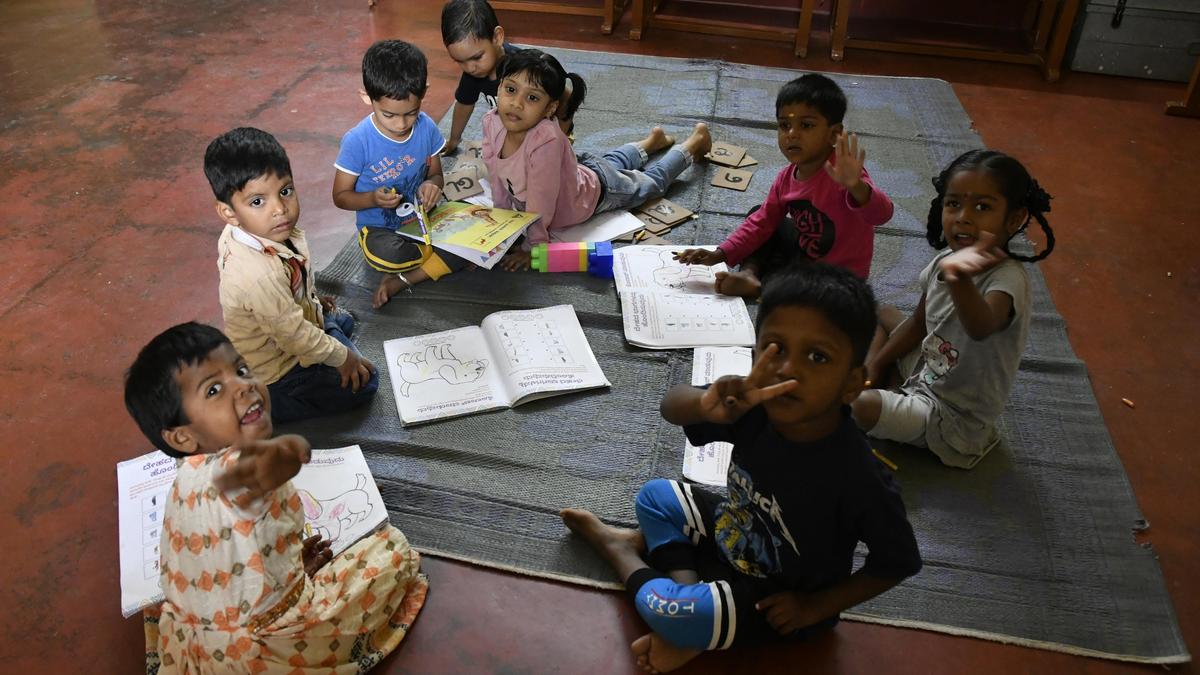
Anganwadi Workers: The Human Backbone of ICDS
Behind the success of ICDS stand millions of Anganwadi workers and helpers who act as teachers, nutrition guides, health monitors, and community counsellors. Their work demands empathy, patience, and trust-building within communities that often struggle with poverty, illiteracy, or cultural barriers. These frontline workers persuade reluctant mothers to vaccinate their children, encourage breastfeeding, identify malnourished kids, and maintain growth records meticulously. Many work beyond official hours, visiting homes to track absentee children or pregnant women requiring medical attention. Their role makes ICDS not only a policy but a lived experience shaped by grassroots dedication.
Despite being essential public service workers, Anganwadi workers have long demanded better wages, training support, and recognition. Their responsibilities have grown over the years, but financial compensation has not matched their workload. Many states have introduced performance-based incentives and training workshops to improve service delivery. The pandemic highlighted their importance when workers delivered rations door-to-door, distributed learning materials, and ensured children continued receiving nutritional support. The growing acknowledgment of their contribution has renewed calls for professional training, job security, and status equivalent to other community healthcare workers.
The programme’s network has steadily expanded, with nearly every village and urban settlement hosting Anganwadi centres that serve as community hubs. These centres offer spaces not just for preschool learning but also for maternal meetings, health camps, and government awareness programmes. They introduce young children to basic learning through play-based activities, preparing them for school. In many tribal and rural regions, children attending Anganwadi centres perform better when they enter primary schools. By integrating early education with nutrition, ICDS ensures that learning does not remain limited to feeding the mind alone but nourishes the body as well.
Anganwadi centres also function as safe spaces for women, allowing them to access information on nutrition, family planning, infant care, and government welfare schemes. They empower women by spreading awareness about their rights, maternal health protocols, and modern childcare practices. Through regular interactions, women begin to trust Anganwadi workers and seek help for health issues they might otherwise ignore. This has significantly reduced stigma around maternal healthcare and encouraged early medical intervention. The centres thus represent an intersection of social empowerment, education, and primary healthcare that benefits entire communities beyond children alone.
Transforming Policy, Battling Malnutrition, Promoting Equity
ICDS has been instrumental in shaping India’s National Nutrition Mission, Poshan Abhiyaan, and other policies aimed at eliminating malnutrition. The programme provides crucial data on child weight, height, and growth patterns, helping governments understand trends at the micro level. These insights influence food budgets, nutrition fortification plans, and scientific diet charts. ICDS has helped India shift from calorie-based approaches to balanced nutrition models that prioritise protein, vitamins, and micronutrients. As malnutrition increasingly includes micronutrient deficiencies, ICDS continues adapting its strategies to ensure dietary diversity in meals served at Anganwadi centres.
The programme has also addressed social inequities by supporting marginalised groups such as tribal communities, migrant workers, and children in slum areas. In many parts of India, children from disadvantaged families receive their only nutritious meal of the day at Anganwadi centres. Without ICDS, millions would remain trapped in a cycle of poor health, low academic performance, and intergenerational poverty. By providing nutrition at the earliest stage of life, the programme breaks developmental inequalities before they become irreversible. Its impact is therefore not just medical or educational but deeply social and economic.
Community participation has helped strengthen ICDS over the years, especially where parents and local groups oversee food quality, attendance, and hygiene. Village committees and women’s groups increasingly work with Anganwadi workers to ensure transparency and accountability. Some regions have experimented with local sourcing of vegetables and grains to improve menu quality while supporting small farmers. These innovations build ownership among communities, making ICDS a shared responsibility rather than a top-down government service. Community involvement transforms Anganwadi centres into collaborative spaces that respond to local cultural and dietary needs.
As India moves into the next phase of development, the future of ICDS depends on sustained investment in infrastructure, nutrition science, and worker empowerment. Experts suggest that centres must be upgraded with better classrooms, play materials, clean kitchens, and sanitation facilities. Digital training for workers, stronger monitoring tools, and regular health screenings can further enhance outcomes. The pandemic has shown the importance of resilience in welfare programmes, urging governments to strengthen ICDS rather than merge or dilute its services. A programme that has shaped half a century of childhood must evolve into a modern, fully supported institutional pillar.
Four Additional Paragraphs
With non-communicable diseases and lifestyle-related health issues rising, ICDS must expand its focus from early nutrition to preventive education for future health. Teaching families about balanced diets, exercise habits, and mental well-being during early childhood can shape healthier adulthood. Incorporating nutrition counselling into preschool activities could help children learn healthy eating through stories, games, and gardening. Such interventions build lifelong habits that reduce obesity, diabetes, and other emerging health challenges. ICDS can therefore become the foundation of preventive healthcare, rather than only a solution to malnutrition.
Experts also recommend integrating stronger collaboration between ICDS and public schools to ensure seamless transition from preschool to formal education. Children who receive early learning support through Anganwadi centres often need follow-up support to prevent dropout. Bridging programmes, joint curriculum planning, and shared training for educators can create continuity in learning. Anganwadi teachers can support primary schools by sharing growth and learning records, helping teachers understand students better. A coordinated system would reduce learning gaps and improve academic outcomes, especially for first-generation learners from socio-economically disadvantaged backgrounds.
The digital era offers opportunities to modernise ICDS while preserving its core values. Apps that track child nutrition, online training for workers, and community feedback tools can improve efficiency. However, technology must be inclusive, ensuring accessibility even in areas with poor network connectivity. A blended approach, combining digital systems with grassroots human interaction, will ensure no community is left behind. Digital innovations must support workers rather than replace their interpersonal role, as trust and cultural understanding remain a key aspect of ICDS delivery.
As ICDS completes five decades, its legacy stands as a testimony to the belief that national progress begins in childhood. The programme’s impact extends across generations, shaping healthier citizens, empowered mothers, and stronger communities. Future reforms must honour its achievements while addressing its limitations, ensuring that every child receives nutrition, care, and learning opportunities regardless of income or location. With proper investment and innovation, ICDS can continue serving as India’s most compassionate developmental vision — a lifeline that proves how a nation’s greatness is measured by its ability to nurture its youngest and most vulnerable citizens.
As ICDS completes five decades, its legacy stands as a testimony to the belief that national progress begins in childhood. The programme’s impact extends across generations, shaping healthier citizens, empowered mothers, and stronger communities. Future reforms must honour its achievements while addressing its limitations, ensuring that every child receives nutrition, care, and learning opportunities regardless of income or location. With proper investment and innovation, ICDS can continue serving as India’s most compassionate developmental vision — a lifeline that proves how a nation’s greatness is measured by its ability to nurture its youngest and most vulnerable citizens.
Follow: Karnataka Government
Also read: Home | Channel 6 Network – Latest News, Breaking Updates: Politics, Business, Tech & More
