
Belagavi, Karnataka — The government has announced a major push to improve urban sanitation and waste management in Belagavi district. Satish Jarkiholi, the Public Works Department Minister, revealed plans to establish two new solid waste management facilities in Belagavi city. The project aims to overhaul existing waste handling mechanisms, reduce environmental pollution, and improve public health and hygiene standards across the region. The announcement has been welcomed by civic bodies, environmental groups, and local residents, many of whom have long complained of irregular garbage collection, open dumping and lack of proper waste disposal infrastructure.
According to the minister, the two proposed facilities will include composting units, waste segregation yards, material recovery centres (for recyclable waste), and modern processing mechanisms to handle both household and commercial waste. He emphasised that the initiative was part of the government’s broader ambition to modernise urban infrastructure in mid-size cities and ensure that they meet rising civic expectations. The facilities, he said, will also be capable of handling biomedical and hazardous waste under regulated conditions, ensuring safer disposal and reduced risk to both people and environment.
Authorities expect the project to be funded through a combination of state-level allocations and central urban development schemes, with implementation to begin in phases over the next 12–18 months. The plan calls for detailed site selection, environmental clearances, community consultations and procurement of necessary machinery. Once operational, the new facilities are expected to significantly reduce unregulated dumping, curb open burning of waste, and improve cleanliness across Belagavi’s residential, commercial, and industrial zones.
WHY BELAGAVI NEEDS IT: Waste Crisis and Public Complaints
Belagavi has seen rapid urban growth, rising population, and expanded commercial activity over the past decade. With that, the volume of solid waste— household garbage, industrial refuse, plastic, biomedical waste, construction debris — has surged substantially. Residents of many localities have repeatedly expressed frustration over irregular garbage collection, overflow of bins, foul smell around dumping zones, stray refuse scattered on streets, and danger of vector-borne diseases.
Local civic bodies have struggled to handle the mounting waste with outdated infrastructure, inadequate staff, and limited processing capacity. A significant portion of waste ends up in informal dumps or along the outskirts of the city — a practice that poses severe risks to soil, groundwater, and public health. Environmental activists warn that such mismanagement could contribute to water contamination, increase in stray animals and pests, and degradation of urban living conditions.
Moreover, biomedical and hazardous waste from hospitals, clinics, and laboratories has often been disposed in ad-hoc manner, raising serious concerns about safety and pollution. The lack of segregation at source means that recyclable, degradable, and hazardous waste end up mixed, complicating disposal and increasing risk of infection or chemical hazard. For many citizens, the announcement of formal facilities has come as long-overdue reassurance that authorities are finally responding to persistent sanitation woes.
DETAILS OF THE PROPOSED FACILITIES AND IMPLEMENTATION PLAN
As per the plan outlined by the PWD Minister, one of the two facilities will be located inside the municipal limits of Belagavi city, aimed at handling household and commercial waste from densely populated zones. This plant will include a material-recovery centre for plastic, paper, glass and metal recyclables; a composting yard for organic waste; and a sanitary landfill for non-recoverable waste. Waste segregation points will be established at source to streamline processing and reduce contamination.
The second facility is proposed to be located at the periphery of the city — catering to bulky waste such as construction debris, industrial residuals, bulky refuse, and hazardous/ biomedical waste. This facility will be designed with proper containment systems, secure storage, incineration or safe disposal mechanisms for hazardous waste, and monitoring systems to prevent environmental leakage or contamination.
Minister Jarkiholi emphasized that both facilities would be equipped with modern machinery — shredders, compactors, balers, composting windrows or tunnels, waste-to-energy readiness infrastructure (if feasible), and waste-processing lines. He added that staff training, use of protective gear, and regular maintenance protocols would be mandatory to ensure efficiency, workplace safety, and compliance with environmental standards.
To finance and manage the project, the state government plans to draw on central allocations under urban development schemes, supplemented by municipal funds and — in certain segments — public-private partnerships. The municipal corporation will coordinate with state agencies to oversee land acquisition (where necessary), environmental clearances, procurement, staffing, and citizen outreach. A project-monitoring unit may be constituted to track implementation milestones, ensure transparency, and handle grievances.
COMMUNITY RESPONSE and Hopes for Cleaner Belagavi
The minister’s announcement has been welcomed by many civic leaders, resident welfare associations (RWAs), and environmental activists. For years, citizens have faced problems of garbage piling up in residential localities, strewn waste along roadside drains, and unsanitary conditions during rainy seasons. Many households — particularly in old city areas and lower-income neighbourhoods — reported poor waste-collection frequency, leading to frustration and health fears.
Local environmental groups called the move “a long-awaited step toward urban renewal.” They highlighted that proper waste management facilities would not only improve cleanliness but could trigger better civic sense, encourage waste segregation at source, reduce use of plastic, and potentially generate local employment through waste-processing, recycling and composting operations. Several activists urged the authorities to pair the new infrastructure with public awareness campaigns, waste-segregation promotions and community participation to ensure long-term success.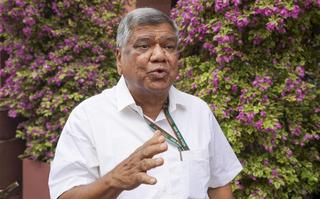
Residents from commercial zones, markets, and eateries also expressed optimism. Business owners said that cleaner streets, efficient waste disposal and controlled dumping sites would improve public perception, sanitation, and foot traffic — all vital for commerce. They called for transparent tracking of waste-management fees and insisted that accountability mechanisms be put in place to avoid neglect once the facilities are operational.
Representatives of health and sanitation agencies welcomed the inclusion of biomedical and hazardous waste processing segments. They stressed that regulated disposal would reduce risks of contamination, spread of diseases, and water-borne infections — a serious concern previously in areas where hospital waste was dumped without proper treatment.
CHALLENGES AHEAD: Implementation, Public Cooperation, and Oversight
While expectations are high, experts caution that success will depend on effective implementation, public participation, and sustained commitment. Site selection — particularly for the peripheral facility — needs careful assessment to avoid environmental damage, displacement, or opposition from nearby communities. Environmental impact assessments, community consultations, and transparent land acquisition processes will be essential to prevent future controversies.
Ensuring proper waste segregation at source remains a major challenge. Without conscious participation from households, shops, and institutions, recyclables, biodegradables, and hazardous waste may continue to be mixed, reducing efficiency of processing, increasing health risks, and raising operational burden. Authorities will need to run awareness campaigns, incentivise segregation, enforce penalties for violators, and possibly restructure waste-collection schedules.
Financial sustainability is another concern. Running two full-fledged waste-management facilities — with composting units, recycling centres, hazardous-waste lines, landfill management, staff, equipment maintenance — requires recurring expenditure. Municipal authorities must ensure stable funding, efficient management, and transparent accounting to avoid neglect, corruption or abandonment.
Monitoring and regulation will also be critical. Authorities must maintain records of waste inflows, processing output, environmental impact (air, water, soil), and public feedback. Independent audits and community oversight can help ensure that waste-management operations do not become burdensome or harmful.
ENVIRONMENTAL AND SOCIAL BENEFITS: A Vision for Sustainable Urban Living
If implemented properly, the two new facilities could mark a turning point in Belagavi’s urban management. Household waste, commercial refuse, construction debris, and hazardous waste would be processed systematically — reducing open dumping, littering, and health hazards. Better waste handling could lead to cleaner streets, reduced disease outbreaks, improved drainage, less waterlogging, and enhanced quality of life.
Compost produced from organic waste could benefit urban gardeners, farming families, and peri-urban agriculture, promoting sustainable reuse of waste and reducing dependence on chemical fertilisers. Recycling facilities could generate raw material supply for small industries, encourage local livelihoods in waste-recycling and material reuse, and contribute to circular economy initiatives.
The initiative could also foster social transformation. By institutionalizing waste-management, authorities send a clear message about civic responsibility, environmental ethics, and sustainable living. Residents may become more conscious about consumption, segregation, use of single-use plastics, and environmental impact — encouraging long-term behavioural change.
For the city administration, success could strengthen public trust, demonstrate effective governance, and set a template for other mid-sized cities in Karnataka and beyond. Belagavi could emerge as a model for urban sanitation — combining infrastructure, community participation, regulatory oversight, and environmental sustainability.
LOOKING AHEAD: WHAT TO EXPECT IN THE COMING MONTHS
In the next few months, officials plan to finalise site selection, initiate environmental impact assessments, and begin land-acquisition or leasing where required. Draft blueprints of the facilities are expected to be shared with municipal bodies, resident associations, and environmental groups for feedback.
Simultaneously, public outreach campaigns will begin. Residents will be educated on waste segregation, proper disposal protocols, and participation in the new waste-management system. Schools and colleges are likely to be roped in for awareness programs, and local media is expected to play a role in disseminating information.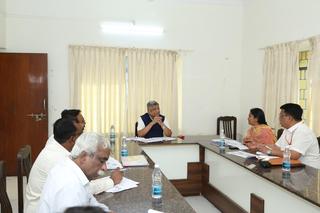
Municipal authorities have indicated that trial runs may begin within 12 months — starting with one of the two facilities. Based on performance, capacity and impact, the full-scale system will be phased in. Citizens hope that this plan will address long-standing sanitation problems and build a cleaner, healthier, and more sustainable urban environment.
Experts suggest that success will also depend on timely data publication, transparency in operations, and consistent civic engagement. Periodic reports on waste processed, environmental indicators, public complaints, and corrective actions must be shared to ensure accountability and encourage cooperation.
CONCLUSION: A New Chapter for Waste Management in Belagavi
The government’s decision to establish two modern solid waste management facilities in Belagavi marks a bold commitment to urban sanitation, environmental responsibility, and public health. If carried out with transparency, community involvement, and technical efficiency, this initiative could transform how the city handles waste — moving from ad-hoc disposal to structured, regulated processing and reuse.
Presence of facilities capable of composting, recycling, hazardous-waste handling, and proper landfill disposal offers hope for cleaner streets, healthier citizens, and a sustainable urban ecosystem. The announcement has raised expectations across communities, civic groups, and environmental stakeholders.
However, the road ahead is challenging — requiring coordination among multiple departments, financial discipline, public participation, and long-term commitment. Residents, activists, and experts will need to remain vigilant, engage actively, and hold authorities accountable to ensure that the vision translates into reality.
For Belagavi, this could be a turning point — an opportunity to emerge as a model city where waste is managed responsibly, environment is protected, and urban living is dignified. Success will not just mean cleaner lanes, but a renewed sense of civic pride, sustainable development, and a healthier future for generations to come.
Follow: Karnataka Government
Also read: Home | Channel 6 Network – Latest News, Breaking Updates: Politics, Business, Tech & More
