
The announcement by former Chief Minister H.D. Kumaraswamy regarding a ₹4,000 crore investment to revive the Visvesvaraya Iron and Steel Plant in Bhadravati has sparked renewed interest in the future of one of Karnataka’s oldest industrial establishments. The plant, which has been struggling for years due to financial stress and low productivity, has long been a symbol of the State’s industrial legacy. Kumaraswamy’s promise has not only raised hopes among thousands of workers and their families but has also brought political focus back to the need for revitalising ageing public-sector units in Karnataka.
Background
Established in 1923, VISP has been a pioneering institution in the country’s steel production sector. Over the decades, it has transitioned from a key industrial hub to a unit grappling with operational constraints, technological obsolescence, and lowered output. Multiple governments have attempted revival efforts, but none have led to long-term sustainability. The unit’s incorporation into the Steel Authority of India was expected to turn its fortunes, yet persistent capital shortages and outdated infrastructure left the plant struggling. The latest promise of investment once again highlights the long-standing need for a complete overhaul of VISP’s machinery and systems.
The prospect of a large-scale revival has also shifted attention to the employment potential attached to VISP’s restart. Local trade unions have repeatedly highlighted that thousands of skilled workers who once depended on the plant were forced into unstable, low-paying jobs after operations slowed. HDK’s assurance of renewed recruitment, skill-training programmes and phased re-absorption of experienced labourers has been received as a sign of long-awaited stability. However, some workers’ groups remain cautious, emphasising that past revival proposals often stalled midway due to bureaucratic hurdles, inconsistent policy direction and financial constraints that were never fully addressed by successive administrations.
In addition to employment prospects, the proposal has reopened discussions on the need for modernising VISP with environment-friendly technologies. Experts note that while the plant has historical significance, its machinery and operational systems require an overhaul to meet contemporary sustainability benchmarks. HDK has indicated that green-steel manufacturing, efficient waste-processing units, and pollution-control upgrades could form part of the new investment plan. Environmental advocates, while welcoming the signals, insist that implementation must be monitored closely, as outdated industrial zones across Karnataka have struggled to balance economic revival with ecological responsibility, resulting in recurring legal and regulatory challenges.
The ₹4,000-crore proposal has also triggered comparisons with previous governments’ approaches to industrial rehabilitation. Policy analysts point out that VISP has been the subject of multiple committees, feasibility studies and funding discussions, yet the absence of a unified vision often resulted in fragmented execution. HDK’s latest assurance is being interpreted as an attempt to project administrative decisiveness ahead of electoral cycles. Critics argue that each revival promise must be backed by transparent timelines, financial clarity and inter-departmental coordination—elements that have historically remained weak, slowing down progress and undermining public confidence in large-scale industrial policies.
Local businesses, meanwhile, view the potential revival as a catalyst for broader economic regeneration in Bhadravati. Small manufacturers, transport operators and service providers have stated that VISP’s revival could significantly boost local circulation of capital, attracting ancillary units and improving market activity. Civic groups in the region have urged the government to pair industrial revival with urban-development improvements, including better roads, upgraded utilities and strengthened public infrastructure. They argue that a revived VISP should not function in isolation but must integrate into a long-term district-level development plan that supports inclusive growth, prevents economic disparities and ensures steady opportunities for both workers and small enterprises.
Political Context
H.D. Kumaraswamy’s announcement comes at a politically sensitive time, with various parties positioning themselves for the next electoral cycle. The promise of reviving VISP aligns with his party’s broader narrative about strengthening Karnataka’s industrial base and preserving traditional employment clusters. While some political observers see this as an attempt to reclaim influence in the region, supporters argue that the proposal addresses a genuine long-term demand. The political stakes are high because VISP’s revival would affect thousands of families across Bhadravati and Shivamogga district, making it a cornerstone issue for regional voters.
Proposed Investment Structure
According to Kumaraswamy, the proposed ₹4,000 crore investment would focus on a phased programme that includes modernising production lines, introducing energy-efficient systems, and adopting new technologies to improve output quality. The plan also includes exploring public–private partnerships to strengthen the plant’s financial viability. While specific details of the funding model have not been disclosed, the emphasis on technological upgradation suggests a complete shift from the plant’s decades-old operational design. This framework, if implemented effectively, could allow VISP to compete with modern steel manufacturers and reestablish its relevance in the national market.
Workers’ Response
VISP workers, many of whom have witnessed years of uncertainty, have welcomed the announcement with cautious optimism. Generations of families in Bhadravati have depended on the plant for employment, creating deep emotional and social ties. The prolonged stagnation had led to fears of closure, voluntary retirement schemes, and reduced morale. The promise of investment has rekindled hope but also raised concerns about the terms of modernisation, especially potential workforce restructuring. Union representatives have insisted that revival efforts must prioritise job security, retraining, and the welfare of employees who have remained loyal to the plant despite its long stagnation.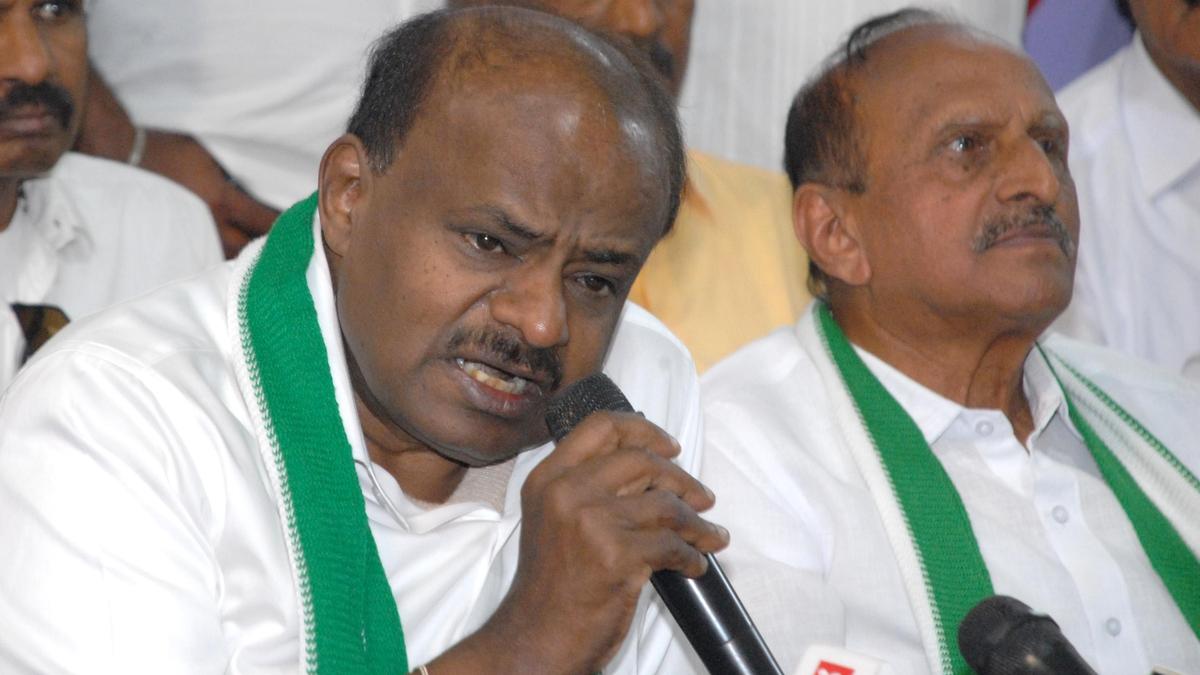
Economic Significance
The potential revival of VISP carries significance far beyond the boundaries of Bhadravati. The plant once contributed substantially to the local economy through auxiliary industries, housing colonies, transport networks, and service sectors. A functional steel plant could stimulate renewed commercial activity, create new supply chains, and attract small and medium enterprises into the region. Additionally, local farmers and traders could benefit from increased demand for raw materials and services. Economists argue that VISP’s restoration could act as a catalyst for balanced industrial development in central Karnataka, particularly at a time when many small towns are seeking economic diversification.
Challenges in Implementation
While the promise of investment is encouraging, the practical challenges remain substantial. The plant’s infrastructure is aged, requiring complex engineering interventions. Machinery replacement, environmental compliance, supply chain correction, and skilled workforce training involve significant logistical effort. Additionally, achieving sustained profitability in the steel sector is difficult due to global market fluctuations and competition from private players with advanced facilities. Administrators also point to long-pending regulatory clearances and land-use permissions that must be addressed before any major upgrade begins. Without a carefully planned timeline and monitoring system, the revival attempt could face the same delays as earlier initiatives.
Stakeholder Expectations
Local leaders, trade unions, industrial experts, and citizen groups have outlined their expectations from the project. Many emphasise transparency in financial planning and accountability in executing each phase of the revival plan. There is strong demand for involving local engineers and specialists rather than outsourcing all operations to external firms. Environmental groups have also insisted on strict adherence to emission norms, given the plant’s proximity to residential neighbourhoods. Most stakeholders agree that the revival must not merely restore past operations but aim for a future-ready facility capable of competing in an increasingly technology-driven steel market.
Regional Development Linkages
Bhadravati has long aspired to retain its industrial character, with VISP at the core of its identity. Reviving the plant aligns with larger development plans for Shivamogga district, including expansions in road connectivity, electricity supply, and industrial infrastructure. If executed effectively, the investment could complement ongoing projects such as logistics hubs and agro-processing units. Such regional integration could encourage new investors to explore Bhadravati as a viable industrial location. Regional planners argue that VISP cannot be viewed in isolation; its revival must synchronise with long-term development strategies designed for the entire district.
Environmental Impact Assessment
Any major expansion or technological upgrade at VISP will require comprehensive evaluation of environmental impacts. Historically, industrial emissions and waste disposal have been concerns for residents living near the plant. The adoption of new technology presents an opportunity to incorporate cleaner production methods, energy-efficient furnaces, and improved waste recycling systems. Environmental experts believe the plant’s revival should serve as a model for sustainable industrial operations in older industrial towns. Ensuring minimal ecological disruption will require coordination between government departments, environmental scientists, and the plant management to ensure compliance with national sustainability norms.
Industry Expert Opinions
Industry analysts have responded to the announcement with a mixture of anticipation and caution. Many emphasise that a large-scale investment is essential for any meaningful turnaround, but warn that technological upgrades alone will not suffice unless the plant adopts competitive pricing strategies and improves supply chain reliability. Some experts suggest forging collaboration with modern steel producers to introduce contemporary manufacturing practices. Others highlight the importance of digital monitoring systems and automated production lines in increasing output efficiency. The consensus, however, is that VISP requires deep structural reform rather than incremental adjustments.
The Road Ahead for VISP
For the revival plan to succeed, coordination between political leadership, technical experts, financial institutions, and workers will be crucial. A clear road map, with goals for each upgrade phase and transparent reporting practices, can help build confidence among stakeholders. Setting realistic production targets and ensuring availability of raw materials are equally vital. Additionally, the government must prepare contingency plans to address potential disruptions in funding or supply chains. The success of the project could ultimately redefine Bhadravati’s economic trajectory and restore VISP’s reputation as a landmark industrial institution in Karnataka.
Timeline Considerations
A revival project of this scale cannot be executed overnight; experts estimate that full modernisation may take several years, depending on approvals, procurement timelines, and the complexity of engineering work. Detailed feasibility studies must precede investment decisions to avoid resource misallocation. The government will need to establish an implementation committee with representatives from all relevant sectors to monitor progress consistently. Timely action in the early stages will help ensure that the project remains aligned with its financial and operational goals. Delay in any phase could impact the morale of stakeholders who have waited decades for progress.
Conclusion
HD Kumaraswamy’s promise of a ₹4,000 crore investment to revive the Visvesvaraya Iron and Steel Plant has reopened debates about industrial heritage, regional development, and economic policy in Karnataka. While the announcement brings renewed hope to Bhadravati, its success rests on pragmatic planning, financial discipline, and long-term commitment. The revival of VISP could transform the region’s economy and reaffirm the importance of preserving historic industrial institutions. Yet the real test will lie in converting political intent into actionable outcomes that secure sustainable employment, technological advancement, and economic growth for the future.
Follow: Karnataka Government
Also read: Home | Channel 6 Network – Latest News, Breaking Updates: Politics, Business, Tech & More
