
A Member of Parliament (MP) from Uttar Pradesh faced an unexpected standstill in Bengaluru’s notorious traffic, triggering a wave of reactions from residents who described his frustration as a daily reality for millions in the city. The MP, who was visiting Bengaluru for a private event, reportedly remained stuck at a single junction for nearly an hour before reaching his destination. The experience prompted him to publicly criticise the city’s traffic management, highlighting what he described as “acute mismanagement” and “complete lack of flow discipline.” His comments gained rapid traction online, leading to a larger debate about urban mobility, policing, infrastructure, and the lived experience of Bengaluru’s residents.
The incident also reignited long-standing debates among urban planners who argue that Bengaluru’s rapid vertical expansion has not been matched by proportional improvements in transport planning. They note that while the city has seen a surge in high-rise apartments, tech parks, and commercial complexes, the supporting road network has remained largely unchanged for years. This mismatch, they say, creates inevitable pressure points during peak hours, resulting in long delays such as the one experienced by the MP. The episode, in their view, is a reminder that infrastructure growth must keep pace with urbanisation.
Commuters who regularly use the Outer Ring Road and major junctions said the MP’s frustration mirrors their daily struggle. Many shared stories of missing medical appointments, interviews, and flights due to unpredictable congestion. Some added that even though the police deploy additional personnel during critical hours, the sheer number of vehicles on the road makes smooth movement difficult. For citizens, the MP’s viral post served less as a shock and more as validation of a problem they have been raising for years.
Traffic experts pointed out that Bengaluru’s congestion is worsened by the high dependency on private vehicles. With public transport options still insufficient for the city’s size, many residents resort to cars and two-wheelers for even short commutes. Experts stressed the need for better last-mile connectivity, faster metro expansion, and reliable bus corridors. They argue that without such measures, even well-intentioned traffic management efforts can only provide temporary relief, not a lasting solution.
Meanwhile, the MP’s remarks triggered political reactions within Karnataka as well. Some leaders defended the city’s growth trajectory and highlighted ongoing infrastructure projects such as metro extensions and elevated corridors. Others said the MP’s criticism should be seen as constructive feedback that underscores the urgency of speeding up pending works. They noted that although Bengaluru contributes significantly to the country’s economy, its internal mobility challenges often go unaddressed due to bureaucratic delays and funding gaps.
The Bengaluru Traffic Police later issued a brief statement acknowledging the MP’s inconvenience and reiterating their commitment to improving traffic flow. Officials said they are working on synchronising signals across more corridors, introducing real-time congestion alerts, and deploying technology-based monitoring tools. While these steps may ease movement in certain areas, officers admitted that long-term improvement depends heavily on infrastructure upgrades being completed on schedule.
As the discussion grew online, several citizens called for a joint approach involving the state government, BBMP, BTP, and metro authorities. They emphasised that only coordinated planning can ease the city’s chronic gridlocks. For many Bengalureans, the MP’s experience was not just an isolated event but a snapshot of the everyday challenges faced by millions across the city. The hope, they said, is that national attention on the issue might finally accelerate the long-pending reforms the city urgently needs.
Background
The MP was travelling from Kempegowda International Airport to the central part of the city when his vehicle encountered severe congestion near Hebbal, one of the city’s busiest traffic junctions. According to his team, the convoy moved only a few meters across several minutes, leaving the MP visibly frustrated. Upon arriving late at his scheduled programme, he voiced criticism against the Bengaluru Traffic Police, saying the situation was “unacceptable for a leading global technology hub.” His remarks, shared widely on social media, quickly struck a chord with citizens who expressed both sympathy and irony, noting that the MP had experienced only a small portion of what they endure on a daily basis.
Public Reaction
Residents across Bengaluru reacted swiftly, with many posting comments that said the MP had finally lived through the city’s most defining challenge. Several wrote that they spend much longer durations on short commutes and questioned whether the MP’s complaint would now push authorities to act. The incident sparked spirited discussions, with users sharing personal experiences of missing flights, arriving late for medical appointments, and feeling emotionally drained by the city’s gridlock. For many, the MP’s remarks were an opportunity to draw attention to systemic issues such as poor planning, lack of enforcement, uncontrolled construction, and inadequate public transport integration.
Traffic Police Response
Officials from the Bengaluru Traffic Police acknowledged congestion in the city but attributed it to rapid urban growth, infrastructure constraints, and high vehicular density. They maintained that personnel are deployed strategically across junctions and that efforts are underway to manage flow more efficiently through signal upgrades, lane discipline drives, and coordination with civic agencies. They also pointed out that construction activity, particularly ongoing flyover and metro works, has contributed to bottlenecks in northern and eastern zones. Senior officers assured that the city continues to refine its traffic management strategy, but admitted that capacity expansion had long been outpaced by population and vehicle growth.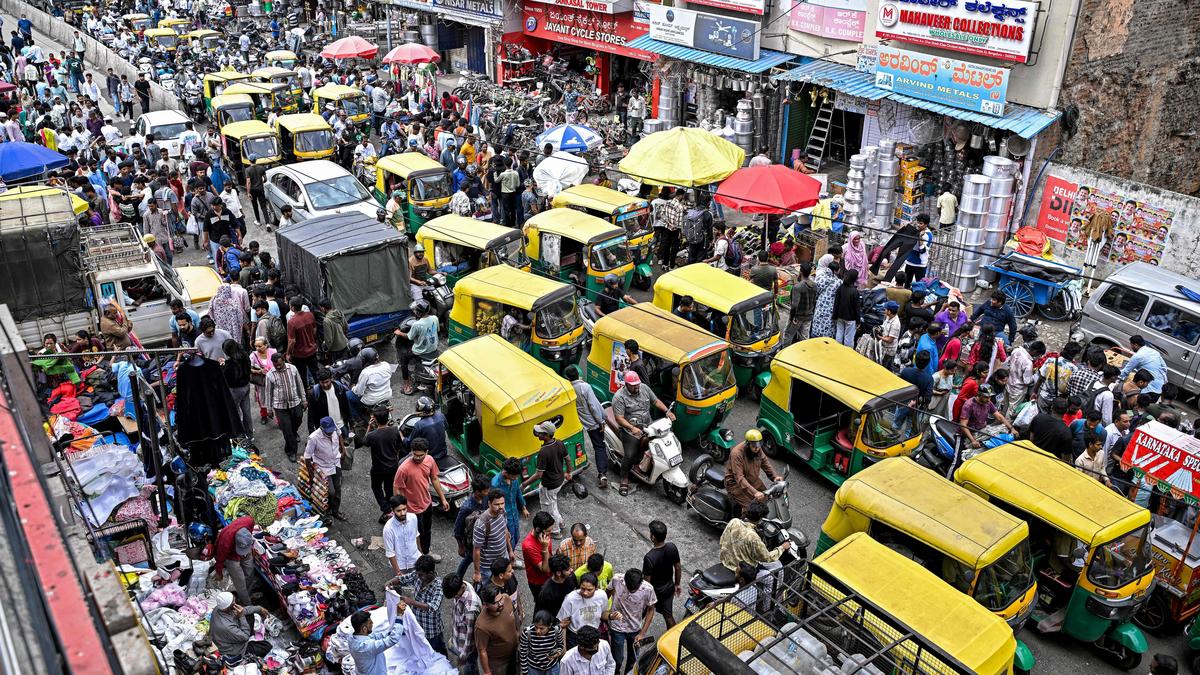
Expert Commentary
Urban mobility experts observed that the MP’s experience reflects broader structural issues affecting Bengaluru’s transport ecosystem. Analysts noted that the city’s infrastructure has not kept pace with its economic—especially tech-sector—expansion. Key arterial roads have limited lane width, inconsistent footpath availability, and no dedicated bus lanes. Experts added that flyover-centric development, while helping at certain points, often redistributes congestion rather than resolving underlying volume problems. They argued that the long-term solution lies in multimodal systems, including suburban rail, integrated BMTC corridors, and feeder services to metro stations. Some stressed that political will and sustained funding are essential to deliver long-term improvements.
The Scale of Bengaluru’s Traffic Problem
Bengaluru consistently ranks among the world’s most congested cities, with average commute times steadily rising over the past decade. Reports indicate that peak-hour speeds on major corridors have dropped dramatically, making even short distances feel arduous. The problem is magnified by an ever-increasing number of private vehicles, many owned by individuals who consider public transport unreliable or poorly connected. The city’s geography — including lakes, narrow roads, and dense localities — combined with limited scope for expansion, creates a natural bottleneck. As a result, even small disturbances such as minor breakdowns or signal failures can cause cascading delays affecting large swathes of commuters.
Linking Infrastructure Gaps to Commuter Stress
Psychologists and workplace counsellors have previously noted the toll that long commutes impose on Bengaluru’s residents. Prolonged hours spent in traffic contribute to stress, fatigue, and reduced productivity. Employees working in technology parks often leave early in the morning to avoid peak congestion and return home late, sacrificing personal and family time. The MP’s hour-long delay served as a reminder of the everyday emotional and physical strain associated with navigating the city. Public sentiment suggests that residents hope increased visibility and political pressure will prompt authorities to prioritise long-discussed solutions such as road widening, metro connectivity, and traffic signal optimisation.
Government Response and Policy Implications
State government officials emphasised that several projects are underway to ease congestion, including ongoing metro extensions, elevated corridor proposals, and junction redesign initiatives. Ministers responded to the MP’s comments by acknowledging the frustration while urging patience during large-scale infrastructure work. They pointed out that transformative changes require time and significant investment, especially in a city with complex urban dynamics. However, critics argue that project delays, insufficient coordination across departments, and lack of long-term vision have contributed to the problem. They call for disciplined implementation of transport master plans and more transparency regarding project timelines.
Role of Technology in Future Traffic Management
Bengaluru, known globally as a technology hub, has initiated the use of intelligent transport systems for smoother traffic flow. These include adaptive signal control, digital surveillance, automated enforcement, and GPS-based monitoring of road conditions. Tech firms have collaborated with the government to pilot data-driven solutions capable of predicting congestion and guiding commuters through alternate routes. Experts, however, caution that technology alone cannot solve structural deficiencies like narrow roads and inadequate public transport. They argue that it must be combined with policy reforms, enforcement discipline, and behavioural change. Citizens also point out that consistent and fair enforcement is necessary to discourage violations that worsen congestion.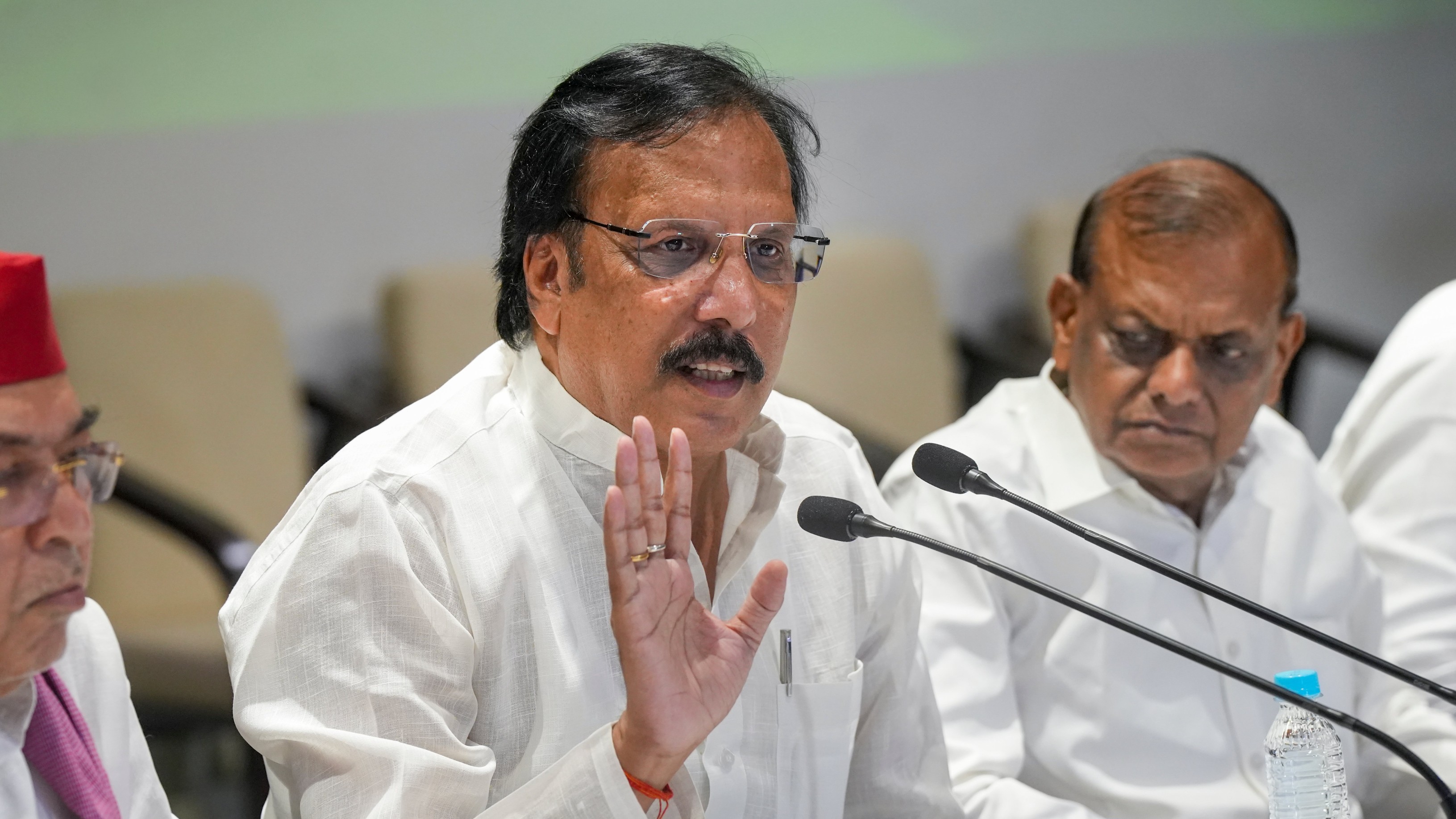
Conclusion
The MP’s criticism may have begun as a personal expression of frustration, but it quickly evolved into a much larger reflection of Bengaluru’s long-standing mobility crisis. While the city remains a powerhouse of innovation and economic growth, its infrastructure struggles to support its rapid expansion. Citizens’ reactions underline a vast reservoir of daily hardship, impatience, and hope for meaningful reform. Whether the MP’s experience sparks serious political engagement or becomes another momentary flashpoint remains to be seen. Yet, the incident has once again placed Bengaluru’s chronic traffic problem under the spotlight, reminding all stakeholders of the urgent need for coordinated, sustainable, and long-term solutions.
Follow: Karnataka Government
Also read: Home | Channel 6 Network – Latest News, Breaking Updates: Politics, Business, Tech & More
