
PUCL’s Findings Reveal Alleged Illegal Detention and Brutal Assault
The shocking custodial death of 28-year-old delivery executive Darshan Singamalai has triggered intense public anger and renewed debate over police accountability in Bengaluru. A fact-finding team from the People’s Union for Civil Liberties has demanded a full judicial inquiry into the circumstances of his death, alleging that he suffered severe custodial torture at the Viveknagar Police Station. The organisation stated that Darshan was illegally detained, beaten with lathis and pipes, and denied basic rights, raising troubling questions about systemic failures and the vulnerability of marginalised communities facing custodial violence across the country.
PUCL’s preliminary report describes a sequence of events that has stunned civil society groups and human-rights advocates alike. According to the organisation, Darshan was picked up at around 1:30 a.m. on November 12 by two policemen who accused him of threatening a food-delivery worker with a knife. The team alleges that instead of being produced before a magistrate within the mandatory 24-hour period, he was held in custody for four consecutive days, during which he was subjected to severe and repeated physical assault. The group claims that police personnel violated both legal protocol and constitutional protections.
The report makes detailed allegations regarding the manner in which Darshan was treated inside the police station, stating that he was beaten with lathis and pipes on multiple occasions. PUCL emphasises that his injuries were consistent with signs of custodial torture, pointing to witness accounts and testimonies collected from people who had seen him before his health deteriorated. It asserts that the police failed to offer him medical assistance despite clear indications of physical trauma. These allegations have intensified calls for an impartial judicial investigation into the conduct of the officers involved.
One of the most distressing aspects of the case, as highlighted by the PUCL team, involves the alleged refusal of police officials to release Darshan despite repeated pleas from his mother. The fact-finding report claims that she visited the station multiple times on November 13, requesting to see her son, but officers denied her access each time. PUCL argues that this behaviour reflects not just callousness but a deliberate attempt to hide the custodial torture to which Darshan was allegedly subjected. The emotional weight of these claims has intensified public outrage.
Members of Darshan’s family belong to a Scheduled Castes community, a detail PUCL says is crucial to understanding the larger structural dynamics surrounding the case. The organisation believes that caste-based discrimination may have played a significant role in the way Darshan was treated by the police. They argue that custodial violence often disproportionately affects individuals from marginalised communities who lack social, political, and economic protection. This case, they say, is emblematic of a broader pattern of caste-linked police brutality that demands deeper institutional scrutiny.
Civil-rights groups and community activists have come together in support of the family, calling for immediate protection measures. PUCL has urged authorities to ensure that the victim’s family does not face intimidation, pressure, or retaliation for pursuing justice. The organisation fears that the power imbalance between the affected family and the police could lead to coercion or attempts to manipulate the narrative. They insist that safeguarding the family must be a top priority as the inquiry progresses to ensure a fair and transparent process.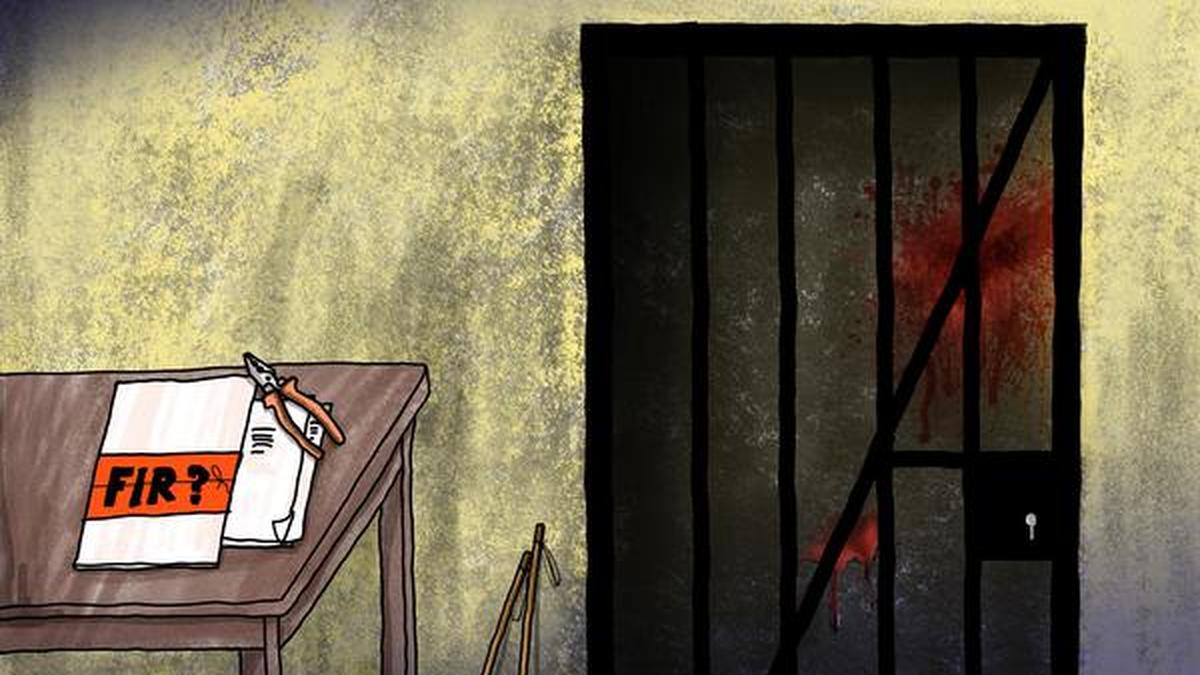
The emotional turmoil following Darshan’s death has also sparked conversations about policing practices in Bengaluru. Many activists argue that custodial torture continues because of systemic loopholes and lack of accountability. They point out that despite repeated incidents, strict action against erring police personnel is rare, contributing to a culture where custodial abuse becomes normalised. The case has revived calls for mandatory CCTV surveillance, stronger oversight mechanisms, and accountability structures that prevent officers from misusing their authority.
Legal experts have also weighed in, stressing that custodial torture represents one of the gravest violations of human rights. Indian law requires that any person detained by the police must be produced before a magistrate within 24 hours, treated with dignity, and protected against violence. Violations of these safeguards, they argue, not only undermine constitutional freedoms but also erode public trust in policing institutions. They say that a judicial probe, rather than an internal departmental inquiry, is essential for ensuring impartiality and restoring faith in the justice system.
According to PUCL’s findings, Darshan’s health deteriorated rapidly during his illegal detention. Witness accounts suggest that he was barely able to stand due to the severity of his injuries. The organisation claims that despite clear signs of physical trauma, officers allegedly refused to arrange medical care or take him to a hospital. This indifference, PUCL argues, directly contributed to Darshan’s death. They say that the deliberate denial of medical attention constitutes criminal negligence beyond the allegations of custodial torture.
Calls Grow for Accountability, Systemic Reform, and Protection for the Family
Public reaction to the case has been strong, with many describing Darshan’s death as a preventable tragedy that exposes the darker realities of policing. Civil-society groups have organised discussions, vigils, and meetings to highlight the issue and demand meaningful reforms. The case has particularly resonated with gig-economy workers and delivery employees who identify with Darshan’s background and the precarious nature of such employment. They argue that workers in low-income occupations often face unfair suspicion and biased policing that threatens their safety.
Families living near Viveknagar Police Station have also shared concerns, with some claiming that fear of arbitrary detention and violence has become common. These community accounts reflect a growing mistrust of local law-enforcement practices. PUCL says such testimonies signal systemic issues rather than isolated misconduct. They hope that public pressure will compel authorities to prioritise reforms, strengthen safeguards, and build a policing system that respects human rights and treats all citizens equally.
Former police officials have offered mixed responses to the allegations. Some argue that custodial violence must be condemned unequivocally and call for strict disciplinary measures if the inquiry confirms wrongdoing. Others caution against assuming guilt before a full investigation is conducted, pointing out that police sometimes deal with difficult circumstances. However, most agree that any breach of legal procedure, especially one involving illegal detention and denial of medical care, requires strong action to uphold the integrity of policing institutions.
Political reactions have begun emerging as well, though cautiously. Elected representatives from the region have called for transparency and expressed concern over the seriousness of the claims. They have emphasised the need for due process and accountability, acknowledging that custodial deaths deeply impact public perception of governance and justice. Activists, however, believe political pressure should be stronger and more vocal, arguing that silence enables a culture of impunity to flourish within police departments.
The legal community has also outlined the next steps that must follow PUCL’s demand for a judicial inquiry. They note that such an inquiry must be time-bound, independent, and empowered to examine all aspects of the case, including medical records, CCTV footage, and testimonies from police personnel and eyewitnesses. Experts insist that only a judicial probe can ensure that all facts are unearthed without manipulation. They say that departmental inquiries often fail to hold officers accountable due to internal loyalties and institutional pressures.
Human-rights organisations have used Darshan’s case to highlight broader concerns about custodial violence across India. They point out that many such deaths go unreported or are passed off as medical emergencies. They argue that structural reforms, including stronger external oversight bodies and mandatory recording of all interrogations, are critical for preventing future incidents. PUCL says that without systemic change, individual inquiries will only address symptoms and not the deeper faults that enable custodial abuse to continue unchecked.
The impact of Darshan’s death on his family has been profound. PUCL members who met them described a household struggling with grief, anger, and fear. His mother’s repeated attempts to see him while he was alive, only to be turned away, have emerged as one of the most heartbreaking elements of the case. The organisation argues that the emotional trauma suffered by the family must be recognised alongside the legal aspects. They believe providing protection, support, and counselling is essential for their recovery and pursuit of justice.
Community members who knew Darshan remember him as a hardworking young man who supported his family through his delivery-executive job. They say he was not known to engage in disruptive behaviour and question the police’s justification for detaining him. These personal accounts have further fuelled public sympathy and intensified scrutiny surrounding the case. PUCL says such testimonies challenge the narrative that custodial violence is reserved for hardened criminals, pointing instead to a disturbing pattern that affects ordinary citizens.
As discussions deepen, PUCL insists that the case should serve as a turning point for Bengaluru’s policing landscape. The organisation says that only a transparent investigation followed by decisive action can restore public faith. They argue that justice for Darshan must not stop at identifying and punishing those responsible but should also include institutional reforms that protect vulnerable communities and prevent future tragedies. They believe the demand for systemic change must remain strong and persistent.
Public-interest lawyers and human-rights defenders have vowed to monitor the inquiry closely. They say that ensuring accountability is vital not just for Darshan’s family but for the broader fight against custodial violence nationwide. They emphasise the need for continued media attention, civil-society engagement, and sustained pressure on government authorities. PUCL has confirmed that it will continue to support the family and pursue legal avenues until justice is delivered and wrongdoing, if confirmed, is punished.
The mounting public outcry reflects a collective desire for a policing system grounded in dignity, fairness, and transparency. As the call for a judicial inquiry grows louder, citizens across Bengaluru and beyond are watching closely. For many, the handling of this case will signal whether institutions tasked with public safety are willing to hold themselves to the highest standards of integrity. PUCL’s insistence on accountability underscores the urgent need to address custodial violence and protect the fundamental rights of every individual.
Follow: Karnataka Government
Also read: Home | Channel 6 Network – Latest News, Breaking Updates: Politics, Business, Tech & More
