
In a decisive judicial intervention, the Karnataka High Court (KHC) has directed the state government not to issue any fresh recruitment notification that includes increased reservation percentages for Scheduled Castes (SCs) and Scheduled Tribes (STs). The court’s order has sent a strong message that any alteration in reservation policy must be rooted in a constitutional and legal review — not simply enacted by executive notification. The ruling has immediate implications for thousands of pending job aspirants, ongoing recruitment processes, and the broader politics of reservation and social justice in Karnataka.
The verdict has triggered a wave of responses — from relief among some government-job hopefuls to frustration and concern among political groups and social-justice advocates. At its core lies a complex debate on fairness, quota policy, equality before law, and the binding nature of constitutional safeguards. The High Court’s stay on fresh notifications reflects the delicate balance between social justice aspirations and the rule of law, as interpreted by the judiciary.
Background and the High Court’s Decision
In recent months, the Karnataka government had prepared to roll out a recruitment drive with enhanced reservation quotas for SCs and STs in various government posts, aiming to bolster representation of historically marginalised communities. The proposal envisaged increasing the share of reserved posts beyond existing norms, a step justified by the government as part of its commitment to social justice and inclusion. Many aspirants — from both reserved categories and general categories — had anticipated the new notifications, hopeful that wider quota might improve their chances.
However, a petition was filed before the High Court challenging the proposed increase in reservation percentages. The petitioners — representing aspirants potentially affected by quota change — argued that the proposed increase did not follow constitutional or statutory mandate, lacked normative basis, and would lead to unfairness to other applicants. They contended that reservation changes cannot be made arbitrarily and must undergo legislative process or proper constitutional review, rather than executive-driven orders.
After hearing the arguments, the Court accepted the petitioners’ contentions. It concluded that the State government does not have unfettered discretion to raise reservation quotas via executive notification. The Court emphasized that any change in the system of reservation must comply with constitutional provisions, precedents, and ensure equality and fairness for all applicants. On these grounds, the High Court directed the State not to issue any fresh recruitment notification incorporating the proposed increased reservation for SCs/STs, at least until a full legal and constitutional review is completed.
The order immediately halts all ongoing preparations by the recruitment boards for a fresh notification. It effectively places a moratorium on issuing new job advertisements with revised quotas — creating uncertainty for both candidates planning to apply, and the administration that had begun structural arrangements.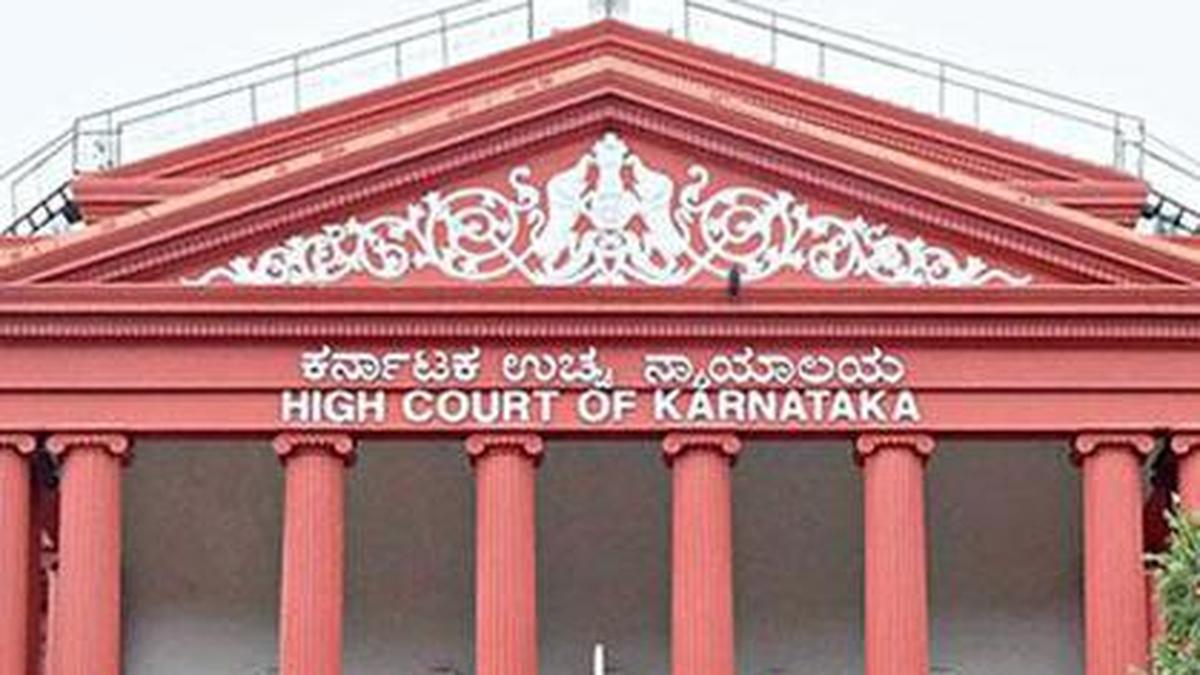
In its verdict, the Court underscored the importance of upholding constitutional safeguards — not only for reserved categories but for all citizens seeking opportunities under government employment. It warned that altering reservation norms without proper legal foundation could set a dangerous precedent, undermining the principles of fairness, transparency, and meritocracy. The judgment thus seeks to protect the sanctity of the recruitment process and ensure that any shift in reservation policy is deliberated, justified, and constitutionally valid.
Implications: Aspirants, Politics, and Social Justice Debate
The High Court’s decision carries wide-ranging consequences — immediate, medium-term, and long-term — affecting aspirants, the government, and social justice discourse across Karnataka.
Impact on Job Aspirants: For many candidates eagerly awaiting a new recruitment drive, the verdict comes as a blow. Those from SC/ST backgrounds who hoped for increased quota — potentially improving their chances — may feel disappointed. Their expectations of better representation in government jobs will now be deferred. Simultaneously, aspirants from general or other backward categories may view the order as a safeguard against quota expansion that could have reduced their opportunities. The uncertainty may lead to frustration among both groups, as the timeline for any new recruitment remains undefined.
Administrative and Governmental Challenge: The state government now faces a dilemma — whether to reconsider its policy, push for a legislative amendment, or withdraw its plan altogether. Officials may need to weigh the political costs of deferring the quota expansion against the legal and constitutional risks flagged by the Court. The recruitment boards will need to place recruitment processes on hold, restructure their policies, and await further clarity. This could delay filling of many vacant posts — potentially affecting administrative efficiency and public service delivery across departments.
Political Fallout and Social Justice Debate: The ruling invites renewed debate on the purpose, scope, and future of reservation. Proponents of quota expansion argue that increased reservation is essential to ensure social justice, representation for marginalised groups, and rectify historical inequalities. For many social-justice advocates, the Court’s decision might seem like a setback in efforts to widen inclusion. On the other hand, critics of expanded quotas — and supporters of strict merit-based recruitment — will welcome the judgment as an affirmation of fairness and equality under law.
The judgment may influence future politics in Karnataka. Political parties and leaders advocating for stronger representation for SC/ST communities may be compelled to recalibrate their strategies. Conversely, groups concerned about reservation overreach may find a legal endorsement for their stance. Election manifestos, candidate appeals, and public discourse may now pivot on how reservation policies should evolve, and whether legislative overhaul is needed.
Legal and Constitutional Precedent: The High Court’s order reinforces the principle that reservation policies — which directly affect citizens’ right to fair opportunity — cannot be changed on impulse. They require careful constitutional and legislative backing. The verdict may serve as a precedent not only for Karnataka but other states where similar executive-driven quota expansions are proposed, encouraging courts and petitioners to challenge arbitrary policy shifts. It strengthens judicial oversight over reservation matters and reiterates the need for law-based decision-making.
Potential Delay in Filling Vacancies: Human-resources departments across government services may face staffing shortfalls, as recruitment processes stall. Long-pending vacancies in critical sectors — education, health, administration, local bodies — might remain unfilled, affecting service delivery to citizens, especially in rural and underserved regions. The government may need to devise interim arrangements or expedited legislative paths to resume recruitment.
Uncertainty for Future Recruitment Plans: Aspirants, job-seekers, and recruitment boards are now in a limbo. It is unclear when — and if — revised reservation quotas will take effect. The Government may choose to abandon its plan, redefine quotas within constitutionally acceptable limits, or propose legislation to seek court approval for changes. Until then, recruitment planning remains uncertain.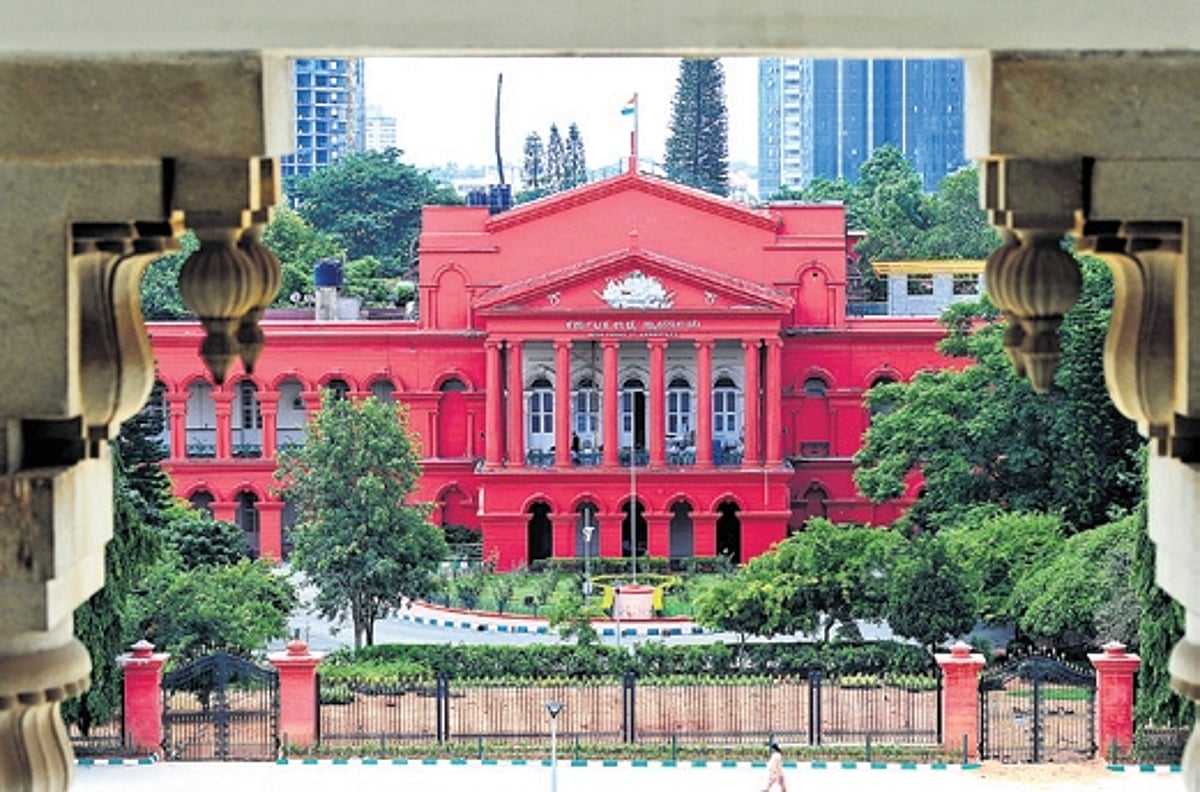
Broader Context: Reservation Policy, Social Equity, and Institutional Trust
To appreciate the significance of this ruling, it helps to view it in the larger context of India’s complex history with reservation, social equity, and the tension between affirmative action and meritocracy. Reservation policies were introduced to correct historical injustices, provide representation to historically marginalised communities, and ensure equal opportunity. Over decades, they have helped many individuals access education, employment, and social mobility that might otherwise have been denied.
Yet, reservation remains a contentious and evolving issue — especially when expansions are proposed. Opponents argue that unchecked quota growth can erode meritocracy, lead to reverse discrimination, and strain public resources. Proponents insist that social inequality persists, and that greater representation of SC/ST communities is essential for justice and equitable development. The High Court’s order reflects this tension: while it does not oppose reservation per se, it insists that changes to quota must be grounded in law and constitutional safeguards.
In Karnataka — a state that has long been at the intersection of caste dynamics, social justice movements, and political mobilizations based on identity — the ruling underscores the fragility and sensitivity of reservation policy. It reaffirms that shifts in such policy cannot be arbitrary or politically expedient. Instead, they require careful deliberation, legal scrutiny, and transparent debate.
The decision also has implications for institutional trust. By stepping in, the judiciary has reinforced its role as a guardian of constitutional rights and fairness. For citizens — across communities — the ruling may enhance confidence that legal processes can check executive overreach. For the administration, it serves as a reminder that governance actions must respect constitutional boundaries, and that social-justice initiatives must be implemented with legal and ethical rigor.
Looking Ahead: What Happens Next — Legal, Administrative, Political Paths
Following this ruling, several possible courses of action emerge for the State government, political stakeholders, and civil society.
1. Legislative Amendment or Policy Redraft: The state could choose to introduce a bill in the legislature seeking to amend reservation quotas, with proper justification, data on backwardness or representation gaps, and constitutional compliance. If passed, this could provide the legal grounding needed to resume recruitment with revised quotas.
2. Judicial Review and Public Consultation: The government might commission studies to assess the socio-economic status of SC/ST communities, gaps in representation, and the need for quota expansion. These findings could strengthen any future proposal for increased reservation. Alternatively, the government may engage in public consultations or dialogues with community representatives before attempting any quota change.
3. Resumption of Recruitment with Existing Quotas: Until any lawful change is enacted, recruitment boards may proceed with notifications — but only under existing reservation quotas. This would mean that aspirants must apply under the status-quo rules, and the system would continue without expanded quotas for the time being.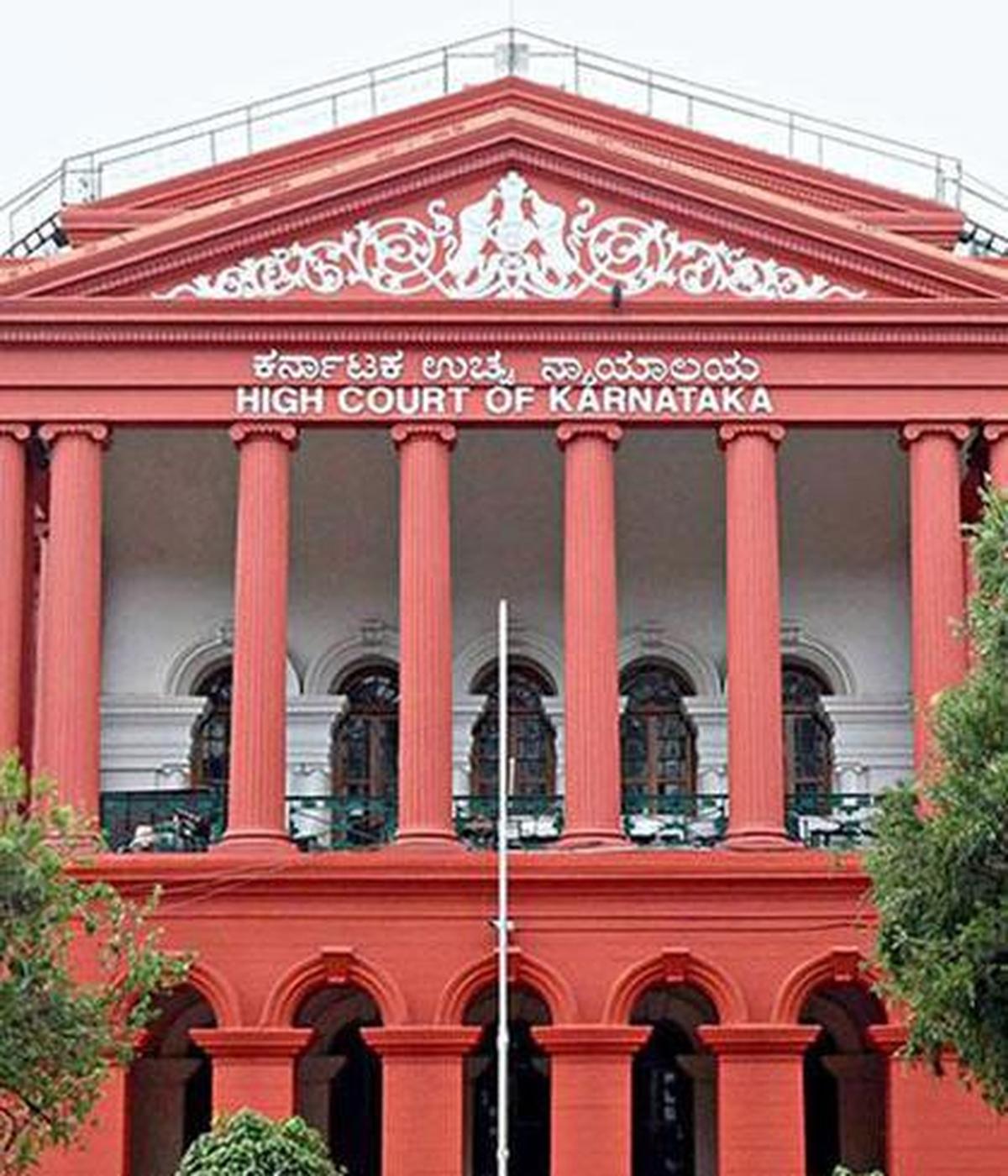
4. Possible Political Fallout and Mobilization: Social-justice groups, political parties, and civil society may lobby for quota expansion, organise protests, or push for legislative change. The ruling could energize debates on reservation policy and social equity ahead of future elections.
5. Administrative Replanning and Workforce Management: Departments awaiting staff recruitment may need to revise their hiring plans, fill critical posts through other means (temporary staff, contract workers), or wait until the legal and legislative process resolves. This could impact public services, especially in sectors reliant on government staffing.
6. Long-term Policy Review and Institution Building: The ruling could prompt the state to consider more systematic approaches to representation and social equity — including targeted welfare schemes, skill development, educational upliftment, and measures to address structural inequality beyond reservation alone.
Follow: Karnataka Government
Also read: Home | Channel 6 Network – Latest News, Breaking Updates: Politics, Business, Tech & More
