
Lakshman Singh has officially assumed the role of Managing Director of K-RIDE — the nodal agency responsible for executing several high-profile infrastructure and public-transport projects in Karnataka. The appointment marks a significant shift in leadership for K-RIDE and signals a renewed push by the state government to accelerate urban infrastructure development, especially for suburban and satellite towns. With multiple pending projects and public expectations riding high, Lakshman Singh’s tenure begins under both opportunity and pressure to deliver results.
As he takes charge, many are watching closely — from civic planners and public-transport advocates to ordinary commuters who hope to see faster roads, better connectivity, and improved amenities. The change in management is being viewed as a strategic move by the state government to inject fresh energy and direction into K-RIDE’s operations. But with complex projects, bureaucratic hurdles, and urban-rural divides at play, the road ahead for the new MD promises to test both his vision and execution abilities.
Why The Leadership Change Matters — K-RIDE’s Role and Expectations
K-RIDE is tasked with planning and implementing infrastructure and transport projects aimed at easing urban congestion, improving suburban connectivity, enabling sustainable growth, and managing regional development. Over the years, the agency has been entrusted with ambitious initiatives — including ring roads, suburban rail networks, improved road links, and integrated urban planning schemes. Given rapid urbanisation, population growth, and rising demand for efficient public services across Karnataka, K-RIDE’s mandate has become increasingly critical.
The decision to appoint Lakshman Singh as Managing Director arrives at a juncture when several of K-RIDE’s key projects are either underway, delayed, or awaiting clearance. Sources say his selection reflects the government’s desire to bring in a leader who can navigate complex administrative challenges, coordinate among multiple departments, and steer stalled projects toward completion. The move is also intended to reassure stakeholders — citizens, contractors, urban planners — that the projects will be revived with renewed accountability and oversight.
Public expectation attached to this leadership change is high. Many urban residents, especially commuters in suburban belts and satellite towns, view this as their chance for improved infrastructure: smoother roads, better public transport, reliable connectivity, and less traffic. For many businesses, industries, and developers dependent on infrastructure to expand, K-RIDE’s efficient functioning impacts growth, investment, and quality of life. For rural-urban migrants, improved transport and connectivity can mean access to jobs, education, and services — raising hopes for a better future.
At the same time, K-RIDE’s mandate faces numerous challenges: land acquisition disputes, environmental clearances, bureaucratic red tape, inter-departmental coordination issues, resource constraints, and political pressure. Given these hurdles, the appointment of Lakshman Singh is being seen as more than a routine administrative change — it is being treated as a test of intent, will, and administrative competence by the state government. Observers hope his leadership will bring clarity in timelines, transparency in processes, and tangible progress on ground.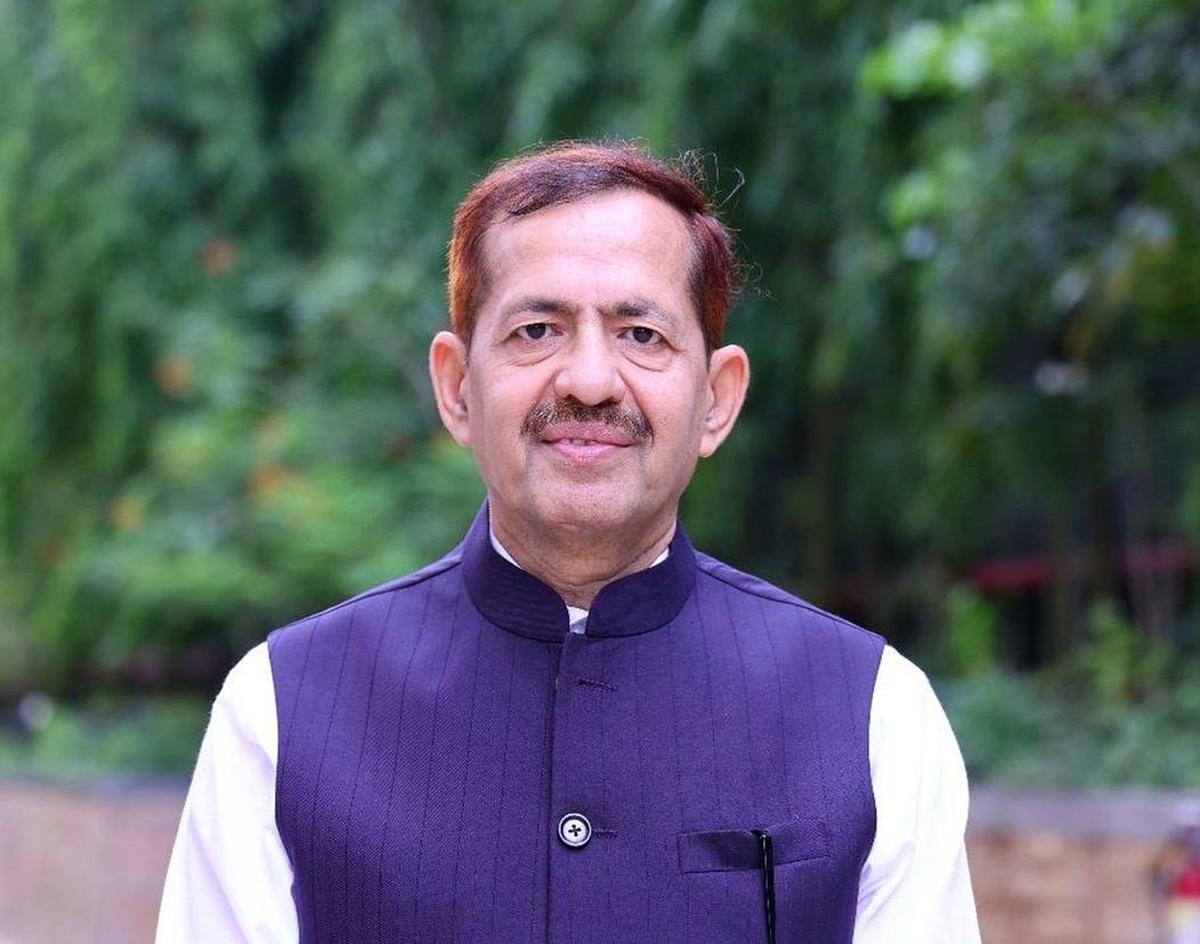
Challenges Ahead & What Needs to be Addressed — Infrastructure, Governance and Public Trust
For Lakshman Singh, stepping into the role of MD of K-RIDE comes with a long to-do list and high expectations. A critical challenge will be to balance ambitious infrastructure plans with socio-economic realities, environmental safeguards, and public sensitivity. Projects under K-RIDE often involve land acquisition, relocation of affected families, and ecological impacts; ensuring fair compensation, transparent processes, and inclusive planning will be vital.
Another significant hurdle lies in administrative coordination. Infrastructure projects under K-RIDE require collaboration across multiple departments — urban development, transport, environment, local governance, revenue, and sometimes central agencies. Delays and miscommunication among different wings have in the past contributed to slow progress or stalled projects. As new MD, Lakshman Singh must establish stronger inter-departmental coordination, clear timelines, and greater accountability to overcome these structural bottlenecks.
Financial sustainability is another concern. Large-scale infrastructure and transport projects demand significant funding — for construction, maintenance, technology, manpower, and future upgrades. Given competing priorities in state budgets, it will be essential for K-RIDE to manage funds efficiently, explore alternate financing models (public-private partnerships, bonds, central assistance), and ensure cost-effectiveness. Mismanagement or delayed funding could derail even well-planned projects.
Public trust and transparency will also be a test. Past infrastructure initiatives in many parts of India have been marred by delays, cost overruns, substandard execution, legal hurdles, or incomplete deliverables — eroding public faith. To avoid such pitfalls, the new leadership should prioritise open communication: regular public updates, transparent tendering processes, community consultations, environmental-impact disclosures, and grievance redressal mechanisms.
Equally important will be the focus on sustainability and long-term benefits. Infrastructure developed without considering social and environmental impacts can lead to long-term problems — loss of habitat, urban sprawl, inequitable growth, and social displacement. K-RIDE under Lakshman Singh must balance immediate development needs with sustainable urban planning, equitable growth, and climate-sensitive policies.
Finally, given political dynamics and changing public expectations, delivering results on ground in a timely manner will be critical. Success or failure of high-profile projects under his watch will influence public opinion, electoral outcomes, and the credibility of the government’s infrastructure agenda. The pressure will be high — but so will the opportunity to make lasting, positive impact.
What Citizens and Stakeholders Expect — Bridges, Roads, Connectivity and Better Lives
With the leadership transition, various segments of society have pinned hopes on swift progress. Commuters expect better roads, less congestion, improved public-transport options. Residents of suburban and satellite towns look forward to reliable connectivity to urban centres, supporting their daily commute to workplaces, schools, markets, and services.
Small businesses, traders, and transport operators see possibilities for growth — smoother logistics, better access to markets, improved supply chains, and expansion opportunities. For developers, investors, and real-estate stakeholders, improved infrastructure under K-RIDE may mean increased land value, better prospects for housing/ commercial projects, and enhanced urban expansion prospects — which may bring economic activity, jobs, and prosperity to many regions.
For socially and economically vulnerable populations — informal workers, migrants, rural residents seeking urban opportunities — better connectivity can translate to access to employment, education, health-care, and social services. Affordable and efficient public transport can reduce commuting costs and improve mobility. Infrastructure development under K-RIDE, if implemented with equity and sensitivity, could become a vehicle for inclusive growth.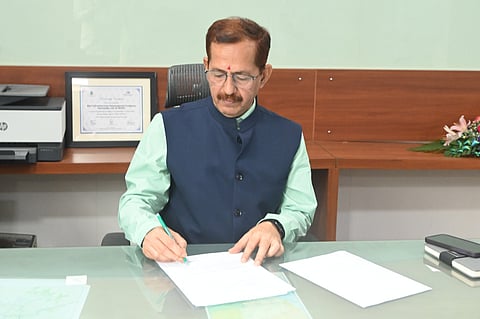
For civic-society groups, urban planners, environmentalists, and activists — K-RIDE under new leadership represents a chance to embed principles of sustainable development, equitable planning, and public interest. Many expect that future projects will prioritise green infrastructure, proper environmental clearances, inclusive planning, pain-free resettlement for affected communities, and transparent public engagement.
Because of this, the new MD’s actions will be watched closely — not just by administrators, but by citizens, civil society, and media. Stakeholders expect more than glossy announcements: they want ground-level delivery, timely execution, fair processes, and visible improvement in daily life.
Looking Forward — Success Will Require Vision, Integrity and Strong Execution
As Lakshman Singh settles into his role, the coming months will be pivotal. If he manages to steer K-RIDE with vision, transparency, accountability, and citizen-centric focus, his tenure could mark a transformational phase in Karnataka’s urban and regional development. Starting with prioritising key pending projects, addressing land-acquisition bottlenecks, fast-tracking clearances, ensuring community involvement, and establishing robust monitoring systems — the roadmap must be pragmatic and inclusive.
Further, to build sustained trust, the administration must institutionalize mechanisms for public feedback, regular progress audits, environment and social impact assessments, and periodic public reporting. Without consistent oversight, even well-intentioned efforts may falter under political or bureaucratic pressure.
K-RIDE’s success under new leadership will also depend on engaging local communities meaningfully — ensuring that affected people are heard, compensated fairly, rehabilitated properly. Transparency, timely compensation, and genuine consultation can prevent conflict, resistance and project delays. This will require humane policies, empathy, effective grievance resolution, and long-term planning.
Financial discipline and pragmatic funding strategies will matter. Exploring public-private partnerships, central government schemes, financial institutions, and community funding models may help mobilise resources without burdening the state budget. Prioritising projects based on need — not political expediency — and focusing on impactful, high-utility initiatives can ensure cost-effectiveness.
Lastly, K-RIDE must navigate political pressures, public expectations, and changing governance dynamics carefully. Delivering results quickly — without compromising quality or equity — will be a tough balancing act. But if managed well, this period can define a new era of urban growth, inclusive development, and infrastructure-driven transformation in Karnataka.
Conclusion: New Beginning, Huge Stakes — Karnataka’s Infrastructure Future Under Lens
The appointment of Lakshman Singh as Managing Director of K-RIDE is more than an administrative shuffle; it signals a renewed push by Karnataka’s government toward infrastructural reform, urban-rural integration, and public-service delivery. For citizens, commuters, communities, businesses, and planners — this leadership change raises hope for better roads, improved transport, enhanced connectivity, and inclusive growth. For K-RIDE, it is an opportunity to shed past delays, deliver on promises, and build institutional credibility.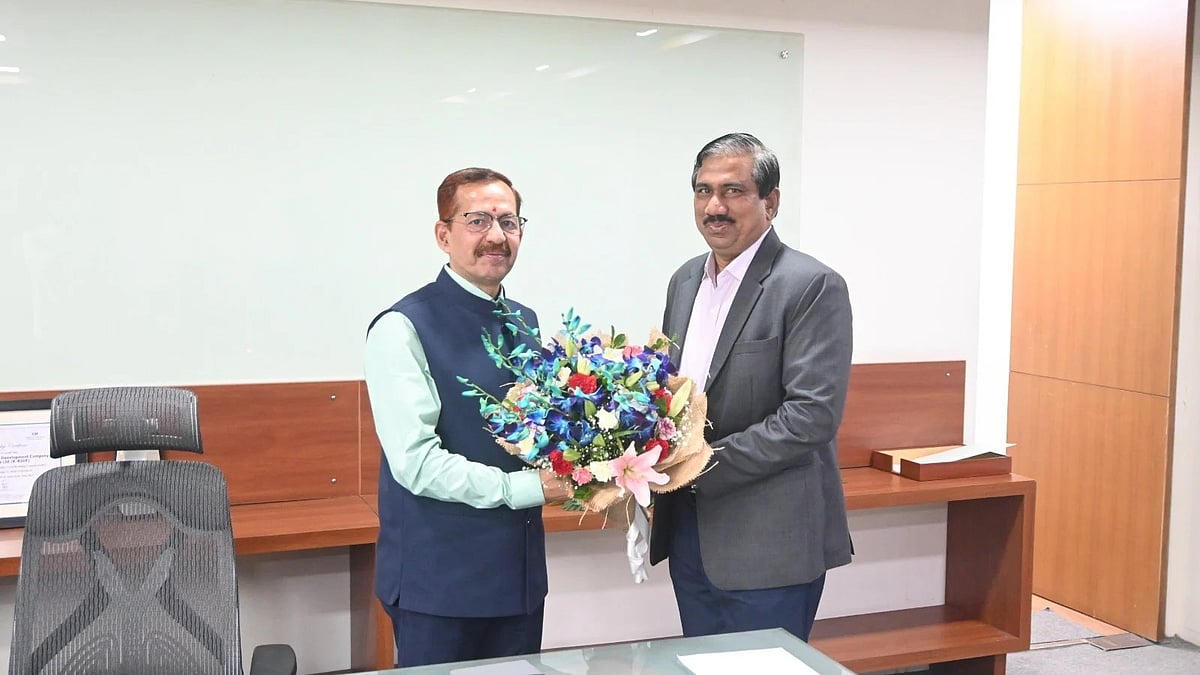
Yet, the stakes are high. The path ahead demands strong vision, committed execution, transparent governance, social sensitivity, and resilience against bureaucratic inertia. The success of K-RIDE’s forthcoming projects will depend on how well these elements come together under the new MD’s stewardship.
If Lakshman Singh manages to steer K-RIDE toward timely, equitable, and sustainable development, the impact will be felt across Karnataka — not just in urban centres, but in suburban towns, rural peripheries, and among communities long waiting for progress. If he falters, delays may linger, public frustration may grow, and trust may erode.
For now, the appointment brings a sense of cautious optimism. The public will watch closely as plans turn into action, blueprints turn into roads, and promises turn into tangible change. K-RIDE’s journey under Lakshman Singh has begun — and Karnataka’s infrastructure future hangs in balance.
Follow: Karnataka Government
Also read: Home | Channel 6 Network – Latest News, Breaking Updates: Politics, Business, Tech & More
