
The upcoming JITO National Job Fair 2.0 in Belagavi has stirred a wave of optimism across the region, as nearly 40 company have confirmed participation and over 2,750 young job seekers have already registered. Organised by the Jain International Trade Organisation, the event has quickly evolved into one of the most anticipated employment platforms in North Karnataka. With its scheduled venue at Mahaveer Bhavan in Hindwadi, the fair promises a significant opportunity for fresh graduates, skilled workers, and young professionals hoping to find meaningful career avenues.
The job fair is designed as a space where companies from various sectors can directly meet potential recruits, allowing both sides to eliminate the usual barriers associated with job applications. For many participants, the appeal lies in direct interaction, which helps reduce the uncertainty of online or remote hiring processes. Employers, too, find such events useful, as they can assess communication skills, personality, and technical understanding in real time. This year’s event, running from 9:30 a.m. to 2 p.m., has drawn wider attention due to the rise in youth participation compared to earlier editions.
One of the standout features of JITO’s initiative is its open-door policy for individuals of all communities and educational backgrounds. The organisers emphasise inclusivity, ensuring that no applicant or employer feels restricted by faith, language, or background. This commitment is crucial in a diverse city like Belagavi, where a variety of educational institutions, industries, and professional groups coexist. By welcoming employers and job seekers from all communities, the fair fosters a spirit of cooperation and opportunity that aligns with Karnataka’s broader employment-oriented development goals.
From the corporate standpoint, the participation of over 40 companies reflects a growing confidence in Belagavi’s talent pool. Firms from sectors such as finance, retail, health care, manufacturing, logistics, information technology, and hospitality have shown interest. Many companies are not just offering job placements but also internships and skill-building programmes. These additional opportunities indicate a shift in how employers wish to groom young talent, focusing not only on immediate hiring but long-term workforce development. This shift is also a sign that industries are recognising skill gaps and actively working to address them.
Youth Participation Rises Sharply as Registration Crosses 2,750
These companies understand that internships and training initiatives serve to familiarise young recruits with industry expectations, making future hiring more efficient. In Belagavi, which has become an educational hub over the last decade, thousands of students graduate each year from engineering colleges, business schools, and arts and science institutions. Job fairs like this help bridge the gap between academic preparation and workplace requirements. By creating a platform where students can engage with employers early, the organisers hope to reduce job mismatches and improve overall workplace readiness.
The sharp rise in registration numbers — crossing 2,750 before the event day — is being viewed as a marker of the region’s growing aspirations. Many applicants come from neighbouring districts such as Dharwad, Bagalkot, Gadag, Haveri, and parts of Goa, turning the Belagavi fair into a catchment area for employment seekers across the region. This year’s turnout is higher than the earlier JITO fair held in the city, suggesting that awareness about employment events and their benefits is increasing among the youth.
For job seekers, the fair offers a unique chance to access multiple companies under one roof. Instead of navigating different hiring portals, waiting for interview calls, or dealing with delays in the hiring pipeline, they can present themselves directly to representatives. Such interactions often lead to faster shortlisting. Many participants view job fairs as environments where they can showcase not only their qualifications but also their confidence, communication skills, and eagerness — qualities that sometimes get lost in résumé-based screening systems.
Youth Participation Rises Sharply as Registration Crosses 2,750
Local organisers attribute this enthusiastic response to both the increasing number of unemployed youth and the growing recognition of skill-matching events. Many young people, particularly fresh graduates, struggle with the gap between academic learning and industry expectations. Events like the JITO Job Fair 2.0 create a space where expectations are clarified and opportunities are made more accessible. Moreover, the simplified registration process and word-of-mouth recommendations have made it easier for students and job seekers to join the fair.
Belagavi also benefits from being one of Karnataka’s significant commercial centres, with a strategic location connecting Maharashtra, Goa, and the rest of Karnataka. This geographical advantage has led to a rise in small and medium enterprises, retail chains, educational institutions, and service-sector opportunities. The region’s youthful demographic adds to the demand for such fairs. Many participants view the job fair not merely as a recruitment platform but as a step in understanding how industries evolve and what skills are currently valued.
From the employers’ side, the job fair serves as a platform to source fresh talent for various roles, including entry-level positions, sales, customer service, HR support, finance operations, manufacturing support, and field service roles. Companies that offer internships often use these programmes to evaluate long-term potential. Several firms look for candidates who are willing to train, adapt, and learn on the job, making job fairs an ideal setting for initial assessments. Many HR professionals attending the event say that such fairs often lead to discovering bright talent they might otherwise miss.
As the event draws closer, organisers have been ensuring smooth coordination. Arrangements for registration counters, interview spaces, company stalls, and waiting areas are being finalised. Volunteers from local educational institutions and the JITO youth wing are helping streamline applicant flow to avoid congestion. This is crucial since high footfall at job fairs often leads to long queues, delays, and communication gaps. The team aims to create a professional environment where both employers and job seekers can interact comfortably and efficiently.
Beyond recruitment, the event is designed to encourage applicants to understand the evolving landscape of employment. Many companies now look beyond degrees, prioritising real-world skills such as problem-solving, digital literacy, communication, adaptability, and teamwork. The job fair is expected to highlight these traits, prompting youth to evaluate their strengths and areas of improvement. For many attendees, it will be an eye-opening experience that pushes them toward self-development.
Employers Look to Bridge Skills Gap Through Internships and Training
One of the most notable aspects of this edition is the emphasis on internships and training opportunities. Employers recognise that many fresh graduates require additional exposure before they fully integrate into corporate workflows. Internships allow companies to shape recruits according to their operational needs while giving youth firsthand experience. This approach benefits both parties: organisations get motivated trainees at early stages, and students gain clarity on career choices and workplace expectations.
Several companies participating in the fair have also expressed interest in launching skill-development programmes tailored to local needs. These initiatives may include short-term certification courses, digital training modules, customer-interaction workshops, and sector-specific skill sessions. As more industries adopt digital tools and data-driven processes, skill development becomes essential for long-term employability. Belagavi, with its growing education sector, stands to benefit greatly from collaborations between companies and institutions.
The fair is also expected to inspire more young women to join the workforce. Organisers report an increasing number of female registrants this year, reflecting broader shifts in higher education and employment trends. Many companies now actively encourage gender diversity, offering flexible schedules, mentorship programmes, and safe workplace assurances. The presence of women-friendly employers at the fair is expected to motivate more female students and professionals to seek opportunities confidently.
Local business leaders believe that events like these also contribute to the regional economy. When youth secure jobs locally, they contribute to consumer spending, entrepreneurship, and economic stability. Over time, this leads to stronger communities and better opportunities for future generations. Furthermore, when companies hire locally, they reduce recruitment costs and benefit from employees who understand regional culture and languages.
The sense of inclusivity at the JITO fair is also worth noting. Although organised by a Jain body, the event is open to individuals from all faiths and backgrounds. This approach reinforces the organisers’ belief that economic development must remain accessible and inclusive. In a city where multiple linguistic and cultural identities thrive, such openness encourages community harmony and shared growth. The fair therefore plays a social role beyond recruitment, bridging cultural differences and bringing people together through common goals.
Employers Look to Bridge Skills Gap Through Internships and Training
Organisers expect that, on the day of the event, the footfall may exceed initial projections. Last-minute registrations and walk-in candidates are common at job fairs, particularly in areas with high student populations. Many hopefuls may attend simply to observe the process, gather information, or learn from the interview experience. Even if they do not secure a job immediately, such exposure can prepare them better for future opportunities.
As the momentum builds, several training institutes, coaching centres, and skill academies in Belagavi have also shown interest in supporting the fair. Some have offered guidance sessions, résumé-writing workshops, and mock interview practices to help young candidates feel more confident. This ecosystem of preparation reflects the changing mindset around employment, where community organisations, educators, and industry leaders come together to support youth development.
The structure of the fair has been planned to ensure clarity and convenience. Each company will have a designated counter, where representatives will interact with candidates, collect applications, and conduct initial screenings. Some firms may even conduct spot interviews or shortlist candidates for second-round interactions. Those selected for further evaluation will be informed about subsequent procedures, which may include technical assessments, telephonic interviews, or scheduled meetings at corporate offices.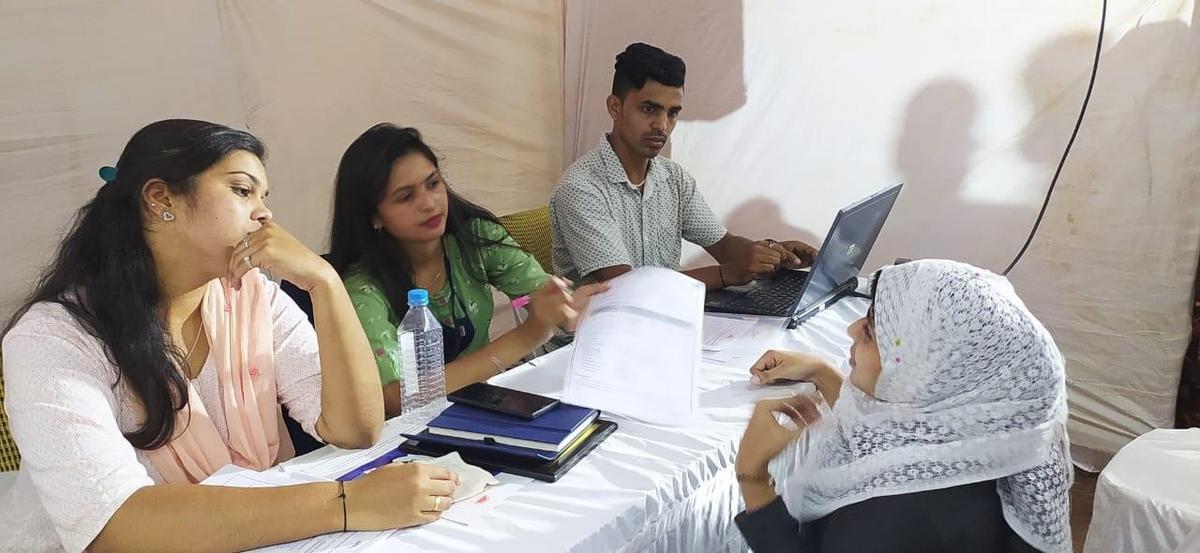
Job seekers are also encouraged to approach the event with realistic expectations. Not all applicants may secure a job immediately; however, the exposure itself is valuable. Candidates gain insights into which roles suit their skills, how to present themselves professionally, and what additional training they might need. Many participants from past editions have secured opportunities weeks or months after the fair, as companies revisit the collected profiles during recruitment cycles.
Another important aspect of such fairs is that they give companies a clear picture of the talent landscape. HR managers often take note of skill shortages, strengths among youth, and demographic patterns. This feedback can influence their training strategies, campus-recruitment plans, and outreach efforts. For many organisations, Belagavi has become an important centre for sourcing young talent due to its strong educational infrastructure and increasing focus on professional development.
The JITO National Job Fair 2.0 therefore stands not just as a recruitment event but as a symbol of collective aspiration. For the nearly 40 companies participating, it offers an efficient channel to identify promising candidates. For the 2,750 youth registered so far, it represents hope — hope for a better career, financial independence, and stability. For the city of Belagavi, it reinforces its role as a growing employment hub capable of hosting large-scale, meaningful events.
As December 6 approaches, the excitement continues to grow. With strong organisational support, diverse employer participation, rising applicant numbers, and an inclusive vision, the JITO National Job Fair 2.0 is set to become an impactful event for Karnataka’s youth. Whether through direct hiring, internships, training, or guidance, the fair promises to create opportunities that extend far beyond a single day. It marks a moment where preparation meets opportunity, and where collective efforts help propel a new generation toward sustainable careers.
Follow: Karnataka Government
Also read: Home | Channel 6 Network – Latest News, Breaking Updates: Politics, Business, Tech & More
