
The historic town of Srirangapatna is gearing up for the Hanuma Male Sankirtana Yatra scheduled for December 3, with district and state authorities placing heightened security measures to ensure peace and order. As devotees, organisers and onlookers prepare for a day of religious fervour and public congregation, police forces, home-guards, rapid-response teams and local administration have joined hands to monitor the event. The security deployment reflects recognition of the town’s sensitive communal history, the large turnout expected, and the need to maintain harmony while allowing religious expression.
The Yatra — a devotional procession invoking the blessings of Hanuman — draws participants from across the region, invoking emotional devotion, cultural pride and religious spirit. Given the strong sentiments associated and the multi-faith demographics of the area, officials say the enhanced security setup is aimed at ensuring the event remains peaceful, preventing any untoward incidents, and safeguarding both heritage monuments and public order.
As the morning of December 3 approaches, the entire town has been sensitised about the security protocol: checkpoints, barricades, controlled entry and exit points, crowd-management planning, surveillance arrangements, medical teams on standby, and coordination with local community leaders. The effort reflects a delicate balancing act — preserving the right to worship and celebrate, while upholding law, safety, and respect for public spaces.
Why Tight Security: Background, Sensitivities, and the Significance of Srirangapatna
Srirangapatna holds a layered historical and cultural legacy, being home to ancient temples, medieval monuments, and landmarks marking different eras. Its diverse heritage — religious, architectural, and historical — has long drawn tourists, pilgrims, historians, and devotees. At the same time, the town has witnessed communal sensitivities in the past, making any large public religious gathering a matter of careful scrutiny. The authorities acknowledge that in such contexts, ensuring security is not optional, but essential.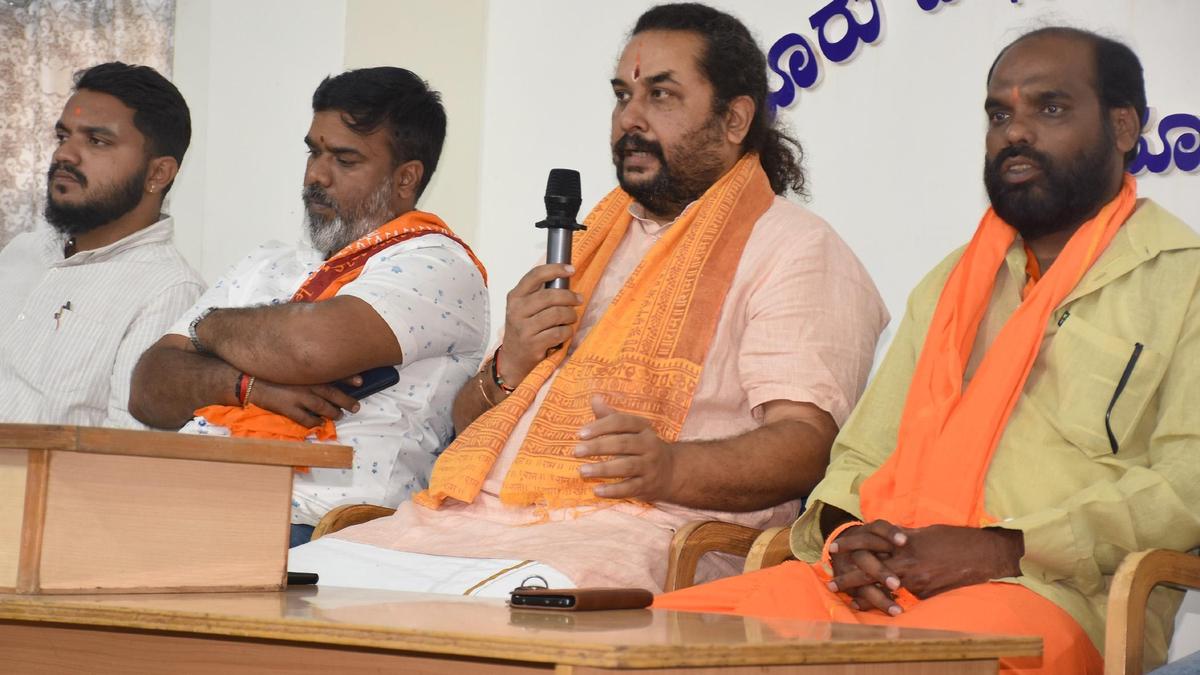
The Hanuma Male Sankirtana Yatra is more than a ritual: for many participants it represents devotion, identity, and community solidarity. Processions of this sort — with chanting, devotional music, large crowds, and public movement — require logistical and administrative planning. Unregulated crowds can lead to congestion, accidents, misuse of public spaces, and in worst cases, communal tension. In the past, processions in sensitive areas around religious or heritage sites have sometimes triggered protests or backlash, even when unintentional.
Given these factors, the district administration, in consultation with police and heritage-management authorities, decided to deploy a robust security framework. The objective: enable the Yatra to proceed peacefully, protect heritage structures, prevent disruption to everyday life for local residents, and reassure minority communities and visitors that their safety and rights will be respected. Officials also cited recent Supreme Court directions on crowd management and peaceful conduct in processions across historic or mixed-population towns, urging compliance by organisers.
Local community leaders, religious heads, and civic representatives reportedly held meetings ahead of the Yatra, discussing route plans, code of conduct, and coordination with law-enforcement officials. Volunteers from youth groups and local NGOs joined hands to support crowd management, awareness drives, and first-aid arrangements. The collaborative planning indicates the importance attached to making the event not only spiritually fulfilling but socially responsible.
Moreover, in a modern context where social media can amplify incidents, the administration is conscious of reputational risk. Even minor disruptions could be widely shared, potentially stoking tensions. Thus, pre-emptive action — rather than reactive policing — is seen as essential. The security plan aims to keep the event under control while preserving the dignity of devotion and cultural celebration.
On-Ground Preparations: Security Logistics, Crowd Control and Heritage Protection
In the days leading to December 3, visible signs of preparation have appeared across Srirangapatna. Barricades and entry-checkpoints are being set up at key junctions, especially around heritage zones, temple precincts, and main roads. Temporary surveillance cameras and CCTV monitoring units have been deployed at strategic points. Police and rapid-response teams are to be stationed at chokepoints, high-footfall zones, and areas susceptible to congestion.
Local authorities have issued traffic advisories: certain roads will be closed off to vehicular traffic during the Yatra hours, parking will be restricted to fringe zones outside the main procession route, and commuters are advised to avoid peak hours or plan alternate travel routes. Signage and public announcements have been put up in local languages reminding citizens and participants to cooperate, avoid littering, maintain decorum, and report suspicious activities immediately.
To manage crowd density, organisers and district officials have drawn up a route plan that avoids narrow lanes around heritage structures. Procession timings and entry points have been staggered to distribute flow of devotees. Volunteer marshals — drawn from local social groups and community organisations — are being briefed to guide participants, prevent overcrowding, and assist elders or children. Medical first-aid teams and ambulances are on standby, along with fire-safety units, as a precautionary measure.
Given the presence of monuments, temples, and heritage sites, a heritage-protection committee is working alongside law-enforcement to ensure no damage occurs. Temporary barriers have been erected around sensitive structures, and security personnel have clear instructions to prevent processions or crowds from encroaching upon restricted zones. Heritage-site guards are coordinating with police to monitor movement near monuments while ensuring devotees’ access to allowed areas remains unhindered.
Information dissemination has also been stepped up. Notices have been circulated in local communities, schools, shops, and public places, urging residents to cooperate, avoid rumours, and respect the procession path. Local civic bodies have scheduled waste-management and sanitation teams to follow up after the Yatra, aiming to restore public cleanliness quickly and avoid littering or environmental damage.
For transparency, local administration has appointed a control room to monitor the event — telephone hotlines, WhatsApp contact numbers, emergency response links, and a coordination desk managed by police and civic officers. Residents are encouraged to report emergencies, crowding, stray incidents or any form of disruption.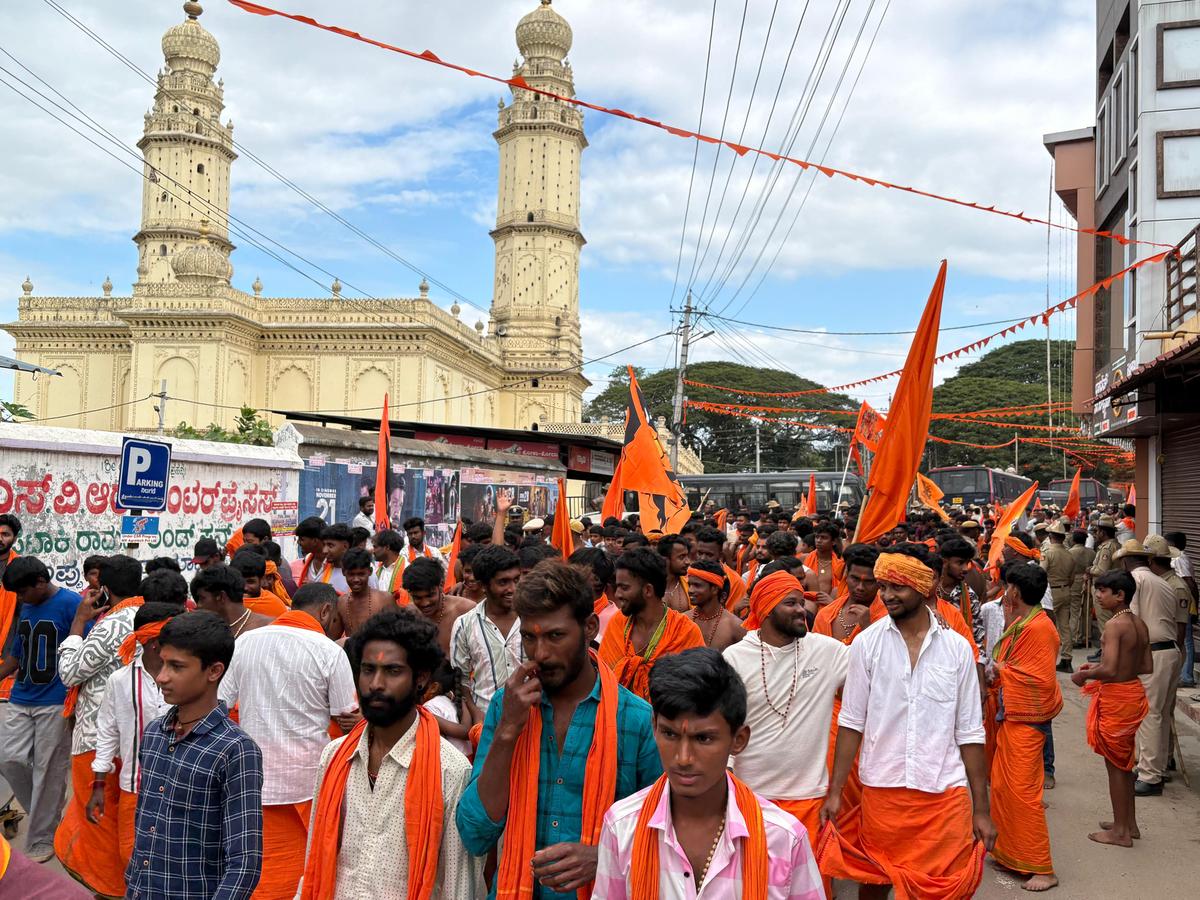
Mixed Reactions: Support, Concern and the Fragile Balance of Faith and Public Order
Reactions among local residents, community leaders, religious groups and civil-society organisations reflect a mixture of support, caution, and concern. Many devotees have welcomed the security measures, saying that they feel safer participating in the Yatra — especially families with children, elderly couples, and long-distance pilgrims. They believe a well-managed procession can preserve religious tradition without compromising public order.
School, college and heritage-site officials have expressed relief that the event is being managed seriously. With precautions in place, they hope there will be minimal disruption to local life, no traffic chaos, and little chance of damage to infrastructure or historical monuments. For heritage activists, the collaborative approach between law enforcement, civil society and religious organisers represents a welcome model for future events.
However, some voices have raised concerns about heavy-handed policing or over-regulation. A few residents worry that restrictions on movement, early road closures, and surveillance may inconvenience ordinary daily activity. Traders and shopkeepers along the route have flagged possible loss of business due to traffic curbs or restricted access. Some questioned whether the religious event might lead to noise, litter or disruptions, especially if cleanup after the event is not prompt.
Civil-society and secular groups have also cautioned about the potential for communal polarization. They argue that while religious expression is a constitutional right, large public religious processions in historically sensitive towns require extra responsibility. They urge organisers to emphasise inclusive messaging, avoid provocative slogans, and ensure that the event does not unintentionally exclude or alienate minority communities living nearby.
In this context, the Yatra and its security cover are being watched as a test — whether religious devotion and public safety can coexist peacefully without triggering tension or animosity. Observers note that success will hinge not on just police presence but on community cooperation, shared responsibility, and empathy.
Wider Context: Religious Processions, Public Safety & Heritage Towns — What Srirangapatna Means for Karnataka
Srirangapatna is not just another town — it embodies Karnataka’s layered past: a blend of temples, palaces, Islamic-era monuments, colonial memory, and centuries-old cultural synthesis. In recent years, religious processions and public gatherings here have become symbolic — not only of ritual but of identity. This adds weight to the Yatra and demands careful handling by authorities, organisers, and community alike.
Across the State and the country, religious processions have often tested civic infrastructure and social harmony. They raise difficult questions about public space, heritage preservation, minority rights, and majority sentiment. How authorities manage such events — whether through inclusive planning or heavy policing — shapes public perception for years. The security plan for the Yatra thus assumes greater significance: it could set a template for balancing faith celebrations with civic responsibility.
The Srirangapatna administration appears aware of this weight. By issuing clear guidelines, involving heritage-site committees, coordinating with civil society, and ensuring transparent communication, authorities are signalling seriousness. For other towns with similar histories and social fabric, the Yatra could serve as a case study on how to manage religious events responsibly.
Moreover, the event reflects a broader shift in public-administration thinking: proactive preparation, community engagement, crowd management, and heritage protection — rather than reactive control. As India urbanises and public spaces get contested, such models of event management will become increasingly important.
For citizens, the Yatra offers a moment of reflection: devotion, heritage, identity — all intersecting under the watchful eyes of law, administration, and community. How responsibly and peacefully people participate could influence not just immediate outcomes but long-term social harmony.
What Could Go Wrong — Risks Despite Security and How Authorities Plan to Mitigate Them
Despite robust preparations, several risks remain. Large crowds always carry potential for stampedes, accidents, heat-related distress (given midday starting time), or medical emergencies. A stray-dog nearby, presence of unregulated vendors or crowding near narrow lanes, or sudden surge of people outside designated zones — any of these could trigger trouble. The administration plans to rely on marshals, volunteers, and real-time monitoring to avoid such risks, but ground realities can be unpredictable.
There is also potential for tensions if some participants stray from permitted routes, or engage in provocative slogans, loud chants, or activities near sensitive heritage zones. Even a minor misstep could escalate into confrontation, especially if bystanders or community members misinterpret actions. To guard against it, police have been instructed to confiscate unauthorised banners, monitor sound levels, and intervene quickly in case of violations.
Environmental and sanitation issues are another concern. Large gatherings often leave behind litter, plastic bottles, food waste, and generate strain on waste-management systems. Post-event cleanup plans have been drafted, involving municipal staff, volunteers, and local residents — but execution will require coordination and discipline.
Traffic congestion, especially on main roads connecting to the town and around the procession route, could lead to disruption for daily commuters, local businesses, and emergency services. To avoid gridlock, authorities have planned alternate routes, fringe parking zones, and timed closures, but success will depend on compliance by participants and public cooperation.
Finally, communication breakdowns — lack of clarity about dos and don’ts, insufficient signage, or delayed information — may confuse participants or local residents, leading to frustration or misunderstanding. For a successful event, coordination between organisers, police, heritage‐site managers, and community leaders must be smooth, transparent, and responsive.
Follow: Karnataka Government
Also read: Home | Channel 6 Network – Latest News, Breaking Updates: Politics, Business, Tech & More
