
The demand for skilled manpower from Karnataka continues to gather momentum on the global stage, with multiple European industries increasingly turning their attention towards the State’s technically job trained workforce. The latest development comes from Slovakia, where a cluster of manufacturing companies has begun scouting for specialised talent capable of supporting their expanding automotive and industrial operations. According to officials familiar with the recruitment requests, Slovakian employers are seeking candidates with advanced competencies, particularly in the automobile electrical domain, prompting Karnataka to accelerate its efforts to connect qualified youth with emerging international opportunities.
Industry analysts in Karnataka say the demand from Slovakian firms reflects a larger shift in European manufacturing, where companies are gradually moving away from traditional labour markets in Eastern Europe due to rising wages and demographic decline. With Slovakia experiencing an ageing workforce and a shrinking pool of young technical workers, foreign companies operating there are looking to countries with strong demographic advantages. Karnataka, with its expanding youth population, is seen as an important partner. Officials note that this demographic complementarity is likely to drive more bilateral engagements in the coming years, particularly in specialised manufacturing and heavy engineering.
Meanwhile, Karnataka’s labour and skill development officials emphasise that any recruitment of workers for overseas markets must happen through transparent, government-recognised channels. They stressed that the State has recently increased awareness drives across districts to warn jobseekers about fraudulent agencies promising foreign placements. The government is simultaneously strengthening its international migration monitoring systems to ensure worker protection abroad. Officials added that collaborations with legitimate international employers, such as the present Slovakian delegation, offer safer opportunities for youth while also generating state revenue through remittances, reinforcing Karnataka’s goal of creating ethical and well-regulated global employment pathways.
Additionally, Slovakian delegates conveyed that their industries are open to long-term commitments, including multi-year employment contracts for workers who perform well during training. They stated that skill progression pathways would be built into the employment structure, enabling workers to move from basic technical roles to supervisory positions depending on their performance. Karnataka’s delegation noted that such structured opportunities could reduce job insecurity for youth and enhance the credibility of overseas placements. The discussions also included the possibility of setting up pre-departure orientation centres specifically for Europe-bound workers to familiarise them with workplace norms and cultural expectations.
Training institutions in Karnataka, particularly those associated with the Skill Development Corporation, have begun preliminary assessments to determine the scale of upskilling required to meet Slovakian industry expectations. Officials said that while many local youth already possess basic mechanical and electrical skills, targeted modules focusing on European safety standards, industrial automation basics, and precision tool handling may be required. Discussions are underway to introduce Slovakia-specific training batches. Industry experts believe that offering such specialised modules will improve placement rates, reduce skill mismatches, and enhance Karnataka’s overall reputation as a supplier of competent, industry-ready manpower for global markets.
Economists examining the development point out that global mobility of skilled workers often produces secondary economic benefits for the home region. Remittances, they argue, tend to improve household incomes, support rural education, and create new avenues for micro-investments in local businesses. Karnataka’s officials say districts with high outward migration have historically demonstrated increased economic activity. With European placements generally offering stable salaries, they anticipate that successful recruitment to Slovakia could create long-term financial stability for many families. However, they stress that mobility must be supported by strong monitoring frameworks to prevent exploitation and ensure workers’ welfare abroad.
The State government is also exploring whether a bilateral workforce mobility agreement with Slovakia could be formalised in the future. While the current engagement is limited to interactions between industries and Karnataka’s skill ecosystem, officials say a formal agreement could streamline visa processing, standardise labour protections, and provide grievance-redress mechanisms for workers. Such agreements have already been executed with a few other countries, and Karnataka’s leadership hopes Slovakia may be added to that list. The Labour Department intends to present a detailed proposal to the Union government once the ongoing assessment of industry requirements and worker readiness is completed.
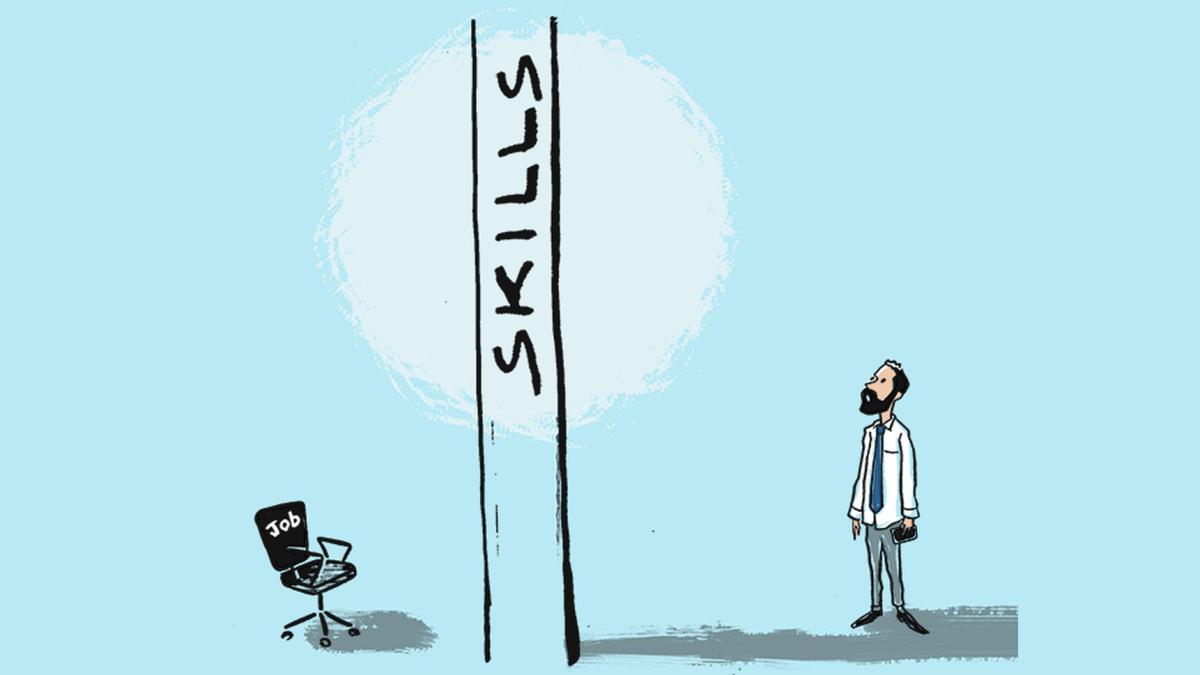
Surge in Demand for Technical Skills
In recent months, the State’s Overseas Employment and Skill Development initiatives have received an uptick in enquiries from companies in Europe, highlighting a shift in how global employers view Indian technical training systems. Slovakian companies, especially from the automotive manufacturing sector, are said to be looking for professionals who can handle high-precision assembly, electrical diagnostics, sensor-based automation, and advanced wiring systems used in modern vehicle production lines. Officials note that this demand reflects the reputation Karnataka has built through its industrial training ecosystem, polytechnic network, and exposure to global manufacturing practices over the past two decades.
Stellantis Leads the Latest Hiring Push
Among the major employers expressing interest is global automaker Stellantis, the multinational company responsible for models such as the Citroën C3, Citroën C3 Aircross, and Opel Frontera. As part of its ongoing expansion plans across Europe, Stellantis has sought fresh manpower support from Karnataka’s labour and skill departments. The company requires candidates with strong grounding in automobile electrical engineering, hands-on production experience, and the ability to adapt to rapidly evolving electric and hybrid vehicle technologies. Government officials have confirmed that the request is part of Stellantis’s broader global hiring strategy aimed at strengthening its European manufacturing units.
State Government’s Response Mechanism
The Karnataka government has said it is responding promptly to the new recruitment requests by coordinating with its district skill centres, employment exchanges, and Industrial Training Institutes. Officials are preparing a preliminary shortlist based on skills, certification levels, and relevant work experience. The process includes verifying candidate readiness, conducting orientation sessions on European industry expectations, and ensuring compliance with international labour standards. Authorities also emphasised that any recruitment for overseas positions will proceed strictly through government-regulated pathways to ensure transparency and protect the interests of job-seekers.
Training and Certification Drivers
Experts attribute Karnataka’s global employability to the strength of its training ecosystem, which includes formal ITIs, private sector skill academies, and industry-partnership programmes. Automobile electrical training has been a priority area for several years, especially as vehicle manufacturers shift towards electric and hybrid platforms. The State’s skilling curriculum incorporates diagnostics, CAN-bus systems, battery management, embedded systems, and mechatronics, giving trainees an edge in international labour markets. Slovakian companies, recognising this competency, are reportedly seeking not just entry-level workers but also mid-career professionals with deeper technical exposure
Why Slovakia is Looking Towards India
Slovakia has emerged as a key automotive manufacturing hub in Central Europe, with several global companies setting up large-scale production units due to the region’s favourable industrial policies and proximity to European markets. However, demographic shifts and a decreasing local workforce have created skill shortages in specialised manufacturing roles. As a result, Slovakian industries have begun exploring international recruitment, and India—particularly Karnataka—has become an attractive source due to its skilled labour base, English proficiency, and experience in adhering to global quality systems. Officials say this trend may accelerate in the coming years.
Opportunities and Challenges for Job-seekers
While the demand presents significant opportunities for Karnataka’s youth, experts caution that overseas roles require adaptability to different work cultures, rigorous technical expectations, and familiarity with global labour regulations. Candidates must be prepared for structured shifts, advanced technology, strict safety norms, and long-term skill upgradation. Government officials emphasise that all selected candidates will receive pre-departure orientation to prepare them for language barriers, cultural differences, and workplace expectations in Slovakia. The focus is on ensuring that migrant workers from Karnataka are skilled, informed, and equipped to build sustainable careers abroad.
Impact on Karnataka’s Global Mobility Landscape
The steady rise in global recruitment interest signifies a broader transformation in Karnataka’s workforce mobility patterns. Traditionally, migration from the State was focused on IT, nursing, hospitality, and Gulf-based trades. However, the recent expansion into European manufacturing marks a diversification of international job channels for technically trained workers. This shift also strengthens Karnataka’s positioning as a global skill supplier beyond the IT sector. Policymakers believe that if sustained, such opportunities could motivate more youth to pursue vocational training, especially in high-growth technical domains aligned with global industry demands.
Industry Reactions and Expert Commentary
Industry bodies in Karnataka have welcomed the new demand, stating that it validates the State’s long-term investments in skill development. Automobile sector experts note that Karnataka’s training curriculum is widely aligned with international standards, making it easier for graduates to integrate into global production ecosystems. Several industry associations have urged the government to streamline the recruitment pipeline further, create faster certification pathways for specialised skills, and widen the pool of technically trained professionals who meet European benchmark requirements.
Way Forward and Government Strategy
The State government is expected to formalise additional partnerships with international employers in the coming months to expand job opportunities for skilled youth. According to officials, the focus will be on enhancing language training, updating technical curriculum modules, and strengthening collaboration with European industry councils. The government also plans to introduce digital tracking for overseas employment to ensure timely support for migrant workers. If implemented effectively, these efforts could help Karnataka emerge as one of India’s leading contributors to the global skilled workforce in the industrial and automotive sectors.
Conclusion
The renewed interest from Slovakian companies marks another chapter in Karnataka’s growing role in the international skilled labour market. The State’s consistent emphasis on technical training, industry-aligned curricula, and structured skilling pathways has positioned its workforce for global opportunities. With Stellantis and other European manufacturers now actively seeking specialised automobile electrical talent, Karnataka’s youth stand to benefit from a new wave of overseas employment avenues. As the government strengthens its regulatory and support systems, the State is poised to continue shaping India’s global mobility and international workforce narrative in the months ahead.
Follow: Karnataka Government
Also read: Home | Channel 6 Network – Latest News, Breaking Updates: Politics, Business, Tech & More
