
Chaos unfolded at Bengaluru Kempegowda International Airport on Thursday as IndiGo cancelled 99 flights, marking the third consecutive day of major disruptions. Passengers arriving at the airport early in the morning were met with unexpectedly long queues, repeated announcements of cancellations, and increasing frustration as both arrivals and departures were affected. According to airport sources, 54 incoming flights and 45 scheduled departures were cancelled, leading to widespread confusion. Many passengers reported receiving only last-minute notifications, making it difficult to rearrange travel plans or seek timely alternatives, further intensifying anger among travellers.
Background to Ongoing Disruptions
The cancellations followed two earlier days of delays and flight disruptions, signalling a deeper issue within the airline’s operations. While the airline has not officially provided a detailed explanation for the large-scale disruptions, airport officials indicated that several operational constraints may have converged. Recent weather-related challenges, staffing shortages, and unexpected technical issues in certain aircraft have all contributed to the growing turbulence in the airline’s daily functioning. These overlapping issues have led to the accumulation of delays that eventually snowballed into mass cancellations, severely affecting passenger movement across multiple airports.
Scenes of Tension at Terminal
Passengers waiting inside Terminal 1 described scenes of complete disorder, as long queues formed at check-in counters and customer service desks. Many travellers were seen raising complaints with IndiGo staff, asking for clarity on the reasons behind the disruptions. Security personnel were frequently required to intervene when tempers flared during arguments. Some passengers said they had been stranded for nearly 12 hours, with little assistance provided on rebooking or alternative modes of travel. The lack of clear communication from the airline further fuelled resentment, as anxious families struggled to manage ongoing delays with no firm timeline for rescheduled flights.
Passengers Express Anger Over Short Notice
Several flyers said they were informed about cancellations only after reaching the airport. This left many with no choice but to wait for hours in hope of securing another flight. Business travellers missed scheduled meetings, students heading to exam centres struggled with uncertainty, and families attempting to catch connecting flights abroad were left devastated. Many took to social media to voice their anger, accusing the airline of failing to handle crisis communication responsibly. Passengers urged the authorities to hold the airline accountable for what they described as repeated and avoidable disruptions affecting thousands.
Ripple Effects Across Other Airports
The cancellations in Bengaluru triggered disruptions across several other domestic airports, where passengers awaited connecting IndiGo flights. Airport officials in Kochi, Hyderabad, and Visakhapatnam reported delays and further cancellations as aircraft and crew scheduling went off track. The cascading effect highlighted the vulnerability of high-frequency carriers operating on closely knit schedules. This event also exposed how a major disruption in one metro airport can consequently impact operations nationwide, especially when the airline operates a significant portion of domestic flights. For many travellers, the domino effect resulted in extended travel times and additional financial burden.
Airline Staff Under Pressure
IndiGo staff at the Bengaluru airport appeared overwhelmed as they attempted to manage the large crowds seeking assistance. Employees struggled to provide real-time information due to rapidly changing flight statuses. Some staff members, under visible stress, admitted that they were not receiving timely instructions from the airline’s operations control room. This communication gap added to the confusion, leaving frontline workers to face frustrated passengers without adequate support. Many passengers said the staff could neither offer clear rebooking timelines nor guarantee accommodation, creating a sense of helplessness among stranded travellers waiting for updates.
Possible Causes Under Examination
Although the airline has not issued an official statement detailing the root cause, industry analysts believe the disruptions may be linked to crew scheduling problems or unforeseen fleet management challenges. A few sources indicated that the airline might be grappling with last-minute crew unavailability after an internal rostering issue. Meanwhile, others speculate that technical inspections on certain aircraft may have prompted temporary grounding. Aviation experts noted that airlines often face difficulty restoring normal operations after several consecutive days of delays, particularly when a large number of aircraft are required for maintenance or rerouting.
Airport Authority Response
Authorities at Kempegowda International Airport deployed additional staff to manage crowd flow and help direct passengers to assistance counters. Public announcements were made frequently to update passengers about flight statuses. However, many travellers felt that the responses were insufficient given the scale of the crisis. Airport management emphasised that flight scheduling and cancellations fall under the responsibility of airlines, not airport operators. Still, they acknowledged that the unexpected surge of distressed passengers required urgent crowd-control measures, prompting teams to monitor passenger movement closely to prevent overcrowding and maintain safety within the terminal.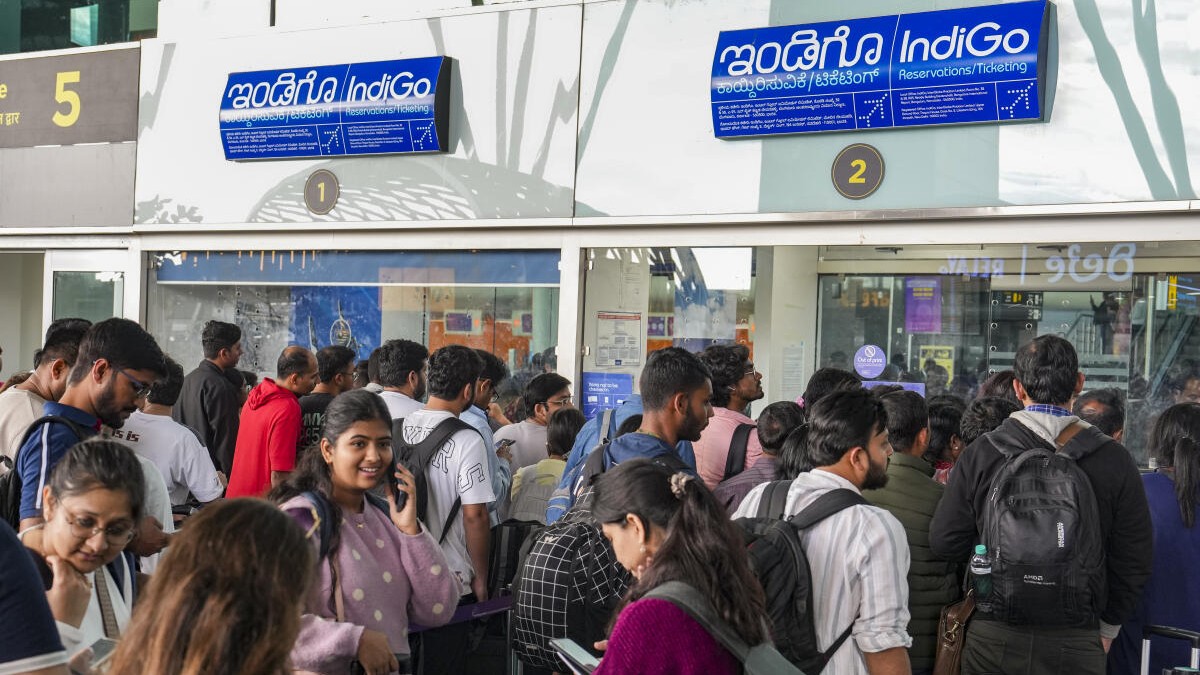
Impact on International Connections
Passengers with international connections were among the worst affected, as many had booked IndiGo domestic legs to reach major international gateways. Missing a connecting flight overseas often involves significant financial loss, and several travellers were seen pleading with airline staff for emergency assistance. For those heading abroad for medical treatments, academic deadlines, or work-related commitments, the cancellations created anxiety and logistical nightmares. Some had to purchase last-minute tickets on other carriers at substantially higher prices. Travel agents reported a spike in emergency ticketing requests as passengers scrambled for alternatives.
Tourism and Business Travel Affected
December typically witnesses heavy travel volumes due to the onset of winter tourism, holiday plans, and end-of-year business activities. With Bengaluru being a major travel hub, mass cancellations during this period disrupted the plans of thousands. Industry bodies expressed concern that such operational disturbances hurt business travel confidence and reflect poorly on India’s aviation reliability. Tour operators said disruptions of this scale could affect bookings and passenger sentiment, especially if travellers perceive domestic air travel as unstable during peak seasons. The unpredictability strained both leisure and corporate travel schedules across the region.
Demand for Transparency Grows
Aviation consumer activists criticised IndiGo for failing to provide transparent information about the disruptions. They argued that passengers deserved clear communication, including reasons for cancellations, refund procedures, and support for rebooking. Many travellers said they were repeatedly asked to check the airline’s app, which often showed conflicting or delayed updates. With no official explanation released publicly, commuters expressed suspicion about the airline’s internal readiness and resource management. Calls have grown for regulatory intervention to ensure airlines maintain clear communication channels during emergencies and provide adequate compensation when disruptions occur.
Regulatory Oversight Questions Raised
The Directorate General of Civil Aviation (DGCA) is expected to seek a detailed report from IndiGo regarding the cancellations, given the magnitude of disruptions over three consecutive days. Industry watchers say the regulator may examine whether the airline violated passenger rights guidelines. These guidelines mandate airlines to provide meals, accommodation, and alternative flight options under certain types of delays and cancellations. Passenger unions argue that the DGCA must take firmer steps to ensure accountability. They maintain that repeated cancellations at this scale require scrutiny to prevent similar incidents in the future.
Comparison with Previous Disruptions
This week’s incident follows other recent aviation disruptions across India caused by technical snags, weather issues, and operational setbacks at major airports. Although large-scale disruptions are not unheard of, the cancellation of nearly a hundred flights in one day at a single metro airport stands out. Bengaluru airport has previously seen delays due to dense fog, airspace congestion, and air traffic control problems, but this event, largely controlled by a single airline, raises different concerns. Analysts believe that the scale suggests a deeper systemic problem rather than a short-term operational glitch.
Strain on Hospitality and Transport Services
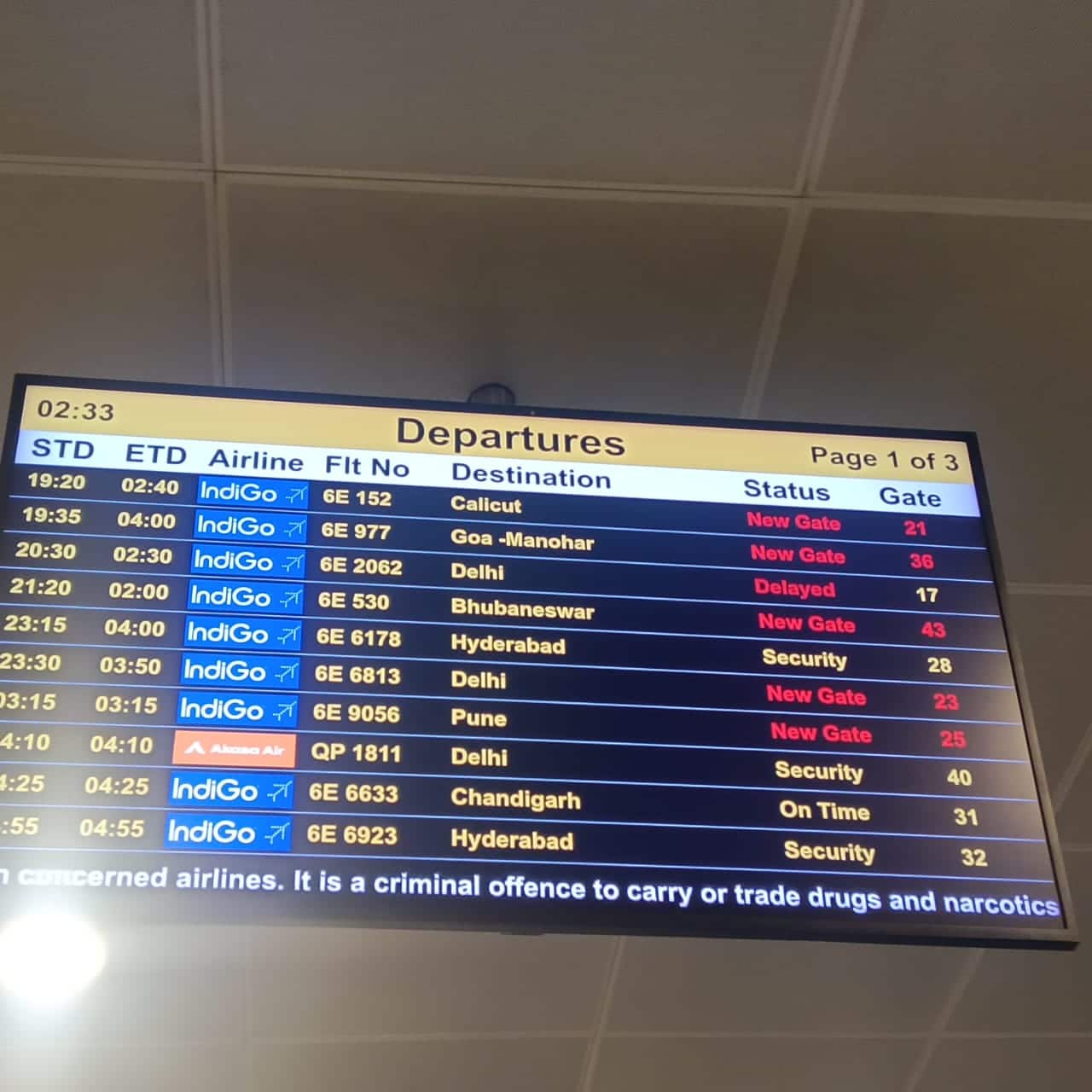
As passengers scrambled for last-minute arrangements, Bengaluru’s hospitality and transport sectors experienced unusual mid-week spikes. Hotels near the airport saw sudden demand for rooms from stranded travellers. Ride-hailing drivers reported increased waiting times as crowds booked cabs to return home or travel to nearby cities for alternative flights. Some passengers opted for long-distance buses and trains as an immediate solution. Travel operators noted that sudden mass disruptions place additional strain on other transport networks, creating temporary congestion beyond the aviation sector and affecting movement across the city.
Emotional Toll on Travellers
For many passengers, the cancellations were not just logistical challenges but emotionally draining experiences. Elderly travellers, pregnant women, and families with young children were among the worst affected. Several passengers recounted standing for hours without seating or proper guidance. Anxiety levels rose as travellers worried about missing important personal events such as weddings, medical appointments, and ceremonies. Exhaustion and stress built up throughout the day as passengers waited for definitive updates. Many said they felt abandoned by the airline and powerless to manage the situation amid the ongoing uncertainty.
IndiGo Yet to Release Detailed Explanation
By Thursday evening, the airline had not released a comprehensive statement addressing the cause of the cancellations. A brief update on the airline’s customer service channels mentioned operational issues but did not clarify the specifics. The absence of clear information heightened speculation and confusion among the travelling public. Some analysts believe the airline may announce a formal explanation once its internal teams complete a review of the disruptions. Meanwhile, calls for greater transparency continue to grow, with passengers demanding accountability for losses incurred due to the sudden cancellations.
Steps Toward Recovery
Airport sources indicated late in the day that the airline was attempting to stabilise operations by rearranging crew schedules and redistributing aircraft. Teams were reportedly working to prepare more aircraft for service to restore normal flight movements. However, given the scale of cancellations, a full recovery was expected to take time. Travel experts noted that airlines need multi-day buffers to resolve such operational backlogs. Passengers booked to travel on Friday were advised to check their flight status repeatedly and consider arriving early to manage potential queues or delays.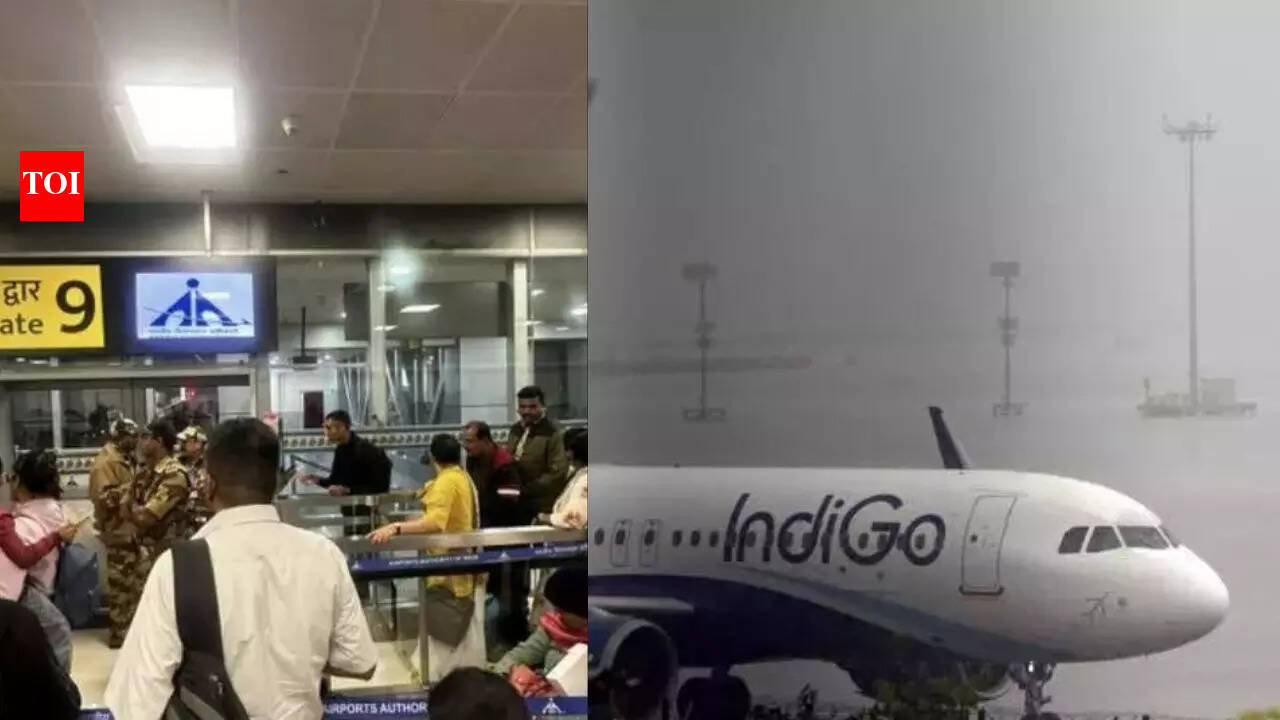
Industry Calls for Crisis-Management Protocols
The aviation industry emphasises the importance of strong crisis-management protocols to prevent chaos during large-scale disruptions. Experts argue that India’s rapidly expanding air travel market demands better operational resilience among airlines. As carriers increase flight frequencies, margins for error shrink, making robust backup systems essential. Stakeholders say airlines must invest more in staff training, timely communication systems, and contingency planning. This week’s events highlight the vulnerability of overdependence on single carriers at major airports and underscore the need for stronger checks to ensure seamless air travel.
Long-Term implications for Travellers
The mass cancellations may prompt travellers to rethink their reliance on specific carriers during peak travel seasons. Frequent flyers may also increasingly demand better compensation policies and enhanced passenger rights. Some believe this event will add pressure on regulators to tighten oversight and require airlines to maintain transparent communication during crises. For Bengaluru, the disruption underscores how crucial stable air operations are for a city deeply integrated with global business travel. In the long term, aviation stakeholders fear that repeated disruptions could harm consumer trust in domestic air travel.
Follow: Karnataka Government
Also read: Home | Channel 6 Network – Latest News, Breaking Updates: Politics, Business, Tech & More
