
Bengaluru International Airport Limited (BIAL) has once again found itself in the spotlight as debates over the airport’s overstaying fee policies have escalated. Recently, the Managing Director and CEO of BIAL addressed concerns raised by certain taxi operators and commuters, asserting that those opposing the newly implemented overstaying charges are unauthorised cab operators. The statement has sparked significant public discussion, highlighting the ongoing friction between regulatory frameworks and informal transport providers. The CEO stressed that the airport’s primary responsibility is to maintain safety, order, and efficiency while managing rising vehicular congestion in airport premises.
Background on Overstaying Fee Policy
BIAL introduced the overstaying fee as part of its strategy to regulate traffic within airport parking zones and ensure smooth passenger movement. Vehicles remaining beyond designated parking durations are subject to charges calculated based on the length of the overstay. The policy is aimed at discouraging unnecessary congestion, especially during peak hours when thousands of vehicles enter the airport. Airport officials argue that this measure ensures timely drop-offs and pick-ups, reduces security risks, and encourages compliance with airport protocols, aligning with global best practices in airport traffic management.
Conflict with Taxi Operators
Despite BIAL’s justification, the implementation has faced resistance from various taxi operators who argue that the charges are excessive and adversely affect their livelihood. Certain unions and informal operators have publicly criticised the policy, claiming it disrupts operational flexibility, especially during high-demand periods. BIAL’s CEO, however, categorically stated that many of those opposing the policy are not registered or authorised cab services. This distinction between authorised and unauthorised operators is central to the airport’s enforcement, aiming to penalise unregulated services while maintaining a streamlined transport ecosystem.
Impact on Passengers and Commuters
Passengers and regular airport users have experienced mixed reactions to the overstaying charges. Some appreciate the measure for ensuring faster vehicle turnover and reducing waiting times, while others perceive it as an added financial burden, particularly for family and group travel. Complaints have arisen over inconsistencies in fee calculation and alleged disputes between authorised drivers and airport security staff enforcing the policy. BIAL has emphasised that the overstaying fee is mandatory only for vehicles parked beyond the allotted time and that authorised operators benefit from preferential access, smoother entry, and exemption from random penalties.
BIAL’s Stance on Unauthorised Operators
The CEO highlighted that unauthorised operators contribute to congestion, security challenges, and unfair competition. Vehicles without valid airport permits often park haphazardly, causing bottlenecks in terminal access roads and creating inconvenience for passengers and authorised operators alike. According to BIAL management, these unregulated cabs also evade taxes and fail to comply with safety and insurance requirements, placing passengers at risk. The overstaying fee policy is therefore intended not only as a deterrent but also as part of a broader strategy to regulate entry and maintain operational integrity within Bengaluru airport premises.
Security and Operational Efficiency
Airport authorities argue that traffic regulation is critical for both security and operational efficiency. Congestion from unauthorised cabs can hinder emergency vehicle access, complicate surveillance, and reduce overall safety standards. By enforcing the overstaying fee strictly on unregistered operators, BIAL aims to prioritise authorised transport services, streamline vehicle movement, and minimise security risks. Officials also emphasise that organised cab services are subject to screening, vehicle tracking, and permit verification, while unauthorised operators often bypass these protocols, creating potential vulnerabilities for airport management.
Public Debate and Media Coverage
The CEO’s remarks have been widely covered in local and national media, sparking a heated public debate. Advocates of taxi unions criticised the language used, stating it unfairly labels all dissenting operators as unauthorised without consideration for individual compliance records. On the other hand, frequent flyers and airport users largely supported the move, citing improved travel experiences due to reduced congestion and faster access to terminals. Social media platforms have also become venues for discussion, with netizens weighing in on both the need for regulation and the potential impact on livelihoods of small-scale operators.
Legal and Regulatory Context
BIAL operates under the Airports Authority of India (AAI) regulations, which permit private airport operators to impose fees for parking and related services. Legal experts note that airports worldwide employ overstaying fees as standard practice to manage operational flow and discourage misuse of infrastructure. In Bengaluru, authorisation of cab operators is mandatory, with detailed compliance requirements including driver verification, insurance coverage, and vehicle registration with the airport. Enforcement of overstaying fees on non-compliant vehicles is therefore supported legally, giving BIAL the authority to distinguish between authorised and unauthorised operators.
Challenges for Enforcement
Implementing overstaying fees consistently is not without challenges. Enforcement personnel must accurately identify vehicles, differentiate between authorised and unauthorised operators, and handle disputes on the spot. BIAL has invested in advanced parking management systems, surveillance cameras, and vehicle tracking technologies to support enforcement. However, real-world conditions, including high traffic volumes, human errors, and non-cooperative drivers, make uniform application difficult. Officials acknowledge occasional grievances but maintain that systemic adherence to the policy ultimately benefits passengers, authorised operators, and airport operations as a whole.
Economic Implications for Operators
Opponents of the overstaying fee argue that the policy reduces the earnings of cab operators, particularly informal providers who rely on short waiting times at airports to maximise revenue. Critics claim that the fee acts as a deterrent against flexible operational schedules, which they argue is necessary to meet fluctuating passenger demand. BIAL counters that authorised operators receive priority access and exemptions, enabling them to operate efficiently. The airport maintains that compliance and formal authorisation not only stabilise earnings but also integrate operators into a structured, safer, and more predictable operational ecosystem.
Passenger Feedback and Experience
Several passengers reported that the overstaying fee policy has contributed to faster pick-ups and reduced congestion near terminal entrances. Families with young children and elderly travellers appreciated shorter waiting times and organised parking management. However, some travellers still faced inconvenience when unauthorised or misidentified vehicles were wrongly penalised. BIAL has committed to improving grievance redressal mechanisms, including dedicated helpdesks and digital platforms, ensuring passengers and drivers receive clarity on fee calculation, exemption criteria, and corrective procedures in case of errors.
Technological Support for Implementation
BIAL has deployed technology solutions to streamline overstaying fee enforcement. These include automated ticketing systems, sensor-based parking detection, and CCTV monitoring. Digital tracking ensures that authorised vehicles are recognised and permitted smooth access while unauthorised vehicles are automatically flagged for fee imposition or denial of entry. Officials believe that technology reduces human error, prevents disputes, and enhances accountability. Investments in these systems reflect the airport’s broader strategy to improve operational efficiency and passenger experience while reducing congestion-related risks on airport roads.
Broader Impact on Bengaluru Traffic
The overstaying fee policy also has implications for traffic management in surrounding areas. Bengaluru is notorious for congested road networks, particularly near key transit hubs. By regulating airport parking and discouraging prolonged waiting by unauthorised vehicles, BIAL indirectly contributes to smoother traffic flow on adjoining arterial roads. Traffic police have welcomed the initiative, stating that reduced loitering of non-compliant vehicles near airport access points has eased congestion and facilitated quicker movement for public buses, emergency vehicles, and other authorised transport services.
Stakeholder Consultations
BIAL management has emphasised that ongoing dialogue with taxi unions and authorised operators remains a priority. Periodic consultations ensure that fee structures, operational protocols, and authorisation processes are updated in line with evolving passenger volumes. The CEO reiterated that the airport is open to suggestions from registered operators but maintains strict measures against unauthorised vehicles that disregard established rules. Stakeholders acknowledged that structured dialogue combined with enforcement is key to balancing operational efficiency with economic considerations for transport providers.
Comparisons with Other Airports
Overstaying fees and restricted access for unauthorised operators are standard practices in major international airports. Cities such as Delhi, Mumbai, and Singapore have adopted similar measures, enforcing strict authorisation requirements and levying penalties on non-compliant vehicles. BIAL’s approach aligns Bengaluru with global norms, ensuring the airport remains efficient, safe, and competitive. By distinguishing authorised operators from unauthorised ones, the airport is able to reduce congestion, enhance passenger experience, and create a regulated, revenue-generating environment while adhering to international airport management standards.
Financial and Operational Benefits
Beyond traffic management, overstaying fees generate additional revenue that can be reinvested into airport infrastructure, technology, and passenger services. BIAL argues that such measures allow for better maintenance of parking areas, enhanced security measures, and improved facilities for authorised drivers and passengers. The fees also discourage non-essential waiting and reduce operational strain on airport staff, creating a more predictable and controlled environment. Over time, these measures contribute to smoother operations, higher satisfaction for frequent flyers, and stronger compliance with established airport policies.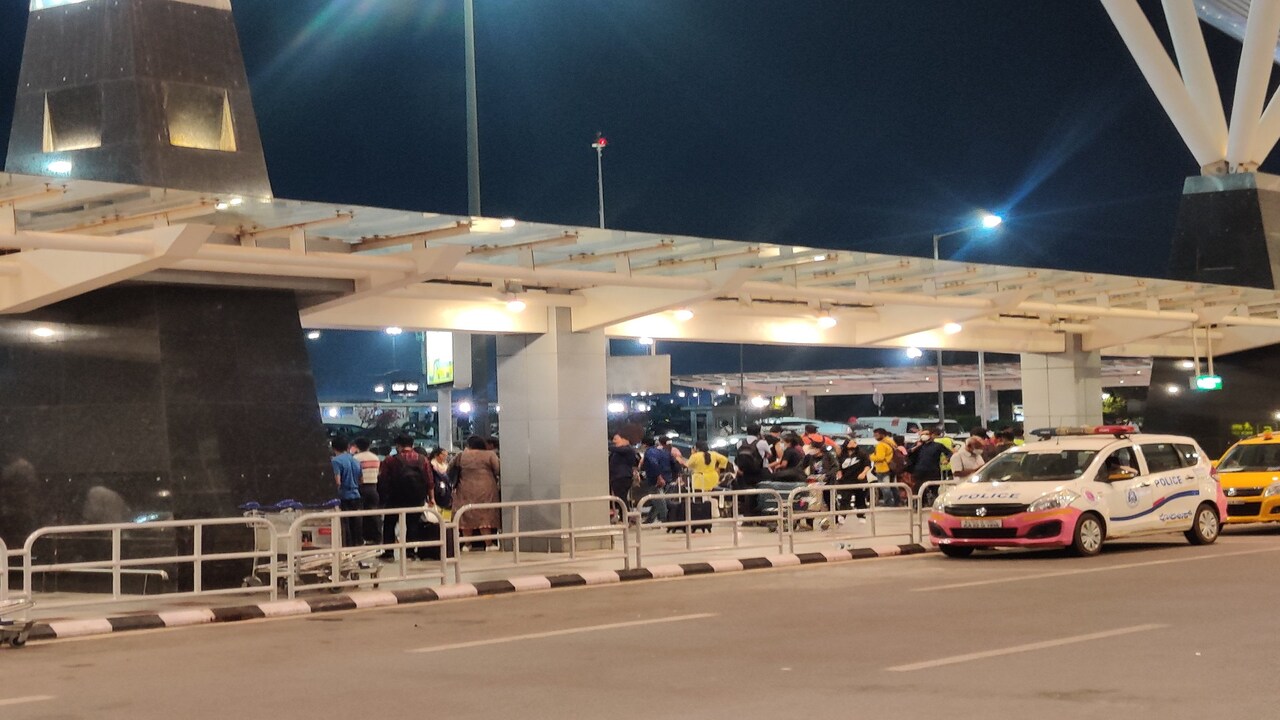
Public Perception and Media Response
The CEO’s comments on unauthorised operators have generated debate across local and national media. While some editorials support the stance, highlighting the need for regulation and passenger safety, others question the approach, citing the economic impact on small-scale operators. Social media platforms have been flooded with opinions, with many passengers expressing support for the policy while others sympathise with drivers facing economic challenges. Analysts emphasise that clear communication, combined with enforcement, will be crucial to maintain public confidence in BIAL’s regulatory measures.
Regulatory Oversight and DGCA Role
The Directorate General of Civil Aviation (DGCA) oversees regulatory compliance for airport operations in India. DGCA guidelines provide a framework for vehicle authorisation, passenger safety, and fee implementation. BIAL’s enforcement of overstaying charges on unauthorised operators is backed by these regulatory provisions. Aviation law experts say that proper documentation, signage, and passenger awareness campaigns are essential for compliance. DGCA may monitor the situation to ensure that fees are applied fairly and that authorised operators continue to receive designated benefits without unintended penalisation.
Future Directions and Policy Refinement
BIAL has indicated plans to refine the overstaying fee policy based on stakeholder feedback. The airport management is exploring technology-driven solutions for better identification of authorised vehicles, dynamic pricing models for peak periods, and enhanced passenger information systems. Discussions are ongoing with taxi unions to formalise grievance redressal and provide clarity on exemptions. By maintaining a balance between strict enforcement and collaborative engagement, BIAL aims to create a transparent system that ensures operational efficiency, passenger convenience, and a regulated, compliant transport ecosystem around Bengaluru airport.
Conclusion
The CEO’s assertion that opponents of the overstaying fee are unauthorised operators underscores BIAL’s focus on regulated airport operations. While some stakeholders have expressed concern over economic implications, airport management maintains that the policy ensures safety, order, and efficiency. The controversy has drawn attention to broader challenges in urban transport regulation and airport management. Moving forward, transparent communication, robust enforcement, and engagement with legitimate operators will be key to addressing public concerns while preserving Bengaluru airport’s operational integrity, passenger satisfaction, and adherence to international best practices.
Follow: Karnataka Government
Also read: Home | Channel 6 Network – Latest News, Breaking Updates: Politics, Business, Tech & More
