
Parliament Session: Pramod Tiwari Alleges ‘Monopoly’ in Aviation Amid IndiGo Flight Cancellations
During the ongoing winter session of Parliament, Congress MP Pramod Tiwari raised concerns over the state of India’s aviation sector, alleging that IndiGo’s recent flight cancellations highlight a growing monopoly in the industry. Tiwari emphasized that thousands of passengers across the country, especially in Tamil Nadu, have faced inconvenience due to these cancellations. He argued that the dominance of a single airline could undermine competition, reduce consumer choice and create vulnerabilities in the aviation network.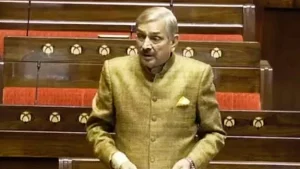
Passenger Distress and Wider Implications
Tiwari underlined that repeated disruptions not only inconvenience passengers but also have broader economic implications. Business travel, tourism and regional connectivity are all affected when a large airline faces operational issues. Travellers stranded at airports experience delays, missed meetings and additional costs, while airlines’ reputations take a hit. Tiwari urged the government to ensure fair competition in the aviation sector and implement regulatory safeguards that protect passengers from monopolistic practices. He also called for a framework that guarantees accountability from airlines when large-scale cancellations occur, stressing that passenger welfare should remain a top priority.
Rijiju Addresses Monopoly Allegations
In response, Union Minister of State for Civil Aviation Jyotiraditya Scindia Rijiju defended the current regulatory environment. He explained that the Directorate General of Civil Aviation (DGCA) continuously monitors airline operations and intervenes when necessary to maintain safety and service standards. Rijiju clarified that the recent cancellations by IndiGo were due to operational challenges, including crew scheduling constraints and compliance with flight duty time limitations, and not because of monopolistic behavior. He assured Parliament that the government encourages healthy competition among airlines while prioritizing passenger safety and operational efficiency.
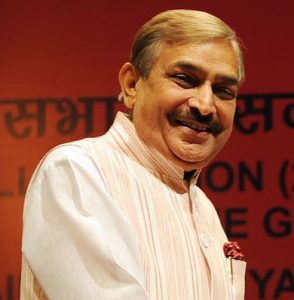
The Prime Minister, Shri Narendra Modi is also seen.
Concerns Over Market Concentration
The discussion highlighted concerns regarding the concentration of market power in India’s domestic aviation sector. IndiGo, being the largest carrier in terms of fleet size and passenger volume, plays a dominant role in connecting major cities and regional destinations. Lawmakers expressed that over-reliance on a single airline makes the aviation network vulnerable to disruptions. Tiwari’s remarks sparked debate on whether the sector requires stricter antitrust oversight to ensure that no single airline can dominate market share in a way that adversely affects passengers or smaller carriers.
Government Initiatives to Promote Competition
Rijiju outlined government efforts to strengthen competition in the aviation sector. He noted that regulatory measures encourage regional airlines to expand their networks and provide passengers with multiple options. The minister also emphasized initiatives to improve flight punctuality, airport infrastructure, and real-time passenger information systems. Such measures aim to reduce disruption, increase operational efficiency and maintain passenger confidence even during unforeseen challenges.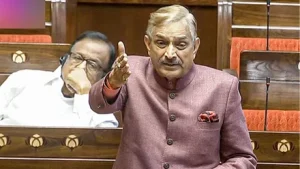
Lawmakers Call for Stronger Governance
Several MPs stressed that repeated flight cancellations could erode public trust in the aviation system and negatively impact economic activity in regions heavily dependent on air travel. Lawmakers called for stronger governance, including regular audits, contingency planning and clearer communication with passengers during disruptions. They emphasized that operational challenges, while sometimes unavoidable, must be managed proactively to ensure minimum inconvenience and maximum transparency.
Focus on Operational Improvements
The debate concluded with Rijiju reiterating that IndiGo’s operational issues are being addressed through improved scheduling, crew management, and coordination with airports. He emphasized that government oversight will continue to ensure airlines adhere to safety standards while serving passengers effectively. The discussion also highlighted the importance of balancing commercial interests, operational realities, and passenger welfare to maintain a robust, competitive aviation sector.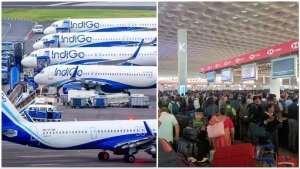
Overall, the Parliament session served as a reminder of the challenges in India’s aviation landscape. It brought attention to operational vulnerabilities, passenger grievances, and the need for balanced regulatory oversight. While IndiGo works to stabilize its operations, the government’s commitment to competition, safety and passenger-centric policies remains crucial to building resilience in the country’s domestic aviation system.
