
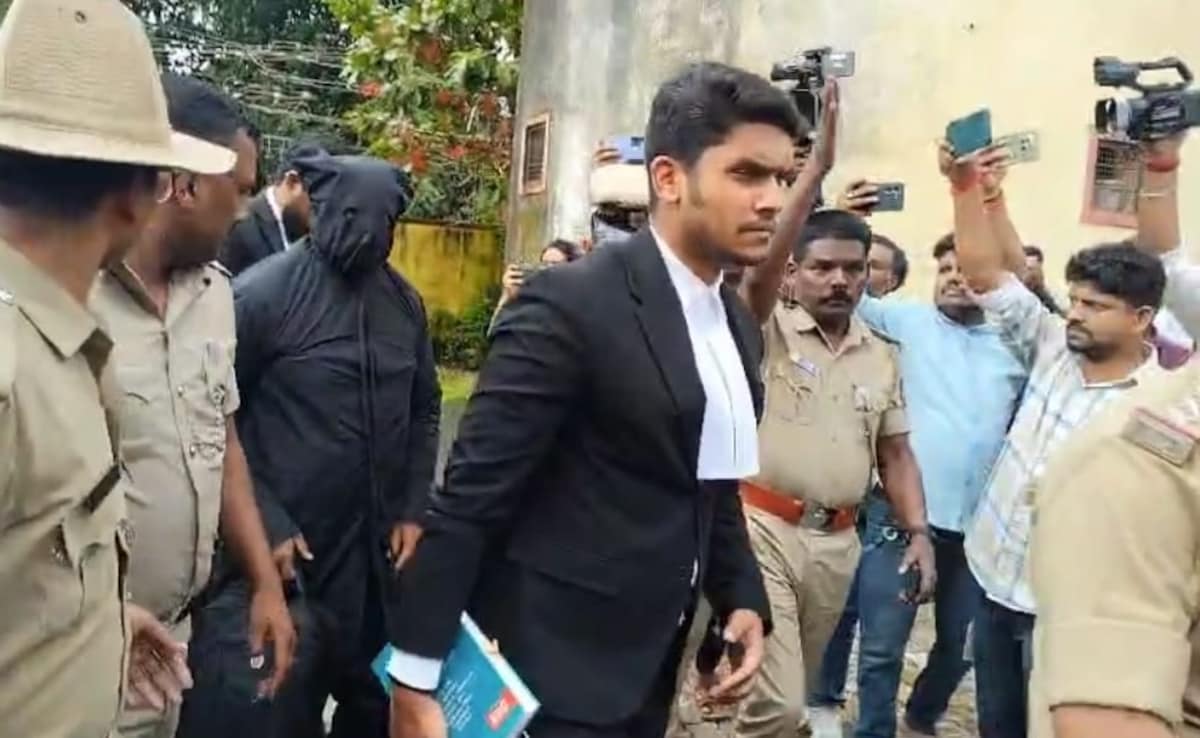
Bail may have been granted, but Chinnaiah, the key accused in the Dharmasthala case, continues to remain lodged in the Shivamogga Central Prison due to procedural delays and pending formalities. The unexpected gap between the court’s order and its implementation has raised concerns among family members, legal experts, and activists following the case closely. While the court’s decision was seen as a significant turning point, the lack of immediate release has created an atmosphere of confusion and emotional strain. For many, the situation reflects a deeper problem within the justice delivery system, where paperwork often delays freedom.
Outside the prison, relatives of Chinnaiah expressed mixed emotions. They welcomed the court’s decision but struggled to understand why the release had not yet materialised. According to them, they had prepared for his return shortly after the bail order, only to be informed that several administrative steps were still incomplete. These moments of uncertainty have intensified their frustration, particularly because they had been hopeful that the bail would bring an immediate end to his incarceration. The family continues to wait, watching each day pass with heightened anxiety.
Advocates familiar with the case note that the delay is not unusual in complex criminal matters involving multiple procedural layers. After the bail order is issued, several documents must be verified, signed, and transferred between courts, police departments, and prison authorities. Even minor discrepancies in paperwork can lead to hours or even days of delay. In this case, the verification process appears to have taken longer than anticipated, prompting discussions about the need for more efficient systems. For now, the legal team remains focused on completing every step necessary to secure his release.
The Dharmasthala case has remained in public conversation for months, drawing attention from community groups and legal observers. The bail order was seen as a milestone in a matter marked by tense developments and strong reactions from multiple sides. However, the inability to secure immediate release has overshadowed the significance of the order. Many expected the situation to change swiftly, but the current delay has placed all expectations on hold. As the legal team navigates the final processes, supporters emphasise patience while acknowledging the emotional toll on the accused’s family.
Legal Relief Overshadowed by Procedural Slowdown
Inside Shivamogga Central Prison, officials have stated that they can act only once all documents are officially received and verified. Prison authorities maintain that the administrative process must be followed meticulously to avoid errors that could complicate the case further. They insist that the delay is procedural rather than deliberate. Nevertheless, the continued confinement of a person granted bail naturally raises questions among the community. Supporters have urged authorities to expedite the process while still adhering to legal requirements, highlighting the delicate balance between efficiency and correctness.
Those following the case closely say that such delays are not new. In several high-profile cases, accused persons granted bail have remained in custody for extended periods due to procedural backlogs, miscommunication, or delays in documentation. Legal scholars argue that reforms are urgently needed to ensure that court orders translate into action without unnecessary waiting. They point out that a bail order loses its immediate purpose if its enforcement is slowed by administrative hurdles. These concerns, though longstanding, have resurfaced strongly in the context of the Dharmasthala case.
For community members in Dharmasthala and neighbouring regions, the latest development has triggered renewed discussions about fairness and accountability within the system. While some welcome the court’s decision, others remain cautious, stating that the case still has a long way to go. The lack of immediate clarity regarding Chinnaiah’s release has added another layer of complexity to an already sensitive matter. Families connected to the case say they want closure, but the ongoing uncertainty has made emotional recovery difficult. Many feel the case continues to dominate their everyday lives.
Meanwhile, public sentiment reflects a mixture of relief and agitation. Supporters express hope that Chinnaiah will soon walk free, yet they worry that unresolved administrative issues might prolong his stay in prison. The legal team has emphasised that efforts are underway to speed up the process, but they also acknowledge that certain stages cannot be bypassed. Legal observers reiterate that while the court’s decision marks progress, its full effect will only be felt once the accused is physically released. Until then, the emotional and legal tension surrounding the case persists.
Back in Shivamogga, the prison stands as a symbol of the waiting period that now defines the case. Each day of delay adds to the emotional strain experienced by the accused’s family, who remain in constant contact with lawyers and officials. They recount sleepless nights and anxious conversations, hoping for a notification that has yet to arrive. Their concerns reflect a broader issue faced by many families navigating the complexities of the judicial process. The uncertainty of knowing freedom is granted but not yet delivered has left them emotionally unsettled.
A Test of Patience for Families and the System
Legal experts believe that once the final verification process is complete, the release will follow smoothly. However, they warn that such delays can influence public perception of the justice system. When a bail order does not result in immediate action, people often question the efficiency of judicial and administrative coordination. This can erode confidence in institutions responsible for ensuring fairness. The Dharmasthala case, now hinging on administrative procedures rather than judicial rulings, has inadvertently highlighted these systemic gaps.
For the broader community impacted by the case, the delay has reignited debates about the emotional cost of prolonged legal battles. Families on both sides have experienced months of stress, uncertainty, and social pressure. The bail order was expected to offer a sense of temporary closure, but the continued imprisonment has prevented that relief from taking hold. Community leaders stress the need for sensitivity and restraint during this transitional phase, warning that heightened emotions could give rise to misunderstandings or conflict. Maintaining calm has become an essential priority.
Even as the release remains pending, various groups continue to track developments closely. Activists and observers argue that delayed implementation of court orders is one of the most overlooked issues in the criminal justice process. They call for modernised systems that allow electronic transmission of documents, real-time verification, and automated checks to reduce delays. While such reforms may take time, they emphasise that immediate steps can still be taken to streamline the process. The Dharmasthala case, they say, should serve as an example prompting urgent administrative improvement.
Within the legal community, conversations reflect both practicality and empathy. Lawyers acknowledge that administrative delays are common in large systems but also recognise the emotional consequences for individuals waiting for release. They highlight instances where bail orders were implemented within hours and others where delays extended for days. These inconsistencies, they argue, point to a need for uniform procedures. In the current case, they remain hopeful that the final steps will be completed soon, allowing Chinnaiah to finally leave the prison gates.
Across Shivamogga and Dharmasthala, people remain divided in their responses. Some believe the delay is merely technical and should not be interpreted as resistance. Others view it as an example of deeper inefficiencies that need urgent reform. Families affected by the case, already exhausted by the long legal journey, say they want clarity above everything else. They express a longing for normalcy after months of tension and uncertainty. The prolonged wait has taken an emotional toll that cannot be easily measured or understood.
With each passing day, the contrast between the court’s decision and ground-level reality becomes more visible. The symbolic meaning of bail—freedom, relief, and a return to family—remains just out of reach. This has created a strange emotional space where legal victory coexists with personal distress. Supporters talk about the challenge of balancing hope with patience, especially when each update feels both promising and incomplete. The atmosphere surrounding the case continues to oscillate between cautious optimism and quiet frustration.
As discussions continue, attention remains fixed on when the final paperwork will be completed. Lawyers indicate that they are in constant communication with officials to prevent further delays. Prison authorities assure that they will act immediately once all requirements are fulfilled. Amid these statements, the family waits in a kind of suspended reality—neither celebrating the bail order nor accepting the continued confinement. Their days revolve around phone calls, visits to legal offices, and prayers for a swift resolution.
For those observing from outside, the situation underscores the fragility of hope within legal processes. A single missing signature, a delayed transfer of documents, or a clerical miscommunication can hold back an order meant to bring relief. This has prompted growing calls for better transparency and timelines for implementing bail decisions. Community members say that the gap between a ruling and its execution should never overshadow the significance of judicial outcomes. Yet in this case, that gap has become the central challenge.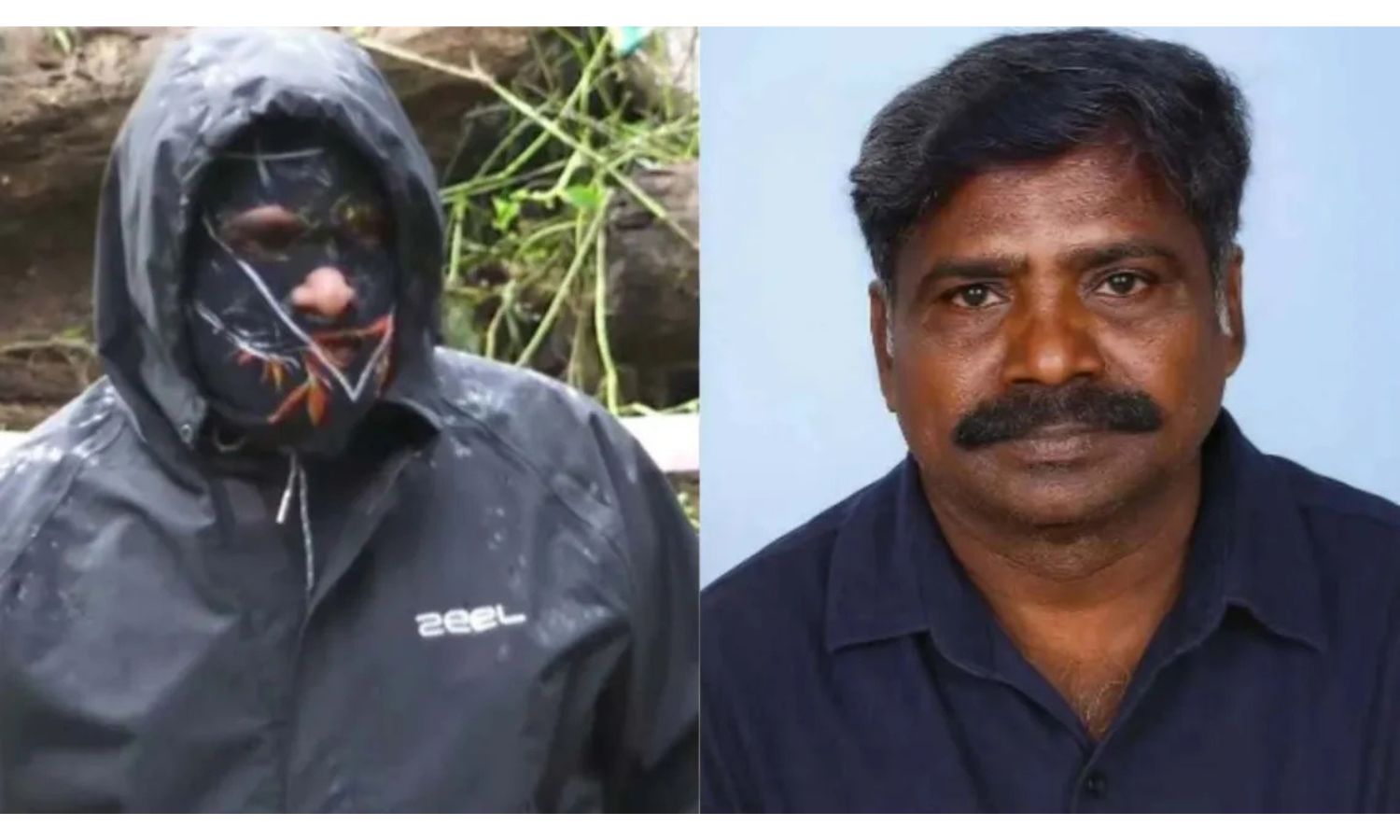
The legal team has hinted that the release could come at any moment, but they avoid giving specific timelines, aware of how unpredictable administrative movement can be. They urge patience while acknowledging the emotional exhaustion felt by the family. Each update brings a mix of anticipation and anxiety. Until the final confirmation arrives, the sense of incompleteness persists. For now, the reality remains unchanged: bail has been granted, yet Chinnaiah continues to remain in the Shivamogga Central Prison, waiting for the system to unlock what the court has already allowed.
As the case inches toward its next stage, the larger conversation around procedural delays gains momentum. Whether this moment leads to greater scrutiny and reform remains to be seen. What is certain is that the emotional and psychological strain of this delay will not be forgotten easily by those directly affected. The Dharmasthala case, already complex and deeply felt, now rests on the hope that the final steps will be completed soon. Until then, the waiting continues—heavy, uncertain, and undeniably painful.
Follow: Karnataka Government
Also read: Home | Channel 6 Network – Latest News, Breaking Updates: Politics, Business, Tech & More
