
The saffron shawl and hijab controversy has resurfaced in Haveri district of Karnataka, reigniting debates on religious symbols, individual rights, and school regulations. Reports indicate that the issue emerged when a group of students reportedly wore saffron shawls in classrooms, coinciding with ongoing discussions about hijab usage in schools. The development has drawn attention from parents, educators, local leaders, and authorities. Schools have become flashpoints, with administrators attempting to balance adherence to dress codes, maintaining classroom decorum, and respecting students’ personal and religious expressions. The district finds itself in a complex and tense situation.
Community members in Haveri have expressed deep concern over the renewed controversy. Many residents fear that it could escalate tensions between different religious and cultural groups in the district. Parents of students involved have conveyed anxiety about the potential impact on education and daily routines. Teachers, too, face challenges, as classrooms become spaces of negotiation between enforcement of school rules and ensuring that students feel respected and safe. Observers note that while the issue appears to be about dress codes, underlying sentiments about identity, religion, and social dynamics are equally influential.
Local authorities, including the district education officers, have stepped in to monitor schools closely. They are conducting meetings with principals, teachers, and student representatives to clarify guidelines and prevent further incidents. Officials emphasise that schools must remain inclusive spaces for learning, without allowing symbols or attire that provoke conflict or disrupt classroom harmony. Meanwhile, discussions about the permissibility of saffron shawls and hijabs in educational settings continue among parents and local leaders. The district administration faces the dual task of maintaining peace while respecting constitutional rights.
Students caught in the controversy report feeling stressed and uncertain. Those wearing saffron shawls or hijabs describe mixed reactions from peers and teachers. Some say they face subtle peer pressure or confrontations, while others report supportive classmates. The emotional and social implications are significant, as adolescents navigate not only academic pressures but also the growing public attention to their personal choices. Many students now express the need for clearer guidance, uniform policies, and open dialogue to avoid further tension in their classrooms.
Community organisations in Haveri have reacted differently to the renewed row. Some have condemned the wearing of saffron shawls as an unnecessary provocation, while others defend the right of students to express their beliefs. Similarly, groups advocating for hijab rights stress the importance of personal freedom and religious expression. Both sides have called for calm and peaceful resolution, emphasising that education should not be compromised by disputes over attire. Social media posts have amplified tensions, with images and videos from schools circulating widely, drawing attention beyond the district.
The row comes amid a broader national debate on dress codes in educational institutions, particularly in Karnataka, where previous incidents surrounding hijabs created heated discussions. In Haveri, local authorities and educators are keenly aware of the sensitive nature of the issue. The district administration has urged restraint, highlighting the importance of dialogue and mutual understanding. Parents are being encouraged to discuss matters at home and prevent children from becoming targets of peer pressure or external agitation. Schools are being reminded to prioritise educational outcomes over political or ideological disagreements.
Administrative Action and Public Reactions
In response to the controversy, Haveri district officials have conducted inspections in several schools where incidents were reported. Meetings with teachers and students focused on clarifying existing dress code rules, highlighting that no attire should interfere with the academic environment. Meanwhile, school principals are instructed to act fairly and maintain records of any complaints or grievances. Authorities stress that enforcement must be neutral, avoiding favouritism or discrimination against any student, regardless of religious or cultural background. The approach aims to balance students’ rights with institutional responsibilities.
Parents and community leaders are also participating in efforts to de-escalate tensions. Forums and discussions have been organised to educate families on school rules and the importance of respecting differences. While some parents feel strongly that religious symbols should be accommodated, others argue for uniformity to prevent conflict. Observers note that public sentiment in Haveri is divided, reflecting broader societal debates. Authorities continue to emphasise dialogue and awareness campaigns as key tools to mitigate misunderstandings and promote coexistence within schools.
Students’ experiences reflect the complexities of the situation. Those wearing saffron shawls report attention from peers and scrutiny from some teachers. Hijab-wearing students similarly note that they face varying degrees of acceptance and resistance. Teachers are challenged to maintain impartiality while addressing concerns raised by parents and administrators. The emotional strain on adolescents is evident, highlighting the need for counselling and structured discussion spaces within schools. Educators emphasise the importance of teaching students about tolerance, empathy, and conflict resolution.
Local civil society groups have stepped in to mediate between differing viewpoints. Peace committees, community elders, and educators are encouraged to facilitate dialogue sessions where students, teachers, and parents can express concerns constructively. Workshops on diversity, respect, and secular values are being organised to reduce friction. These initiatives aim to provide students with a safe platform to discuss identity and beliefs, while ensuring that classroom learning is not interrupted. The approach highlights the importance of engagement over punitive measures.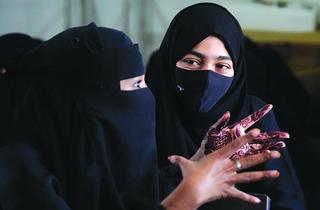
Social media coverage has intensified scrutiny of the situation. Videos showing students wearing saffron shawls or hijabs have circulated widely, drawing commentary from outside the district. While some posts support students’ rights to express beliefs, others critique perceived provocations. Authorities caution parents and school communities against misinformation, urging verification before reacting. The widespread attention underscores how local school issues can quickly gain public visibility, adding pressure on administrators and families alike.
The district’s legal advisors have reviewed the situation, clarifying that constitutional protections allow for religious expression, but these must be balanced with institutional rules. Schools have been reminded to ensure policies are consistent, transparent, and communicated clearly to avoid misunderstandings. Legal experts note that while individual rights are protected, any attire that disrupts educational routines can be restricted. This framework guides current administrative actions, ensuring that both student freedom and school order are preserved.
Education officials report that proactive steps are underway to prevent further incidents. Teachers are encouraged to hold classroom discussions on diversity and mutual respect. Students are advised to report grievances through formal channels rather than escalate disputes. Authorities also plan to distribute circulars outlining permissible attire, while ensuring that rules do not target any particular community. By fostering a culture of understanding, the administration hopes to reduce tensions and allow students to focus on learning.
Balancing Rights, Education, and Harmony
Meanwhile, parents continue to monitor the situation closely. Some express relief that authorities are engaging with both sides, while others remain concerned about potential escalation. Community leaders stress that tolerance and dialogue are crucial, reminding all stakeholders that schools are spaces for learning rather than confrontation. At the same time, students face the challenge of maintaining focus amidst the ongoing public and social media scrutiny. The combination of administrative action and community engagement seeks to stabilise the situation.
The local media has reported extensively on the row, amplifying public awareness while drawing attention to the potential for conflict. Coverage highlights both the religious sensitivities involved and the need for procedural clarity in school governance. Parents and community representatives hope that attention will encourage adherence to neutral policies and prevent future flashpoints. The media focus also serves as a reminder to schools of their responsibility to manage conflicts with fairness, transparency, and sensitivity.
Teachers emphasise the need for patience and measured responses. They note that students may need guidance in understanding diverse viewpoints and managing disagreements respectfully. Training sessions on conflict resolution and inclusive education are being considered. Educators recognise that the row is about more than attire; it reflects broader societal conversations on identity, belonging, and respect. By embedding these lessons within classroom experiences, schools hope to cultivate empathy and civic awareness among students.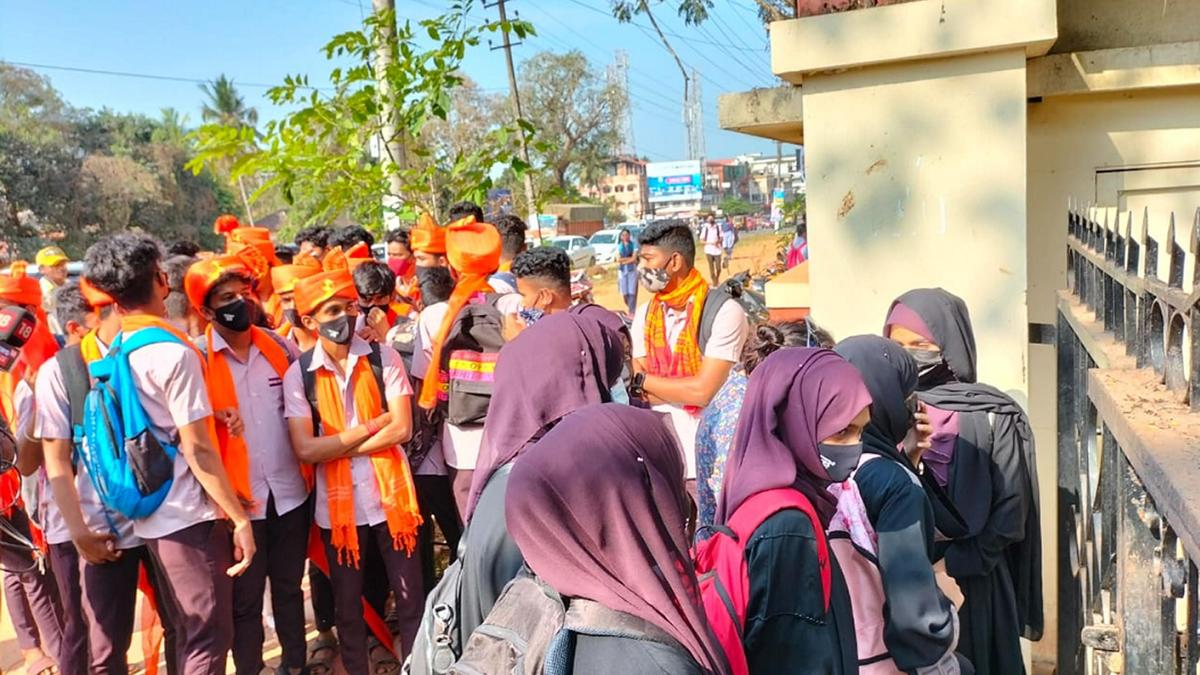
Students have expressed hope that calm and clarity will return. While some feel frustration at restrictions or attention, many appreciate efforts to ensure fairness and prevent conflict. Classroom discussions, peer support, and counselling services are being prioritised to reduce emotional strain. Adolescents are learning to navigate personal beliefs alongside institutional expectations, a challenge that is shaping their understanding of civic responsibility and mutual respect.
Community initiatives, including workshops and interfaith dialogues, have begun to address the tensions. Leaders emphasise the importance of coexistence, tolerance, and understanding. Students are encouraged to share perspectives, ask questions, and discuss challenges in moderated forums. These measures aim to reduce misconceptions, promote empathy, and encourage constructive engagement. The emphasis is on teaching peaceful resolution while respecting individual freedoms.
Administrators continue to monitor the situation daily. Updates from school principals and local officials are consolidated to track developments. Any incidents are addressed promptly to prevent escalation. The combined approach of policy enforcement, dialogue, and monitoring aims to stabilise school environments and protect the educational experience of all students.
Parents, students, and community representatives agree that resolution requires patience, communication, and sensitivity. While the saffron shawl and hijab row has reignited debates, the broader hope remains that education, tolerance, and understanding will prevail. Authorities and civil society groups continue to work together to ensure that classrooms remain safe, inclusive, and focused on learning rather than conflict.
Looking ahead, educational stakeholders stress long-term solutions. Clear guidelines on school attire, coupled with awareness campaigns, are being planned to prevent recurring issues. Training for teachers on managing sensitive situations is also prioritised. By creating an environment of respect and clarity, officials hope that students can concentrate on academic achievement while freely expressing their identities within reasonable limits.
For now, the district remains alert. Schools are being advised to exercise discretion, students are encouraged to follow protocols, and parents are urged to support dialogue over confrontation. The renewed row in Haveri highlights the delicate balance between individual rights and institutional order. How authorities, communities, and students navigate this balance in the coming days will likely determine whether classrooms return to calm or remain mired in tension.
Follow: Karnataka Government
Also read: Home | Channel 6 Network – Latest News, Breaking Updates: Politics, Business, Tech & More
