
The Supreme Court of India has issued a notice to Karnataka Chief Minister Siddaramaiah in response to a petition challenging the validity of his 2023 election from the Varuna constituency. The petition claims that the Congress party’s pre-poll “guarantee schemes” constituted corrupt practices under the Representation of the People Act. With the notice now formally issued, the case has gained significant political weight, sparking new conversations about the legality of welfare promises made during election campaigns.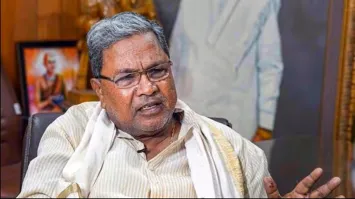
As political analysts examine the situation, many point out that the Supreme Court’s notice alone does not imply wrongdoing. Instead, it reflects the judiciary’s effort to address rising concerns over welfare-driven elections across India. Over the past decade, promises of subsidies, cash transfers and free services have become central to political campaigns. Critics argue that such expansive guarantees blur the distinction between genuine welfare commitments and strategic inducements. With the Siddaramaiah case now before the Court, experts believe that India may be heading toward a much-needed legal clarification that defines the limits of electoral generosity.
Interestingly, the case also brings attention to how guarantees were marketed during the Karnataka election campaign. The distribution of guarantee cards, the use of public gatherings to highlight welfare schemes, and the visibility of the Chief Minister in campaign materials form a significant part of the petitioner’s argument. Supporters of the government contend that such modes of communication are standard political practices used by all parties. They argue that penalising Congress for this would set an unrealistic precedent, one that might force political parties to retreat from publicising their own policy agendas.
Within the ruling party, there is confidence that the case will not lead to disqualification. Leaders assert that the welfare schemes were conceptualised after detailed socio-economic studies and reflect the government’s ideological commitment to social justice. They also emphasise that these guarantees have seen widespread acceptance among citizens, especially women, students and economically vulnerable groups. The Congress plans to highlight the constitutional validity of welfare measures and argue that public policy, when designed transparently and implemented equitably, cannot be conflated with corrupt electoral practices.
Opposition parties, however, argue that the issue extends beyond ordinary welfare schemes. According to them, the scale, timing and financial magnitude of the guarantees far exceeded what could reasonably be considered routine political promises. Some opposition leaders have renewed demands for stricter legislative guidelines to prevent what they describe as “irresponsible populism.” They claim that unchecked promises strain state finances, distort voter expectations, and create environments where electoral outcomes depend more on promised benefits than on governance or policy credibility.
Economists too are closely watching the case, noting that judicial scrutiny of welfare promises could influence the fiscal responsibilities of state governments. Karnataka’s guarantee schemes represent a large share of its annual budget, raising questions about long-term financial sustainability. If the Court ultimately rules that certain kinds of promises can be deemed inducements, states may need to reassess how they design and communicate welfare programmes. Economists argue that such a ruling could usher in a new era of financial accountability, where states must justify welfare policies not only politically but also legally.
Activists focused on democratic reform consider the case an opportunity to improve electoral integrity. They argue that welfare promises should be accompanied by clear budgetary outlines, timelines and accountability mechanisms to ensure that voters are not misled. From their perspective, the confusion surrounding free schemes stems from the absence of a national framework governing election promises. They hope that the Court’s eventual decision will prompt lawmakers to establish transparent guidelines that distinguish between genuine welfare commitments and promises made purely for electoral gain.
Meanwhile, the general public in Karnataka remains divided. Supporters of the guarantees emphasise the tangible relief these schemes have brought to households struggling with inflation, unemployment and rising living costs. They believe the petition is politically motivated and undermines the aspirations of those who depend on state support. Other citizens, however, argue that election outcomes should be based on governance performance rather than attractive pre-poll incentives. Many feel the Supreme Court’s intervention is necessary to ensure fairness and prevent political parties from engaging in competitive populism.
Legal scholars have also raised the point that the case could influence future manifesto-writing processes. If political parties become wary of legal repercussions, they may begin drafting more measured, realistic and fiscally responsible manifestos. This could shift election campaigns toward debates on development, infrastructure, environmental responsibility and long-term planning rather than short-term benefits. Supporters of this perspective believe that the case may ultimately help elevate the quality of political discourse across India, encouraging voters to evaluate parties based on governance track record and policy depth.
The ripple effects of the notice have also reached bureaucratic corridors. Officials involved in implementing the guarantees are closely following developments, as any judicial ruling that alters the legal interpretation of welfare promises could affect ongoing schemes. Departments responsible for fiscal planning, social welfare and transport are particularly attentive. They recognise that the case could potentially redefine administrative responsibilities, funding patterns and compliance requirements related to welfare programmes. For now, implementation continues without disruption, but uncertainty hangs over future modifications.
As Karnataka waits for the next phase of hearings, the Supreme Court’s notice has undeniably become a focal point of political conversation in the state. The case stands at the intersection of election law, welfare policy, fiscal responsibility and democratic ethics. Regardless of the final verdict, the proceedings will have far-reaching implications for the structure of electoral politics in India. For Siddaramaiah, the Congress and the people of Karnataka, the case represents more than a legal challenge — it marks a moment where the nation must reconsider how promises, governance and electoral integrity coexist within a vibrant democratic framework.
The petitioner argues that the guarantees announced by the Congress — including free electricity, monthly allowances, free bus travel for women, and subsidised food — were used as inducements to influence voters. The petition states that the presence of Siddaramaiah’s photograph on guarantee cards and his involvement in distributing them directly ties him to the alleged malpractice. The Supreme Court’s decision to seek a response signals that the matter will be examined in detail instead of being dismissed outright.
Judicial Scrutiny Over Election Promises Deepens
The Karnataka High Court had earlier dismissed the same plea, calling it vague and poorly drafted. It stated that election promises alone do not amount to corrupt practices unless there is concrete evidence that they materially affected the election’s outcome. However, with the Supreme Court choosing to review the matter, questions about how election promises intersect with electoral law have returned to the national spotlight.
The case gains further significance because the Supreme Court is already re-examining an earlier precedent that allowed political parties to announce welfare schemes without them being classified as inducements. The current plea aligns with that larger legal debate, prompting the court to consider whether free schemes, when tied to the identity of a candidate, can cross the boundaries of fair electoral conduct.
Legal observers noted the bench’s pointed questions about whether simply making promises can be branded corrupt. The judges emphasised the need to distinguish between political messaging and illegal influence. This scrutiny highlights the evolving judicial stance on freebies, populist schemes, and the fine line between welfare and inducement.
Political Tension Rises as Case Advances
For Siddaramaiah, the notice comes at a politically delicate moment. The winter session of the Karnataka Assembly is underway, and the state government is heavily promoting its guarantee schemes as flagship achievements. The opposition has seized the moment, calling the Supreme Court notice a validation of their long-standing criticism that the guarantees distort democratic fairness.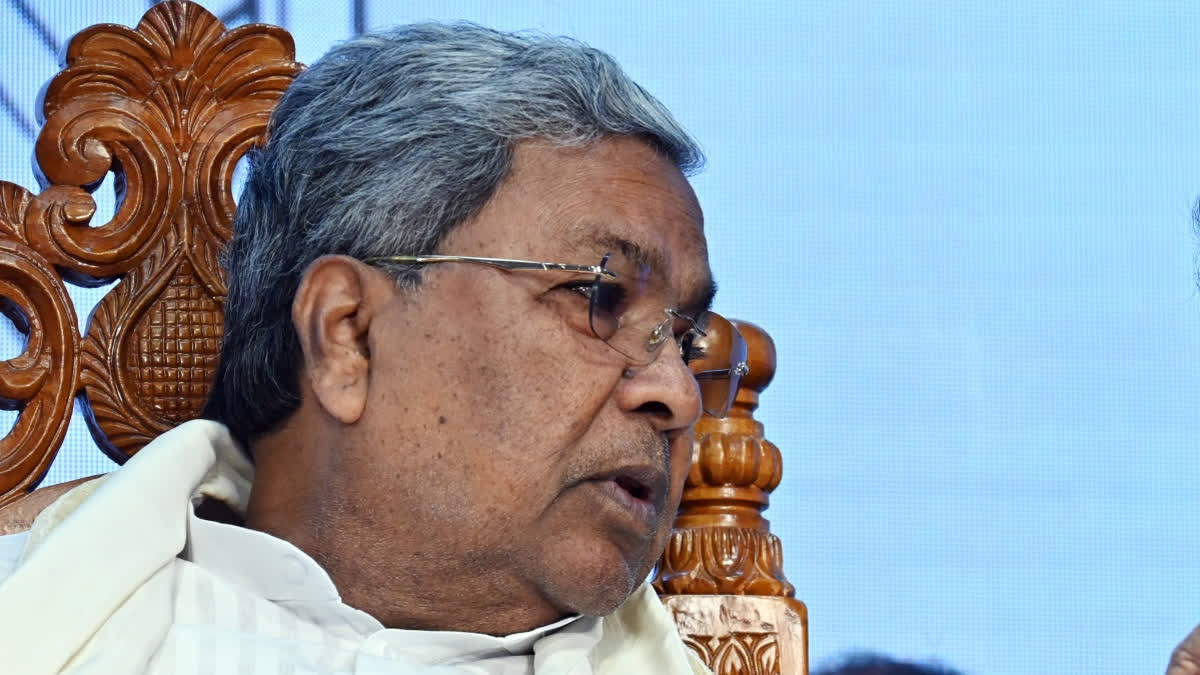
Within the Congress, discussions are reportedly ongoing about how to frame their legal response. Party leaders argue that welfare commitments have long been part of Indian electoral politics and that criminalising them would undermine the very structure of political manifestos. They maintain that the schemes are grounded in social welfare and economic support for vulnerable households rather than electoral inducements.
The petition also seeks a six-year ban on Siddaramaiah from contesting elections if he is found guilty. Though such an outcome remains far from certain, the possibility has heightened the stakes dramatically. Legal scholars caution that the final ruling — whichever way it swings — could set a landmark precedent impacting elections across India.
Meanwhile, public reactions remain mixed. Some believe that welfare promises are essential for addressing inequality and uplifting poor households. Others argue that lavish guarantees create an uneven playing field and tilt the electoral balance unfairly in favour of ruling parties. The current case may help clarify these long-debated boundaries.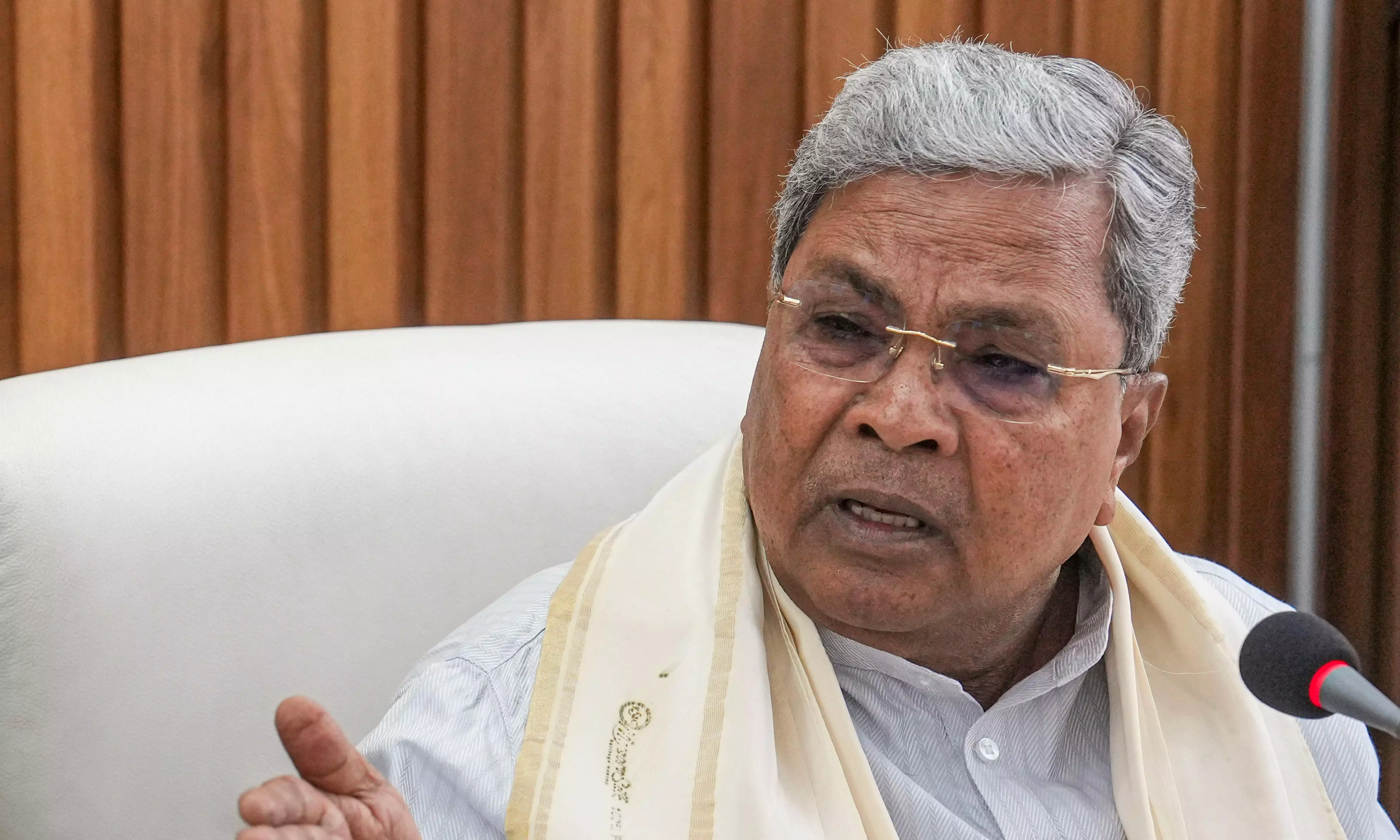
As the Supreme Court’s notice paves the way for detailed hearings, both legal and political circles await the next steps. Will the court reinforce existing interpretations of electoral freedom, or will it redefine the limits of acceptable campaign promises? For now, the issue has undeniably transformed into one of the most closely watched election-related disputes in the country.
Follow: Karnataka Government
Also read: Home | Channel 6 Network – Latest News, Breaking Updates: Politics, Business, Tech & More
