
The Karnataka High Court has recalled its earlier stay order on the State government’s decision to grant one day of paid menstrual leave every month to women employees. The court has now listed the matter for a full hearing on December 10, when the government will present its detailed arguments in support of the policy. The recall has reopened the debate on menstrual equity, workplace inclusion, and the evolving understanding of women’s health in employment law. For thousands of women employees, the decision has brought renewed hope that the policy may still be upheld after the upcoming hearing.
The policy, initially announced in October, aimed to provide all women employees in State departments and government-linked institutions one paid leave day each month on account of menstruation. However, a petition was filed challenging the circular on grounds of discrimination, potential misuse, and administrative hurdles. Acting on the petition, the High Court had granted a temporary stay. With the stay now recalled, the issue will be heard afresh, ensuring a deeper judicial examination of both the policy’s intent and its operational implications.
A Policy Grounded in Women’s Health Needs
The government has argued that menstrual leave is rooted in public health and labour welfare principles. Officials emphasised that menstrual pain and related symptoms—including cramps, nausea, fatigue, and hormonal fluctuations—can significantly impair productivity and affect employee well-being. The proposal to grant a single day of paid leave each month, they stated, was a thoughtful step toward creating a more inclusive and empathetic work environment for women.
Women’s groups and health advocates strongly support the measure, arguing that such policies help destigmatise menstruation and recognise the biological realities that women navigate. They maintain that menstrual health is an essential component of employee welfare and that formal acknowledgment through leave ensures dignity, comfort, and fairness for women employees. They also note that many countries and private organisations around the world have already adopted similar measures, reflecting a broader global shift toward acknowledging menstrual needs.
Critics, however, have expressed concern that special leave could unintentionally reinforce harmful stereotypes about women’s physical capacity. They fear that employers may hesitate to hire women if menstrual leave becomes mandatory, thereby reversing progress in gender equality. It was these concerns, along with administrative and financial implications, that prompted the initial petition challenging the government order.
Court’s Rationale for Recall of Stay
The High Court, while recalling the stay, remarked that the matter required a deeper and more comprehensive hearing before any interim restriction could be imposed. The bench noted that the State government had not yet fully presented its reasoning, data, and administrative framework behind the policy. It felt that a stay without hearing the government in detail was premature and could undermine a welfare measure aimed at supporting women employees.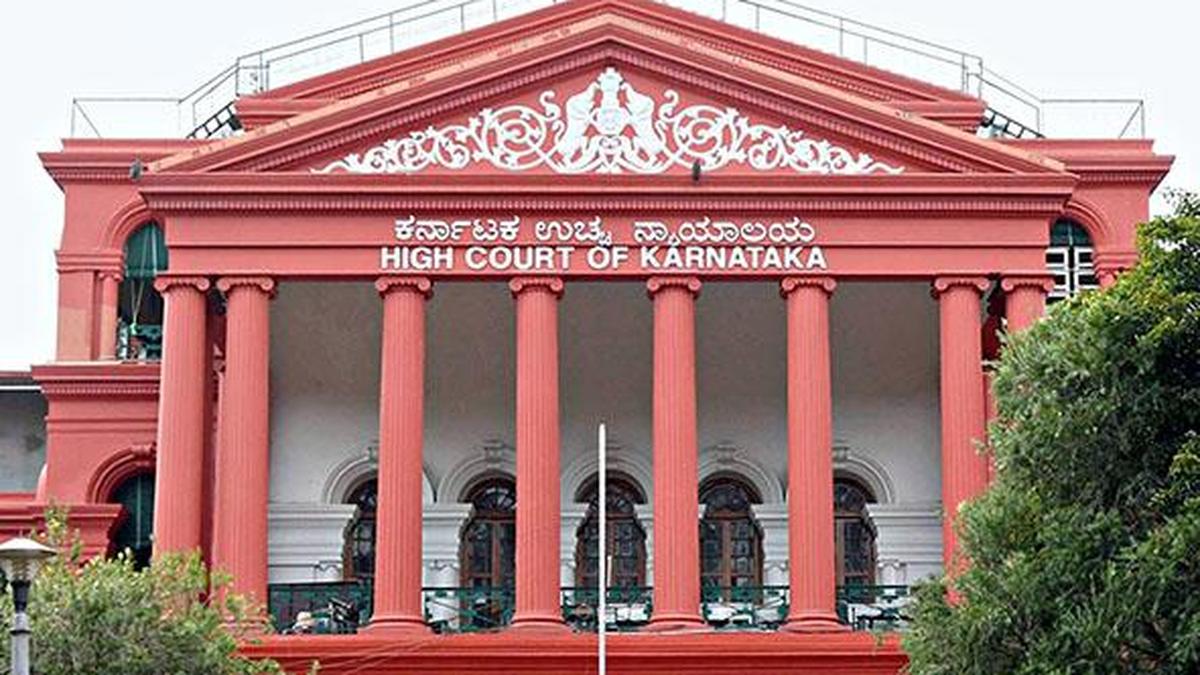
The judges clarified that recalling the stay does not amount to endorsing the menstrual leave policy, but simply restores the government’s ability to defend it. The court emphasised that questions of discrimination, administrative feasibility, public expenditure, and workplace equality require careful judicial consideration. The upcoming hearing on December 10, therefore, is expected to be a significant moment for both the government and petitioners.
Officials from the Department of Personnel and Administrative Reforms expressed relief at the court’s decision, noting that the stay had created confusion across State offices. While the original circular is not automatically reinstated, the recall ensures that the government’s voice will be heard before any final or interim decision is made. Women employees’ unions have welcomed the development, calling it a step toward recognising workplace fairness.
Debates Around Equality, Inclusivity, and Labour Law
The larger debate around menstrual leave extends beyond Karnataka, touching upon national and global discussions on gender-sensitive labour policies. Supporters argue that workplace equality does not mean treating everyone identically, but rather ensuring that policies reflect the diverse needs of different groups. Menstruation, they say, is a biological reality that only affects women, and acknowledging it helps create a more level playing field.
Opponents, however, claim that the policy could be viewed as a “special privilege,” potentially creating resentment among other employees. Some fear the leave could be misused or that workplaces might face operational disruptions if many employees take leave simultaneously. Others argue that menstrual challenges differ from person to person, making a uniform policy difficult to justify.
Labour law experts have noted that Indian employment regulations already include several gender-specific provisions—such as maternity leave, creche facilities, and safeguards against workplace harassment. They argue that menstrual leave can be seen as an extension of the same framework aimed at creating safer, healthier, and more equitable workplaces for women.
Women Employees Share Their Experiences
Women working in various State departments have shared mixed reactions. Many welcome the policy, saying that menstruation often brings intense discomfort, making it hard to focus on work. They describe situations where they had to travel long distances, attend field duties, or work through physically demanding tasks despite health challenges. Others say that a single day of leave each month would alleviate pressure without affecting productivity.
Some women, however, are cautious about how the policy might affect workplace dynamics. They fear being perceived as less capable or dependable, especially in male-dominated departments. A few also worry about privacy concerns—whether employees would have to disclose personal details when applying for menstrual leave. They suggest that the government must create a sensitive and confidential process to ensure dignity and avoid embarrassment.
Health experts have weighed in, stressing that menstrual symptoms can be debilitating for many women. They point out that medical studies document conditions such as dysmenorrhoea, endometriosis, and hormonal imbalances, all of which can intensify menstrual pain. They argue that recognising these conditions through workplace policy is not only progressive but necessary.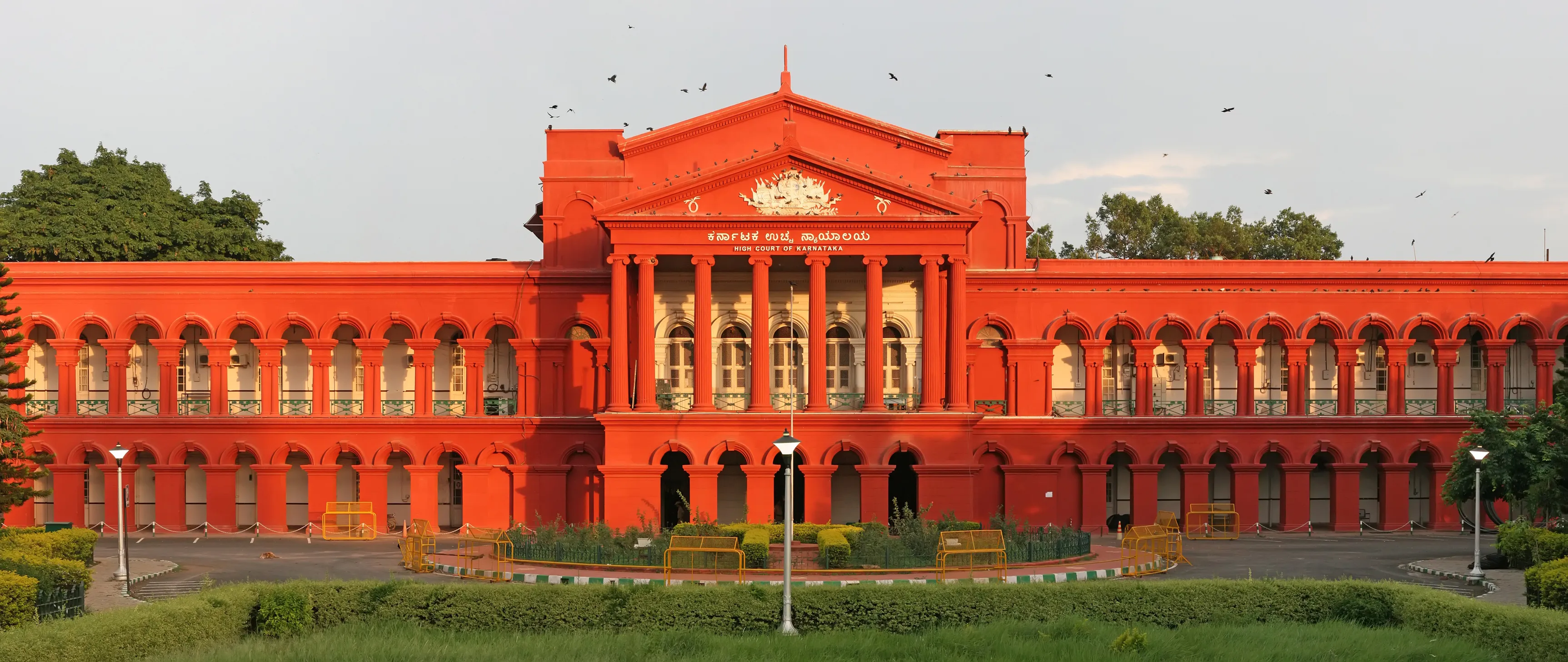
Administrative Challenges and Implementation Concerns
Officials within the government acknowledge that implementing menstrual leave across departments requires careful planning. Administrative heads must track leave without compromising privacy, redistribute workload, and ensure continuity of essential services. Budgetary concerns also exist, particularly in departments with large numbers of female employees.
Some senior officers have suggested that the policy could be integrated with existing casual leave or optional leave systems. Others propose digital tracking systems that allow employees to apply confidentially. The government is expected to present detailed models and data during the December 10 hearing to address these concerns.
Petitioners argue that implementing the policy without studying its financial impact is risky. They claim that paid leave costs could escalate, placing strain on departments with limited budgets. They also suggest that productivity may decline if the leave is not monitored properly. However, women’s groups counter that health and well-being must be prioritised and that productivity is likely to improve if employees are healthier and more comfortable.
Political Reactions and Public Debates
Political leaders have responded swiftly to the High Court’s decision, with some hailing it as a progressive move and others calling for caution. Members of the ruling party argue that menstrual leave demonstrates the government’s commitment to women’s welfare and equality. They emphasised that Karnataka has historically taken leadership in health and labour reforms and that this policy aligns with that legacy.
Opposition leaders questioned the financial and administrative feasibility of the policy, arguing that the government must ensure it does not create additional burdens on the workforce. They have called for a detailed cost-benefit study and suggested that the matter requires broad consultation with employee unions, health experts, and legal advisors.
Public opinion remains divided. Social media discussions show strong support from young professionals and women’s rights groups, while others express discomfort with policies that differentiate between employees based on gender.
Experts Anticipate a Landmark Decision
Labour law scholars note that the Karnataka High Court’s final decision could set an important precedent for menstrual leave policies across India. While some private companies already offer menstrual leave, government adoption carries far greater influence and visibility. If upheld, the policy could inspire similar initiatives in other States and prompt national-level discussions.
Experts expect the government to present data demonstrating the health and productivity benefits of menstrual leave. They also anticipate that petitioners will argue that such leave creates gender-based differentiation. The court’s challenge will be to balance constitutional equality with biological realities and labour welfare needs.
The December 10 hearing is expected to be extensive, with multiple stakeholders presenting arguments. Legal observers predict that the court may seek clarifications on financial feasibility, administrative guidelines, and potential safeguards against discrimination.
Looking Ahead as December 10 Approaches
As the hearing date nears, women employees across Karnataka are watching closely. Many describe the recall of the stay as a moment of hope, signalling that their concerns will be fully heard in court. They hope the judiciary will recognise the importance of menstrual health and support the government’s welfare-oriented initiative.
The government, meanwhile, is preparing a comprehensive submission that addresses all concerns, from financial implications to operational logistics. Officials are expected to highlight scientific studies, international examples, and the social relevance of menstrual leave.
Whatever the outcome, the debate has already opened a conversation long overdue—one that challenges workplaces to rethink how they support women’s health. The High Court’s final ruling could reshape labour policy not only in Karnataka but across the country, making menstrual health a recognised part of public administration.
Follow: Karnataka Government
Also read: Home | Channel 6 Network – Latest News, Breaking Updates: Politics, Business, Tech & More
