
The Karnataka winter session opened with a striking and unexpected statement from Deputy Chief Minister D.K. Shivakumar, who voiced support for revisiting the existing norms regarding the permissible quantity of liquor an individual can store at home. His remarks, delivered during an informal interaction on the sidelines of the session, quickly escalated into a political and administrative debate. As the State prepares to handle a wide range of legislative issues in the winter session, this particular subject has emerged as one of the most talked-about topics both within and outside the Assembly.
Shivakumar indicated that the current guidelines, which restrict the amount of liquor that can be legally kept in private residences, may no longer reflect contemporary realities. He argued that enforcement challenges, evolving social practices, and inconsistencies in regulatory interpretation necessitate a fresh look. The Deputy Chief Minister’s stance has raised questions about whether Karnataka is moving toward liberalised norms or simply attempting to streamline an often-criticised regulatory framework.
At present, Karnataka’s excise laws limit the storage of liquor in homes, with penalties imposed on households found possessing stock exceeding the permissible quantity. While the aim has traditionally been to curb illegal resale, hoarding, and tax evasion, critics say the guidelines create confusion, encourage unofficial transactions, and burden enforcement agencies with avoidable raids. Against this backdrop, Shivakumar’s remarks signal a possible policy shift that could have social, economic, and political implications.
A Call That Rekindles an Old Policy Discussion
The discussion around domestic liquor stock is not new to Karnataka, but the Deputy Chief Minister’s public endorsement of revisiting the norms has brought renewed urgency. Shivakumar argued that citizens who legally purchase alcohol for personal use should not fear punitive action. He stated that people often buy liquor during festivals, family functions, celebrations, or while hosting guests, and the existing limits may not reflect the quantities needed for such occasions. According to him, a more realistic and transparent policy would reduce misunderstandings and encourage residents to stay within the law without feeling targeted.
Legal experts agree that ambiguity in excise rules has long been a point of contention. Several citizens have complained that the lack of clarity exposes them to inspections and penalties even when they have bought alcohol legally from licensed outlets. Enforcement officers, on their part, say that contradictory interpretations of the rules often lead to operational difficulties. This gap between the law’s intention and its execution is what Shivakumar says must be addressed.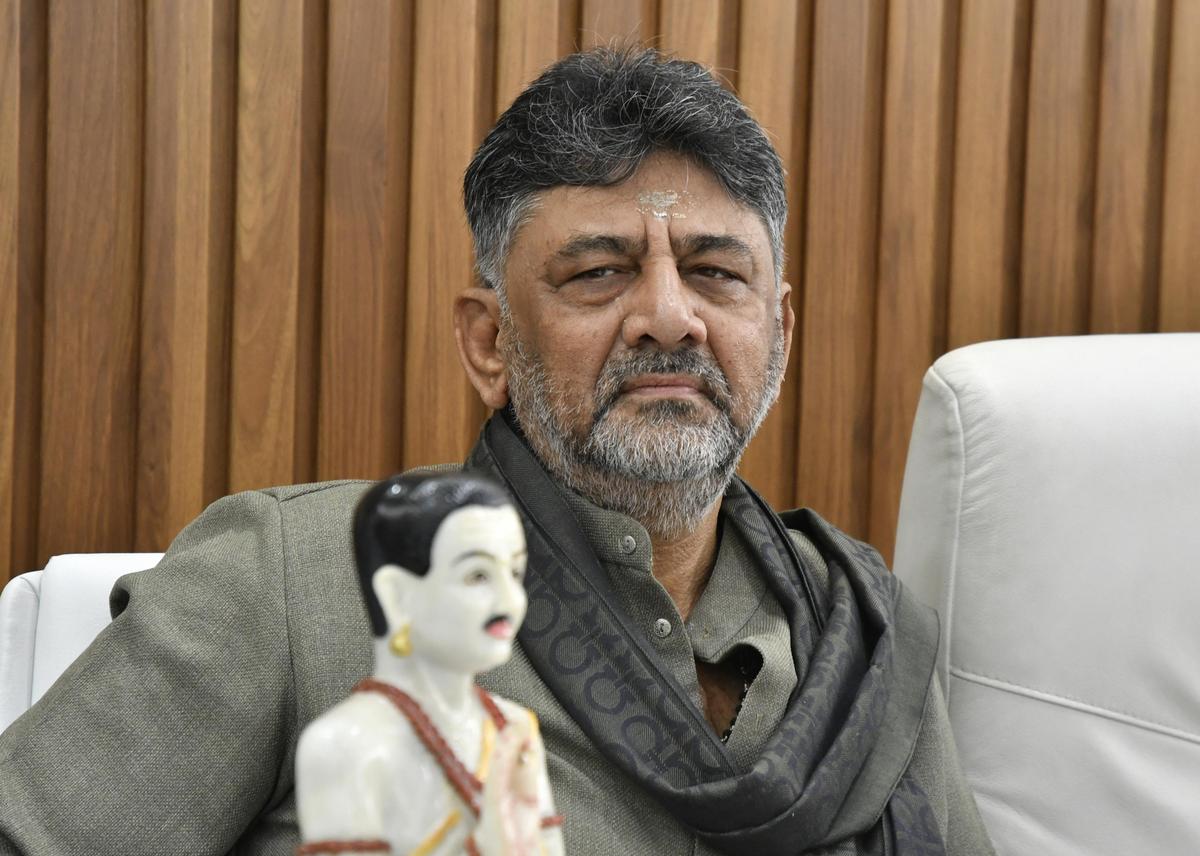
However, not everyone views a revision as harmless. Some public health organisations argue that increasing permissible stock limits could indirectly promote excessive consumption. They fear that the move may weaken regulatory surveillance at a time when alcohol-related concerns—such as drink-driving, addiction, and underage access—continue to trouble authorities. They warn that any relaxation must be accompanied by safeguards, awareness campaigns, and stronger monitoring of liquor outlets.
Political Reactions and Divided Opinions
The Deputy Chief Minister’s comments have stirred diverse reactions across the political spectrum. Members of the ruling party have largely supported the idea of revisiting outdated regulations, stating that overly restrictive norms cause more confusion than compliance. They argue that a transparent, citizen-friendly policy could reduce unnecessary friction between residents and authorities, especially during routine checks or festival-season enforcement drives.
Opposition leaders, however, have criticised the timing and intent behind the statement. Some have questioned why the government is prioritising liquor-related regulations at a time when farmers, municipal workers, teachers, and healthcare workers are demanding policy attention. Others suggest that any move to liberalise stock limits could be influenced by excise revenue considerations, especially when the State is navigating financial constraints. They argue that the government must clarify whether such proposals are purely administrative or tied to broader revenue mobilisation strategies.
Political analysts note that alcohol-related policy decisions often invite polarisation. Karnataka has one of the highest excise revenues in the country, and any change in liquor regulation—whether in distribution, pricing, or storage—inevitably triggers debate. Shivakumar’s remark, in this context, is being examined through political, economic, and social lenses simultaneously.
Public Reaction Reflects Both Support and Caution
Across urban and semi-urban pockets of Karnataka, residents have expressed mixed reactions to the Deputy Chief Minister’s suggestion. Many citizens believe that current limits, including restrictions on the number of bottles or litres of liquor allowed at home, are outdated and impractical. They argue that families conducting weddings or festivals often buy liquor in bulk—not for resale, but for hosting relatives and guests. For them, the move to reconsider norms seems logical and timely.
Some residents have shared personal experiences where they were unsure whether the quantities they purchased for family gatherings violated rules. Others highlight that liquor availability is far more open now compared to previous decades, making storage norms appear excessively strict. Several urban households believe that policy clarity would reduce reliance on hearsay, misinformation, or fear of punitive action.
Conversely, social organisations have cautioned that relaxed norms might inadvertently normalise higher consumption levels. They note that Karnataka already records concerning numbers of alcohol-related medical emergencies and road accidents. For them, any easing of household stock limits must be balanced with education on responsible consumption and stricter monitoring of illegal outlets.
The hospitality sector has shown interest in the debate as well. Restaurants, bars, and caterers often handle large alcohol orders for private functions. Many of them agree that revising norms could help streamline bulk purchases legally, reducing confusion among clients who host events at home or in gated communities.
Administrative Views and Enforcement Hurdles
Excise officials have welcomed the discussion, noting that enforcement becomes challenging when laws are ambiguous. Officers say that during raids, inspections, or festival-season checks, determining whether households violate stock limits often becomes subjective. This can lead to disputes, allegations of harassment, and challenges in ensuring fairness. A clear, updated policy would, they argue, make enforcement cleaner and reduce discretionary interpretations.
Senior officers have stressed that the objective of storage limits was never to police personal consumption, but to prevent illegal retail activities. They say households storing legitimate purchases frequently get caught in the grey area. Revising the rules, therefore, could help agencies focus on actual offenders rather than law-abiding citizens.
Some officers also point out that the digitalisation of liquor purchases—especially through licensed online or app-based systems in certain districts—provides clearer transaction histories. With improved tracking capabilities, they believe the State can afford to modernise storage regulations without compromising control.
Administrative experts, however, caution that a revision must be comprehensive. They argue that simply raising storage limits without addressing parallel issues—such as underage access, homemade liquor circulation, and tax-evasion networks—would be shortsighted. Any policy reset, they say, must be part of a holistic regulatory update.
A Socio-Cultural Debate in the Background
Liquor regulation in Karnataka has always been intertwined with cultural norms, social habits, and political considerations. The State has diverse consumption patterns across regions: urban centres show higher demand for premium spirits, while rural pockets have long-standing traditions involving locally produced beverages. For many families, liquor procurement and storage are closely tied to festivals, life-cycle ceremonies, and community gatherings.
Shivakumar’s remarks have reopened a debate on whether regulations should reflect Karnataka’s changing socio-economic landscape. Younger citizens in particular have expressed that personal freedom, privacy, and modern lifestyles should not be hindered by rigid, decades-old norms. They believe that policy updates must keep pace with evolving cultural practices, especially in cosmopolitan cities like Bengaluru.
On the other hand, cultural conservatives and community activists maintain that any liberalisation must be handled with caution. They warn that rising social acceptance of alcohol could influence youth behaviour and strain families grappling with addiction issues. Their argument emphasises the need for a balanced approach that respects cultural sensitivities while ensuring personal freedom.
Economic Considerations and Revenue Implications
Karnataka’s excise revenue forms a significant component of the State’s finances. Any policy discussions involving liquor inevitably trigger speculation regarding revenue strategies, especially during budget season. While Shivakumar did not explicitly link his remarks to revenue, analysts say that modifying storage norms could influence buying patterns indirectly.
Liberalised limits might encourage bulk purchases from legal outlets, potentially boosting excise collections. Conversely, opponents claim that it may increase household consumption, leading to broader public health costs. Economists remain divided on whether the financial impact of revising storage norms would be meaningful or marginal.
Some observers also believe that the government is signalling a willingness to modernise excise rules more broadly. Over the past few years, Karnataka has been exploring technological tools to track sales, curb illegal distillation, and prevent smuggling from neighbouring states. A review of storage norms could be part of these larger reforms aimed at ease of regulation, reduced friction, and enhanced transparency.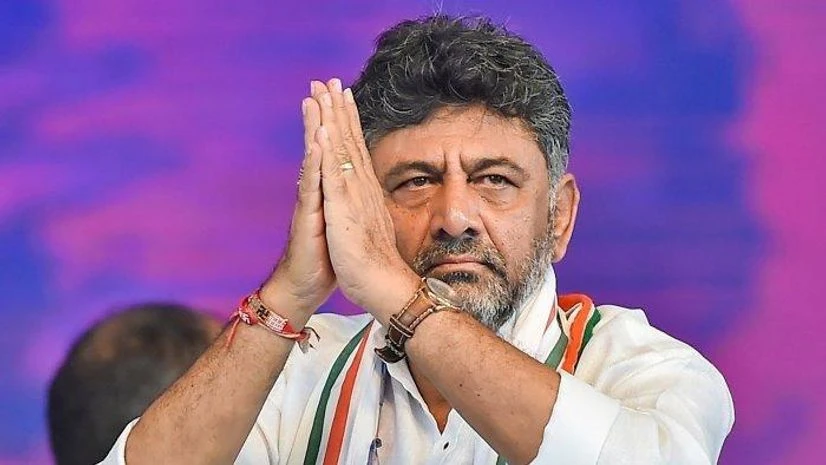)
Legislative Possibility During Winter Session
Although Shivakumar refrained from stating whether a formal proposal would be introduced during the winter session, his remarks have set the stage for potential legislative movement. Several MLAs expressed interest in debating the issue further, citing constituent concerns and enforcement inconsistencies. Given the session’s packed agenda, experts believe that even if no bill is introduced immediately, discussions could shape the groundwork for future amendments to excise rules.
Some legislators have suggested that any amendment must be preceded by a public consultation process involving residents, hospitality associations, enforcement agencies, and public health experts. They argue that a transparent approach would lend legitimacy to whatever policy emerges, reducing public resistance and ensuring smoother implementation.
Conclusion: A Conversation That Is Just Beginning
The debate sparked by Deputy Chief Minister D.K. Shivakumar’s remarks extends well beyond the question of how many bottles one may store at home. It has opened up broader conversations on personal freedom, regulatory clarity, public health, administrative efficiency, and cultural change. As the winter session progresses, the issue is likely to remain in public focus, shaping discussions both inside and outside the Assembly.
Whether Karnataka eventually amends its excise rules or opts for more limited clarifications, the conversation has highlighted the need for laws that reflect contemporary social realities while maintaining responsible oversight. For now, Shivakumar’s statement stands as a catalyst for a policy review that may redefine how the State approaches alcohol regulation in the years to come.
Follow: Karnataka Government
Also read: Home | Channel 6 Network – Latest News, Breaking Updates: Politics, Business, Tech & More
