
The Karnataka High Court has ruled that the mere contemplation or proposal of a disciplinary proceeding cannot be used as a reason to deny an employee their rightful promotion. The judgment is being hailed as a significant reaffirmation of service jurisprudence, offering clarity on a matter that has long led to disputes between government departments and their employees. According to the court, unless a formal disciplinary proceeding is initiated and communicated, authorities cannot rely on assumptions or pending internal discussions to block an employee’s career progression. The ruling marks a crucial moment in strengthening fairness within public service administration.
The case before the High Court involved an employee whose promotion had been withheld because the department claimed that a disciplinary proceeding was “under consideration.” The employee argued that no formal notice, chargesheet or preliminary communication had been issued. After hearing both sides, the court concluded that contemplation alone, without formal initiation, carries no legal status. The judges emphasised that promotions cannot be stalled indefinitely on vague grounds. This decision aligns with established principles that stress the need for transparency, timeliness and due process in employment-related actions.
Legal experts point out that such delays in promotions often arise from ambiguity in service rules and the absence of clear timelines for initiating disciplinary action. Departments sometimes keep matters pending for months or even years, leading to career stagnation and administrative disorder. The High Court’s ruling reiterates that disciplinary proceedings must be concrete, officially recorded and communicated before they can affect promotions. By distinguishing between contemplation and initiation, the judgment ensures that administrative authorities cannot misuse internal discussions to influence an employee’s prospects.
Strengthening Due Process and Administrative Accountability
The court’s reasoning draws from earlier Supreme Court decisions which held that only a formally initiated disciplinary proceeding—supported by a chargesheet or official memorandum—can justify withholding a promotion. Anything short of this violates the principles of natural justice. The Karnataka High Court noted that service rules cannot be interpreted in a manner that allows authorities to delay promotions based on hypothetical or incomplete actions. The judgment is expected to compel departments to adopt clearer internal processes, preventing them from relying on ambiguity to justify administrative decisions.
Employee unions have welcomed the ruling, arguing that many public servants face psychological and professional distress when departments keep disciplinary matters in limbo. They noted that the lack of communication leaves employees uncertain about their status, affecting morale and productivity. The court’s decision reinforces the idea that employees cannot be subjected to invisible or unofficial actions that restrict their rights. By requiring formal initiation, the judgment provides a safeguard against arbitrary treatment and promotes greater accountability within government offices.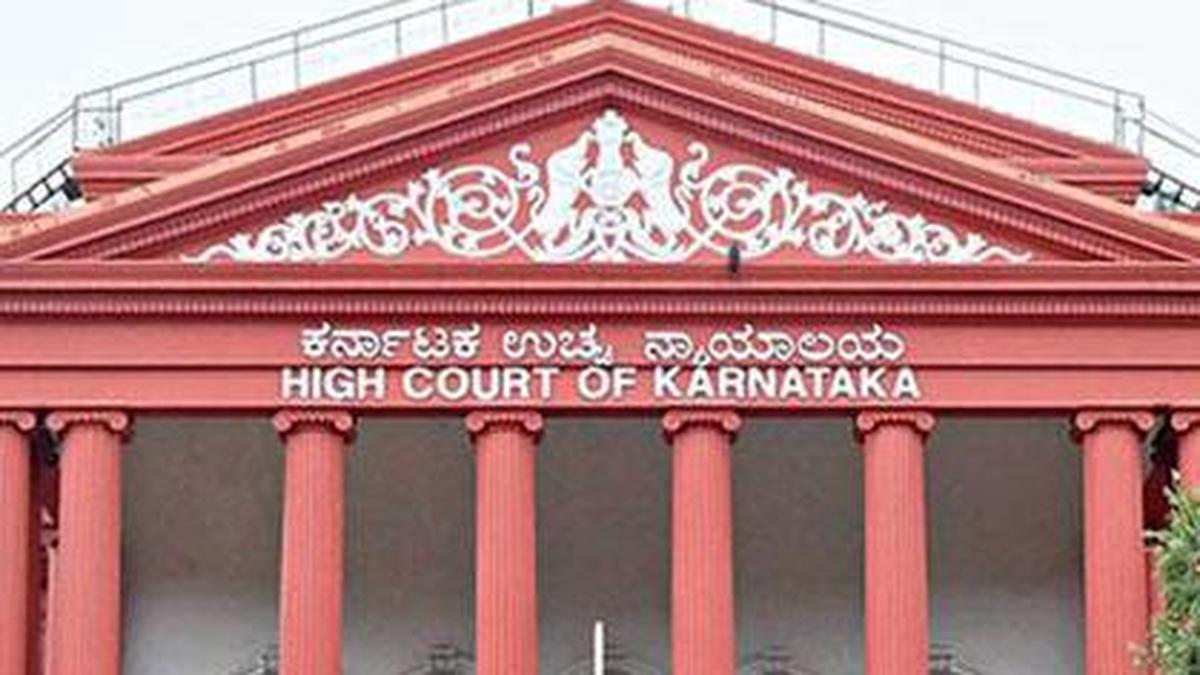
Several service law specialists believe the ruling will also reduce litigation. A large number of cases filed before various administrative tribunals involve promotions withheld on the grounds of pending or proposed disciplinary action. The court’s clear articulation of the legal standard is expected to reduce misinterpretation by departments. With better-defined boundaries, administrative authorities may be less inclined to adopt discretionary or inconsistent methods when handling promotion-related issues. This could result in smoother personnel management and fewer disputes reaching the courts.
Some experts also highlight the larger implications for governance. Promotions are closely linked to organisational efficiency and leadership structures within departments. When promotions are stalled without legitimate grounds, it not only affects individual employees but also disrupts succession planning and service delivery. By ensuring that promotions cannot be halted merely on the basis of speculation, the ruling encourages a more streamlined and reliable administrative environment. It reinforces the importance of timely decision-making and clarity in government operations.
Impact on Future Service Disputes and Administrative Discipline
The judgment is also expected to influence how departments approach preliminary inquiries. Often, internal fact-finding exercises precede formal disciplinary proceedings. Departments sometimes use these preliminary stages as justification to stop promotions, leading to long periods of uncertainty. The court has made it clear that unless the inquiry progresses to a formal stage with explicit communication, it cannot be considered grounds for denying advancement. This distinction prevents misuse of preliminary inquiries, ensuring they do not become tools for delaying or avoiding promotions.
From the government’s perspective, the ruling may lead to improvements in administrative procedures. Departments will likely be required to follow stricter timelines while deciding whether or not to initiate disciplinary proceedings. Authorities may need to issue formal notices promptly instead of allowing internal discussions to extend indefinitely. This could result in more structured and accountable service management. Ensuring employees are informed of any formal action against them also supports transparency, a key element of good governance.
The High Court also touched upon the principle that promotions must be processed based on the employee’s record as it stands on the date of consideration. If, on that date, no formal proceeding exists, the employee cannot be penalised for issues raised at a later time. This ensures fairness and prevents retrospective justification for withholding promotions. The ruling reinforces that departments must base their decisions on verifiable facts, not future possibilities. This legal clarity is likely to shape how authorities record, monitor and assess employee performance.
Many retired bureaucrats have commented that the ruling restores a necessary balance between administrative authority and employee rights. They note that while departments must retain the power to discipline employees when necessary, such powers cannot be exercised informally or without due process. The decision ensures that disciplinary mechanisms remain robust while preventing their misuse. It upholds both the integrity of the service system and the dignity of the employees who work within it. This equilibrium is essential for a healthy administrative ecosystem.
The court’s judgment also offers reassurance to employees that their career progression will not be affected by uncommunicated actions. Promotion eligibility has a direct impact on salaries, responsibilities and future prospects. In many cases, promotions delayed unjustly have long-term consequences, including affecting pension benefits. The ruling ensures that employees are not unfairly deprived of their entitlements. It encourages departments to maintain clear records and follow procedural guidelines strictly, reducing the possibility of arbitrary or unexplained delays.
Service tribunals across the country may reference this ruling in similar disputes. Though the judgment is jurisdictionally limited to Karnataka, its reasoning aligns with widely accepted legal principles, making it influential. As administrative litigation often draws from comparable precedents, the Karnataka High Court’s decision may guide other courts addressing similar issues. This cross-referencing strengthens uniformity in service jurisprudence, ensuring that employees across different states receive equal protection under similar circumstances.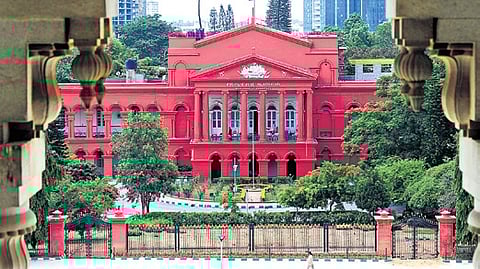
In many government departments, uncertainty around disciplinary proceedings often contributes to workplace tension. Employees may fear that unresolved internal discussions could affect their promotions, transfers or annual evaluations. This ruling aims to eliminate such ambiguity by clarifying that contemplation alone carries no legal consequence. Clear communication and formal action are mandatory before an employee’s career trajectory can be affected. This builds trust between employees and administration, supporting a healthier work environment and a more motivated workforce.
The verdict also emphasises the importance of administrative efficiency. If departments wish to initiate disciplinary action, they must do so decisively and within a reasonable time frame. Prolonged contemplation without initiation reflects poorly on internal processes and creates legal vulnerabilities. By insisting on formal procedures, the court indirectly encourages departments to strengthen internal decision-making protocols. This could lead to better file movement, stricter documentation and improved record-keeping practices, benefiting overall governance.
The ruling reiterates that fairness is a cornerstone of service law. Employees are entitled to know the allegations against them, respond to them and defend themselves appropriately. When departments delay the initiation of proceedings but still restrict promotions, they deny employees these fundamental rights. By drawing a clear boundary, the court safeguards procedural fairness and ensures that disciplinary mechanisms cannot be weaponised. This upholds not only employee rights but also the broader constitutional principles governing public service.
The Karnataka High Court’s judgment also draws attention to the importance of communication in administrative decisions. Authorities must ensure that any disciplinary action is conveyed formally and unambiguously to the concerned employee. Lack of communication creates room for misunderstandings and disputes, burdening both employees and the justice system. The ruling encourages departments to adopt transparent practices, reducing the risk of legal challenges and fostering smoother interactions between staff and administration.
As the judgment becomes widely known, employees awaiting promotions may find renewed confidence in the system. It reinforces the idea that promotions cannot be withheld arbitrarily or indefinitely without a legal foundation. This clarity may lead to better workforce morale, especially among mid-career employees who often face delays. It also motivates departments to act promptly and responsibly in disciplinary matters, ensuring that decisions are based on established processes rather than informal exchanges.
The ruling stands as a reminder that the principles of natural justice must guide all administrative actions. By declaring that mere contemplation of disciplinary proceedings is not a valid reason to deny promotion, the Karnataka High Court has provided a strong, reassuring precedent. It supports both administrative integrity and employee rights, ensuring that public service remains grounded in fairness, transparency and due process.
