
The Karnataka Legislative Council witnessed a heated debate this week over delays in providing financial relief to farmers affected by the recent heavy rains. Lawmakers from opposition parties accused the government of bureaucratic inertia, arguing that prolonged delays are causing serious distress to agricultural families who have already suffered crop losses. Government representatives defended the administration, citing procedural formalities and verification processes as reasons for the slow disbursement. The discussion highlighted deep concerns about accountability, timely assistance, and the mechanisms in place to support farmers facing natural calamities. The session was marked by passionate speeches, pointed criticisms, and calls for immediate action.
Farmers in several districts have reported significant crop damage due to unseasonal and heavy rainfall over the past two months. Many have approached local authorities seeking compensation and support, only to face delays in processing their claims. Opposition members argued that the procedural red tape and slow response times are exacerbating the economic and emotional stress on farming families. The debate also touched upon the effectiveness of existing disaster management frameworks, which critics say are not responsive enough during critical periods. Several councillors emphasised that prompt relief is essential to prevent further debt accumulation and distress migration.
Officials indicated that special task forces have been deployed in the most affected districts to expedite field assessments and verification of crop damage. These teams are coordinating with local revenue officers, agricultural extension workers, and panchayat representatives to ensure accurate and timely data collection. The administration stressed that proper documentation is critical to avoid duplication of claims and to ensure that funds are allocated fairly. Councillors acknowledged these efforts but reiterated the importance of speed, urging officials to complete assessments without unnecessary delays.
The Council also debated the adequacy of existing compensation amounts. Many lawmakers argued that the current relief packages do not fully cover the losses incurred by farmers, particularly in cases of complete crop devastation. Representatives from agricultural committees suggested revising compensation norms to reflect current market rates for crops and input costs, including seeds, fertilizers, and labour. They emphasised that fair compensation is necessary to prevent farmers from falling deeper into debt, maintaining both economic stability and confidence in government schemes.
Several members highlighted the need for better communication channels between the administration and the farming community. They noted that many farmers are unaware of the processes required to claim relief, leading to confusion and delays. Suggestions included dedicated helplines, mobile outreach units, and village-level information campaigns to educate farmers on eligibility criteria, documentation requirements, and timelines. Officials assured the Council that such initiatives are being strengthened to make relief measures more accessible and transparent.
Lawmakers also raised concerns about the role of insurance companies in the relief process. They pointed out that delays in insurance settlements often exacerbate financial distress, as farmers cannot access funds promptly. Councillors proposed mechanisms for coordination between insurers and government agencies, such as pre-verified claims and joint assessment teams, to speed up disbursement. They stressed that integrating insurance processes with government relief schemes could significantly improve the effectiveness of support for rain-hit farmers.
Finally, the Council underscored the importance of preventive measures for future rain-related damages. Discussions included the adoption of improved drainage systems, early warning mechanisms, and training programs for farmers on crop management under adverse weather conditions. Members emphasised that while immediate relief is critical, long-term resilience strategies are equally important to reduce vulnerability. The session concluded with a consensus that combining prompt assistance with proactive planning will help secure the livelihoods of farmers and strengthen the agricultural sector against future climatic challenges.
Government officials responding in the Council noted that verification of claims, assessment of damages, and proper allocation of funds require careful processing. They stressed that relief measures are intended to be equitable and accurate, ensuring that compensation reaches the most deserving beneficiaries. While acknowledging the hardship faced by farmers, they argued that hasty disbursal without proper verification could lead to misuse of resources and administrative complications. The government pledged to expedite the process, promising a timeline for approvals and disbursement to reassure affected communities.
The session brought to light longstanding concerns regarding the coverage and adequacy of crop insurance schemes. Lawmakers pointed out that while many farmers are enrolled under insurance programs, delays in assessment and settlement often result in limited immediate support during crises. Opposition members demanded that interim relief measures be provided even before insurance claims are processed. They highlighted cases where families faced financial distress due to loss of harvest, inability to repay loans, and lack of access to temporary food and financial support. The Council agreed that faster intervention mechanisms are necessary to bridge the gap between disaster occurrence and compensation delivery.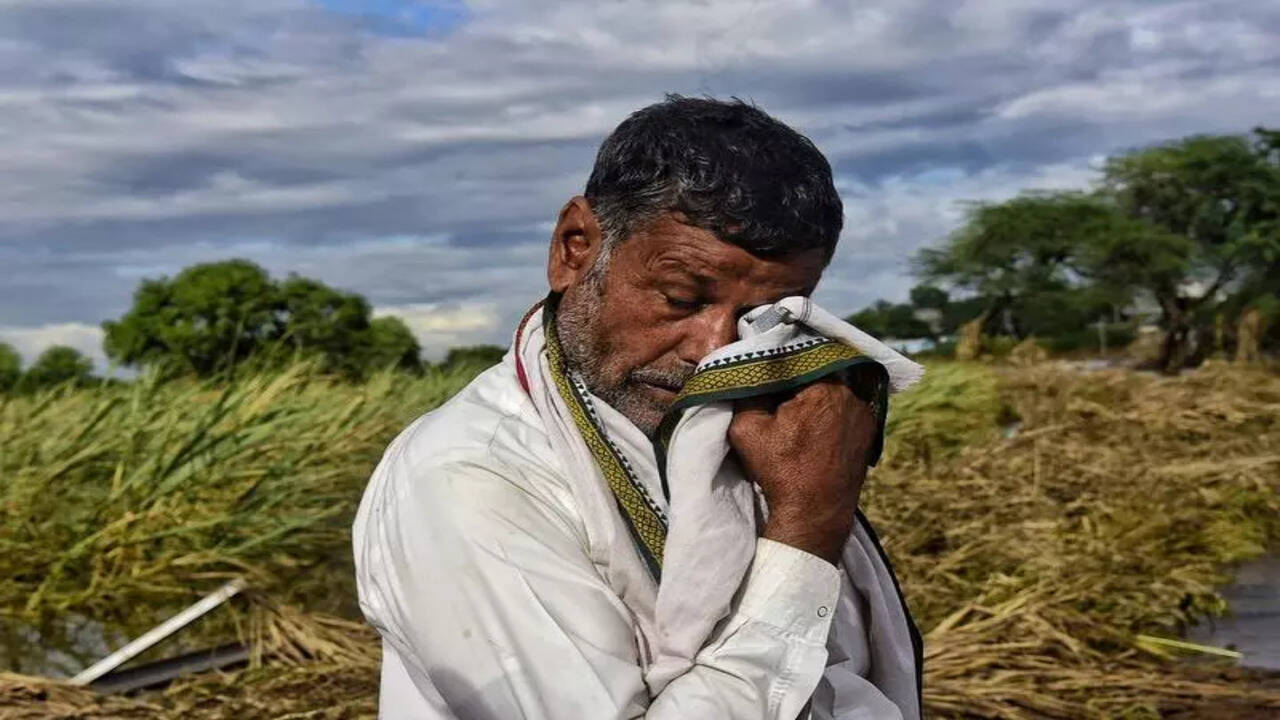
Concerns Over Bureaucratic Delays and Verification Processes
Several councillors criticised the complex multi-layered verification procedures required before relief can be granted. Farmers often have to submit multiple documents, undergo field assessments, and wait for approvals from various levels of administration. Critics argued that this delays the actual benefit reaching farmers, while the government defended the necessity of thorough checks to prevent duplication, fraud, and misallocation of funds. Experts present in the Council highlighted that procedural delays are a common bottleneck in disaster relief systems across the country, and suggested reforms to streamline documentation and approvals.
The debate also raised questions about the coordination between different government departments responsible for relief measures. Revenue, agriculture, and disaster management departments were cited as often working in silos, which can slow the disbursement of assistance. Lawmakers suggested establishing a unified command structure or single-window system to oversee and fast-track the delivery of relief. They emphasised that farmers cannot be expected to navigate a labyrinth of offices and procedures during times of crisis. Members of the Council stressed the need for accountability and regular monitoring to ensure timely action.
Opposition members also expressed concern about the transparency of the relief process. They pointed out instances where certain farmers reportedly received compensation faster than others, leading to suspicions of partiality. Lawmakers demanded a public dashboard or portal where beneficiaries and stakeholders could track claims and disbursements. They argued that technology-driven monitoring could help prevent misuse of funds, ensure equitable distribution, and restore trust among the farming community. Government representatives acknowledged the merit of such suggestions and indicated ongoing efforts to digitise records and improve tracking.
Farmers’ representatives attending the session highlighted the human impact of delayed assistance. They spoke of families struggling to buy seeds, pay for irrigation, or repay loans due to delayed relief. Many young farmers fear abandoning agriculture due to repeated losses, leading to migration to urban areas for alternative employment. Councillors emphasised that timely relief is not just about financial compensation but about sustaining livelihoods and preventing rural distress. The Council session underscored the social and economic stakes involved in ensuring rapid assistance following natural disasters.
Calls for Policy Reform and Improved Disaster Response: Rain
Several speakers called for long-term reforms to make disaster relief systems more responsive and resilient. Suggestions included pre-approved emergency funds, faster assessment teams, and simplified claim procedures for recurrent natural disasters. Lawmakers stressed that climate unpredictability demands proactive measures rather than reactive responses. The Council debated the role of local governance structures, such as panchayats, in facilitating quicker relief distribution. Many argued that empowering local bodies with decision-making authority and resources could reduce delays and make the process more farmer-centric.
The debate also covered the role of insurance and financial institutions in mitigating the impact of crop damage. Councillors pointed out that banks and microfinance institutions need to coordinate with government schemes to provide immediate loans or advances to affected farmers. Experts suggested that insurance claims and government relief should complement each other, ensuring no farmer is left without support. Some members proposed automatic triggers for compensation based on rainfall and crop monitoring data, reducing reliance on manual assessments and speeding up disbursement.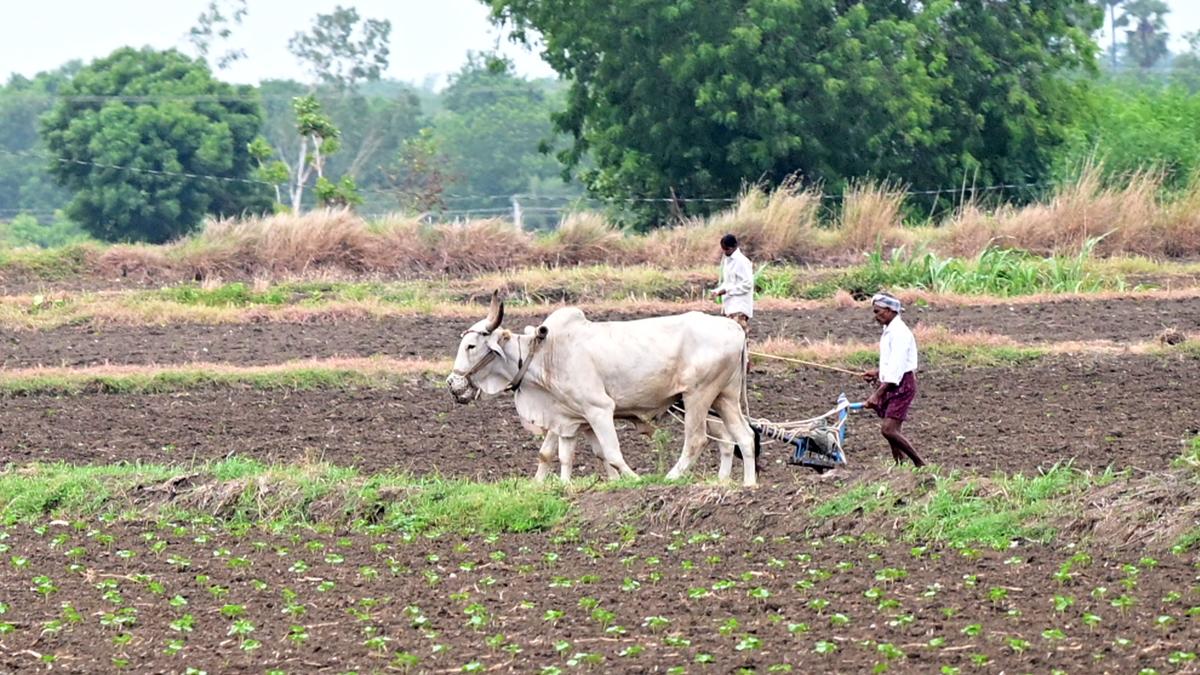
Opposition parties warned that recurring delays could erode confidence in government schemes and exacerbate agrarian distress. They highlighted that poor farmers, particularly small and marginal cultivators, bear the brunt of natural calamities and are disproportionately affected by administrative inefficiencies. Several councillors demanded a review of the current protocols and the establishment of a permanent mechanism for rapid response during rain-induced emergencies. They emphasised that the government must prioritise farmers’ welfare over bureaucratic formalities.
Officials defending the administration reiterated that all relief measures are being processed as quickly as possible. They outlined steps already taken to accelerate verification, including deployment of additional teams, digitisation of records, and closer coordination between departments. The government assured that pending claims would be addressed in phases, prioritising the most severely affected regions. Representatives noted that while challenges exist, the administration remains committed to delivering aid efficiently and equitably, maintaining a balance between speed and accountability.
The session concluded with a call for continued vigilance, better preparedness, and policy enhancements to ensure that rain-hit farmers receive timely support in the future. Lawmakers agreed that while immediate relief is critical, structural reforms to streamline processes, improve transparency, and strengthen coordination will have lasting benefits. The Council pledged to monitor implementation closely and demanded periodic updates from the administration until all pending claims are settled. The debate underscored the need for a farmer-centric approach, where policy, administration, and technology converge to mitigate the adverse effects of natural disasters.
Follow: Karnataka Government
Also read: Home | Channel 6 Network – Latest News, Breaking Updates: Politics, Business, Tech & More
