
Police action to arrest several leaders associated with a planned protest by job aspirants has sparked widespread condemnation from political parties, rights groups, and civil society representatives across Karnataka. The arrests, carried out hours before the demonstration was scheduled to begin, were intended to prevent what authorities described as a potentially disruptive public gathering. However, critics argue that the move reflects an unnecessary and excessive display of force designed to silence legitimate dissent. The controversy has intensified debates over democratic freedoms, policing practices, and the rights of unemployed youth struggling for government job opportunities.
The planned protest had been announced weeks earlier by groups representing job aspirants preparing for various state recruitment examinations. They intended to demand clarity on delayed notifications, pending examination results, and alleged irregularities in recruitment processes. Many young people had travelled from rural districts to participate, hoping to draw attention to what they describe as chronic administrative indifference. Their frustration stems from cancelled exams, stalled recruitment cycles, and shifting eligibility rules that prolong already difficult job searches in an increasingly competitive environment.
Police justified the preventive arrests on the grounds that the gathering lacked mandatory permissions and could disrupt traffic and public order in key urban stretches. Senior officers stated that intelligence inputs indicated the possibility of the protest attracting a much larger crowd than anticipated, potentially overwhelming security arrangements. They also noted concerns about political groups attempting to use the protest to escalate tensions. However, aspirants and their supporters argue that the authorities could have provided designated spaces for peaceful assembly instead of resorting to forceful measures that criminalise protest.
The arrests were conducted in several batches throughout the early morning, with police visiting the homes and temporary lodgings of organisers. Videos circulating on social platforms show aspirants expressing shock and anger as leaders were taken into custody without prior notice. Many described the action as deeply demoralising, especially since they had hoped to express concerns that directly affect their livelihoods and long-term prospects. The sudden clampdown left hundreds of participants dispersed, confused, and anxious about potential repercussions for joining future demonstrations.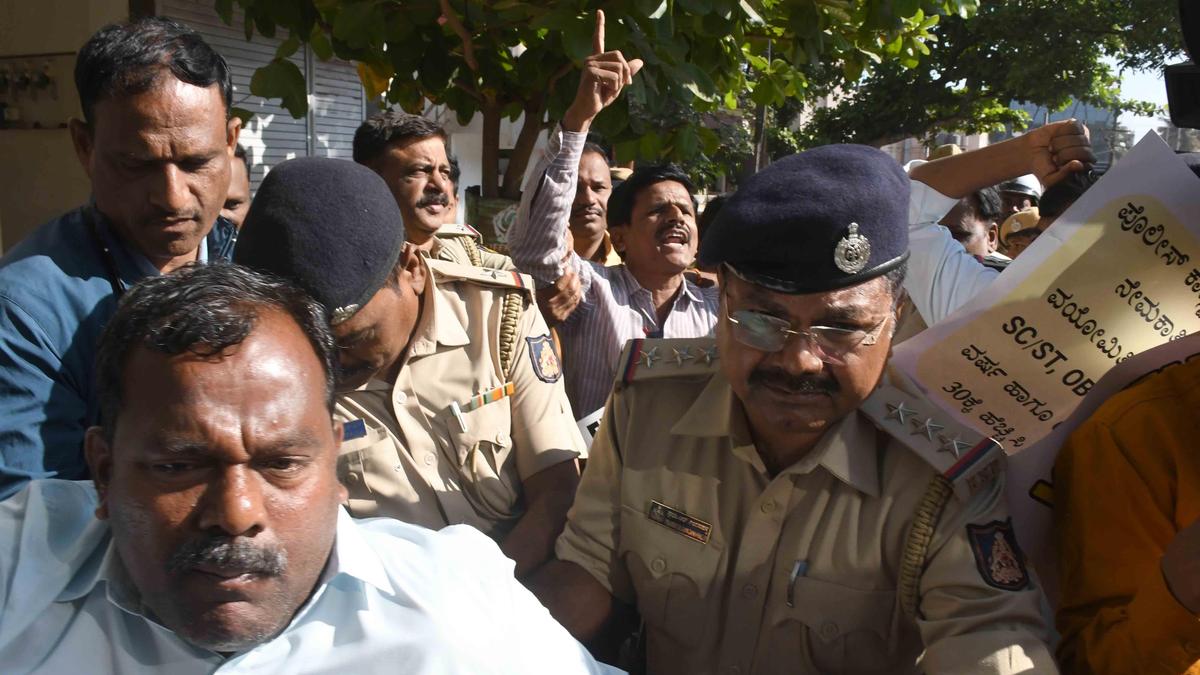
Escalating Backlash and Accusations of Democratic Suppression
The crackdown drew immediate reactions from opposition leaders, who condemned the arrests as an attempt to suppress youth voices at a time when unemployment concerns are sharply rising. Several leaders accused the government of failing to create adequate job opportunities and then silencing those who raise questions about delays in recruitment. They demanded the immediate release of detained organisers and insisted that peaceful protests are a fundamental democratic right that cannot be curtailed on the basis of administrative inconvenience. Their statements resonated strongly among aspirants who feel neglected by the state’s employment machinery.
Civil society organisations also criticised the police action, calling it disproportionate and reflective of a troubling trend of restricting public assembly. Human rights groups pointed out that preventive arrests should be used sparingly and only under genuinely compelling circumstances. They argue that in this case, the state’s response was driven more by fear of criticism than by any credible threat to public safety. Several activists emphasised that job aspirants are among the least disruptive groups, noting that their past protests have largely been disciplined and peaceful, focused on systemic reforms rather than political confrontation.
Legal experts have raised questions about whether the police complied with established procedures for preventive detention. They note that arrests made without written orders, clear grounds, or timely communication to families may violate legal safeguards. Some lawyers argue that the authorities should disclose the specific sections invoked and justify why less intrusive measures, such as regulating the protest route or negotiating with organisers, were not pursued. These concerns have fuelled demands for transparency, with many calling for an internal review to assess whether the action was legally and morally justified.
Families of detained leaders have spoken out, expressing fear and confusion over the sudden police intervention. Some parents say they learned of the arrests only after neighbours alerted them or after seeing social media posts. They worry that their children’s future career prospects could be affected by involvement in police cases, even if charges are minor or eventually dropped. These anxieties reflect a larger sentiment among aspirants: that the system, instead of supporting unemployed youth, is increasingly treating them as troublemakers when they seek accountability from the government.
Underlying Issues: Job Delays, Youth Frustration, and Administrative Gaps
The episode has drawn renewed focus to the root cause of the unrest—ongoing delays and inconsistencies in government recruitment. Thousands of aspirants across Karnataka have been preparing for jobs in education, police services, revenue departments, transport agencies, and other sectors. Many have taken loans to fund coaching or moved to cities solely to prepare for exams that are repeatedly postponed. The emotional and financial pressures are immense, and the prolonged silence from authorities has deepened a sense of despair. The protest, they say, was an attempt to seek answers, not to create conflict.
Employment analysts note that recruitment delays have a cascading impact. When one year’s notifications get stalled, they push the next cycle further back, shrinking opportunities for younger batches. Age limits also create additional pressure, with some aspirants at risk of crossing eligibility thresholds because of repeated postponements. These conditions have created a volatile environment where even small administrative missteps can provoke frustration. Experts argue that transparent timelines, regular updates, and grievance mechanisms could significantly reduce tension between aspirants and the state.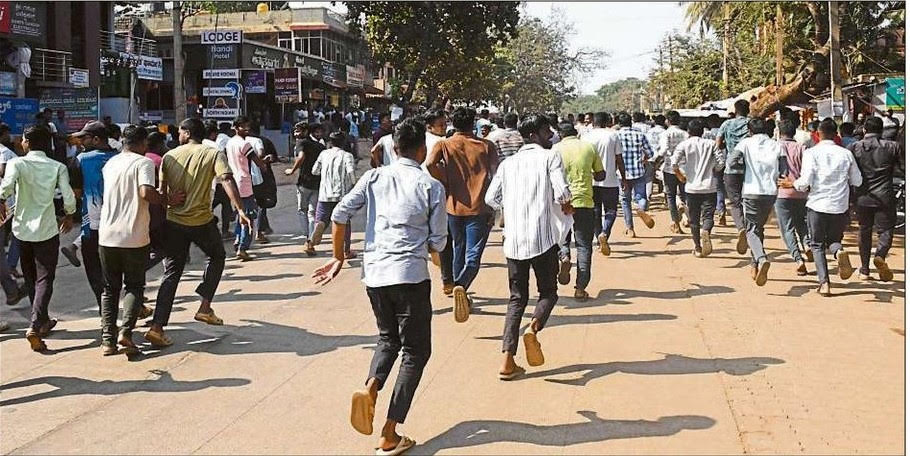
Government officials maintain that recruitment processes are underway but acknowledge that certain departments have faced procedural bottlenecks. They attribute delays to legal disputes, verification challenges, and the need to implement new reservation policies, which require careful recalibration. Some departments have promised fresh notifications soon, but aspirants say these assurances have been made before without substantial follow-through. The lack of a unified communication strategy across departments has also contributed to confusion and misinformation among candidates.
The current backlash has prompted policymakers to consider reviewing recruitment frameworks to reduce ambiguity. Some officials are discussing the possibility of centralised updates, quarterly status reports on recruitment progress, and faster disposal of pending legal cases. Others suggest that departments adopt stricter internal timelines for conducting exams, evaluating results, and issuing appointment orders. These reforms, they argue, could prevent the kind of large-scale frustration that led to the recent attempt to mobilise job aspirants in the first place.
Despite official assurances, aspirants insist that actions speak louder than words. They argue that unless notifications are released and results finalised, verbal commitments will not restore trust in the system. Many express anger that instead of addressing their concerns, authorities chose to clamp down on peaceful mobilisation. The arrests, they say, reflect misplaced priorities that treat unemployment as a law-and-order issue rather than a socio-economic crisis demanding immediate attention from policymakers.
Teachers, activists, and youth groups have also voiced solidarity with the detained leaders, insisting that job aspirants deserve empathy rather than surveillance. They point out that many aspirants come from small towns and economically marginalised families, making government employment one of the few secure options available. For them, preparing for competitive exams is not merely an ambition but a lifeline for upward mobility. Denying them the right to protest, they argue, amounts to denying them a voice in shaping their futures. Their statements have added moral weight to the growing public criticism of the police action.
Some political observers argue that the arrests could have a lasting impact on Karnataka’s youth politics. Historically, youth-led movements in the state have focused on education, employment, and governance reforms. The current episode may provoke stronger political mobilisation, with aspirants forming more organised groups to articulate their demands. Analysts caution that unless the government responds with openness and dialogue, growing resentment among unemployed youth could influence electoral dynamics, especially in urban constituencies where job shortages are acutely felt.
Meanwhile, discussions on social platforms show a groundswell of support for the aspirants, with many questioning why the state did not attempt negotiation before resorting to arrests. Commentators highlight that public trust in institutions hinges on transparency and fair treatment. They warn that perceived injustices can escalate tensions, potentially turning peaceful grievances into larger confrontations. Users also shared personal stories of delays in job cycles, portraying a broader crisis that extends far beyond the detained leaders.
Grassroots organisations working with unemployed youth say the arrests have had a chilling effect. Some aspirants are now hesitant to participate in future protests, fearing that their involvement may lead to criminal records or jeopardise government job eligibility. These concerns reveal deep vulnerabilities among young people who are desperately trying to navigate limited opportunities in a stagnant job market. Organisations warn that suppressing peaceful dissent may erode democratic engagement and increase alienation among youth.
The political fallout continues to widen, with lawmakers demanding explanations from the Home Department on why preventive arrests were deemed necessary. They ask whether the authorities assessed alternatives, such as deploying additional personnel, offering a designated protest site, or issuing conditional permissions. Some MLAs argue that heavy-handed policing reflects institutional impatience rather than a genuine threat to public order. They also question whether the government is trying to control the narrative around unemployment by curbing visible expressions of frustration.
As the controversy unfolds, government representatives insist that the arrests were precautionary and temporary. They claim that the intention was not to suppress dissent but to prevent a situation that could spiral beyond control. They highlight that previous protests had caused traffic disruptions and raised crowd management concerns. However, critics argue that these reasons are insufficient to override constitutional rights. They emphasise that preventive measures should not become a substitute for genuine engagement with citizens’ grievances.
The fallout from the crackdown has intensified calls for reforms in policing practices related to public demonstrations. Several advocates suggest establishing clearer protocols for granting permissions, enabling scheduled protests, and communicating restrictions well in advance. They argue that predictable and transparent processes reduce the possibility of confrontations while preserving citizens’ rights. These proposed reforms aim to create a balance between public order and democratic participation, ensuring that neither is compromised unnecessarily.
In the wider public imagination, the episode symbolises the growing disconnect between unemployed youth and the state. Aspirants expected acknowledgment, timelines, and dialogue; instead, they were met with police vans and detention centres. This symbolic rupture has fuelled widespread disappointment among those who hoped for empathy from policymakers. It also underscores how unemployment, often discussed as an economic challenge, has profound emotional and social dimensions that governments must understand and address.
Ultimately, the arrests have brought the issue of youth unemployment back to the forefront of public discourse in Karnataka. Whether the government addresses these concerns through timely recruitment reforms or continues to rely on restrictive measures will determine how this moment shapes future engagement with young citizens. For now, job aspirants await not just the release of their leaders but also concrete steps that signal the state’s willingness to support their aspirations. The incident stands as a reminder that governance must be responsive to public needs, and that democratic expression remains essential to a healthy society.
Follow: Karnataka Government
Also read: Home | Channel 6 Network – Latest News, Breaking Updates: Politics, Business, Tech & More
