
The planned public hearing on the proposed tree felling for a major road-widening project was cancelled after sustained pressure from environmental groups and active citizen participation. The cancellation marks a significant moment in the ongoing debate over balancing urban development with ecological preservation. Activists, local residents, and biodiversity scholars had raised concerns that the process leading to the hearing lacked transparency and failed to consider the long-term environmental impact. Their persistent petitions, campaigns, and outreach efforts ultimately led authorities to withdraw the scheduled meeting until further examination.
For weeks, environmentalists had been mobilising public support by highlighting the ecological value of the affected stretch, which includes decades-old canopy trees supporting various species of birds, insects, and small urban wildlife. In their view, these trees form one of the last remaining green corridors in the region, acting as natural barriers against pollution and heat. They argued that removing such a large number of trees—even for road expansion—would irreversibly damage local biodiversity. The public response was strong, with many residents joining the campaign and urging planners to explore alternatives.
Authorities initially insisted that the tree felling was part of a broader mobility plan aimed at easing traffic congestion and improving road safety. The project, they stated, would benefit commuters and support future city expansion. But activists noted that road-widening measures often provide temporary relief before traffic returns to previous levels. Environmental groups also argued that development must consider environmental sustainability, suggesting that urban mobility could be improved through public transport enhancements rather than large-scale tree removal. This argument resonated with a significant portion of the public.
Over the past month, citizens used social media platforms, door-to-door awareness drives, and signature campaigns to express their opposition. Many emphasised the emotional connection people share with long-standing trees that define neighbourhood identity. Parents pointed out that these shaded streets provide safe walking routes for schoolchildren, while senior citizens stressed how tree-lined roads reduce heat and create walkable spaces. With rising temperatures affecting city life, residents feared losing yet another natural buffer to urban heat. Their voices contributed significantly to the momentum against the hearing.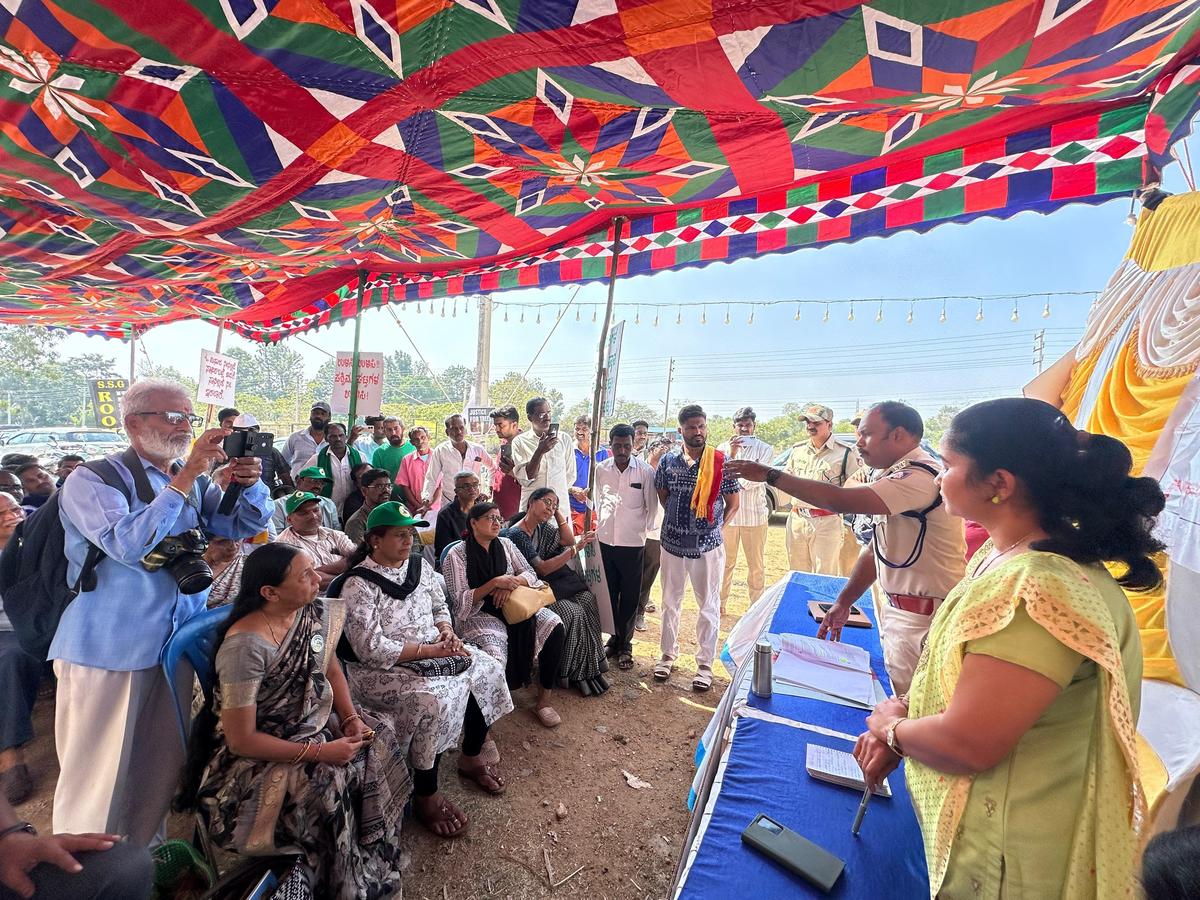
A Turning Point for Civic Engagement and Green Activism
The cancellation of the public hearing is being viewed as a symbolic victory for grassroots activism, demonstrating how collective civic engagement can influence administrative processes. For environmental organisations, the episode shows that public hearings must be meaningful exercises rather than procedural obligations. Many activists argued that the initial proposal lacked adequate environmental impact assessments and questioned whether authorities had considered less destructive alternatives. The cancellation, they believe, is an opportunity for planners to rethink approaches and adopt more sustainable solutions.
Environmentalists have long advocated that city administrations include ecologists and conservation scientists in early planning stages. They contend that environmental considerations often enter discussions too late, after critical design decisions have already been made. The road-widening dispute reflects this gap. In their view, sustainable city planning cannot be limited to traffic predictions and engineering layouts; it must integrate ecological understanding and climate resilience. The public support seen in this case reinforces their demand to prioritise nature in urban policies.
Reconsidering Development Models in a Climate-Challenged City: Tree Felling
The controversy has reopened a wider debate on what development should look like in rapidly growing urban centres. Many residents argue that reducing tree cover contradicts efforts to build climate-resilient, liveable cities. Urban planners have observed rising temperatures, frequent heatwaves, and increasing air pollution—conditions that require more green spaces, not fewer. Critics of the road-widening plan say that expanding vehicle lanes encourages more private transport, undermining attempts to cut emissions and promote sustainable mobility options like buses, cycling, and mass transit.
Scientists who have studied the affected ecosystem point out that mature trees provide environmental services that cannot be quickly replaced. Even if compensatory saplings are planted, they take decades to offer comparable shade, carbon absorption, or habitat space. Scholars emphasise that cities must view trees as essential infrastructure, just as important as drainage, electricity, and mobility networks. Without this shift in thinking, they warn, urban development risks worsening the climate crisis for future generations.
As the debate continues, local authorities have stated that they will review the objections raised by environmental groups and assess any gaps in the current project documentation. Planners may revise the road-widening blueprint or explore alternate alignments where feasible. Some officials have hinted at initiating fresh studies that include traffic modelling, environmental impact projections, and consultations with experts from multiple disciplines. The aim, they say, is to find a balance between development needs and ecological protection.
Many residents hope that the cancellation of the hearing will lead to improvements in public participation processes. Several citizen groups pointed out that the initial notices for the public hearing were issued with limited publicity, making it difficult for people to engage. Activists have long advocated for greater transparency—clearer notices, accessible documents, public-friendly summaries, and adequate time for citizens to respond. The recent developments may prompt authorities to strengthen these mechanisms for future projects.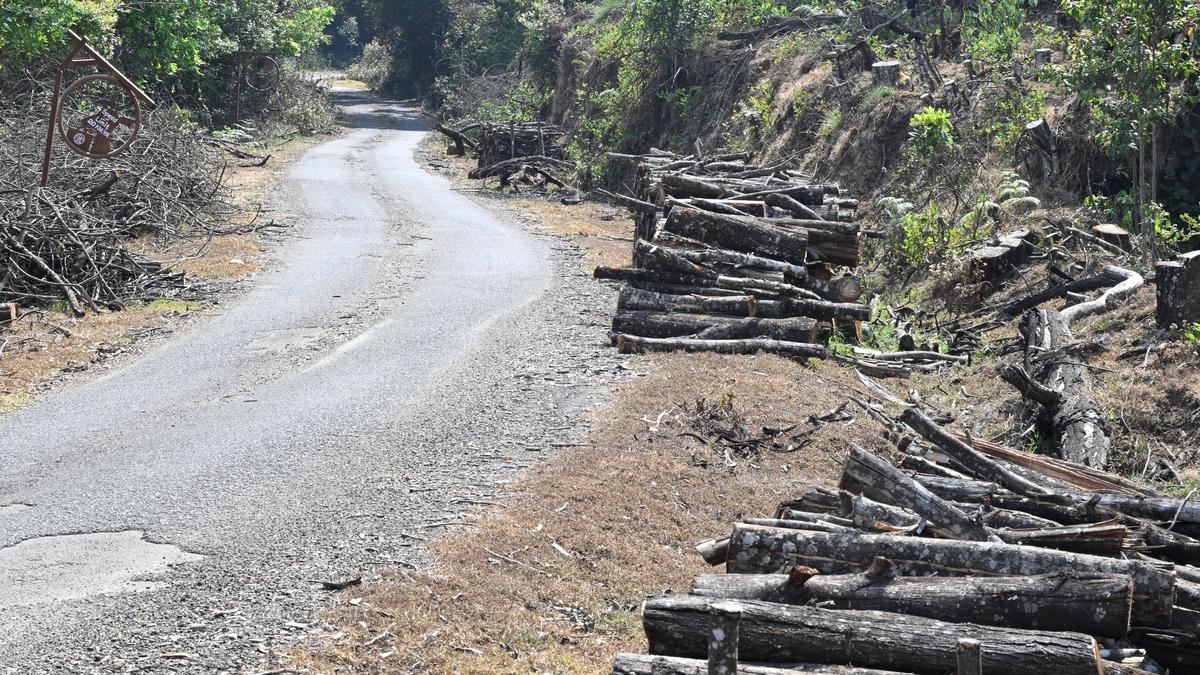
The campaign has also encouraged younger generations to engage with ecological issues. Student groups from nearby colleges organised tree walks, awareness events, and discussions on urban biodiversity, helping to build a sense of shared responsibility. Teachers and parents observed that this movement has sparked interest among students in conservation-related careers. For many young participants, this was the first time they actively interacted with civic procedures and advocacy efforts. The episode, they say, has taught them the power of collective action.
Meanwhile, business owners in the vicinity have expressed mixed reactions. Some support the environmental cause, arguing that green streets improve the commercial atmosphere and attract more footfall. Others believe that widening the road may improve connectivity and benefit businesses in the long run. However, even among those who support the project, several have acknowledged that insufficient consultation created confusion and mistrust. Many believe that a transparent, evidence-backed planning process is essential to ensuring that development benefits both nature and commerce.
Environmental groups are now preparing to submit detailed alternative proposals that showcase ways to improve traffic flow without extensive tree cutting. These may include redesigned intersections, better lane markings, pedestrian-focused infrastructure, and enhanced public transport routes. Activists say that such options are often overlooked because they require behavioural shifts rather than large construction projects. Their aim is to prove that cities can solve mobility challenges while preserving natural assets.
The cancellation of the hearing has not ended the conflict; rather, it has set the stage for a deeper dialogue. Activists are calling for a comprehensive urban green policy that protects existing tree canopies and restricts large-scale felling except in unavoidable circumstances. They want clear guidelines to ensure that decision-making is science-based and includes environmental economists, ecologists, and community representatives. Policymakers agree that such a framework could reduce conflict and create more predictable development pathways.
In recent years, several Indian cities have faced similar controversies over tree felling for infrastructure projects. In many of those cases, public opposition led to redesigning projects or reducing the number of trees removed. Mysuru’s experience adds to a growing national conversation about the need for urban planning models that prioritise ecological resilience. Cities, activists argue, can no longer afford to treat green spaces as expendable; they must be integrated into development frameworks with the same seriousness applied to roads and utilities.
As discussions move forward, residents emphasise the importance of preserving not just individual trees but the green corridors that connect neighbourhoods. These linear clusters of vegetation support wildlife movement, reduce dust, and create microclimates that buffer communities from extreme weather. Cutting a long row of mature trees can break these corridors and create ecological fragmentation. Environmentalists hope that planners will now consider the bigger ecological picture before making decisions.
Officials have acknowledged the public’s concerns and clarified that future steps will be taken only after thorough examination. They maintain that infrastructure development remains a priority, but commit that environmental sustainability will play a stronger role in shaping project decisions. The cancellation of the hearing, they say, is not a setback but a pause to ensure responsible governance. They also assure citizens that any revised plan will undergo appropriate consultation processes.
The situation has also revived demands for an updated city biodiversity inventory. Environmentalists argue that planning decisions must be based on accurate data about existing ecosystems. Without detailed mapping of species presence, soil health, and green cover distribution, authorities may underestimate the ecological value of certain areas. A biodiversity inventory, they say, would allow planners to identify high-priority conservation zones and make informed trade-offs during development projects.
As the city reflects on the recent events, many residents believe that this moment represents a broader shift in public consciousness. Increasingly, citizens want developments that align with long-term environmental well-being. They expect governments to act with transparency, incorporate scientific evidence, and maintain accountability. The cancellation of the public hearing is therefore seen not just as a victory for environmentalism, but as a call for more thoughtful governance.
Ultimately, the public hearing’s cancellation underscores the power of collective advocacy in shaping the city’s future. It signals that urban development must not come at the cost of ecological stability. For now, environmentalists and residents remain cautiously optimistic, hoping that authorities will use this moment to design a more sustainable, participatory approach to infrastructure planning. As the city prepares for next steps, the movement has already established one truth—protecting trees is not just environmental activism, but an emotional, civic, and generational commitment to preserving the soul of the city.
Follow: Karnataka Government
Also read: Home | Channel 6 Network – Latest News, Breaking Updates: Politics, Business, Tech & More
