
Goa nightclub fire case moves forward after bail denial
Goa nightclub tragedy has taken a serious legal turn after a Delhi court refused to grant transit anticipatory bail to the owners accused in the deadly fire incident. The case relates to a nightclub fire in Goa that claimed the lives of 25 people, leaving families shattered and raising serious questions about safety standards and responsibility.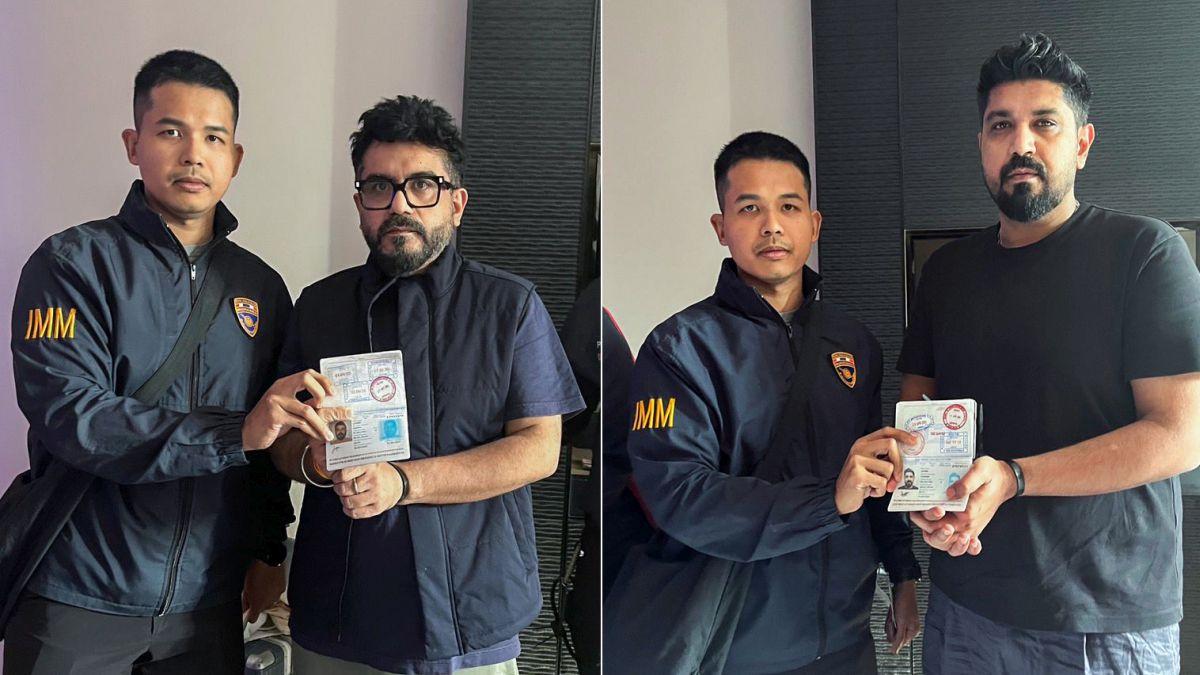
Goa nightclub fire incident shocked the country when news broke that dozens of people were trapped inside a crowded venue as flames spread rapidly. According to investigators, the fire broke out during operating hours when the club was filled beyond safe capacity. Poor safety arrangements and lack of emergency exits are now central points in the investigation.
The accused owners, Gaurav Luthra and Saurabh Luthra, had approached a Delhi court seeking transit anticipatory bail. This type of bail is usually requested when accused persons fear arrest while traveling between states. However, the court rejected their request, stating that the seriousness of the charges and conduct of the accused did not justify such relief.
Goa nightclub investigation focuses on accountability and safety lapses
Goa nightclub fire investigation has revealed several disturbing details. Police allege that the nightclub did not follow basic fire safety rules. Emergency exits were reportedly blocked or poorly marked, and fire extinguishers were either missing or not working. These failures allegedly played a major role in increasing the death toll.
Authorities also claimed that the owners left the country soon after learning about the deaths caused by the fire. This allegation weighed heavily during the court hearing. The prosecution argued that fleeing the country showed an intention to avoid legal responsibility, making anticipatory bail inappropriate.
The Delhi court agreed with the prosecution’s argument. It observed that granting protection at this stage could weaken the investigation and send the wrong message in a case involving loss of many lives. The court also noted that such incidents require strict handling to ensure accountability.
Goa Police have registered multiple charges against the nightclub owners, including culpable homicide not amounting to murder and violations of safety laws. Officials stated that the investigation is still ongoing and more arrests may follow if further negligence is discovered.
The Goa nightclub fire has also put local authorities under scrutiny. Questions are being raised about how the club was allowed to operate despite alleged safety violations. Licensing processes, inspections, and enforcement mechanisms are now being examined to find out whether officials failed to act in time.
Families of the victims have welcomed the court’s decision. Many have demanded strict punishment for those responsible and stronger safety laws to prevent such tragedies in the future. They believe the denial of bail is a step toward justice, though it cannot undo their loss.
Public reaction across Goa has been intense. Protests and candlelight marches have been held to honor the victims and demand reforms. Civil society groups are calling for regular safety audits of entertainment venues and strict action against violations.
Goa nightclub case highlights urgent need for safety enforcement
The Goa nightclub fire case serves as a grim reminder of what happens when safety rules are ignored. Nightclubs and similar venues attract large crowds, and even small lapses can turn deadly. Experts say that enforcement must be strict, not only after tragedies but before they occur.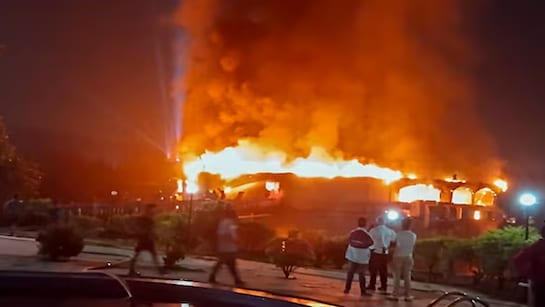
As the legal process continues, authorities are expected to push for extradition if the accused remain outside India. The case is likely to set an important example for how such incidents are handled in the future. Also Read: Modi Netanyahu Call: Critical Discussion on Gaza Peace Plan and Strategic Partnership
Conclusion
The Goa nightclub fire case has entered a critical phase with the court refusing bail to the accused owners. The decision reflects the seriousness of the tragedy and reinforces the need for accountability, justice, and stronger safety enforcement to prevent such loss of life again.
