
A recent study has revealed that students from Karnataka and Tamil Nadu demonstrate significantly higher levels of empathy and pro-wildlife attitudes compared to their peers in several other regions. The findings have drawn attention to the role of education, cultural context, and early exposure to nature in shaping young minds toward conservation-oriented values. Researchers involved in the study say the results are encouraging at a time when environmental degradation and human–wildlife conflict continue to pose serious challenges across the country.
The study examined attitudes, perceptions, and emotional responses of students across different age groups, focusing on how young people relate to wildlife and conservation issues. By analysing responses to carefully designed questionnaires and situational scenarios, the researchers assessed empathy levels, willingness to protect animals, and understanding of ecological balance. Students from Karnataka and Tamil Nadu consistently scored higher on parameters linked to compassion for animals and support for conservation efforts.
According to the researchers, empathy toward wildlife is not merely an emotional trait but a crucial foundation for long-term conservation success. Individuals who develop respect and concern for animals at a young age are more likely to support sustainable practices, comply with conservation laws, and participate in environmental protection initiatives later in life. The study suggests that fostering such attitudes during school years can have lasting societal benefits.
One of the striking aspects of the findings is the consistency across urban and semi-urban students in the two States. While exposure to forests and wildlife is often assumed to be higher in rural settings, the study found that even students in cities such as Bengaluru and Chennai displayed strong pro-wildlife sentiments. This challenges the notion that physical proximity to wildlife alone determines empathy, pointing instead to the influence of education systems and cultural narratives.
Researchers attribute part of this trend to the presence of environmental education in school curricula and extracurricular activities. Both Karnataka and Tamil Nadu have a long tradition of integrating nature studies, eco-clubs, and field visits into school programmes. These initiatives, the study notes, help students move beyond textbook knowledge and develop emotional connections with the natural world.
The role of teachers and institutions also emerged as a significant factor. Schools that actively encouraged discussions on biodiversity, climate change, and ethical treatment of animals reported higher empathy scores among students. Educators who framed conservation as a shared responsibility rather than an abstract concept were found to have a particularly strong impact on student attitudes.
Cultural Context, Education, and Exposure to Nature
The cultural landscape of Karnataka and Tamil Nadu appears to play an important role in shaping pro-wildlife attitudes. Both States have rich traditions that emphasise coexistence with nature, reflected in folklore, religious practices, and community rituals. Animals often feature as symbols of protection, strength, and harmony, reinforcing respect for wildlife from an early age. Researchers believe such cultural reinforcement complements formal education in nurturing empathy.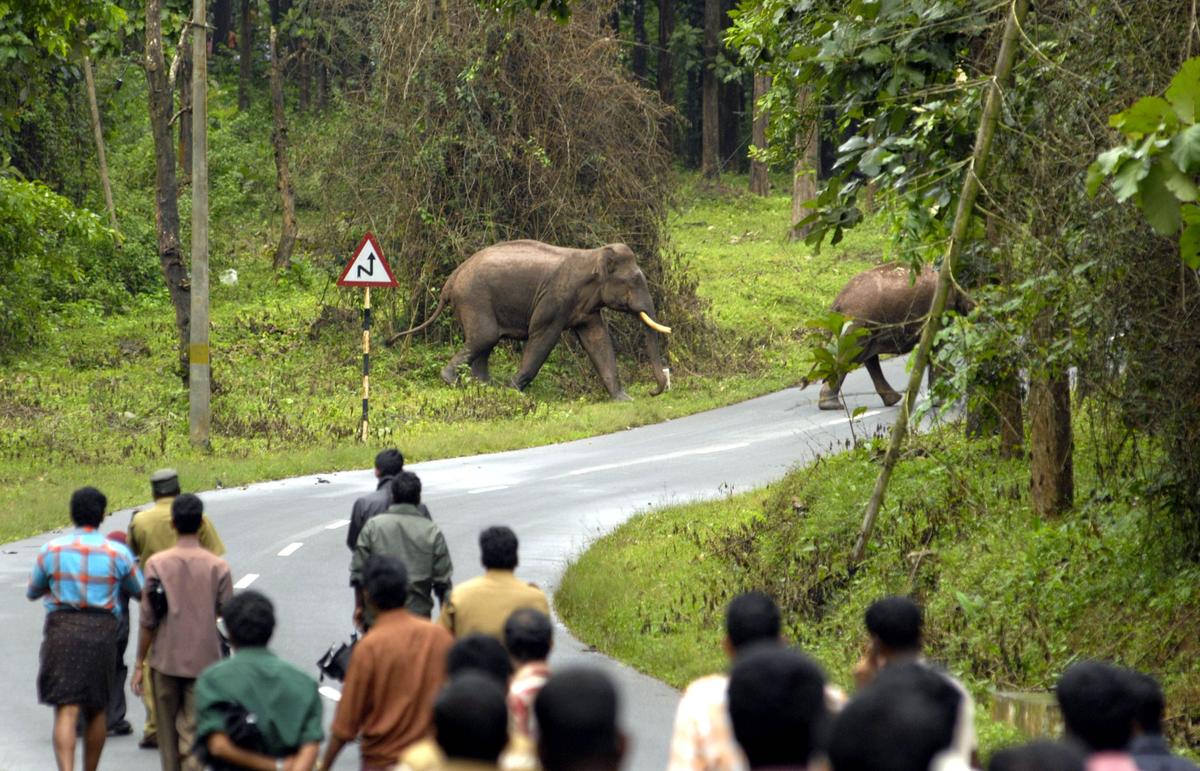
The study also highlights the influence of public discourse and media. Frequent coverage of wildlife conservation, forest protection, and environmental challenges in regional media has increased awareness among young audiences. Students exposed to documentaries, news reports, and campaigns about endangered species were more likely to express concern for animal welfare and habitat preservation.
Field-based learning emerged as a particularly powerful tool. Students who had participated in nature camps, wildlife sanctuaries visits, or biodiversity surveys showed deeper understanding and emotional engagement. Direct experiences with nature, the researchers argue, allow students to appreciate the complexity of ecosystems and the consequences of human actions. This experiential learning helps transform abstract ideas into personal values.
Interestingly, the study found that fear of wildlife did not necessarily reduce empathy. While some students expressed apprehension about animals such as elephants or snakes, this did not translate into negative attitudes. Instead, many acknowledged the importance of protecting such species despite potential risks. This nuanced understanding suggests that education can help balance safety concerns with conservation ethics.
Parental attitudes were another influential factor. Students from families that discussed environmental issues or practised sustainable habits at home were more likely to exhibit pro-wildlife views. Simple actions such as avoiding harm to animals, conserving water, or participating in community clean-ups reinforced values learned at school. The study emphasises that conservation education is most effective when supported by家庭 environments that model respect for nature.
The findings also shed light on gender differences. While both boys and girls in Karnataka and Tamil Nadu showed high empathy levels, girls tended to score slightly higher on emotional responsiveness toward animals. Researchers caution against overgeneralisation but suggest that socialisation patterns may influence how empathy is expressed. Importantly, the overall trend indicates strong conservation-oriented attitudes across genders.
Implications for Conservation Policy and Future Education
The study’s conclusions carry important implications for policymakers, educators, and conservationists. By demonstrating that empathy and pro-wildlife attitudes can be cultivated through education and cultural engagement, the findings challenge deterministic views that environmental concern is solely shaped by geography or economic factors. Instead, they point to the transformative potential of well-designed educational interventions.
Experts argue that the success seen in Karnataka and Tamil Nadu can serve as a model for other States. Integrating environmental education across subjects, rather than confining it to isolated lessons, could help normalise conservation values. Storytelling, project-based learning, and community involvement are cited as effective strategies for deepening student engagement.
The study also underscores the need to invest in teacher training. Educators play a pivotal role in shaping how students perceive wildlife and environmental issues. Providing teachers with resources, training, and institutional support can amplify the impact of conservation education. When teachers are confident and informed, they are better equipped to inspire empathy and critical thinking among students.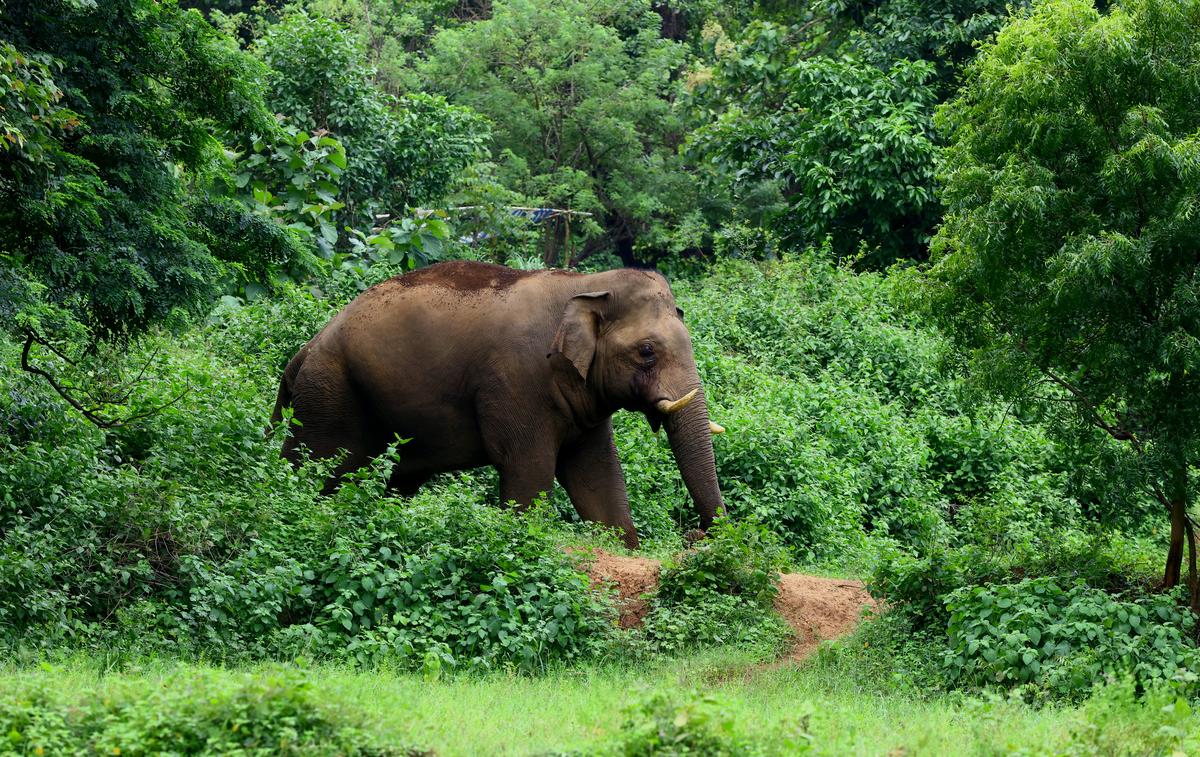
For conservation agencies, the findings suggest that youth engagement should be a central pillar of strategy. Young people with strong pro-wildlife attitudes can become advocates within their families and communities, influencing behaviour beyond school boundaries. Programmes that empower students to participate in conservation projects can harness this potential and create grassroots support for wildlife protection.
The research also has relevance in the context of increasing human–wildlife conflict. Empathy-driven education can help foster tolerance and understanding, reducing antagonism toward animals that share human landscapes. By teaching students about ecological roles and coexistence strategies, schools can contribute to more informed and compassionate responses to conflict situations.
However, researchers caution that positive attitudes alone are not sufficient. Structural challenges such as habitat loss, climate change, and policy gaps require systemic solutions. Empathy must be coupled with opportunities for action, enabling young people to translate values into practice. This includes platforms for student-led initiatives, citizen science, and community outreach.
As environmental pressures intensify, the study offers a hopeful narrative amid widespread concern. The demonstrated empathy of students in Karnataka and Tamil Nadu suggests that future generations may be better equipped to address conservation challenges. Nurturing this potential will require sustained commitment from educational institutions, families, and governments.
Ultimately, the study reinforces a simple yet powerful idea: attitudes toward wildlife are shaped, not fixed. By investing in education that fosters empathy, respect, and responsibility, society can lay the groundwork for a more harmonious relationship with nature. The experiences of students in Karnataka and Tamil Nadu stand as a testament to what is possible when conservation values are woven into the fabric of learning and culture.
Follow: Karnataka Government
Also read: Home | Channel 6 Network – Latest News, Breaking Updates: Politics, Business, Tech & More
