
In a significant development for Karnataka’s public transport sector, representatives of the Karnataka State Road Transport Corporation (KSRTC) unions met with the Transport Minister to discuss a host of long-pending demands. The meeting, described by participants as constructive and candid, marked a renewed effort to resolve issues that have lingered for years, affecting the welfare of employees and the operational efficiency of the state-run transport corporation. Unions have been advocating for better working conditions, timely payment of dues, and structural reforms aimed at ensuring the sustainability of public transport services.
KSRTC, which operates hundreds of routes across urban and rural Karnataka, has faced challenges in recent years, including financial deficits, rising fuel costs, and increasing competition from private operators. Employees argue that these systemic pressures have translated into delayed salary payments, irregular allowances, and uncertainty over promotions and benefits. The meeting with the Transport Minister was seen as an opportunity to address these grievances in a formal and structured manner.
Union leaders highlighted key demands, including timely release of salaries and pension contributions, implementation of long-standing service rules, resolution of transfer and posting issues, and increased safety measures for drivers and conductors. Many employees have also called for modernisation of fleets and better maintenance facilities to ensure that public transport remains reliable and safe for commuters. The Transport Minister acknowledged the urgency of the issues while emphasising the need for balanced solutions that consider financial sustainability alongside employee welfare.
During the meeting, the unions stressed the importance of restoring employee morale, which they argue has been adversely affected by repeated delays in addressing grievances. Union representatives also presented data highlighting the role of KSRTC in providing affordable transport, particularly in remote regions, arguing that employee satisfaction directly impacts service quality and public perception. Officials assured that proposals would be reviewed in coordination with the Finance and Personnel departments to expedite decision-making.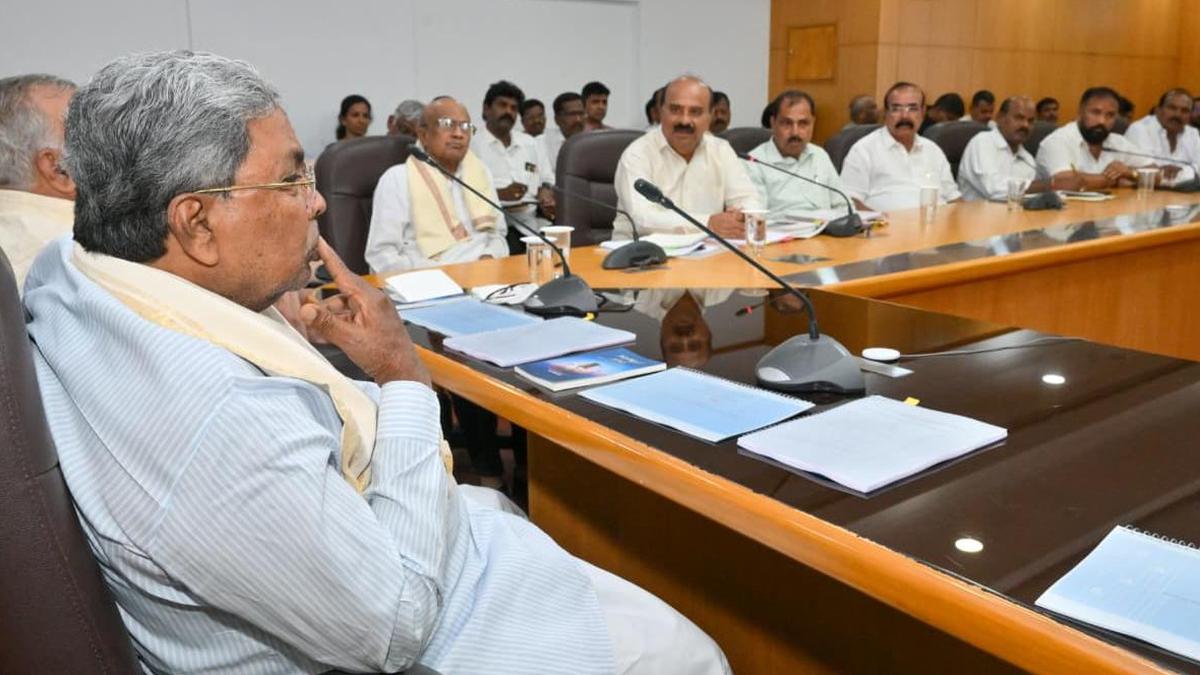
Key Demands and Government Response
One of the primary concerns raised by the unions was the timely settlement of long-pending arrears and allowances. Many employees reported that certain dues, dating back several years, have not been disbursed, affecting financial stability and family welfare. The Transport Minister acknowledged these concerns and assured that a task force would be set up to audit pending claims and expedite payments. This announcement was welcomed by union representatives as a positive step toward resolving longstanding grievances.
The issue of promotions and career progression also dominated discussions. KSRTC employees have repeatedly voiced frustration over delays in seniority-based promotions, with some claiming that procedural bottlenecks have stalled professional growth. The Minister indicated that a comprehensive review of service rules is underway, aimed at simplifying the promotion process while ensuring compliance with government regulations. Such reforms are expected to enhance transparency and boost employee morale.
Safety measures for operational staff were another critical topic. Drivers, conductors, and maintenance personnel face daily challenges, including long hours, hazardous road conditions, and the risk of accidents. The unions proposed enhanced training programs, installation of GPS tracking in buses, and stricter adherence to safety protocols. The Minister acknowledged the importance of these measures, noting that employee safety is integral to maintaining service reliability and protecting public trust.
Financial sustainability of KSRTC was also addressed. Officials pointed out that while employee welfare is a priority, measures need to be balanced against revenue streams and operating costs. Discussions included strategies to optimise fuel consumption, improve route efficiency, and explore additional funding sources. Union leaders emphasised that sustainable operations and employee welfare are not mutually exclusive, advocating for integrated planning that addresses both priorities.
Union representatives welcomed the Minister’s assurance that their demands would be considered seriously and promised follow-up meetings to monitor progress. Employees expressed cautious optimism, noting that constructive dialogue is an essential first step toward addressing decades-old issues that have affected morale and operational efficiency.
The outcomes of these discussions have direct implications for commuters across Karnataka. KSRTC plays a vital role in connecting urban centres with rural hinterlands, offering affordable transport to students, workers, and senior citizens. Employee dissatisfaction and operational disruptions can result in service delays, reduced frequency, and deteriorating vehicle maintenance, impacting thousands of daily passengers. By addressing union demands, the government aims to ensure uninterrupted and high-quality transport services.
Urban transport experts note that employee engagement is crucial for public sector efficiency. Happy and motivated employees are more likely to maintain punctuality, provide courteous service, and proactively manage operational challenges. Conversely, unresolved grievances often lead to strikes, absenteeism, and service disruptions, creating a ripple effect across commuting patterns and economic activity. In this context, the meeting with the Transport Minister is viewed as a strategic intervention to stabilise both workforce morale and public transport reliability.
The discussions also highlighted the importance of modernising KSRTC operations. Digitisation of ticketing, automated fare collection, GPS-based tracking, and real-time route monitoring were suggested as measures to improve efficiency and reduce strain on employees. Union leaders expressed willingness to collaborate on implementing such initiatives, provided adequate training and infrastructure support are provided.
Financial analysts emphasised that KSRTC’s challenges are symptomatic of broader structural issues in public sector transport. Rising fuel prices, competition from private operators, and urban traffic congestion have strained revenues. Addressing employee grievances while simultaneously introducing cost-effective operational reforms is essential for sustaining the corporation over the long term.
Community leaders and daily commuters have expressed hope that the dialogue will translate into tangible outcomes. Many passengers have reported disruptions in services due to strikes or delayed bus schedules, underscoring the importance of resolving labour issues. Enhanced employee welfare is expected to lead to more reliable services, benefiting both urban and rural populations.
Looking Ahead: Steps Toward Resolution
Officials indicated that a detailed action plan will be prepared in consultation with union representatives. This plan is expected to prioritise urgent issues such as pending salaries, allowances, and safety measures, followed by long-term reforms related to promotions, operational efficiency, and digitalisation. Follow-up meetings are scheduled to ensure accountability and track progress.
The Transport Minister emphasised that government intervention is aimed at building a collaborative framework rather than imposing top-down solutions. By engaging unions in decision-making and considering their inputs, authorities hope to foster a sense of shared responsibility and reduce the likelihood of industrial unrest. Union leaders, while cautious, appreciated the approach, noting that participatory problem-solving is more effective than adversarial negotiations.
Employees have welcomed the commitment to improve grievance redressal mechanisms. Suggestions included establishing dedicated helplines, faster processing of claims, and regular review of employee welfare programs. These measures are expected to address long-standing frustrations and improve overall workforce satisfaction.
The meeting has also opened dialogue on strategic reforms for KSRTC’s long-term sustainability. Discussions included fleet modernisation, route optimisation, and enhancing revenue through ancillary services such as bus advertising and cargo transport. The Minister expressed willingness to explore innovative solutions in partnership with unions to ensure the corporation remains financially viable while protecting employees’ rights.
Social observers and transport analysts view the meeting as a pivotal moment in Karnataka’s public transport narrative. By engaging directly with unions, the government demonstrates recognition of employees’ critical role in sustaining a public service that benefits millions. Successful resolution of the demands could set a precedent for cooperative engagement between authorities and public sector employees in other domains.
Union leaders have stressed that continued dialogue, transparent timelines, and clear communication will be key to maintaining trust. Employees have pledged to support constructive reforms that improve service delivery, provided their core welfare concerns are addressed. Commuters, meanwhile, are hopeful that these measures will prevent service disruptions and enhance the reliability of public transport.
As Karnataka continues to expand its public transport infrastructure, including metro and bus rapid transit systems, addressing KSRTC employee concerns remains vital. The meeting between the Transport Minister and unions underscores the importance of employee welfare as an integral component of efficient and sustainable public transport. By prioritising both operational reforms and workforce satisfaction, the state aims to ensure that public transport remains a dependable and accessible option for all residents.
The outcomes of these discussions will be closely watched by policymakers, commuters, and civic stakeholders alike. Timely implementation of agreed measures could strengthen KSRTC, enhance employee morale, and improve service quality, ultimately reinforcing the role of public transport as a backbone of Karnataka’s urban and rural mobility.
Follow: Karnataka Government
Also read: Home | Channel 6 Network – Latest News, Breaking Updates: Politics, Business, Tech & More
