
The Karnataka Legislature on Tuesday paid rich tributes to veteran legislator and former Minister Shamanuru Shivashankarappa, remembering him as a towering political figure whose decades-long public life left an indelible mark on the State’s political, social, and administrative landscape. Members cutting across party lines recalled his simplicity, unwavering commitment to public service, and deep connect with the people, describing his passing as a significant loss not only to Karnataka politics but also to democratic traditions rooted in grassroots engagement.
As the House assembled, an atmosphere of solemnity prevailed. Lawmakers observed a minute’s silence in his memory, following which senior leaders spoke at length about Shivashankarappa’s journey from a grassroots worker to one of the most respected political voices in the State. Many legislators noted that his career exemplified consistency, discipline, and an ability to adapt to changing political realities without compromising on core values. The tributes reflected a rare moment of consensus in the House, underscoring the regard he commanded across ideological divides.
Shivashankarappa’s political career spanned several decades, during which he represented his constituency multiple times and served in key ministerial roles. Legislators recalled that he remained rooted in the concerns of ordinary citizens, often prioritising constituency work over political grandstanding. Several members described him as a leader who believed in listening more than speaking, and in solving problems quietly through persistent follow-up rather than public confrontation.
Senior members pointed out that Shivashankarappa belonged to a generation of leaders who built politics on personal relationships and trust. His ability to remember individual grievances, attend social functions without protocol, and remain accessible even at the peak of his career was cited as one of his defining traits. Lawmakers observed that such qualities are increasingly rare in contemporary politics, making his life and work an important reference point for younger representatives.
A Life Rooted in Public Service and Legislative Values
Recalling his tenure as a Minister, several legislators highlighted Shivashankarappa’s administrative acumen and pragmatic approach to governance. He was described as a leader who focused on implementation rather than announcements, ensuring that policies translated into tangible benefits on the ground. Members said he had a deep understanding of rural issues, particularly those related to agriculture, employment, education, and basic infrastructure, which shaped his policy priorities.
Former colleagues spoke about his work ethic, noting that he was often among the first to arrive at the Assembly and one of the last to leave. His preparation for legislative debates, attention to detail, and respect for parliamentary procedures were highlighted as hallmarks of his career. Many members said he believed the Legislature was not merely a forum for political contestation but a space for serious deliberation aimed at improving people’s lives.
The House also recalled his role in mentoring younger legislators. Several members shared personal anecdotes of how Shivashankarappa offered guidance during their early years in politics, advising them on navigating public life with integrity and restraint. His emphasis on patience, humility, and long-term thinking was repeatedly mentioned as lessons that continue to resonate within the political community.
Leaders from the Opposition benches joined those from the ruling side in praising his inclusive political approach. They noted that despite ideological differences, Shivashankarappa maintained cordial relations with leaders across parties, often acting as a bridge during times of political tension. This ability to engage constructively, members said, strengthened democratic functioning and fostered mutual respect within the Legislature.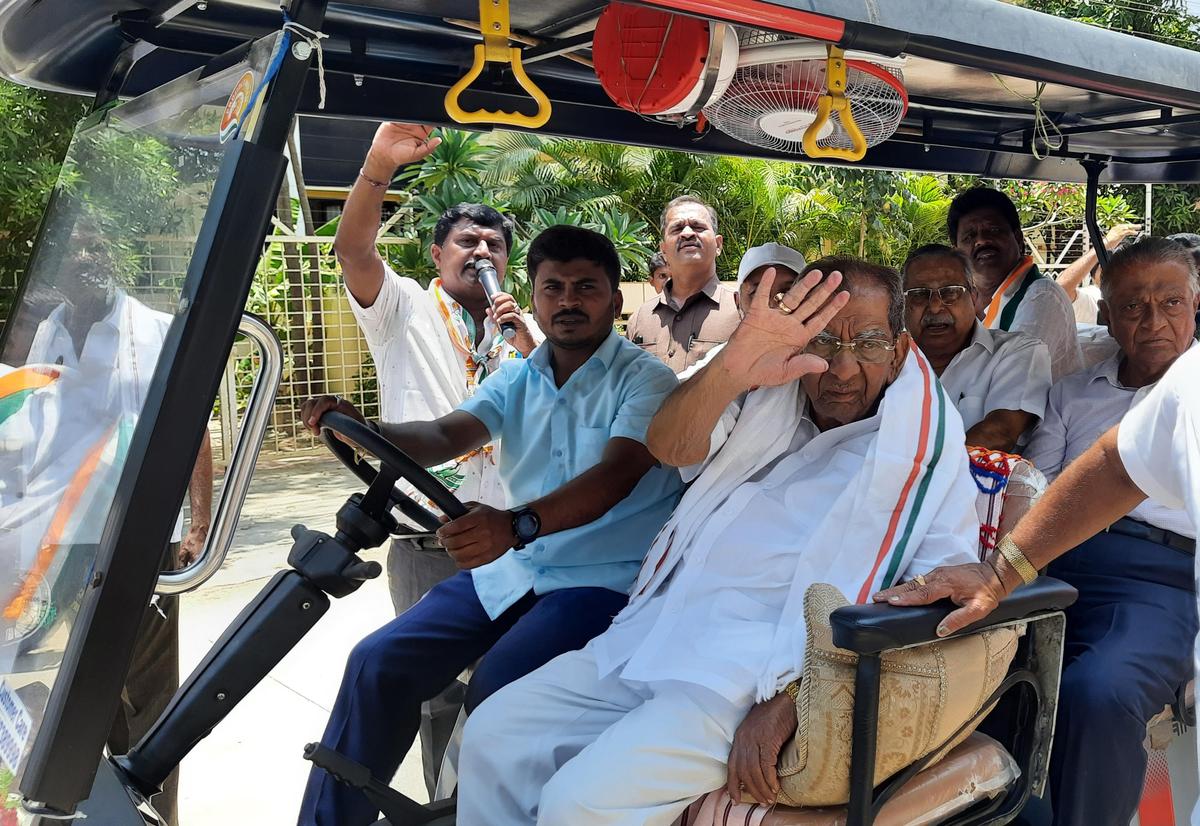
Beyond the Assembly, Shivashankarappa’s contributions to social and community life were also remembered. Legislators noted his involvement in educational institutions, cooperative movements, and local development initiatives, which extended his influence beyond formal politics. His efforts to support education and social welfare in his region were cited as examples of how political leadership can contribute to long-term community empowerment.
Tributes Reflect Bipartisan Respect and Enduring Influence
The tributes also reflected on the changing nature of politics and leadership. Several members used the occasion to express concern that values such as accessibility, patience, and respect for institutions are under strain in an era of constant political churn. Shivashankarappa’s life, they said, offered a reminder that sustained public trust is built through consistency and service rather than short-term popularity.
Senior legislators emphasised that his legacy lay not only in the positions he held but also in the conduct he displayed while holding them. He was remembered as someone who accepted criticism with grace, avoided personal attacks, and remained focused on issues rather than individuals. This approach, members said, contributed to a healthier political culture and set standards for civil discourse.
The Speaker, while offering condolences, noted that Shivashankarappa’s contribution to the Legislature would be remembered as part of its institutional memory. He said the House had lost a member who believed deeply in the sanctity of legislative debate and the responsibility of elected representatives to act as custodians of public interest. The Speaker urged current members to draw inspiration from such examples while discharging their duties.
Several members also spoke about Shivashankarappa’s personal qualities, describing him as soft-spoken, approachable, and grounded despite his long political career. His simplicity in lifestyle and reluctance to seek personal limelight were cited as reflections of his values. Legislators said that these traits helped him maintain credibility and respect among constituents over decades.
The House noted that his passing comes at a time when Karnataka faces complex governance challenges, making the loss of experienced voices particularly felt. Members said that leaders like Shivashankarappa provided stability and perspective, especially during periods of political transition. His absence, they observed, would be felt in both legislative deliberations and informal political counsel.
As the tributes concluded, legislators reiterated their condolences to Shivashankarappa’s family and supporters. Many expressed hope that his commitment to public service and democratic values would continue to inspire future generations of leaders. The proceedings ended with a collective resolve to uphold the principles he stood for, ensuring that his legacy lives on through the work of the Legislature itself.
Members further observed that Shivashankarappa’s long public life demonstrated the importance of patience in politics. Several speakers noted that he was never in a hurry to seek prominence, instead allowing his work to speak for itself over time. This approach, they said, helped him build lasting credibility and trust among both colleagues and constituents.
The Legislature also recalled his strong sense of accountability. Legislators said he never hesitated to take responsibility for administrative shortcomings and believed that transparency was essential to maintaining public confidence. His willingness to engage with criticism constructively was highlighted as a quality that strengthened democratic practice.
Some members reflected on the personal sacrifices that often accompany a life in public service. Shivashankarappa’s ability to balance political responsibilities with humility and restraint was cited as an example of leadership grounded in personal discipline. They noted that such balance is crucial for sustaining a long and respected political career.
Concluding the extended tributes, lawmakers reiterated that Shivashankarappa’s life serves as a reminder that politics, at its best, is a vehicle for service. By remembering his values and conduct, the House affirmed its collective responsibility to uphold the dignity of the Legislature and work in the spirit of commitment and integrity that he embodied.
In paying homage, the House not only remembered an individual leader but also reflected on an era of politics shaped by patience, dialogue, and sustained public engagement. The rich tributes underscored that Shamanuru Shivashankarappa’s contribution to Karnataka’s political life will remain a benchmark for integrity, service, and legislative dignity for years to come.
Several legislators used the occasion to stress the importance of documenting and preserving the contributions of senior leaders like Shivashankarappa for institutional learning. They suggested that the Assembly Secretariat compile detailed records of his speeches, committee work, and policy interventions so that future legislators can study and draw lessons from his approach to governance and public service. Such archival efforts, members said, would strengthen the Legislature’s institutional memory.
Members also reflected on Shivashankarappa’s ability to remain politically relevant across changing eras. Despite shifts in political leadership, electoral dynamics, and public expectations, he retained the trust of his constituents by staying connected to local issues and adapting to new challenges. This adaptability, legislators noted, was rooted in his deep understanding of grassroots realities rather than reliance on political rhetoric.
Several speakers highlighted his calm demeanour during moments of political turbulence. At times when debates grew heated or consensus seemed elusive, Shivashankarappa was often seen advocating moderation and dialogue. His interventions, described as measured and thoughtful, helped de-escalate tensions and refocus discussions on legislative responsibilities and public welfare.
The House also acknowledged his role in strengthening local governance structures. Legislators recalled his consistent advocacy for decentralisation and empowering local bodies, believing that effective administration begins at the grassroots. His support for local institutions, they said, contributed to more responsive governance and greater citizen participation in decision-making.
Younger members of the Legislature expressed regret that they would no longer have the opportunity to interact with Shivashankarappa and benefit from his experience. They noted that informal conversations with senior leaders often provide insights that formal training cannot, and his absence would leave a gap in the mentoring ecosystem within the House.
As proceedings drew to a close, members reiterated that the true tribute to Shivashankarappa would lie in emulating his values in everyday legislative work. By prioritising public interest, respecting democratic institutions, and engaging in constructive debate, legislators said they could ensure that his legacy continues to shape Karnataka’s political culture in a meaningful and lasting manner.
Follow: Karnataka Government
Also read: Home | Channel 6 Network – Latest News, Breaking Updates: Politics, Business, Tech & More
