
Following the breakdown of negotiations with the Karnataka government, RTC unions have announced plans to begin a statewide awareness drive on the possibility of a ‘surprise strike,’ warning that employees may halt services without prior notice if long-standing demands are not addressed. Union leaders stated that repeated meetings with the Transport Ministry failed to yield satisfactory resolutions on pending issues, including pay revisions, working conditions, and allowances. The unions have emphasised that the awareness campaign is intended to inform the public while pressuring authorities to act before service disruptions occur.
Union leaders stressed that the awareness campaign would also serve as a platform to highlight the historical contribution of RTC employees to Karnataka’s transport sector. They pointed out that employees have consistently maintained services despite infrastructural challenges, long working hours, and limited resources. “We keep the State moving, yet our demands for fair treatment are ignored,” one union leader remarked, emphasising the frustration that has accumulated over years of unresolved grievances.
Several depots across the State have been identified as key centers for the awareness drive, where employees will participate in meetings, discussions, and training sessions to understand the procedural aspects of a potential strike. Leaders said that these sessions aim to educate staff on their rights, the legal framework governing industrial action, and the mechanisms available to ensure safety and public accountability during work stoppages.
The unions have also planned an outreach programme targeting commuters, with pamphlets and posters explaining the reasons behind potential strike action. The goal, according to union leaders, is to ensure transparency and garner public understanding rather than provoke confrontation. They stressed that the campaign is intended to inform the public about employee hardships, wage issues, and working conditions that necessitate urgent attention.
Transport Ministry officials acknowledged that public awareness campaigns by unions are a legitimate form of expression but warned that escalation into a full-blown strike could disrupt essential services. They highlighted that urban centers such as Bengaluru, Mysuru, and Hubballi rely heavily on RTC services for daily commuting, and sudden service interruptions could severely impact education, healthcare access, and commercial activities.
The unions cited specific examples of unmet demands, including delays in salary increments, irregular allowance disbursements, and inadequate safety measures for staff. Many employees, particularly those operating buses in rural and difficult terrains, reported working under challenging conditions with minimal medical support and outdated equipment. Union leaders argued that addressing these issues is crucial to maintaining employee morale and ensuring uninterrupted public transport services.
Experts in labour relations warned that prolonged unrest in the transport sector could have broader economic consequences. They pointed out that supply chains, especially for perishable goods, rely heavily on timely RTC transport services. Disruptions could result in cascading effects on markets, trade, and rural economies, underscoring the critical importance of resolving the deadlock before it escalates into a surprise strike.
Political observers noted that the unions’ move may also carry electoral significance, as the transport sector forms a vital part of the workforce demographic. Several parties, they suggested, could leverage the issue to gain support among employees and commuters. Legislators, meanwhile, have urged the government to engage proactively with unions to prevent industrial unrest and protect the interests of citizens who depend on daily public transportation.
The Transport Minister confirmed that the government is open to resuming talks and has proposed setting up a joint committee to review employee demands comprehensively. Officials said the committee would examine budgetary feasibility, operational limitations, and policy constraints to identify practical solutions. Union representatives, however, have insisted on a clear timeline for implementation, warning that vague promises will not prevent further mobilization.
Commuters expressed apprehension about potential disruptions, especially in districts where buses are the primary mode of transport. Students, office-goers, and senior citizens voiced concerns that sudden work stoppages could leave them stranded or force them to seek costly alternative transportation. The unions acknowledged these concerns and assured the public that they aim to strike a balance between advocating for employee rights and minimising inconvenience to citizens.
Observers emphasised that the current deadlock highlights the need for structural reforms in the RTC sector. Measures such as digitisation of payroll, improved depot infrastructure, enhanced safety protocols, and clearer channels for grievance redressal could prevent similar conflicts in the future. Both government authorities and unions are now under pressure to find a sustainable solution that addresses employee demands while maintaining uninterrupted public service.
Union representatives accused the government of neglecting long-pending proposals submitted years ago, arguing that transport employees are facing growing financial and operational pressures. They highlighted issues such as irregular salary disbursements, lack of adequate facilities at depots, and delayed promotions, which have created widespread dissatisfaction. According to leaders, the awareness drive will include distribution of pamphlets, digital campaigns, and informal gatherings to educate both employees and the public about the rationale behind potential industrial action.
The Transport Minister expressed concern over the unions’ announcement, urging them to exercise restraint and continue dialogue. Officials said the government remains committed to addressing employee grievances but noted that budgetary constraints and administrative procedures prevent immediate resolution of all demands. The Minister cautioned that any strike action could significantly affect daily commuters and public transportation, particularly in urban and semi-urban areas.
Union Grievances and Government Response
Union leaders reiterated that they had presented a detailed list of demands during previous meetings, including adjustments in allowances, better safety measures, and clear timelines for promotions and transfers. They claimed the government’s responses were vague and lacked concrete commitments, leaving employees frustrated and distrustful. The unions stressed that the awareness drive is necessary to mobilize support and ensure that employees are prepared if negotiations fail completely.
The government, however, argued that it has already taken steps to address certain concerns, citing increases in operational funding, upgrades to depots, and partial implementation of allowances. Officials also emphasised ongoing discussions with union representatives and said that a full settlement requires time to align with fiscal priorities and administrative approvals. Nevertheless, union leaders maintained that these measures fall short of meeting the core issues affecting daily operations and employee welfare.
Transport experts warned that prolonged strikes could have cascading effects on the State’s economy, particularly in sectors dependent on timely logistics and commuter movement. They noted that RTC employees serve millions of passengers daily, and any disruption in services would not only inconvenience the public but could also delay supply chains and essential services in towns and rural areas. Such warnings have been echoed by civic bodies and city administrators, urging both sides to seek an amicable resolution quickly.
Public Concerns and Potential Impact
Commuters expressed mixed reactions to the announcement of the awareness drive. While some sympathised with RTC employees’ grievances, others voiced frustration over potential disruptions in daily travel. Many residents rely heavily on bus services for work, education, and healthcare, making them vulnerable to sudden industrial action. Union leaders, acknowledging public inconvenience, said the awareness drive aims to minimise surprises and ensure that citizens are informed of the reasons behind any possible strikes.
The unions plan to launch the awareness campaign across major depots and routes, engaging employees at various levels to explain the implications of a surprise strike. Leaders emphasised that the drive is not the strike itself but a preparatory step to consolidate employee support and draw attention to unresolved issues. They also hinted at public meetings and interactions with media outlets to communicate their stance effectively.
Political observers noted that the situation reflects a long-standing tension between government authorities and RTC unions. While previous negotiations have occasionally resulted in temporary settlements, systemic issues such as staffing shortages, infrastructure deficits, and wage revisions remain unresolved. Analysts warn that failure to address these concerns could escalate conflicts, leading to repeated disruptions and heightened political scrutiny.
As Karnataka braces for the awareness drive, stakeholders are watching closely to see whether dialogue can prevent escalation. The outcome will have implications for transport operations, employee morale, and public confidence in the RTC system. Both government authorities and union leaders appear aware that swift and meaningful action is essential to avoid a crisis that could disrupt daily life across the State.
Experts in labour relations suggested that proactive dialogue, coupled with phased implementation of pending demands, could prevent industrial unrest. They emphasised the importance of involving independent mediators or labour boards to bridge gaps between union expectations and government capabilities. According to specialists, such steps could not only avert immediate strikes but also build long-term trust between employees and the administration.
The Transport Ministry has indicated readiness to convene another round of talks with union representatives to explore possible compromises. Officials stressed that the government prefers negotiation over confrontation and hopes to address employee grievances in a structured manner. They urged unions to participate constructively, warning that unplanned strike actions could have severe consequences for both commuters and public perception.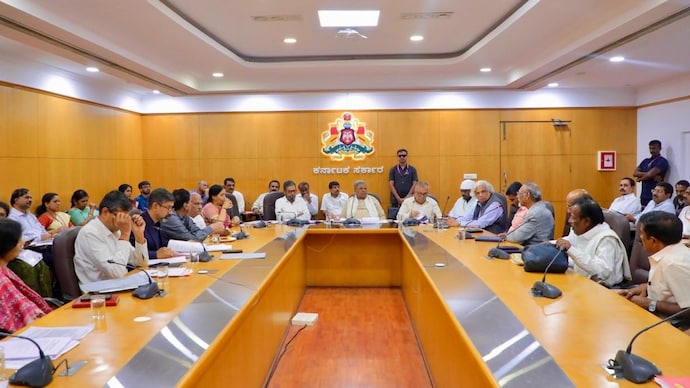
As Karnataka braces for the awareness drive, stakeholders are watching closely to see whether dialogue can prevent escalation. The outcome will have implications for transport operations, employee morale, and public confidence in the RTC system. Both government authorities and union leaders appear aware that swift and meaningful action is essential to avoid a crisis that could disrupt daily life across the State.
Follow: Karnataka Government
Also read: Home | Channel 6 Network – Latest News, Breaking Updates: Politics, Business, Tech & More
