
In a significant ruling with far-reaching implications for public healthcare access, the Karnataka High Court has set aside the State government’s decision to discontinue Jan Aushadhi kendras functioning on the premises of government hospitals. The court held that the move was arbitrary and contrary to the objective of ensuring affordable medicines to the public, especially to economically vulnerable sections who depend heavily on public health institutions for treatment.
The decision brings immediate relief to patients across the State who rely on Jan Aushadhi kendras for low-cost generic medicines. These kendras, established under a national programme to promote access to affordable drugs, have been operating within government hospital campuses to ensure that patients can conveniently procure prescribed medicines at subsidised rates.
The High Court observed that the presence of Jan Aushadhi kendras within hospital premises directly supports the right to health and access to essential medicines. Discontinuing them, without placing an equally effective alternative mechanism, would impose an additional financial burden on patients and undermine the purpose of public healthcare institutions.
The case arose after the State government issued directions proposing to remove Jan Aushadhi kendras from government hospital premises, citing administrative and policy considerations. This decision was challenged by stakeholders, including kendras’ operators and public interest litigants, who argued that such a move would adversely affect patients and defeat the core objective of the scheme.
After examining the matter, the High Court ruled that the decision lacked adequate justification and failed to consider the larger public interest. The court emphasised that government policies must be guided by constitutional values, particularly when they affect access to essential services such as healthcare and medicines.
The State government, while bound by the court’s ruling, is expected to review its internal policies to align them with the judgment. Officials indicate that efforts may now focus on improving management practices and ensuring that kendras function efficiently without causing administrative inconvenience to hospital authorities.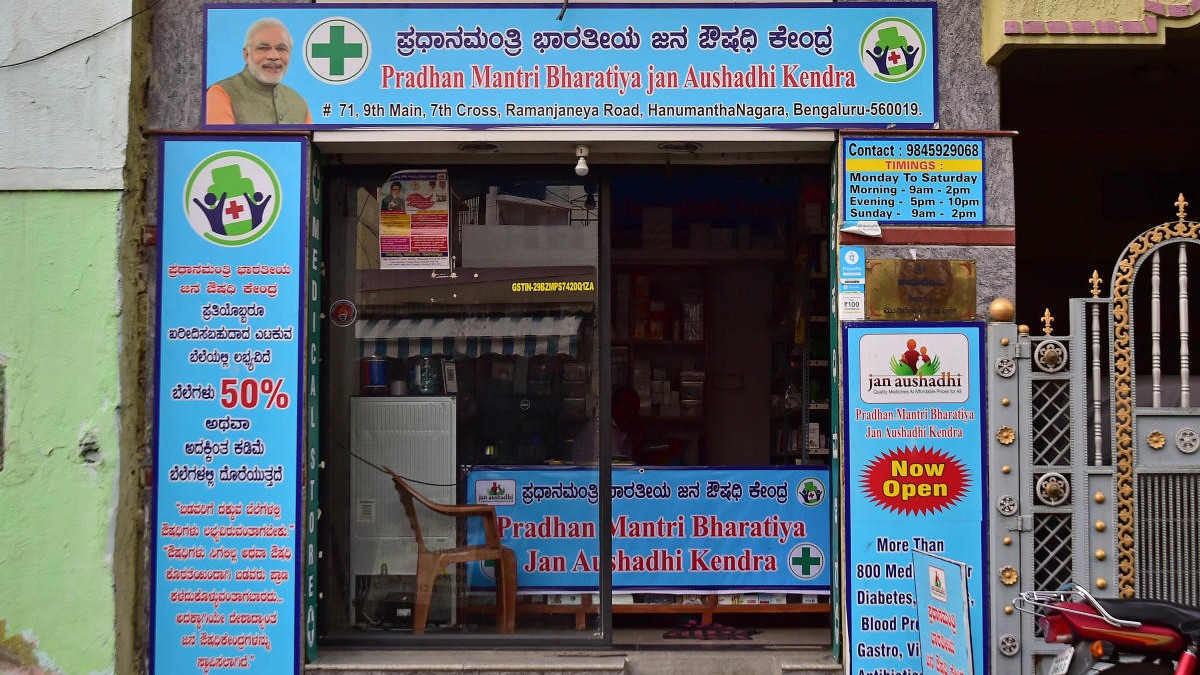
Health economists note that the ruling could influence similar policy decisions in other States. As governments grapple with balancing fiscal constraints and welfare obligations, judicial interventions such as this one serve as reminders that public health considerations must remain central to decision-making.
There is also renewed discussion on expanding the Jan Aushadhi network within government hospitals, particularly in rural and semi-urban areas where access to private pharmacies may be limited. Experts argue that strategically located kendras can significantly improve medicine access for patients who travel long distances for treatment.
The judgment has been welcomed by patient advocacy groups, public health experts and civil society organisations, who see it as a reaffirmation of the State’s responsibility to prioritise affordable healthcare. They argue that the ruling reinforces the principle that policy decisions cannot be driven solely by administrative convenience when fundamental welfare concerns are at stake.
For patients visiting government hospitals, the verdict ensures continuity of access to generic medicines at significantly lower prices compared to branded alternatives available in the open market. Doctors working in public hospitals say the presence of Jan Aushadhi kendras within hospital premises helps ensure better treatment compliance, as patients are more likely to purchase prescribed medicines when they are affordable and easily accessible.
Court’s Reasoning and Public Health Implications
In its detailed reasoning, the High Court noted that Jan Aushadhi kendras are an integral part of the public healthcare ecosystem. The court observed that government hospitals cater predominantly to low-income and marginalised populations, many of whom struggle to afford medicines even when consultation and treatment are provided free of cost.
The judges pointed out that the decision to discontinue kendras did not adequately assess the consequences for patients. Merely suggesting that medicines could be purchased from outside pharmacies, the court noted, ignores the economic realities faced by large sections of the population. For many patients, even a small increase in medicine costs can result in discontinuation of treatment.
The court further observed that the Jan Aushadhi scheme is designed to reduce out-of-pocket expenditure on healthcare, which remains one of the major causes of financial distress among Indian households. Any policy decision that potentially increases this burden must be backed by compelling reasons and a clear demonstration of public benefit.
Addressing the government’s argument regarding administrative difficulties, the court held that logistical or management challenges cannot override the fundamental objective of public welfare schemes. If issues exist in the functioning of kendras, the appropriate response, the court said, would be to improve oversight and coordination rather than dismantle the system altogether.
The High Court also took note of the fact that Jan Aushadhi kendras function under a regulated framework, supplying medicines that meet prescribed quality standards. The concern that generic medicines may be inferior in quality, often cited informally in public discourse, was rejected as unfounded when not supported by evidence.
Public health experts say the ruling underscores the judiciary’s recognition of access to medicines as a core component of the right to health. They argue that affordable medicines are as critical as infrastructure and medical personnel in ensuring effective healthcare delivery.
Doctors in government hospitals point out that prescribing generic medicines through Jan Aushadhi kendras also helps rationalise treatment costs. When patients are unable to afford medicines, doctors often face ethical dilemmas, knowing that the prescribed treatment may not be followed. The availability of low-cost generics within hospital premises alleviates this concern.
The judgment also has implications for healthcare equity. By ensuring that Jan Aushadhi kendras remain within government hospitals, the court has reinforced the idea that public health systems must actively bridge economic disparities rather than inadvertently widen them through policy decisions.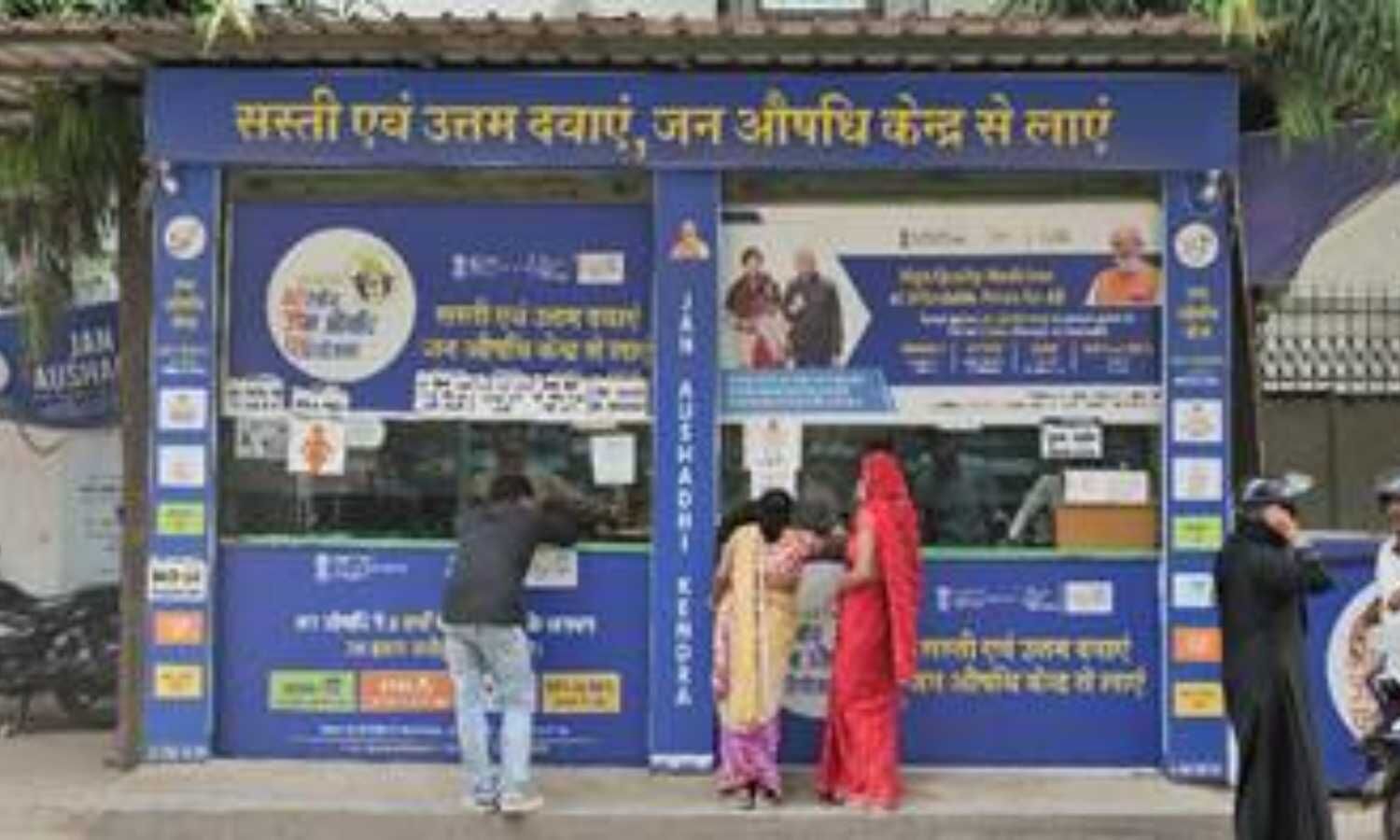
Policy Debate, Stakeholder Responses and the Way Forward
The High Court’s ruling has reopened broader policy debates around the role of generic medicines, public-private dynamics in healthcare spaces and the State’s responsibility in regulating access to essential drugs. While some sections had argued that hospital premises should be reserved exclusively for clinical services, others countered that pharmacies dispensing affordable medicines are a natural extension of patient care.
Operators of Jan Aushadhi kendras have welcomed the judgment, saying it provides much-needed stability to the scheme. Many kendras had been operating under uncertainty, with staff and suppliers unsure about their future. The ruling, they say, allows them to continue serving patients without fear of abrupt closure.
Patient advocacy groups have highlighted that the decision is particularly significant in the context of rising healthcare costs. Even as government hospitals provide subsidised or free treatment, medicine expenses often form a substantial part of a patient’s total healthcare spending. Keeping Jan Aushadhi kendras within hospital premises helps mitigate this burden.
At the same time, experts caution that the judgment should not be seen as an endpoint but as an opportunity to strengthen the system. They argue that issues such as stock availability, timely replenishment and coordination between doctors and kendras must be addressed to maximise the scheme’s impact.
The State government, while bound by the court’s ruling, is expected to review its internal policies to align them with the judgment. Officials indicate that efforts may now focus on improving management practices and ensuring that kendras function efficiently without causing administrative inconvenience to hospital authorities.
Health economists note that the ruling could influence similar policy decisions in other States. As governments grapple with balancing fiscal constraints and welfare obligations, judicial interventions such as this one serve as reminders that public health considerations must remain central to decision-making.
There is also renewed discussion on expanding the Jan Aushadhi network within government hospitals, particularly in rural and semi-urban areas where access to private pharmacies may be limited. Experts argue that strategically located kendras can significantly improve medicine access for patients who travel long distances for treatment.
Medical associations have suggested closer integration between hospital pharmacies and Jan Aushadhi kendras, including coordinated prescription practices and information-sharing. Such measures, they say, could enhance efficiency and reduce confusion among patients.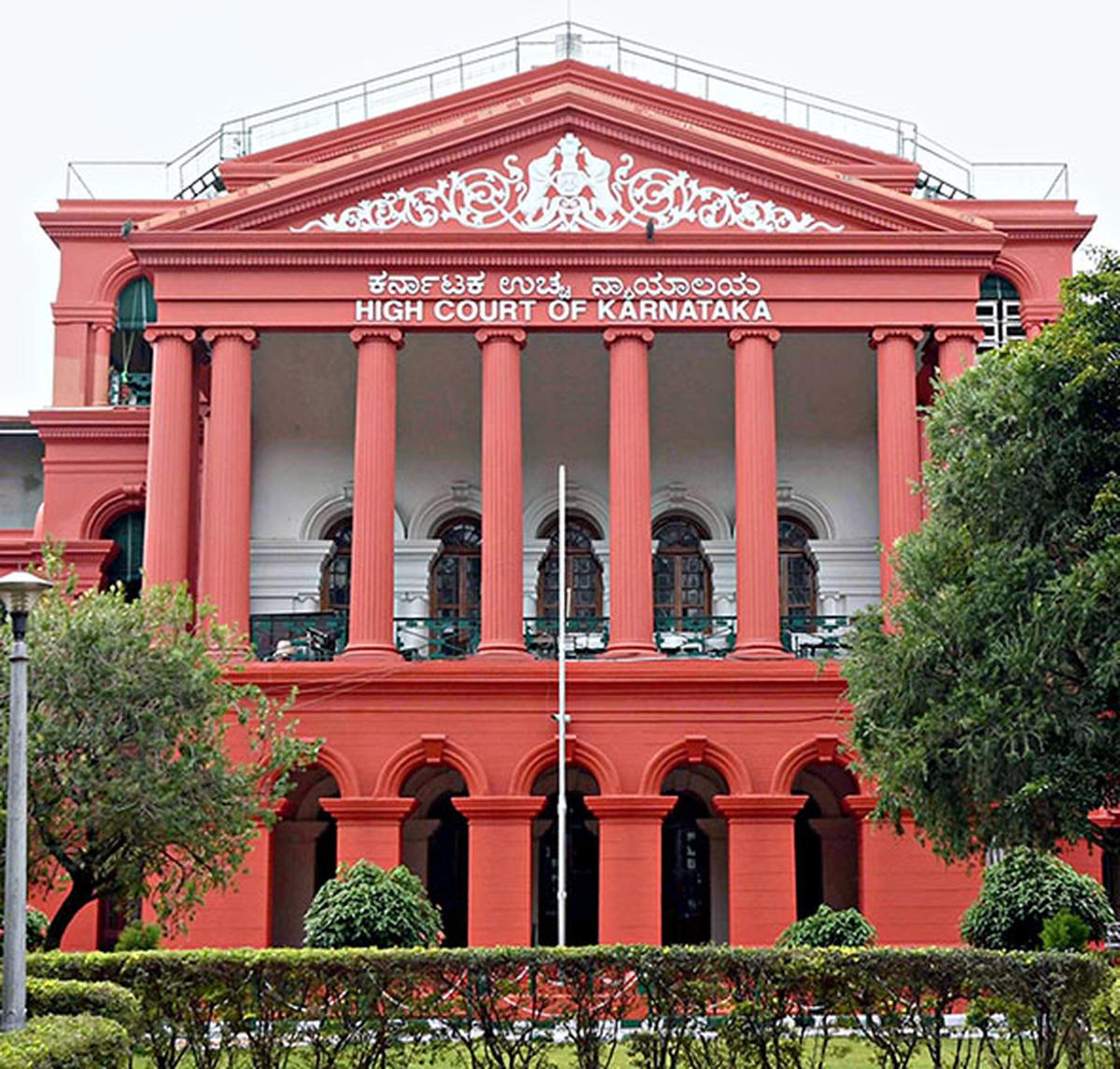
For patients, the immediate impact of the ruling is reassurance. Many had expressed anxiety over the prospect of losing access to affordable medicines, fearing increased expenses and treatment disruptions. The High Court’s decision restores confidence that welfare-oriented schemes will be protected when challenged.
As the healthcare landscape continues to evolve, the judgment stands as a reminder that policy decisions affecting essential services must be guided by empathy, evidence and constitutional values. The court’s emphasis on public interest over administrative expediency reinforces the principle that healthcare is not merely a service, but a social responsibility.
In setting aside the decision to discontinue Jan Aushadhi kendras on government hospital premises, the Karnataka High Court has reaffirmed the centrality of affordable medicines in public healthcare. The ruling not only preserves an important welfare mechanism but also sends a clear message that access to essential drugs cannot be compromised without compelling justification.
Whether the State uses this moment to strengthen and expand the scheme will determine the long-term impact of the judgment. For now, the continuation of Jan Aushadhi kendras within government hospitals stands as a concrete step towards more inclusive and equitable healthcare for Karnataka’s citizens.
Follow: Karnataka Government
Also read: Home | Channel 6 Network – Latest News, Breaking Updates: Politics, Business, Tech & More
