
A young doctor was allegedly molested while walking back home after completing her work shift in Bengaluru, triggering widespread outrage and renewed concerns over women’s safety in the city. The incident, which occurred late in the evening, has once again highlighted the vulnerabilities faced by working women, particularly those in essential services who often travel during odd hours. The case has prompted strong reactions from the medical fraternity, women’s groups and civil society, all of whom have called for swift justice and systemic measures to prevent such crimes.
Activists have highlighted that the issue extends beyond immediate law enforcement. They argue that urban design, street lighting, and public transport accessibility are critical elements in ensuring women’s safety. Narrow lanes, abandoned construction sites, and poorly maintained footpaths often become hotspots for harassment. Addressing these structural deficiencies, they suggest, could prevent crimes before they occur, rather than relying solely on punitive measures after the fact.
There has also been a push for hospitals and institutions employing women to take proactive responsibility. Suggestions include providing night shuttles, escort services, and safer exit routes from workplaces. Some institutions have begun piloting buddy systems, live location tracking, and coordinated transport for employees who finish late shifts. While such initiatives are not widespread, the incident has sparked renewed interest in institutional accountability for staff safety.
The psychological impact of such assaults has been emphasised repeatedly. Survivors often experience anxiety, insomnia, and long-term trauma, which can affect both personal and professional life. Experts recommend immediate access to counselling services, legal guidance, and support groups to help survivors navigate the aftermath. Many hospitals have started collaborating with mental health professionals to provide these services internally, but gaps remain.
Community involvement has also been cited as a key factor in preventing crime. Residents’ associations, local volunteers, and neighbourhood committees can play an active role by creating safer public spaces, organising night patrols, and reporting suspicious activity promptly. Experts note that community vigilance works best when coordinated with police and municipal authorities rather than taking the law into their own hands.
The incident has reignited debates around gender sensitisation, both in policing and broader society. Advocates argue that education on consent, respect, and legal consequences should begin in schools and continue through professional training. The aim, they stress, is to create a cultural shift where harassment is universally condemned and survivors feel supported rather than blamed.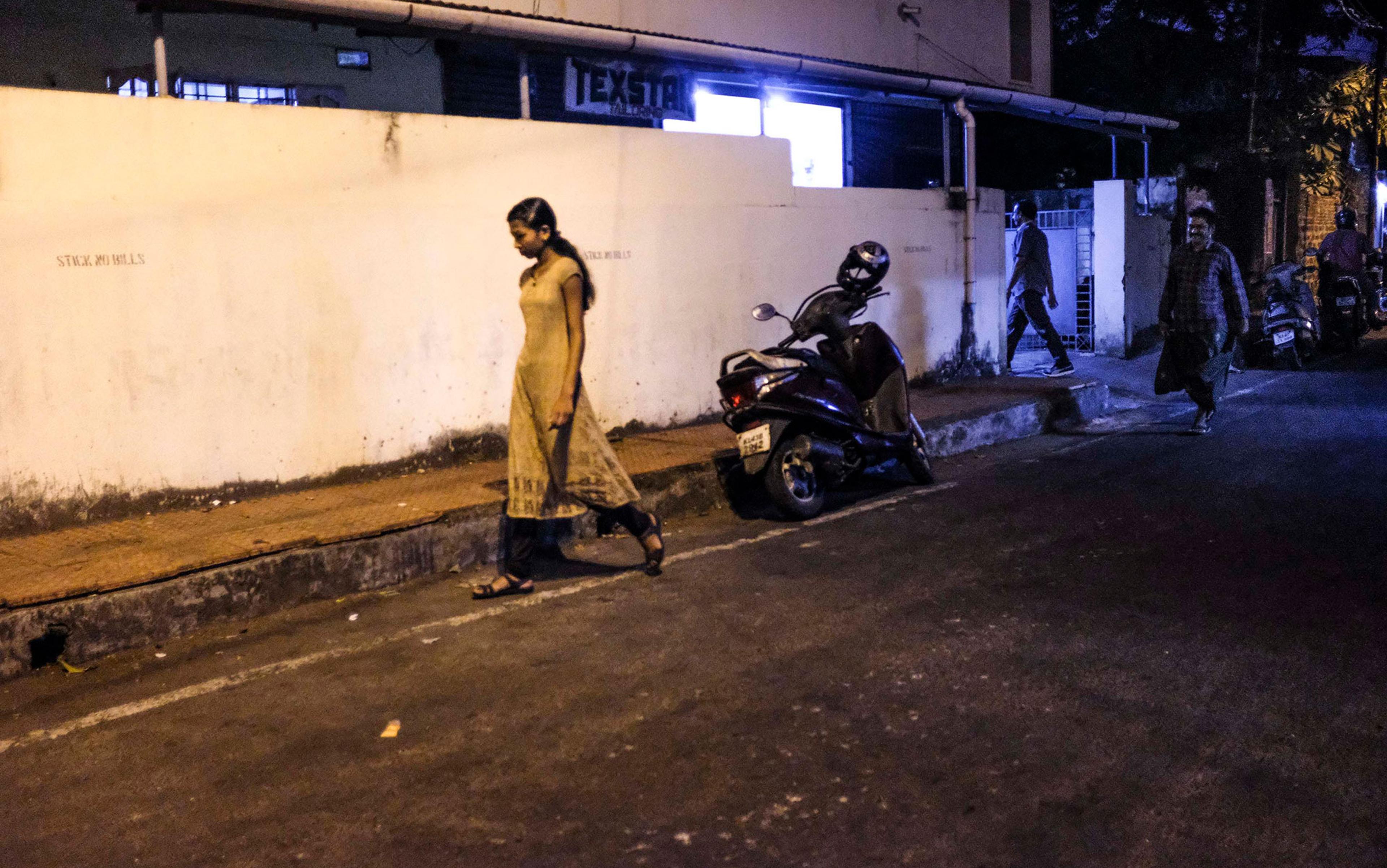
Finally, the doctor’s case has prompted calls for systemic reforms in Bengaluru’s approach to women’s safety. Experts recommend integrated strategies combining urban planning, technology, policing, community participation, and institutional accountability. They argue that addressing the problem holistically, rather than in piecemeal reactive steps, is the only way to ensure that working women can travel without fear and reclaim the city as a safe space for all.
According to the police, the doctor had finished her hospital duties and was returning to her residence on foot when the accused allegedly followed her, intercepted her on a relatively deserted stretch of road and assaulted her. The survivor reportedly resisted and raised an alarm, following which the accused fled the scene. She later approached the police and lodged a complaint, leading to the registration of a case under relevant sections of the law.
The incident has sent shockwaves through Bengaluru’s medical community, where doctors, nurses and other healthcare workers routinely work late-night or early-morning shifts. Many have pointed out that despite repeated assurances from authorities, safety measures on the ground remain inadequate, especially in residential layouts and inner roads that lack proper lighting and regular patrolling.
Police officials stated that teams have been formed to identify and apprehend the accused, using CCTV footage from nearby areas and witness accounts. They assured that the case is being treated with seriousness and sensitivity, and that the survivor is being provided necessary support. However, the incident has once again exposed the gap between policy declarations and everyday realities faced by women in the city.
The assault has also reignited debates around urban planning, last-mile safety and the responsibility of employers, particularly hospitals, to ensure safe transport options for staff working late hours. As public anger grows, the incident is being seen not as an isolated crime but as part of a larger pattern of insecurity that women navigate daily.
A City on Alert as Healthcare Workers Speak Out
In the aftermath of the incident, doctors across Bengaluru have voiced deep concern and anger. Many described the assault as an attack not just on an individual but on the dignity and safety of an entire profession that has been at the forefront of public service. Messages of solidarity poured in from medical associations, resident doctors’ unions and healthcare workers, who demanded immediate action and long-term solutions.
Several doctors pointed out that women in the healthcare sector often have little choice but to commute during late hours due to the nature of their work. Emergency duties, extended shifts and unpredictable workloads make fixed schedules impossible. Despite this, many hospitals, especially smaller private institutions, do not provide secure transport facilities or escorts, leaving staff to fend for themselves.
Women doctors shared personal accounts of harassment, stalking and fear while commuting, describing how vigilance has become a daily survival strategy. Some spoke about altering routes, avoiding poorly lit roads and constantly sharing live locations with friends or family. Others admitted that such incidents take a psychological toll, affecting their sense of safety and well-being long after the event.
Medical associations have demanded increased police patrolling around hospitals, hostels and residential areas where healthcare workers live. They have also urged the government to make transport facilities mandatory for institutions that require staff to work night shifts. According to them, safety should not be an optional welfare measure but a basic obligation.
The incident has also sparked conversations about how society views women’s mobility. Several speakers stressed that the responsibility for preventing crime must lie with the system and perpetrators, not with women modifying their behaviour. They cautioned against narratives that subtly blame victims for being out late or walking alone.
Senior doctors and administrators have called for coordination between hospitals, local police stations and civic authorities to map vulnerable routes and improve infrastructure. Better street lighting, functional CCTV cameras and visible police presence were repeatedly cited as immediate necessities rather than long-term aspirations.
Questions of Policing, Infrastructure and Accountability
Beyond immediate outrage, the case has raised serious questions about policing and urban governance in Bengaluru. Residents of the area where the incident occurred reportedly complained about inadequate lighting and infrequent police patrols, especially during night hours. Such conditions, they argue, create an environment where offenders feel emboldened and victims feel abandoned.
Urban safety experts note that crimes against women are often concentrated in transitional spaces such as poorly lit streets, bus stops and narrow lanes. These spaces, they argue, require targeted interventions rather than broad assurances. Regular foot patrols, community policing and quick response mechanisms can significantly reduce the risk of such crimes.
Police officials have maintained that Bengaluru has a robust surveillance network, but activists argue that cameras alone are not enough. They point out that CCTV footage often becomes useful only after a crime has occurred. Prevention, they say, requires human presence, accountability and trust between the police and the community.
The case has also drawn attention to the issue of delayed justice in crimes against women. While arrests and investigations are important, activists stress that prolonged trials and low conviction rates often discourage survivors from pursuing cases. They have called for fast-track processes and trauma-informed policing that prioritises the dignity and agency of survivors.
Women’s rights groups have also emphasised the need for psychological support and counselling for survivors. Trauma, they say, does not end with the filing of a complaint. Long-term mental health care, workplace support and social acceptance are crucial for recovery. Employers, particularly in high-stress professions like healthcare, have a role to play in this process.
There have also been demands for stricter monitoring of repeat offenders and known troublemakers in neighbourhoods. Community vigilance, when coordinated responsibly with law enforcement, was suggested as a way to create safer environments without resorting to vigilantism.
The incident involving the doctor has resonated deeply because it underscores a painful contradiction. Those entrusted with caring for society continue to face neglect when it comes to their own safety. The applause and appreciation often extended to healthcare workers during crises stand in stark contrast to the risks they endure in everyday life.
As investigations continue, public attention remains focused on whether swift and decisive action will follow. For many, justice in this case will be measured not only by the arrest and punishment of the accused but by tangible improvements in safety for women across Bengaluru.
The incident has become a moment of reckoning for the city, forcing citizens and authorities alike to confront uncomfortable truths. Ensuring that women can walk home without fear should not be an extraordinary demand but a basic guarantee. Until that becomes reality, incidents like this will continue to haunt Bengaluru’s conscience.
For the young doctor and countless other women navigating the city’s streets each night, the hope is that this case becomes a turning point rather than another statistic. Whether that hope is fulfilled will depend on the resolve shown in the days and months to come.
Follow: Karnataka Government
Also read: Home | Channel 6 Network – Latest News, Breaking Updates: Politics, Business, Tech & More
