
Mysuru, long celebrated for its tree-lined boulevards and green public spaces, is set to undertake a comprehensive tree census beginning December 22, marking a significant step in documenting and protecting its urban ecology. The initiative, led by the city administration in coordination with forest and municipal authorities, aims to create a detailed database of trees across public spaces, roadsides, parks and institutional lands. Officials say the exercise is intended not merely as a numerical count but as a foundational effort to understand the city’s green cover and plan for its sustainable future.
The census comes at a time when Mysuru is witnessing steady urban expansion, increased infrastructure projects and growing pressure on natural resources. Environmentalists have repeatedly warned that without accurate data on tree density, species diversity and health, urban planning risks becoming blind to ecological consequences. The proposed census seeks to address this gap by providing granular information that can guide policy decisions and conservation strategies.
According to officials involved in planning the exercise, trained enumerators will be deployed across wards to record details such as tree species, age estimation, girth, height and health condition. Each tree will be geo-tagged, allowing authorities to track changes over time. The data collected is expected to serve as a baseline for monitoring tree loss, compensatory plantation and long-term ecological trends within the city.
The initiative has been welcomed by environmental groups and citizen collectives, many of whom have long demanded a scientific approach to managing Mysuru’s green assets. They argue that trees are often treated as obstacles to development rather than as living infrastructure that provides shade, regulates temperature, supports biodiversity and improves air quality. A comprehensive census, they say, could help shift this perspective.
Officials have stressed that the census will be carried out in phases and is expected to take several months to complete. While the initial focus will be on public land, there are plans to eventually include private properties, subject to consent and logistical feasibility. The administration has indicated that public participation will be encouraged to ensure transparency and accuracy.
As Mysuru prepares for the census, the exercise is being viewed as both a technical and symbolic step. For many residents, it represents an acknowledgement of the city’s deep relationship with its trees, which have shaped its identity as much as its palaces and cultural heritage.
Mapping a City’s Green Wealth
At the heart of the tree census lies an effort to systematically map Mysuru’s green wealth. Officials say the lack of updated and reliable data has often hampered decision-making, particularly when development projects require tree felling or transplantation. Without knowing how many trees exist, where they are located and what ecological roles they play, authorities have struggled to assess the true impact of such interventions.
The census will involve collaboration between the municipal corporation, the forest department and technical experts. Enumerators will use digital tools to record data, reducing the risk of duplication or omission. Geo-tagging will enable the creation of interactive maps, allowing planners to visualise tree distribution across neighbourhoods and identify areas with sparse green cover.
Environmental experts note that such mapping can reveal important patterns. Older parts of Mysuru, for instance, are known for mature avenue trees that provide extensive canopy cover, while newer layouts often lack adequate plantation. By highlighting these disparities, the census can inform targeted greening efforts in underserved areas.
Species identification is another crucial component of the exercise. Mysuru is home to a mix of native and exotic trees, each with different ecological values. Native species are often better suited to local conditions and support a wider range of birds and insects. By documenting species composition, authorities can prioritise native trees in future plantation drives.
The health assessment of trees is expected to be particularly valuable. Many urban trees suffer from soil compaction, pollution and improper pruning, which weakens them over time. Identifying stressed or diseased trees early can help prevent accidents and improve survival rates through timely intervention.
Officials have also pointed out that the census will aid compliance with environmental regulations. Accurate data can strengthen oversight of compensatory afforestation requirements, ensuring that trees cut for development are genuinely replaced. It can also provide a factual basis for resolving disputes related to tree felling permissions.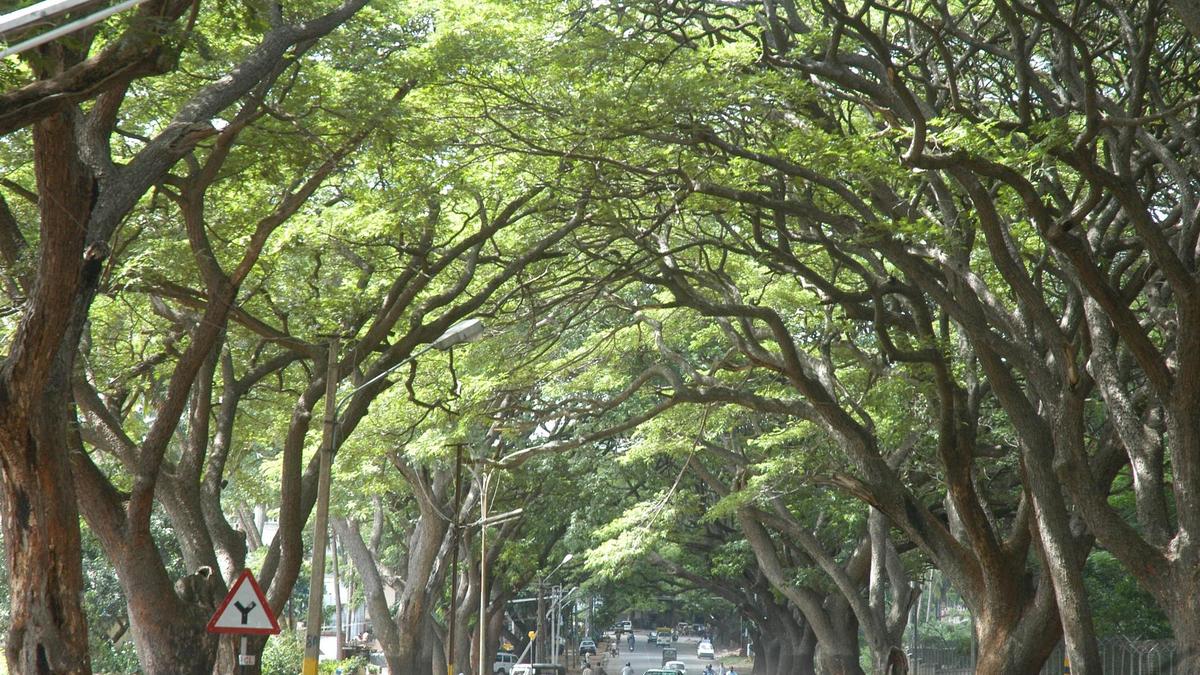
For urban planners, the census promises to integrate ecology into development planning more effectively. Road widening, drainage works and construction projects can be designed with greater sensitivity when tree data is readily available. This, experts argue, could reduce conflicts between development objectives and environmental protection.
Citizens, Conservation and the Road Ahead
Beyond administrative utility, the tree census is being seen as an opportunity to deepen citizen engagement with environmental conservation. Officials have indicated that residents’ welfare associations, students and volunteers may be involved in awareness campaigns linked to the exercise. Such participation, they believe, can foster a sense of shared ownership over the city’s green assets.
Environmental groups have emphasised that public access to census data will be key to its success. Transparency, they argue, can empower citizens to hold authorities accountable and advocate for greener neighbourhoods. Open data can also support research, education and community-led conservation initiatives.
There is also hope that the census will influence public attitudes towards trees. When trees are formally counted, mapped and monitored, they gain visibility as assets rather than background elements. This shift in perception, activists say, is essential in a city where development pressures often overshadow ecological considerations.
However, experts caution that a census alone will not guarantee conservation. The real test lies in how the data is used. Without clear policy commitments and enforcement mechanisms, there is a risk that the exercise becomes a one-time documentation effort rather than a tool for long-term change.
Funding and capacity are also potential challenges. Maintaining an updated tree database requires regular monitoring and dedicated personnel. Officials acknowledge that sustaining the initiative will require budgetary support and institutional continuity beyond initial enthusiasm.
Despite these concerns, the announcement of the census has generated cautious optimism. Mysuru’s history of civic engagement and environmental awareness provides fertile ground for such an initiative to succeed. If implemented thoughtfully, the census could become a model for other cities seeking to balance growth with ecological responsibility.
As December 22 approaches, the tree census stands as a reminder that cities are living ecosystems. Counting trees is not merely about numbers; it is about recognising the silent work they do every day in sustaining urban life. For Mysuru, the exercise offers a chance to reaffirm its identity as a city that values its natural heritage as much as its cultural one.
In the years to come, the true measure of the census will be seen in cooler streets, healthier air and neighbourhoods where green cover is not an afterthought but a guiding principle. Whether this promise is fulfilled will depend on sustained commitment, informed planning and a collective will to protect what makes Mysuru green and alive.
Follow: Karnataka Government
Also read: Home | Channel 6 Network – Latest News, Breaking Updates: Politics, Business, Tech & More
