
A shocking incident in Kalaburagi has left the city reeling, as a BJP woman activist reportedly set herself on fire outside the residence of a party colleague, succumbing to her injuries despite immediate medical attention. The incident has triggered widespread outrage, grief, and calls for urgent investigation into the circumstances that led to the extreme act of protest. Officials said the incident occurred in the late evening when residents noticed flames and rushed to provide help.
According to local authorities, the woman, in her mid-thirties, doused herself with an inflammable substance and ignited it in front of the house of a colleague with whom she reportedly had a dispute. Eyewitnesses said she shouted about alleged harassment and perceived betrayal within party ranks before the act, drawing the attention of neighbours who alerted emergency services. Despite rapid intervention by police and medical teams, she succumbed to severe burns at a nearby hospital.
Authorities have confirmed that they are coordinating with forensic experts and psychological counsellors to better understand the circumstances surrounding the incident. By examining behavioral patterns, communications, and interactions within the party unit, investigators hope to determine whether the act was spontaneous or the culmination of prolonged distress. Such insights, officials said, could inform both the criminal investigation and future preventive measures for political organisations.
The State BJP leadership has called an emergency review meeting in Kalaburagi to discuss immediate remedial steps and long-term reforms. Party officials emphasised that the safety and well-being of members must be prioritised alongside political activities. Proposals under consideration include mandatory grievance redressal channels, confidential reporting systems, and proactive engagement with members to address interpersonal conflicts before they escalate.
Community members have voiced concerns about the impact of the tragedy on local governance and civic engagement. Many expressed fear that ongoing political tensions could affect routine development activities and participation in community initiatives. Social organisations have urged the party and authorities to ensure that the fallout of the incident does not disrupt essential public services or undermine civic trust.
Mental health professionals have highlighted the need for targeted intervention in high-stress political environments. They stress that women activists often face compounded pressures, including gender-based discrimination, hierarchical constraints, and societal expectations. Expert recommendations include regular mental health check-ins, confidential counseling services, and awareness programs that destigmatise seeking help within political organisations.
The incident has also prompted debate among lawmakers about broader systemic reforms to protect political workers from harassment and undue pressure. Some have suggested codifying internal party grievance mechanisms into formal procedures with independent oversight. Advocates argue that such steps are necessary to ensure that members can raise concerns safely and that extreme outcomes, such as the Kalaburagi tragedy, are prevented in the future.
Meanwhile, the family of the deceased continues to appeal for justice and accountability. They have demanded that all responsible parties, including any individuals who may have contributed to her distress, be thoroughly investigated. Legal experts note that the case could set important precedents regarding organizational responsibility and the duty of care owed by political parties to their members, particularly in high-pressure contexts.
Police officials have confirmed that a detailed investigation is underway to establish the sequence of events and the motives behind the extreme step. Preliminary reports indicate that the activist may have been struggling with internal conflicts within the local party unit. Authorities have registered a case and are gathering statements from neighbours, party members, and family members to reconstruct the events leading to the incident.
The incident has sparked shock waves across the local BJP leadership. Party officials expressed grief and called for calm, urging members to await the outcome of the investigation. Several leaders stated that internal differences should never escalate to such extreme acts and emphasised the need for timely grievance redressal mechanisms within party structures.
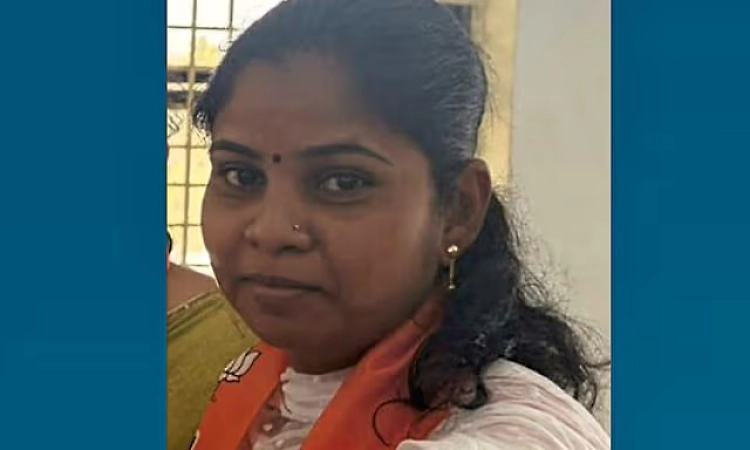
Political and Social Repercussions: woman
The self-immolation has sparked debates over the internal functioning and accountability mechanisms within political parties. Analysts note that intra-party conflicts, if unaddressed, can lead to severe psychological distress and, in rare cases, extreme actions such as this. Social activists highlighted the lack of accessible support systems for party workers, especially women, who may face harassment, marginalisation, or pressure in political spaces.
Local BJP leaders in Kalaburagi have condemned the incident and pledged full cooperation with the police investigation. They have also announced plans to convene meetings at the grassroots level to address internal grievances and ensure that party members feel heard and supported. A few members admitted that internal disputes had escalated in recent months and that greater oversight was needed to prevent conflicts from turning dangerous.
The tragic death has also reignited conversations about mental health support within political organisations. Experts stress that high-pressure environments, combined with interpersonal conflicts, can lead to emotional crises. They argue that party units should institute counseling services, helplines, and conflict-resolution protocols to prevent tragedies. The absence of such measures, as seen in this case, underscores the vulnerability of individuals navigating hierarchical political structures.
Meanwhile, residents near the scene of the incident described a tense atmosphere, with crowds gathering after the event and expressing anger, grief, and confusion. Police have maintained a perimeter around the area to prevent escalation and ensure order, while urging the public not to speculate or spread misinformation on social media.
The incident remains under investigation, with authorities reviewing CCTV footage, witness statements, and communications of the deceased activist. As the probe unfolds, political parties, civil society groups, and local residents are calling for measures to address both the immediate fallout and the systemic issues that may have contributed to this tragic loss of life.
Authorities investigating the Kalaburagi incident have indicated that they are also looking into any external factors that may have contributed to the activist’s extreme action. This includes examining communications, messages, and prior complaints that the deceased may have lodged with party officials or law enforcement. While the exact motive is yet to be confirmed, preliminary accounts suggest that perceived harassment and unresolved conflicts within the party may have played a role, though investigators caution against drawing conclusions prematurely.
Family members of the deceased have expressed grief and shock, stating that they were unaware of the depth of her distress. Relatives described her as committed to social and political work, highlighting her participation in local initiatives and community engagement. They appealed for a transparent investigation to ensure that any accountability, whether internal to the party or external, is established. Legal experts have noted that the family may also seek civil or criminal remedies if negligence or coercion is found to have contributed to her death.
The incident has prompted the State BJP leadership to review internal protocols for handling grievances and conflicts among members. Officials stated that immediate measures would include setting up committees for rapid dispute resolution and ensuring psychological support for members facing stress or harassment. These steps, they said, are intended to prevent recurrence and restore confidence among grassroots workers.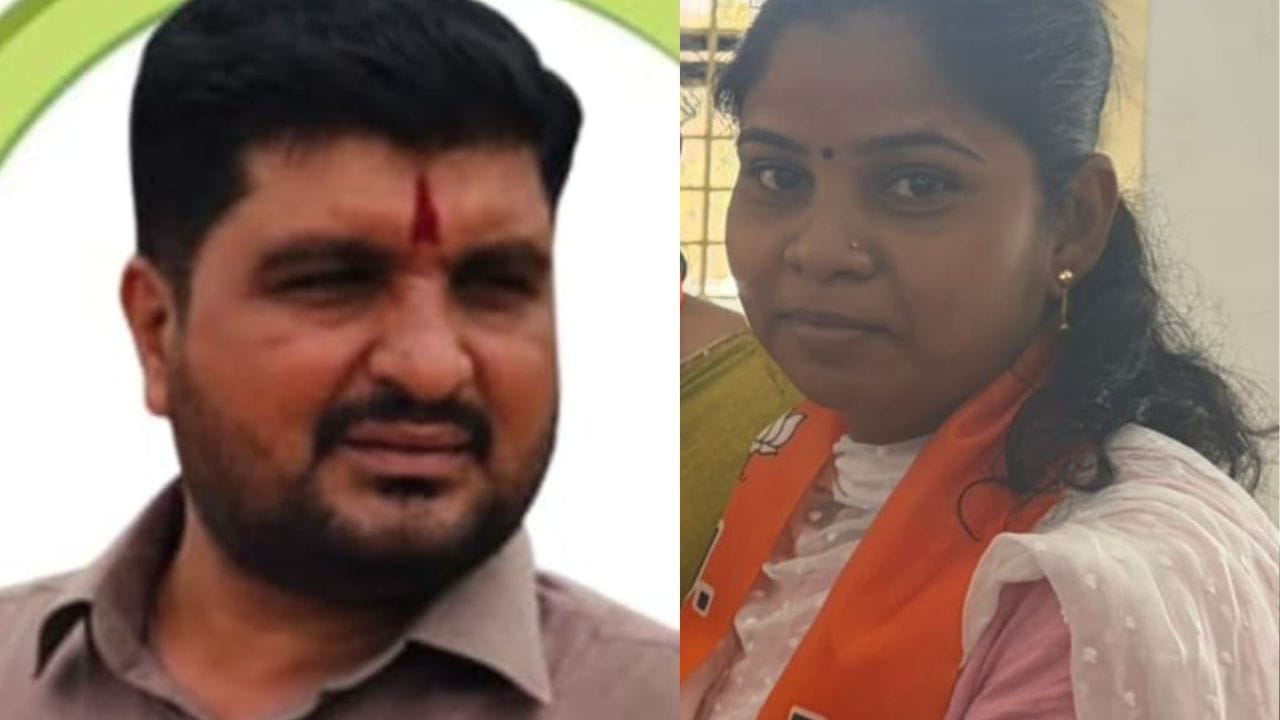
The self-immolation has sparked debates over the internal functioning and accountability mechanisms within political parties. Analysts note that intra-party conflicts, if unaddressed, can lead to severe psychological distress and, in rare cases, extreme actions such as this. Social activists highlighted the lack of accessible support systems for party workers, especially women, who may face harassment, marginalisation, or pressure in political spaces.
Social activists have also weighed in, calling for broader awareness campaigns about mental health, particularly for women in politically charged or high-stress environments. They argue that the lack of formal support structures leaves activists vulnerable to extreme decisions in moments of crisis. Experts emphasised the importance of accessible counseling, peer support, and structured mechanisms to safely report conflicts without fear of reprisal.
Political analysts have noted that incidents such as this can have broader repercussions for party image and public trust. The Kalaburagi self-immolation raises questions about the internal dynamics of political parties and how they manage disputes, particularly when gendered hierarchies and power imbalances are involved. Maintaining transparency and accountability, analysts say, is critical to prevent reputational damage and reassure both members and the public.
Local residents have expressed mixed emotions, with some mourning the activist while others voiced concern over rising tensions within political units. Community leaders are calling for calm and dialogue, emphasising that political disagreements must never escalate into life-threatening situations. Several NGOs and community organisations have stepped in to offer temporary support and counseling to residents affected by the incident, highlighting the ripple effects of such a tragedy on the wider neighbourhood.
As the investigation continues, law enforcement has urged political parties and the public to refrain from speculation and to allow official processes to unfold. Authorities have assured that all angles will be examined, including possible failures in grievance handling and any external pressures that may have contributed. Meanwhile, the incident has sparked urgent discussions about institutional responsibilities, mental health support, and the human cost of unresolved conflicts in political organisations, underlining the need for systemic reforms to prevent future tragedies.
Follow: Karnataka Government
Also read: Home | Channel 6 Network – Latest News, Breaking Updates: Politics, Business, Tech & More
