
Unusually cold weather conditions have forced the district administration in Yadgir to revise school schedules, prioritising the health and safety of students across government and aided institutions. As temperatures dipped sharply during early morning hours, concerns grew over young children commuting to schools in cold conditions without adequate protection. Responding to these concerns, education authorities announced changes in school timings, a move that has been largely welcomed by parents, teachers, and health professionals.
Yadgir district, located in the northern interior of Karnataka, has been experiencing colder-than-usual mornings over the past few weeks. The chill, accompanied by fog and low visibility in certain pockets, has particularly affected rural areas where children often travel long distances on foot or by bicycle to reach schools. For students from economically weaker backgrounds, exposure to cold weather without proper winter clothing posed an added health risk.
Officials stated that the decision to alter school timings was taken after reviewing weather patterns and receiving feedback from school authorities. Early morning assemblies and classes were identified as potential risk factors, especially for primary school children. The revised schedule allows schools to begin later in the morning, reducing children’s exposure to cold during peak hours.
The change reflects a growing recognition that climate-related factors directly impact access to education. While cold waves are not uncommon in northern Karnataka, recent variations in weather intensity have prompted authorities to take precautionary measures. Health officers advised that prolonged exposure to cold could lead to respiratory infections, fever, and other illnesses, particularly among younger students with lower immunity.
Parents across the district expressed relief at the decision. Many had been worried about sending their children to school before sunrise, especially as several villages reported a noticeable drop in temperatures. Mothers of primary school students said children were reluctant to wake up early due to the cold, often complaining of body aches and coughs. The revised timings, they believe, strike a balance between academic continuity and physical well-being.
Teachers, too, supported the move, noting that attendance had begun to dip during particularly cold mornings. According to educators, students who did attend early classes often appeared lethargic and struggled to concentrate. Delaying the start of the school day, they said, would likely improve classroom engagement and overall learning outcomes during the winter period.
Education department officials clarified that the schedule change is temporary and will remain in effect as long as cold conditions persist. They emphasised that academic calendars would be adjusted to ensure that syllabus completion is not affected. Schools have been advised to optimise teaching hours and, if necessary, extend sessions later in the day when temperatures are more comfortable.
The decision also highlights the administrative challenge of responding swiftly to local conditions. District-level autonomy, officials noted, allows for context-specific decisions that may not be required in other parts of the State. Yadgir’s action underscores the importance of decentralised governance in addressing region-specific issues.
Health, Attendance, and the Reality of Rural Schooling
Cold weather poses unique challenges for school-going children in districts like Yadgir, where infrastructure and resources vary widely. Many government schools operate in buildings that offer limited protection from the cold, with open corridors and classrooms lacking insulation. In such settings, early morning exposure can significantly affect children’s comfort and health.
Medical professionals in the district reported a seasonal rise in cases of cold-related ailments among children. Common complaints include sore throat, cold, cough, and mild fever. While not severe, these illnesses can lead to absenteeism and, in some cases, complications if left unattended. Doctors welcomed the decision to revise school timings, calling it a preventive health measure rather than a reactive one.
Attendance patterns have long been a concern in rural schooling. During extreme weather conditions, whether heat or cold, attendance often fluctuates. Teachers explained that when students miss classes due to illness, it creates learning gaps that are difficult to bridge. By adjusting schedules proactively, schools can maintain more consistent attendance during challenging periods.
The issue is further compounded by socio-economic factors. Many families in Yadgir depend on daily wage labour, limiting their ability to invest in winter clothing or protective gear for children. In such households, children often wear thin uniforms that provide little warmth during cold mornings. Delaying school start times reduces the need for early-morning travel in harsh conditions.
Transport is another critical factor. Unlike urban areas, rural Yadgir has limited public transport options during early hours. Children walking long distances or riding bicycles are particularly vulnerable to cold winds. School buses, where available, often begin their routes early to accommodate standard timings. The revised schedule allows transport arrangements to align better with safer travel conditions.
The cold weather-driven schedule change in Yadgir may appear minor, but it carries a larger message about responsive governance. By placing child welfare at the centre of decision-making, authorities have acknowledged that education does not exist in isolation from environmental and social realities.
Ultimately, the success of such measures will be judged not only by academic outcomes but by the trust they build among parents, teachers, and students. In choosing caution over rigidity, Yadgir’s administration has taken a step that reflects care, foresight, and an understanding of the everyday challenges faced by its youngest citizens.
Teachers also highlighted the psychological aspect of cold weather. Young children, especially those in lower primary classes, can experience discomfort and reluctance to attend school during cold spells. A more relaxed morning routine, they believe, helps reduce stress and makes children more receptive to learning.
Education officials noted that similar measures have been adopted in the past during heatwaves, when schools either reduced hours or declared holidays. Cold weather, however, often receives less attention despite posing comparable risks. The current decision reflects a broader understanding of how environmental factors affect student welfare.
Schools have been instructed to monitor student health closely during the cold period. Headmasters were advised to allow flexibility for students showing signs of illness and to discourage outdoor activities during particularly cold days. Morning assemblies, often held in open grounds, have been shifted indoors or shortened.
Parents have also been encouraged to ensure children are adequately clothed and nourished. Some schools have taken the initiative to educate students about simple measures such as wearing layers, covering ears and hands, and consuming warm food where possible. While these steps may seem basic, educators say they can make a significant difference in preventing illness.
Balancing Academic Needs with Child Welfare
The change in school schedule has reignited discussions on how education systems can adapt to environmental realities without compromising academic goals. Critics often argue that reducing or altering school hours affects syllabus coverage. However, education experts counter that learning quality matters more than rigid adherence to timetables, especially when student health is at stake.
District officials reassured parents and teachers that academic targets would be met through careful planning. Schools have been asked to adjust lesson plans, prioritise core subjects, and make effective use of classroom time. In some cases, schools may slightly extend afternoon sessions to compensate for delayed mornings.
The situation also highlights the importance of flexibility in education policy. Uniform schedules across diverse climatic regions may not always serve students’ best interests. Yadgir’s decision demonstrates how local administrations can respond to ground realities while staying within broader policy frameworks.
Teacher associations welcomed the move, noting that it reflects sensitivity to the working conditions of educators as well. Teachers commuting from distant villages also face cold-related challenges, and a later start time eases their travel. Improved teacher well-being, they argue, ultimately benefits students.
However, some parents expressed concern about childcare arrangements for younger children if school starts later. In households where parents leave early for work, schools often serve as a safe space for children. Authorities acknowledged this concern and said schools could allow flexibility on a case-by-case basis, ensuring children are not left unattended.
The episode has also sparked conversations about long-term infrastructure improvements. Experts suggest that investing in better school buildings, including enclosed classrooms and basic heating arrangements, could reduce vulnerability to weather extremes. While such upgrades require funding, they are increasingly seen as necessary in the face of changing climate patterns.
Climate variability has made weather-related disruptions more frequent across regions. Education planners are being urged to incorporate climate resilience into school management strategies. This includes not only schedule adjustments but also disaster preparedness, health awareness, and infrastructure planning.
For students, the revised schedule has brought a sense of relief. Many said they felt more comfortable attending school after sunrise, when temperatures are less harsh. Improved comfort, teachers observed, translated into better participation and attentiveness in class.
As cold conditions persist, the district administration continues to monitor the situation. Officials indicated that any further changes would be communicated promptly, emphasising transparency and coordination with schools. The priority, they said, remains the safety and well-being of children.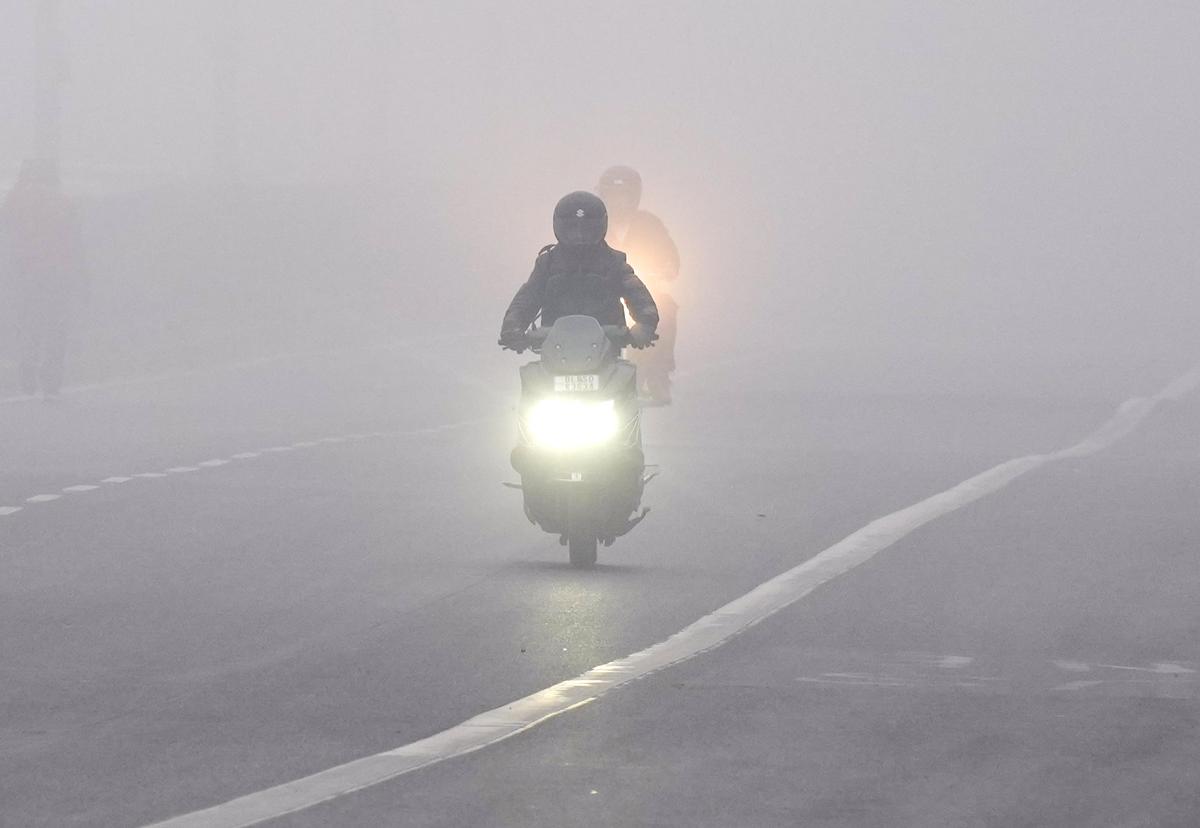
The cold weather-driven schedule change in Yadgir may appear minor, but it carries a larger message about responsive governance. By placing child welfare at the centre of decision-making, authorities have acknowledged that education does not exist in isolation from environmental and social realities.
Ultimately, the success of such measures will be judged not only by academic outcomes but by the trust they build among parents, teachers, and students. In choosing caution over rigidity, Yadgir’s administration has taken a step that reflects care, foresight, and an understanding of the everyday challenges faced by its youngest citizens.
Follow: Karnataka Government
Also read: Home | Channel 6 Network – Latest News, Breaking Updates: Politics, Business, Tech & More
